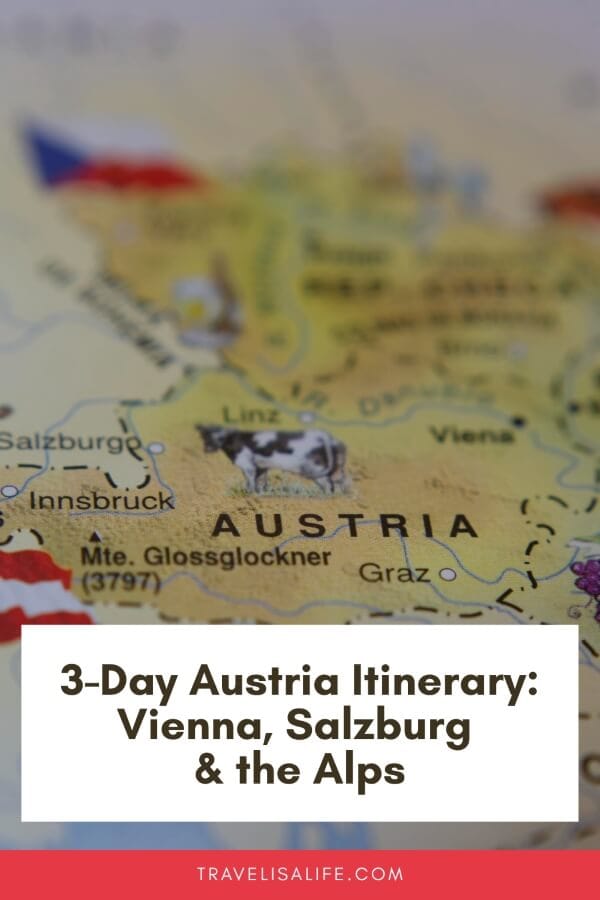
Austria is one of the rare European destinations where imperial cities and dramatic mountain landscapes coexist seamlessly. Even with limited time, it is possible to experience the country’s essence if your route is well planned and your expectations are realistic. This 3-day Austria itinerary is designed specifically for first-time visitors who want to see Vienna’s imperial grandeur, Salzburg’s musical heritage, and the natural beauty of the Austrian Alps without turning the trip into a race.
Rather than trying to “see everything,” this itinerary focuses on high-impact experiences: places that define Austria culturally, historically, and visually. You will move quickly between regions, but each day is structured to leave space for atmosphere, food, and spontaneous moments—essential elements of Austrian travel.
Day 1: Vienna – Imperial Elegance, Art, and Coffeehouse Culture
Your journey begins in Vienna, Austria’s capital and cultural heart. Vienna consistently ranks among the world’s most livable cities, and its elegance is immediately visible in its architecture, museums, and daily rituals.
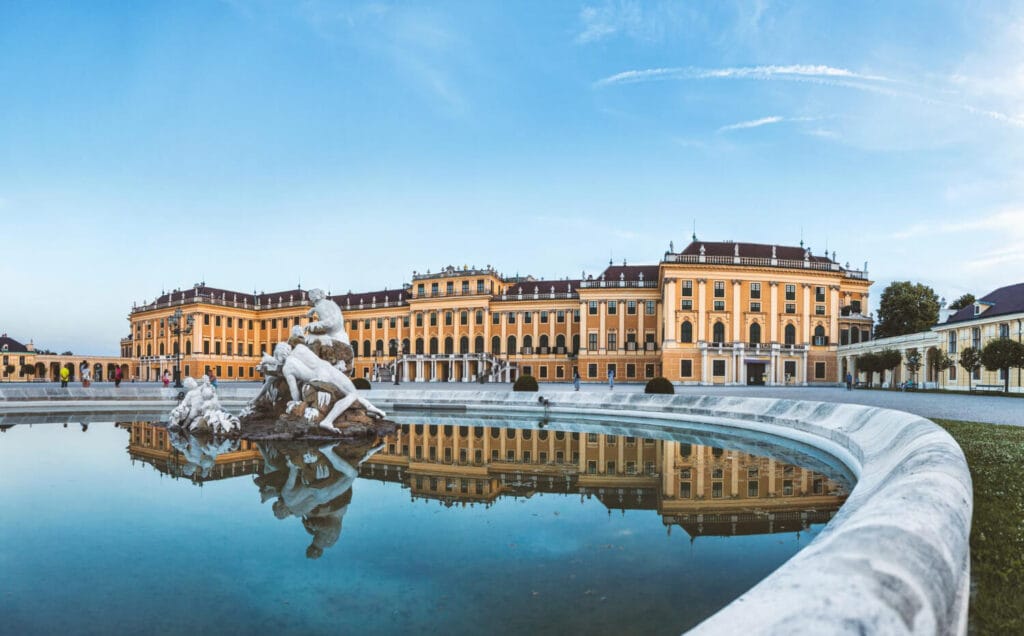
Start the morning at Schönbrunn Palace, the former summer residence of the Habsburg emperors. Even on a short visit, it is worth going inside. The popular “Grand Tour” ticket costs around €32 for adults and allows access to over 40 state rooms, including those once used by Emperor Franz Joseph and Empress Elisabeth (Sisi). If time is tight, the shorter “Imperial Tour” at approximately €26 still provides strong historical context. After the palace interiors, walk through the gardens—free to enter and surprisingly peaceful in the early morning.
From Schönbrunn, head toward Vienna’s historic center. The inner city is compact and ideal for walking. St. Stephen’s Cathedral dominates the skyline, and while entry to the main nave is free, climbing the South Tower costs around €6 and rewards you with sweeping views over the rooftops. Nearby, the Hofburg Palace complex reveals Vienna’s imperial scale, housing museums, libraries, and the Spanish Riding School.
Vienna’s identity is inseparable from its café culture. A midday stop at a traditional café such as Café Central or Café Sperl is not just about food—it is about slowing down. Expect to pay €18–25 for a classic Wiener Schnitzel and €6–8 for Apfelstrudel with coffee. Prices are higher than in smaller Austrian towns, but the experience is part of the city’s heritage.
The afternoon is best spent in one of Vienna’s major museums. The Kunsthistorisches Museum, home to masterpieces by Bruegel, Raphael, and Rubens, charges around €21 and is among Europe’s finest art collections. Alternatively, the Belvedere Palace (around €17–20, depending on exhibitions) is ideal if you want to see Klimt’s The Kiss alongside Baroque architecture and gardens.
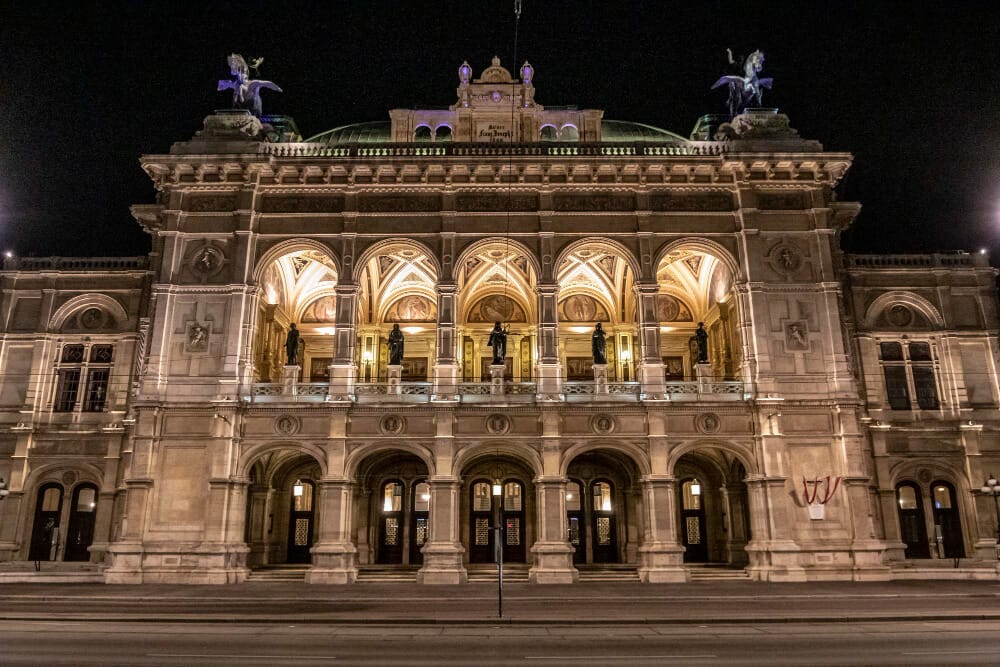
As evening approaches, walk along the Ringstrasse, Vienna’s grand boulevard lined with the Opera House, Parliament, and City Hall. If your budget allows, attending a classical concert is a memorable way to end the day. Tickets for smaller venues or churches start around €35–45, while performances at the Vienna State Opera can exceed €100.
For a deeper dive into planning your time in the capital, including seasonal advice and must-see highlights, this itinerary works especially well alongside Best Things To Do in Vienna for First-Time Visitors, which helps prioritize attractions if you have extra hours or an additional day.
Tip: Vienna rewards early starts. Visiting Schönbrunn or major museums before 10:00 am significantly reduces crowds and improves the experience.
Day 2: Salzburg – Mozart, Baroque Architecture, and Alpine Views
On the second day, travel from Vienna to Salzburg. High-speed Railjet trains take approximately 2 hours 30 minutes, with tickets typically costing €25–45 if booked in advance. Trains are comfortable, punctual, and far more relaxing than driving.
Salzburg feels immediately different from Vienna. Smaller, more intimate, and framed by mountains, the city is best explored on foot. Begin at Hohensalzburg Fortress, one of Europe’s largest medieval fortresses. A funicular ride and entry ticket cost around €16–18, and the views from the top extend across the old town to the Alps beyond.
Descending into the historic center, you will find narrow streets, Baroque façades, and lively squares. Getreidegasse, Salzburg’s most famous street, is home to Mozart’s birthplace. Entry to the museum costs about €13, and while it is modest in size, it provides useful context for Mozart’s early life.
Lunch in Salzburg is best kept traditional. Expect to pay €14–18 for dishes like Salzburger Nockerl (a sweet soufflé) or hearty dumplings in a local Gasthaus. Portions are generous, making it easy to continue sightseeing without another heavy meal.
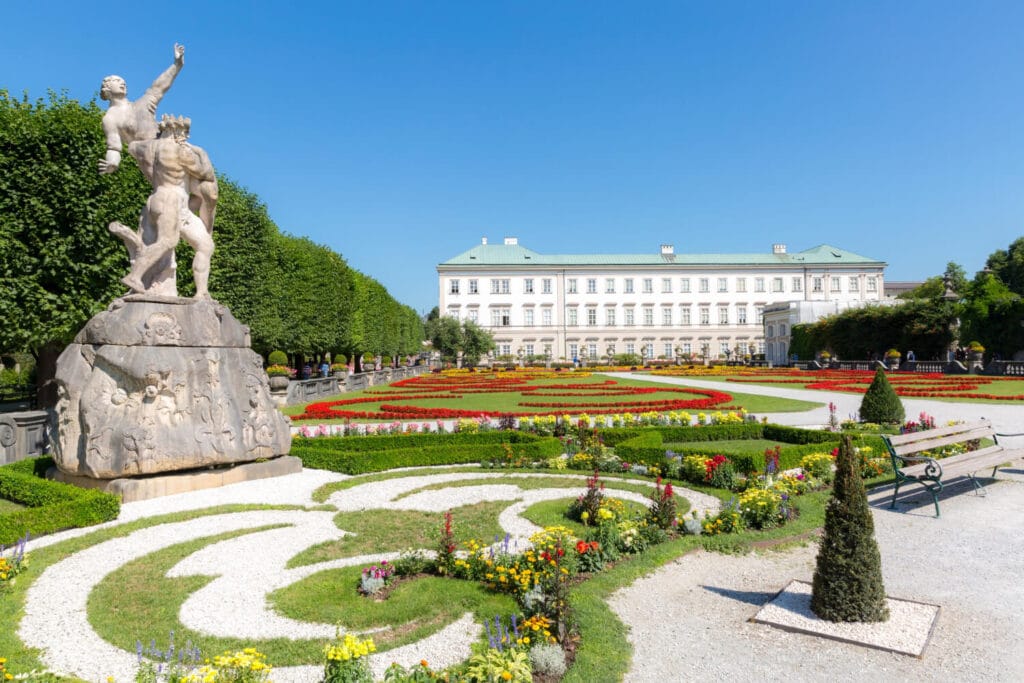
In the afternoon, walk along the Salzach River toward Mirabell Palace and Gardens, which are free to enter and offer classic postcard views of the fortress. The gardens are especially appealing in spring and summer, but even in colder months the symmetry and mountain backdrop make them worthwhile.
Salzburg evenings are calmer than Vienna’s. A relaxed dinner costs around €18–25 for a main course, and classical concerts in historic halls or churches start from €30–40. If you prefer a quieter end to the day, simply wandering the old town after sunset reveals a more local side of the city.
Tip: Salzburg’s old town is compact. Walking instead of using taxis allows you to discover hidden courtyards and less crowded viewpoints.
Day 3: The Austrian Alps – Lakes, Peaks, and Fresh Air
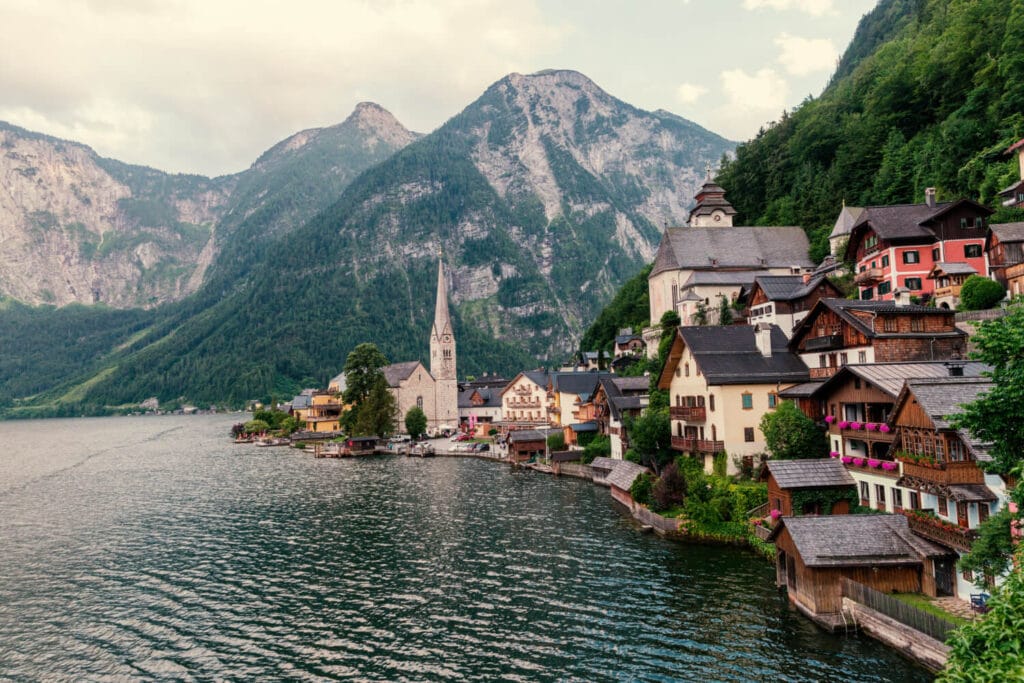
Your final day shifts from cities to landscapes. With only one day available, it is essential to choose one alpine region rather than trying to see several. The most practical options from Salzburg or Vienna include Hallstatt, Zell am See, or Innsbruck, each offering a different alpine experience.
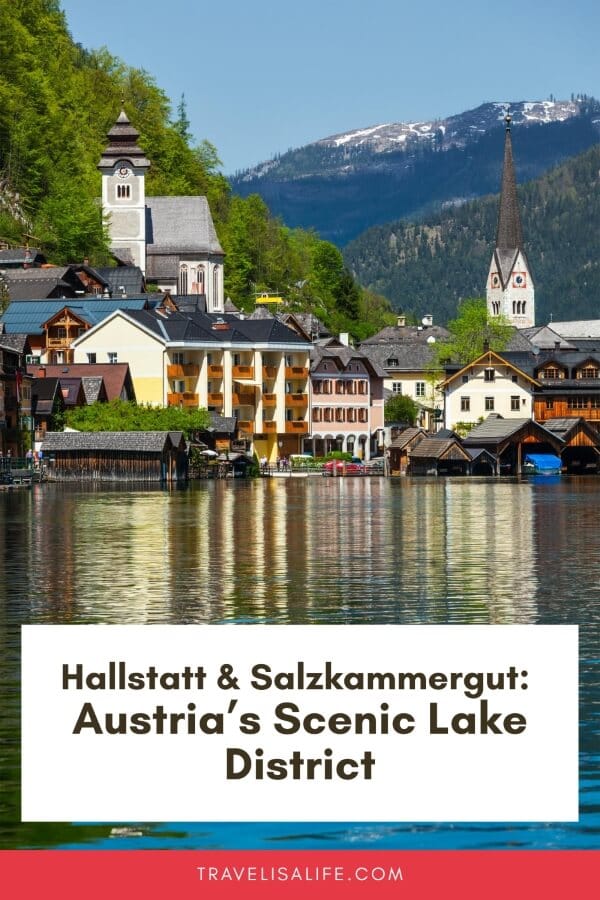
Hallstatt is the most famous and also the most compact. From Salzburg, travel time is about 2.5 hours by train and ferry combination. The village itself is small, but the lakeside setting and surrounding mountains create one of Austria’s most iconic scenes. Walking through the village is free, while attractions like the Salt Mine cost around €40, including the funicular.
Zell am See offers a balance between alpine town and nature. Surrounded by mountains and a clear lake, it is ideal for scenic walks. Cable car rides typically cost €25–35, depending on season and altitude. Even without lifts, walking along the lake provides a rewarding experience.
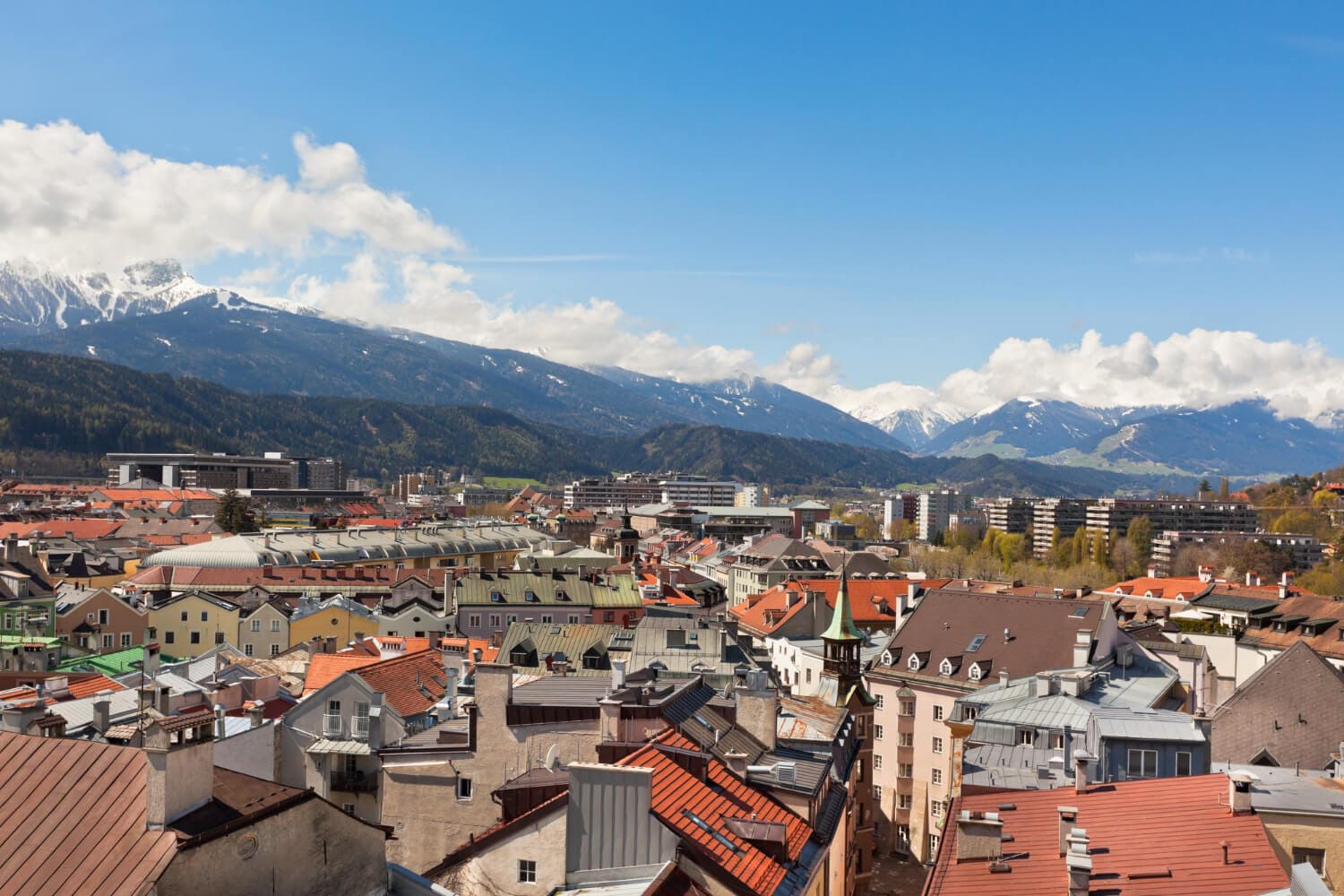
Innsbruck, while slightly farther, combines alpine scenery with a lively city atmosphere. The Nordkette cable car, which takes you directly from the city center into the mountains, costs approximately €38 for a round trip and offers dramatic views within minutes.
Lunch in alpine regions is best enjoyed in a mountain inn or lakeside restaurant. Expect prices around €15–20 for hearty soups, stews, or dumplings, often accompanied by panoramic views that justify every euro.
The afternoon should be unstructured. A lakeside walk, a short forest trail, or simply sitting with coffee and cake allows you to absorb the landscape rather than rushing to the next sight. Plan your return carefully, as evening transport options can be limited in smaller alpine towns.
Tip: Alpine weather changes quickly. Even in summer, bring layers and check cable car schedules the night before.
Is This 3-Day Itinerary Realistic?
This itinerary is fast-paced but achievable, especially if you rely on Austria’s excellent train network. It is best suited for travelers who want a high-level introduction rather than deep exploration. If you have additional days, extending Vienna or the Alps will significantly improve the overall rhythm of your trip.
Conclusion
This 3-day Austria itinerary offers a concentrated but rewarding first encounter with the country. Vienna provides imperial history and cultural depth, Salzburg delivers charm and musical heritage, and the Alps introduce Austria’s natural beauty in a single, memorable day.
By focusing on efficient transport, realistic travel times, and experiences that reflect local life, this route avoids superficial sightseeing. Even with limited time, Austria can feel rich, elegant, and immersive—leaving you with a clear sense of what makes the country special and plenty of reasons to return.