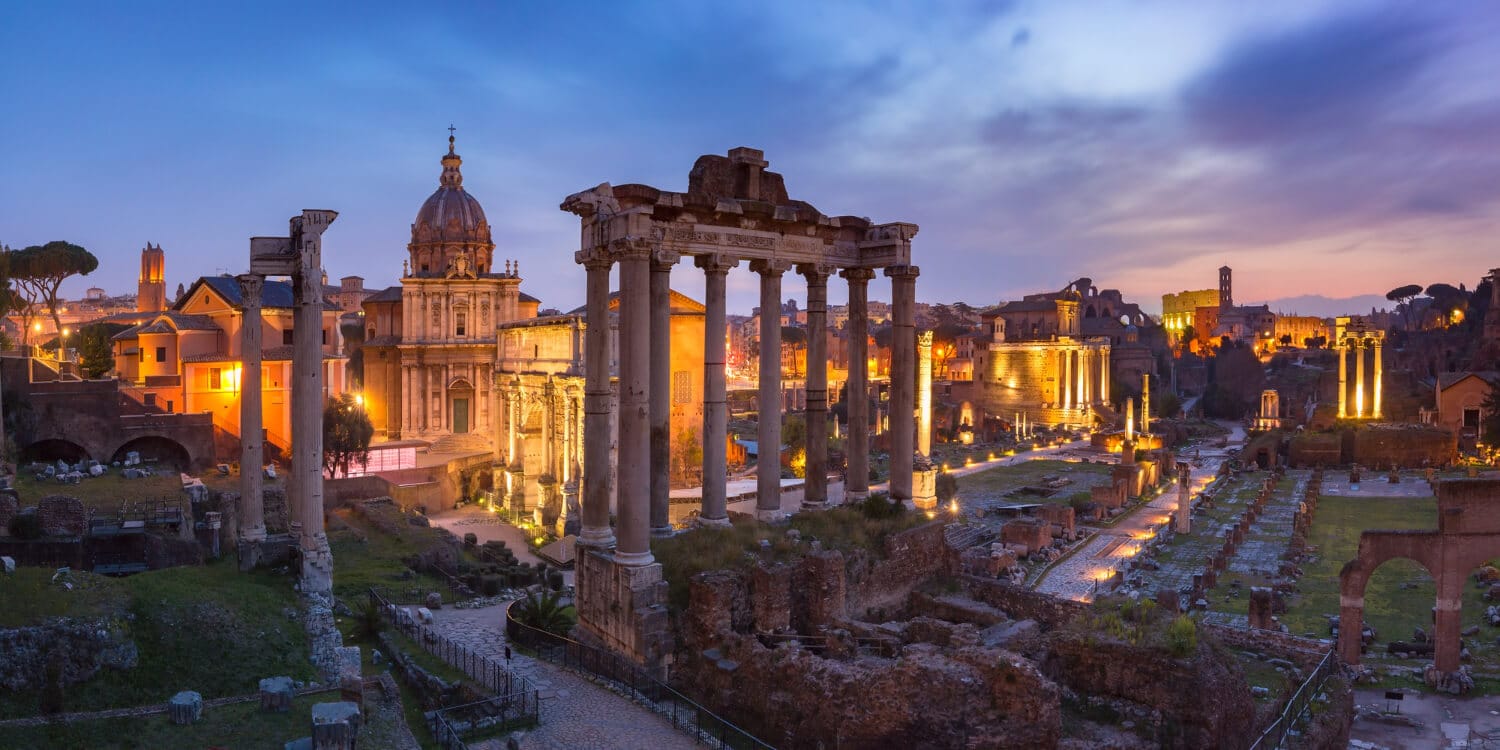
Rome is one of those cities where history, daily life, and chaos coexist on every corner. For first-time visitors, especially those coming from the United States, the Eternal City can feel both thrilling and overwhelming. Ruins appear between apartment buildings, traffic ignores logic, and walking distances are often longer than they look on a map.
That’s why a clear, realistic 3-day Rome itinerary is essential.
This guide is designed for 2026 travel, accounting for timed entries, crowd management, and modern travel habits. Instead of rushing between disconnected sights, each day follows a logical geographic flow. You’ll see Rome’s essentials, eat well, and still have space to breathe, wander, and absorb the atmosphere that makes this city unforgettable.
Day 1: Ancient Rome & Historic Neighborhoods
Your first day is dedicated to the heart of Ancient Rome. Start early—this isn’t about rushing, but about experiencing iconic sites before the city fully wakes up.
Colosseum (Arena Floor Optional)
Begin at the Colosseum as soon as it opens. Morning visits are cooler, quieter, and far more atmospheric. Standard tickets grant access to the main levels, but if you’re interested in a deeper experience, arena floor or underground access adds valuable context to how the games actually functioned.
Tip: Book tickets weeks in advance and choose the earliest time slot available. Late-morning entries often mean standing in direct sun with thousands of other visitors.
Roman Forum & Palatine Hill
Your Colosseum ticket includes access to the Roman Forum and Palatine Hill. Enter through Palatine Hill first—it’s slightly uphill, but the reward is sweeping views over the Forum and Circus Maximus. From there, descend into the Forum and walk among temples, arches, and political buildings that once defined the Roman Empire.
This is not a place to rush. Even without a guided tour, reading signage and pausing for perspective turns ruins into stories.
Tip: Download an offline map or audio guide before arriving. Mobile data can be unreliable among stone ruins.
Lunch in Monti
After hours among ruins, head to Monti, one of Rome’s most atmospheric neighborhoods. It’s close enough to walk yet feels worlds away from major tourist corridors. Monti is ideal for a relaxed lunch—think carbonara, cacio e pepe, or amatriciana in small trattorias where menus are short and seasonal.
This area rewards curiosity. Step away from main streets and you’ll find quiet squares, artisan shops, and cafés where locals linger.
Capitoline Hill Viewpoint
In the afternoon, walk up Capitoline Hill to Michelangelo’s beautifully designed square. From behind the Capitoline Museums, there’s a viewpoint overlooking the Roman Forum—one of the best free panoramas in the city.
It’s a perfect pause point before transitioning into the evening.
Via dei Fori Imperiali Evening Walk
As the sun lowers, stroll along Via dei Fori Imperiali. The ruins glow golden at sunset, and the energy shifts from sightseeing to evening passeggiata. This is an ideal introduction to Rome’s rhythm: unhurried, social, and atmospheric.
Day 2: Vatican City, the Tiber & Trastevere
Day two balances grandeur with charm, pairing the Vatican’s scale with Rome’s most beloved neighborhood.
Vatican Museums (Early Entry)
Start with the Vatican Museums using an early-access ticket. This dramatically improves the experience, allowing you to see the Sistine Chapel before crowds peak. Even for non-museum lovers, the collection is astonishing in scope and historical importance.
Tip: Dress code is enforced. Shoulders and knees must be covered, even in summer.
St. Peter’s Basilica
Exit directly into St. Peter’s Basilica. Entry remains free, but mornings are quieter. Whether or not you’re religious, the scale and artistry are breathtaking. If you’re comfortable climbing stairs, the dome offers one of Rome’s best views.
Castel Sant’Angelo & the Tiber Walk
From the Vatican, walk toward Castel Sant’Angelo and cross its angel-lined bridge. Even without entering the fortress, the area is worth visiting for views along the Tiber River.
Continue walking south along the river. This stretch is calm, scenic, and offers a welcome contrast to Rome’s busy streets.
Tip: Walking between sights often reveals more of Rome than using transport. Distances look intimidating but feel manageable on foot.
Lunch in Prati or Borgo
Nearby neighborhoods like Prati and Borgo offer excellent lunch options without tourist pricing. Expect solid Roman classics, bakeries, and relaxed wine bars frequented by locals and Vatican staff.
Trastevere Afternoon & Evening
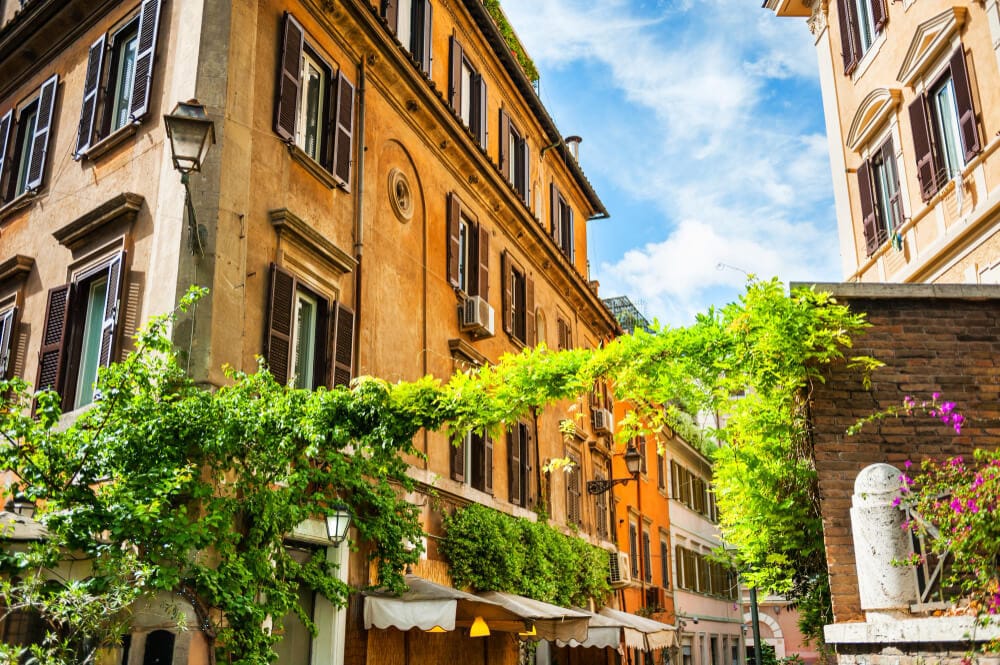
Cross into Trastevere in the afternoon. This neighborhood is all narrow streets, ivy-covered buildings, and local life. Visit Santa Maria in Trastevere, stop for gelato, and simply wander.
As evening approaches, Trastevere transforms. Trattorias fill, conversations spill into streets, and the atmosphere becomes distinctly Roman.
Tip: Dinner in Trastevere is about timing. Arrive earlier (around 7 pm) for quieter meals, or later for livelier energy.
Day 3: Baroque Rome, Markets & Green Spaces
Your final day focuses on Rome’s most photogenic landmarks and a slower pace to end your trip on a high note.
Spanish Steps & Piazza di Spagna
Arrive early to enjoy the Spanish Steps before crowds gather. Sitting is restricted, but the square remains a classic starting point for the day.
Trevi Fountain
A short walk away, Trevi Fountain is best visited in the morning. While it’s never empty, mornings allow space to appreciate its scale and detail.
Tip: There is no paid entrance to Trevi Fountain. Access remains free; any claims otherwise are misinformation.
UPD: Starting February 1, 2026, Rome will introduce a €2 ticket for tourists to access the lower steps and basin area of the Trevi Fountain.
Pantheon (Reserved Entry)
The Pantheon is one of Rome’s most extraordinary structures. With its massive columns and open oculus, it feels timeless. Since entry is now regulated, booking ahead ensures a smooth visit.
Campo de’ Fiori Lunch
Midday, head toward Campo de’ Fiori. The market area is lively, offering everything from fresh produce to casual lunch spots. Whether you grab street food or sit down, it’s a great place to observe everyday Roman life.
Piazza Navona
A short walk brings you to Piazza Navona, home to Bernini’s Fountain of the Four Rivers. The square blends art, architecture, and street life, making it ideal for a relaxed afternoon stop.
Villa Borghese (Optional Gallery Visit)
End your trip at Villa Borghese, Rome’s most beloved park. Whether you stroll, rent bikes, or simply relax with views over the city, it’s a refreshing contrast to Rome’s dense center.
If you’re a museum lover, the Borghese Gallery is exceptional—but tickets must be booked well in advance.
Tip: Villa Borghese is perfect for your final afternoon when energy is lower but curiosity remains high.
Practical Tips That Make Rome Easier
- Carry a refillable water bottle. Rome’s public fountains provide clean, cold drinking water.
- Wear shoes designed for long walking days. Cobblestones are unforgiving.
- Expect meals to take time. Dining in Rome is unhurried—embrace it.
- Always double-check walking distances. “Close” in Rome can mean 25 minutes on foot.
Conclusion
This 3-day Rome itinerary is designed to help you experience the city without exhaustion. By grouping sights by area, mixing major landmarks with neighborhoods, and allowing time for wandering, you’ll see Rome as it’s meant to be experienced—not rushed, but absorbed.
Three days won’t show you everything. And that’s the point. Rome isn’t a checklist—it’s a city you begin to understand, then promise yourself you’ll return to.
Let the streets guide you, linger over meals, and allow history to reveal itself slowly. That’s when Rome truly stays with you.
Is 3 days enough to see Rome?
Yes! Three days covers the major highlights, but Rome has endless treasures – you’ll leave wanting to return.
Should I book tours in advance?
Absolutely. Skip-the-line tickets for the Colosseum, Vatican Museums, and St. Peter’s Basilica are highly recommended.
Which neighborhood is best to stay in?
Central areas like Piazza Navona, Campo de’ Fiori, or near Termini Station are convenient for sightseeing.
What’s the best way to get around Rome?
Walking is ideal for central Rome. Public transport and taxis are available for longer distances.