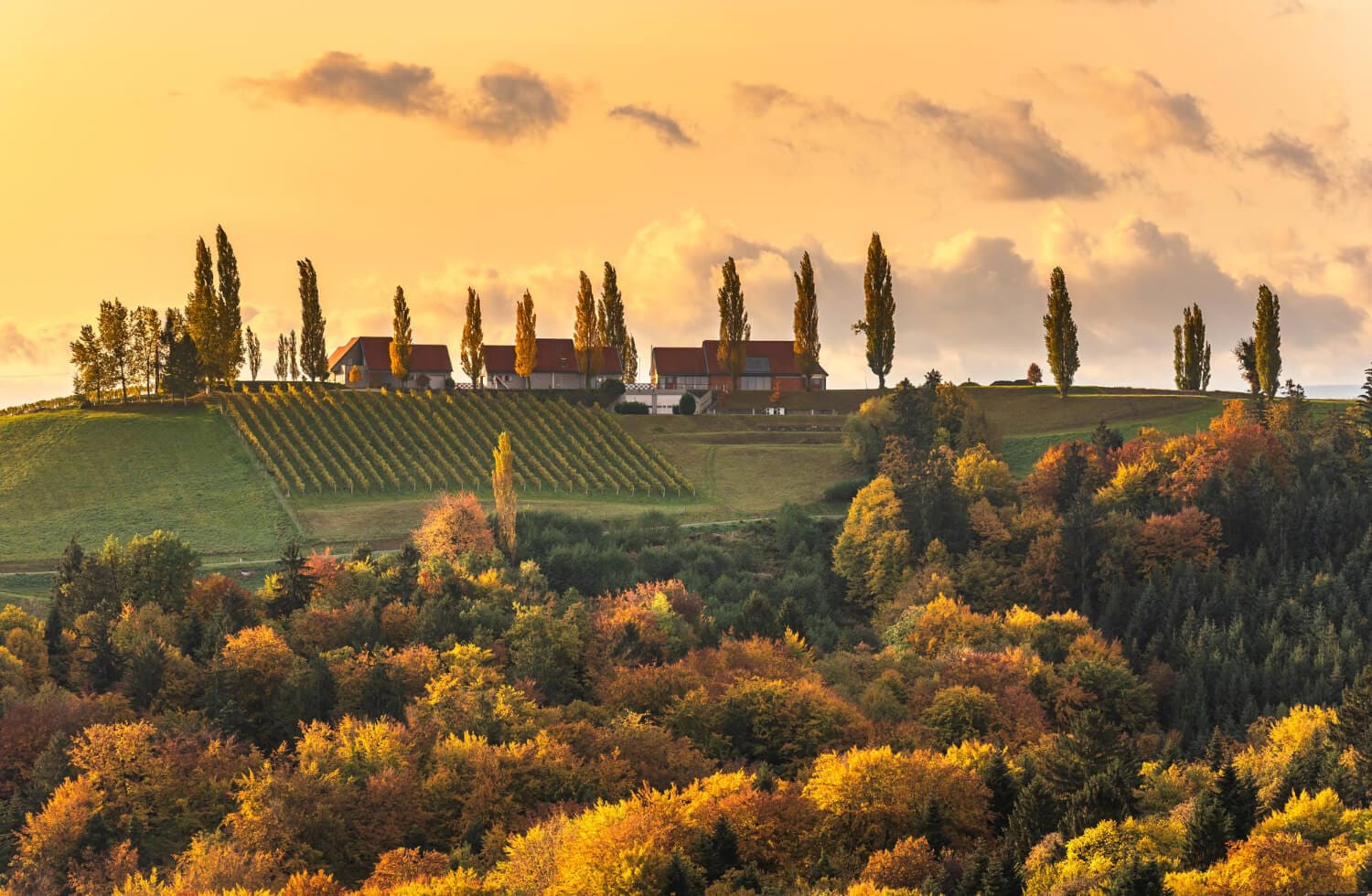
Italy is often associated with blockbuster cities like Rome, Florence, and Venice, but a first trip doesn’t have to be defined by crowds and packed museums. This carefully planned 7-day Italy itinerary is designed for travelers who want to experience the country’s landscapes, small towns, regional food, and slower rhythms—without sacrificing iconic scenery.
Instead of racing between major capitals, this route connects central Italy’s countryside with distinctive southern destinations and dramatic coastlines. It combines car travel and rail journeys in a realistic way, allowing you to experience regions where public transport alone would limit access. The result is a balanced itinerary that prioritizes atmosphere, scenery, and local life over box-ticking.
This itinerary is especially well suited to first-time visitors who enjoy scenic drives, walkable historic towns, and food-focused travel, and who prefer meaningful experiences over rushing between highlights.
Days 1–2: Tuscany’s Hill Towns and Countryside
Your journey begins in Tuscany, a region whose reputation often hides its true scale. While Florence is undeniably impressive, the Tuscan countryside is where the region’s character fully unfolds. Rolling hills, cypress-lined roads, vineyards, and stone villages define the landscape.
The most practical base for these first two days is either the Chianti area or Val d’Orcia. Both allow easy access to multiple towns without excessive driving. Renting a car is essential here; daily rental prices typically range from €45–70, depending on season and pickup location.
San Gimignano is often the first stop. Its medieval towers rise dramatically above the surrounding countryside, and despite its popularity, it remains atmospheric in the early morning or late afternoon. Walking its compact historic center takes little time, but lingering over views from the town walls adds depth to the visit.
Volterra offers a quieter experience. With Etruscan roots and fewer tour groups, it feels more lived-in and reflective. The views over the surrounding valleys are expansive, and the town rewards slow exploration rather than a checklist approach.
Pienza, set in the heart of Val d’Orcia, is known for its Renaissance planning and panoramic viewpoints. Even a short walk through its center reveals why the surrounding landscape is UNESCO-listed. Small food shops here specialize in pecorino cheese, with tastings starting around €5–10.
Driving between towns is as much part of the experience as the destinations themselves. Scenic pull-offs, farmhouses, and vineyards invite spontaneous stops. Many family-run wineries offer informal tastings for €15–25, often including local olive oil or cheese.
Tip: In Tuscany, plan fewer destinations per day and allow time for unplanned stops. The scenery between towns is often the highlight.
An optional half-day visit to Siena fits naturally into this section of the itinerary. Parking outside the historic center costs around €2–3 per hour, and exploring on foot reveals one of Italy’s most cohesive medieval cities.
Day 3: Umbria’s Medieval Calm and Food Culture
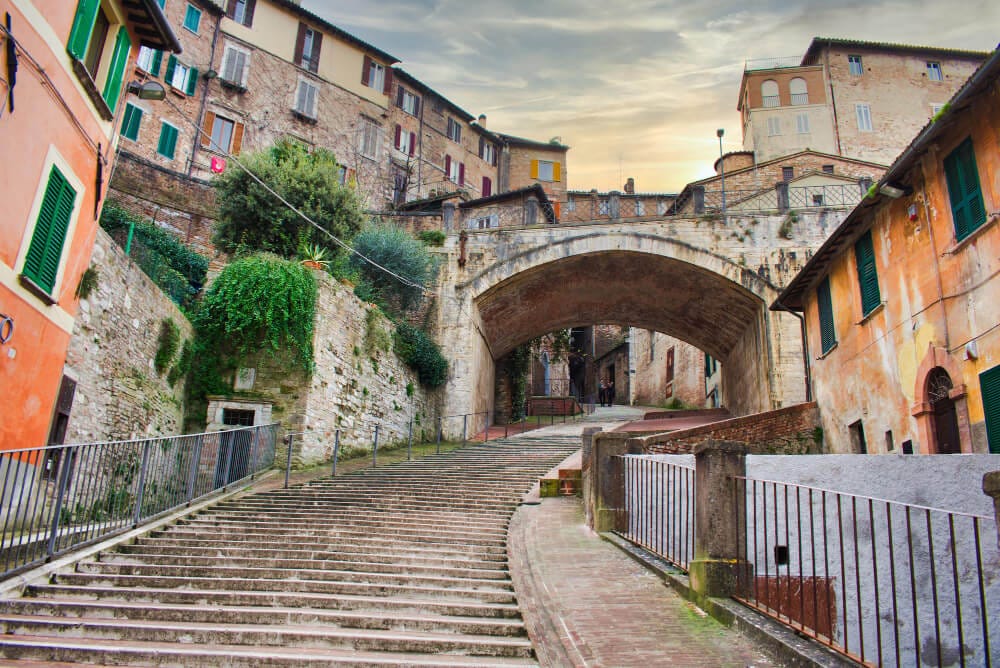
From Tuscany, the route continues east into Umbria, a region often overlooked by first-time visitors. Known as Italy’s green heart, Umbria shares many qualities with Tuscany but feels quieter and more intimate.
Assisi is the region’s most recognized town, largely due to the Basilica of St. Francis. While the basilica itself draws visitors, the town’s broader appeal lies in its hilltop setting and surrounding olive groves. Exploring Assisi early in the morning allows you to experience its stone streets before day-trippers arrive. Entry to the basilica is free, though guided visits typically cost €12–15.
Nearby Spello offers a more compact and relaxed experience. Its narrow streets, flower-filled balconies, and short walking distances make it ideal for a slow wander. A gentle walk along the town walls provides wide views over the valley below.
Umbria’s culinary identity is strong and seasonal. Menus often feature truffles, lentils from Castelluccio, wild mushrooms, and simple handmade pastas. A traditional lunch in a local trattoria usually costs €18–25 per person, including wine.
Tip: In Umbria, lunch menus often offer better value than dinner and feature the freshest seasonal dishes.
Day 4: Matera and the Ancient Sassi Districts
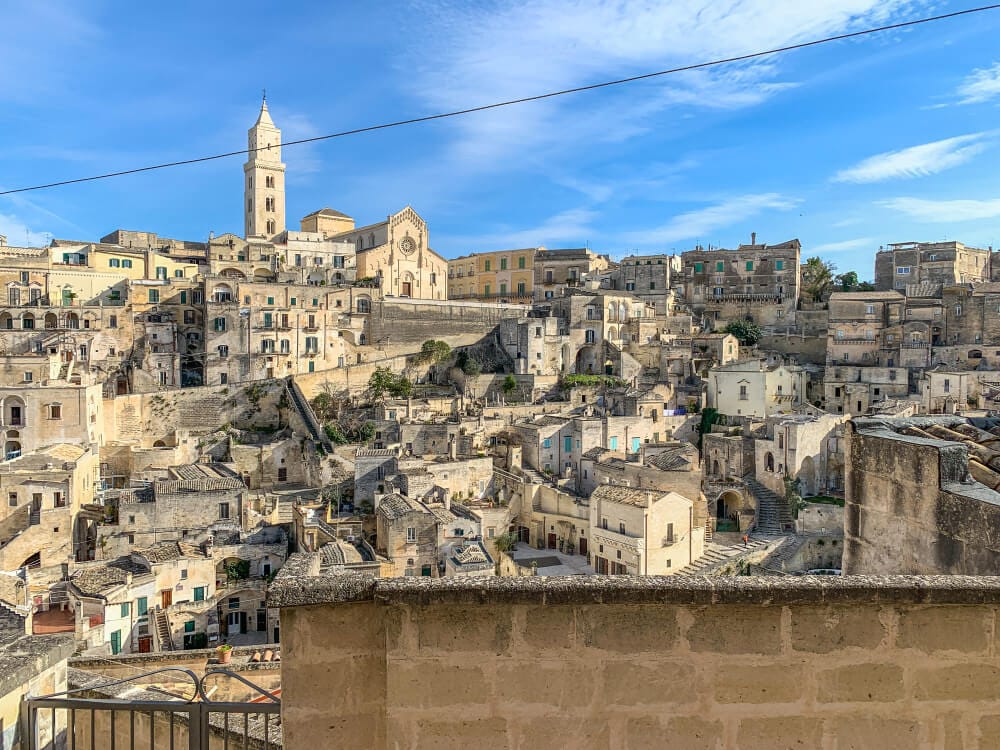
Day four introduces a dramatic shift in landscape and atmosphere. Traveling south to Matera takes several hours, but the contrast makes the journey worthwhile. Located in the Basilicata region, Matera is unlike any other city in Italy.
The Sassi districts are carved directly into limestone rock and have been continuously inhabited for thousands of years. Exploring Matera means navigating stairways, tunnels, and narrow paths that reveal layers of history at every turn. Unlike traditional cities, there is no single route; discovery happens gradually.
Key highlights include rock churches, panoramic viewpoints over the ravine, and the seamless integration of ancient dwellings with modern renovations. Entry to rock churches typically costs €3–5 per site, while combined tickets range around €10–12.
Staying overnight is strongly recommended. As evening falls, the illuminated cave dwellings create one of southern Italy’s most striking scenes. Accommodation prices vary widely: renovated cave hotels range from €120–200 per night, while guesthouses outside the Sassi are more affordable.
Dining in Matera reflects the region’s simplicity. Expect hearty dishes based on local grains, vegetables, and bread, with dinner costing €20–30 per person.
Days 5–6: Cinque Terre’s Coastal Villages
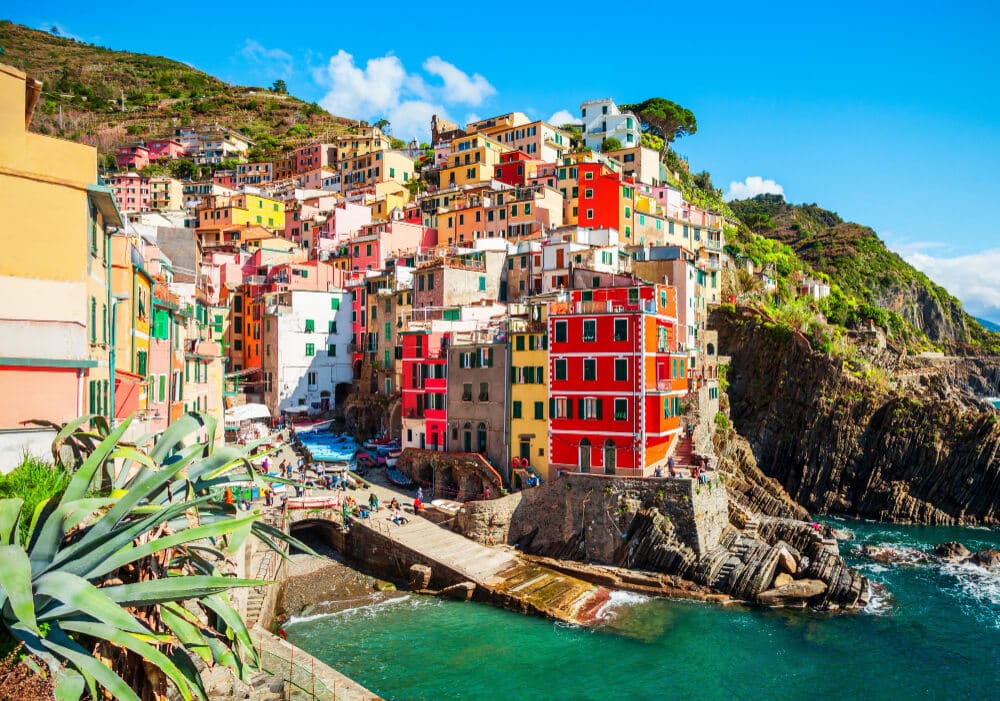
After Matera, the itinerary shifts north to the Ligurian coast and Cinque Terre. While travel time is significant, this section delivers some of Italy’s most iconic coastal scenery.
Cinque Terre consists of five villages connected by regional trains and hiking trails. Cars are impractical here, so returning the rental car before arrival is advised. Train tickets between villages cost €5–8, while the Cinque Terre Train Card (around €19–32, depending on season) offers unlimited travel.
Each village has a distinct character. Monterosso features the largest beach, Vernazza offers postcard-perfect harbor views, and Manarola is known for its dramatic cliffside setting. Corniglia, perched above the sea, feels quieter due to its elevation.
Hiking between villages is one of the region’s highlights. Trail access is included with the Cinque Terre Card, and even short sections provide impressive views. Starting hikes early in the day helps avoid heat and congestion.
Boat trips along the coast offer an alternative perspective and typically cost €30–40, depending on route length. Sunset is an especially rewarding time to experience the villages, when day-trippers depart and the atmosphere softens.
Day 7: Amalfi Coast and Procida’s Local Rhythm
The final day focuses on southern Italy’s coastline, but with a deliberate emphasis on less crowded areas. Instead of Positano or Capri, this itinerary highlights quieter towns and a lesser-known island.
On the Amalfi Coast, Praiano and Atrani offer dramatic scenery with fewer visitors. Walking paths and small beaches encourage slower exploration. The Path of the Gods hike provides sweeping coastal views, and even partial sections deliver memorable scenery without requiring a full-day commitment.
Ferries connect the coast to Procida, an island known for colorful houses and a working harbor. Compared to Capri, Procida feels authentic and relaxed. Ferry tickets typically cost €20–25 one way, and crossings take around one hour.
Procida’s food scene is simple and seafood-focused. A relaxed dinner near the harbor usually costs €20–28 per person, often featuring the day’s catch and local pasta dishes.
Late afternoon and sunset are the most rewarding times to experience both the coast and the island, when crowds thin and light softens.
Practical Considerations for This Itinerary
This route is ambitious but achievable with planning. Renting a car for Tuscany, Umbria, Matera, and parts of the Amalfi Coast provides flexibility, while trains are essential for Cinque Terre. Comfortable walking shoes are necessary throughout, as cobblestones, hills, and uneven paths are common.
Accommodation should be booked early, especially in Matera and Cinque Terre. Traveling in late spring or early autumn offers the best balance of weather and crowd levels.
Is This Itinerary Right for You?
This itinerary is best suited to travelers who value landscapes, food, and atmosphere over museum-heavy city visits. It avoids constant city-hopping and instead focuses on regions that reveal Italy’s geographic and cultural diversity.
Driving is required for several sections, so comfort with narrow roads and hill towns is important. However, distances are manageable, and each destination rewards slower travel.
Final thoughts
This 7-day Italy itinerary offers first-time visitors a deeper, more balanced introduction to the country. By connecting Tuscany and Umbria’s countryside with Matera’s ancient streets, Cinque Terre’s coastal villages, and quieter corners of the Amalfi Coast, it delivers variety without overwhelming logistics.
Rather than chasing Italy’s most famous sights, this route emphasizes atmosphere, scenery, and local life. It is an ideal choice for travelers who want their first experience of Italy to feel immersive, authentic, and memorable—long after the journey ends.