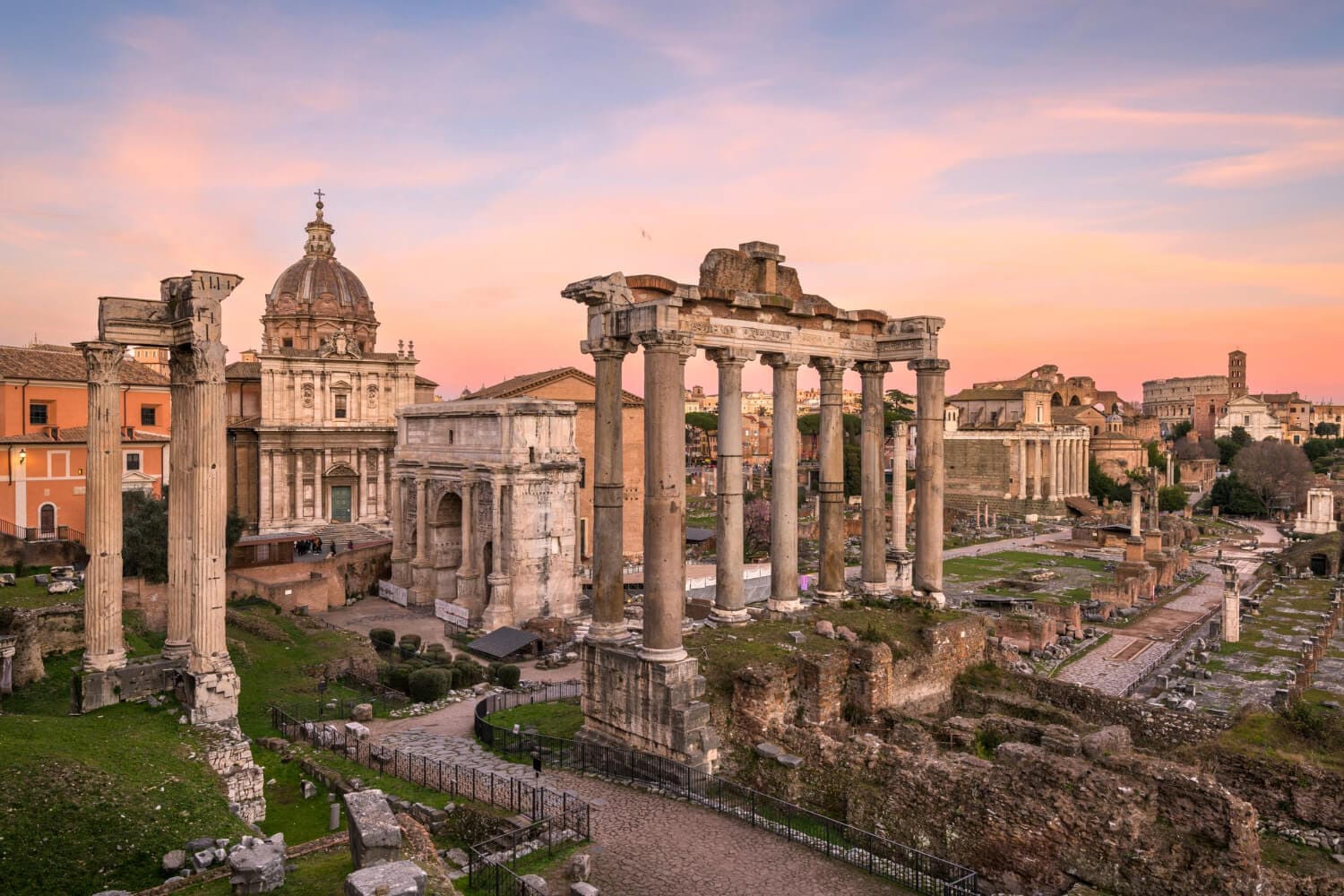
Rome is a city where every street tells a story. With ancient ruins, Renaissance art, and bustling piazzas, it’s a city that rewards both careful planning and slow exploration. In 2026, new visitor systems, timed-entry tickets, and updated museum routes make it easier than ever to see the city efficiently. This guide highlights Rome’s must-see landmarks, food experiences, scenic walks, and day trips, with practical tips, personal insights, and up-to-date prices to help you plan a smooth, unforgettable trip.
Rome’s Top Historical Highlights
Rome’s history is visible around every corner, from grand monuments to cobbled streets. Here’s where to start:
Colosseum with Arena Floor Access
The Colosseum remains Rome’s most iconic landmark. In 2026, early morning tickets are essential to beat the crowds. Arena floor access gives you a unique perspective on the gladiatorial past.
Ticket price: €22 adult, €12 reduced (students/EU youth), €30 with arena floor access.
Tip: Book at least two weeks in advance and aim for the first entry. The light is softer, and you’ll often have the arena nearly to yourself.
Personal tip: I arrived at 8:00 AM once and had a nearly empty Colosseum for half an hour. The way sunlight hits the arches is magical—it’s worth the early alarm.
Roman Forum + Palatine Hill Combo
A single ticket covers both sites. Start at Palatine Hill for panoramic views, then descend to the Forum to explore temples, arches, and ancient streets.
Ticket price: €16 adult, €8 reduced.
Tip: Bring a power bank. Between photos and map apps, your phone will drain quickly.
Trevi Fountain
No visit to Rome is complete without seeing this iconic Baroque fountain. Visit early in the morning or late at night to avoid crowds and enjoy the full spectacle. Don’t forget to toss a coin for luck! For a full 3-Day Rome Itinerary including the Trevi Fountain and other landmarks, check out our guide here.
Pantheon Reserved Entry
The Pantheon now requires a timed reservation. Early morning slots are quieter, perfect for photography.
Ticket price: €5 adults (free for under 18).
Castel Sant’Angelo at Sunset
The terrace provides one of Rome’s most stunning city views. Extended sunset hours let you enjoy golden hour without crowds.
Ticket price: €15 adult.
Tip: Arrive 30 minutes before sunset and watch the Tiber glow. It’s a calm moment amidst the city bustle.
Best Museums to Visit in Rome 2026
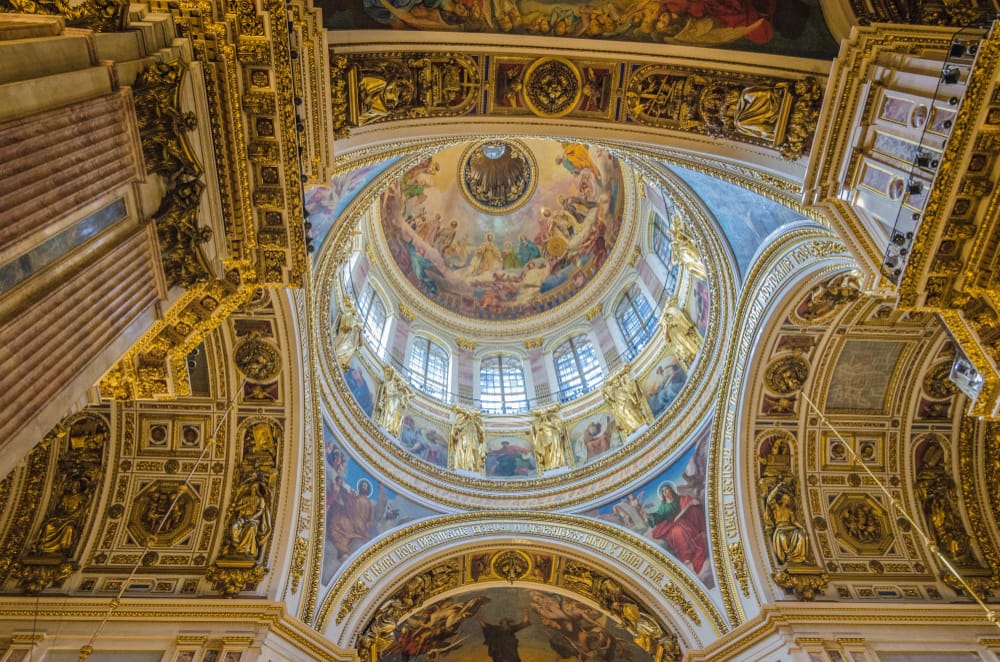
Rome’s museums mix Renaissance, Baroque, and modern works. Many operate on timed entry, so planning ahead is crucial.
Vatican Museums Early Entry
Skip-the-line tickets with early entry are highly recommended. In 2026, new guided routes reduce congestion and highlight key artworks.
Ticket price: €32 standard adult, €21 under 18. Guided tours extra.
Tip: Bring a notebook or your phone to note your favorite pieces—you won’t remember everything.
Borghese Gallery
Renowned for Bernini’s sculptures and Caravaggio paintings. Tickets are timed and sell out fast.
Ticket price: €15 standard, €2 reduced (EU students).
MAXXI – National Museum of 21st Century Arts
The 2026 exhibitions spotlight Italy’s architectural innovators. Immersive installations offer a break from classical art fatigue.
Ticket price: €12 adult.
Capitoline Museums
Housed on one of Rome’s seven hills, these museums combine history, archaeology, and modern multimedia guides.
Ticket price: €15 adult.
Personal tip: I spent an entire afternoon at the Capitoline Museums with just one guidebook. The multimedia displays made the history come alive—I highly recommend using the audio guide.
Best Food and Wine Experiences in Rome
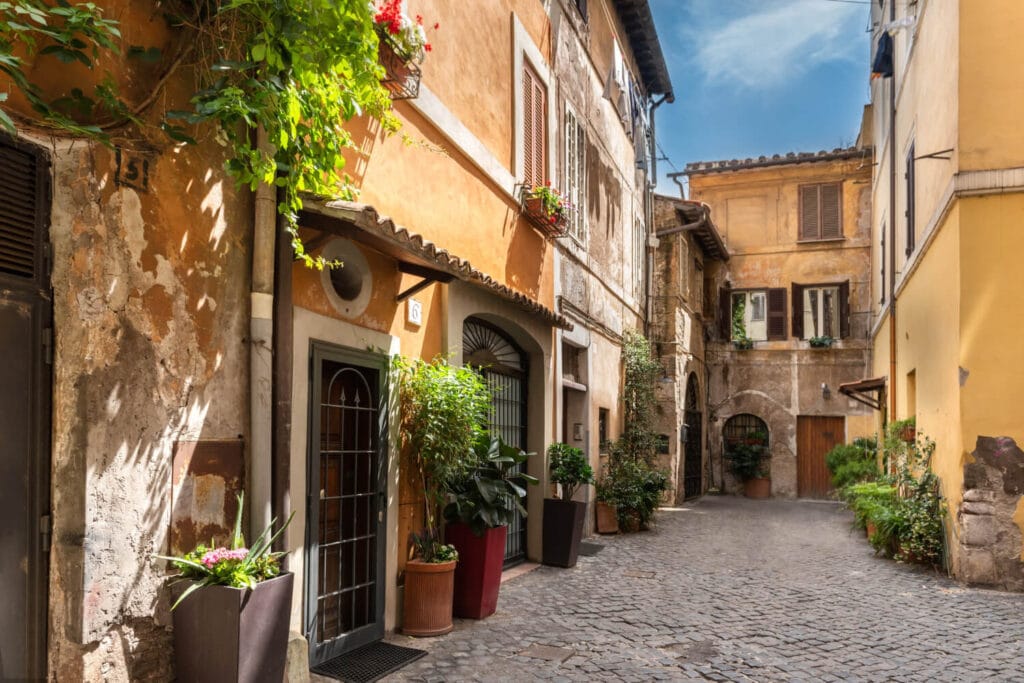
Food is a central part of Roman culture. Here’s how to enjoy it authentically in 2026:
Testaccio Market Food Tastings
Taste supplì, Roman-style pizza, fresh pasta, and porchetta. Budget-friendly and lively.
Tasting prices: €3–€10 per snack.
Hands-On Cooking Classes in Trastevere
From market shopping to making cacio e pepe or amatriciana, these classes are immersive.
Price: €70–€120 per person depending on duration.
Tip: Book in advance—classes fill quickly in 2026.
Wine Bars Around Campo de’ Fiori
Enjoy Cesanese, Frascati Superiore, and natural wines from Lazio. Small, cozy venues provide a local experience.
Innovative Dining in Modern Rome
Restaurants like Roscioli and Retrobottega offer contemporary takes on Roman classics.
Personal tip: I stumbled upon a tiny trattoria in Trastevere with no English menu. The carbonara was the best I’ve ever had. Don’t overlook these hidden gems; they often beat the famous tourist spots.
Outdoor Activities and Scenic Walks in Rome 2026
Balance your museum visits with green spaces and scenic strolls:
Villa Borghese Bike Routes
Wide, shaded paths perfect for bikes or e-bikes. Explore gardens, small lakes, and viewpoints.
Bike rental: €10–€15 per hour.
Janiculum Hill (Gianicolo)
Offers panoramic city views, much quieter than the Spanish Steps terrace.
Appian Way (Via Appia Antica)
Bike along this ancient road, stopping at catacombs and old tombs.
Tiber River Promenade
Newly revitalized areas with cafés, artisan markets, and seasonal events.
Personal tip: I rented an e-bike and rode from the Colosseum to Appian Way. Stopping along quiet sections felt like traveling back in time.
Make sure to carry a portable power bank so your phone and camera stay charged while capturing every moment. I recommend this reliable powerbank — it’s lightweight, fast-charging, and perfect for long days exploring Rome.
Best Day Trips from Rome in 2026
High-speed and regional trains make day trips simple:
Tivoli – Villa d’Este & Hadrian’s Villa
Famous for fountains, gardens, and imperial ruins.
Ticket price: €13–€15 per site.
Orvieto
Hilltop Umbrian town with cathedral and underground tunnels.
Train price: €12–€18 one-way.
Ostia Antica
Quiet archaeological site with well-preserved streets and theaters.
Castelli Romani
Cluster of hill towns with wine, lakes, and rustic trattorias. Frascati is perfect for a long lunch.
For a complete guide to planning these excursions, see our Day Trips from Rome: Tivoli, Orvieto, and Other Nearby Towns.
Personal tip: I took a train to Orvieto and timed lunch at a small piazza café overlooking the valley—it was one of the most relaxing afternoons of my trip.
How to Plan Your Rome Itinerary Efficiently
To enjoy Rome without feeling overwhelmed, structure your days with a balance of major sights and flexible time.
- Schedule one major attraction per morning to avoid burnout.
- Use afternoons for museums, local neighborhoods, or scenic walks.
- Book timed tickets in advance for high-demand attractions.
- Explore one neighborhood per day rather than rushing across the city.
- Leave room for spontaneous discoveries—Rome rewards slow travel.
Conclusion
Rome in 2026 combines ancient landmarks, modern experiences, and unforgettable culinary delights. With improved ticketing systems, updated museum routes, and efficient transportation, planning a smooth itinerary is easier than ever. Start with major attractions early in the day, explore local neighborhoods in the afternoon, and enjoy slow dinners or sunset viewpoints. Adding small personal touches, like a stroll through hidden alleys or stopping at a quiet piazza for coffee, transforms a standard sightseeing trip into a memorable, authentic experience.
Personal tip: Carry a reusable water bottle and refill at public fountains. Walking all day in Rome is inevitable, and staying hydrated keeps you energized for exploring hidden corners as well as famous sites.