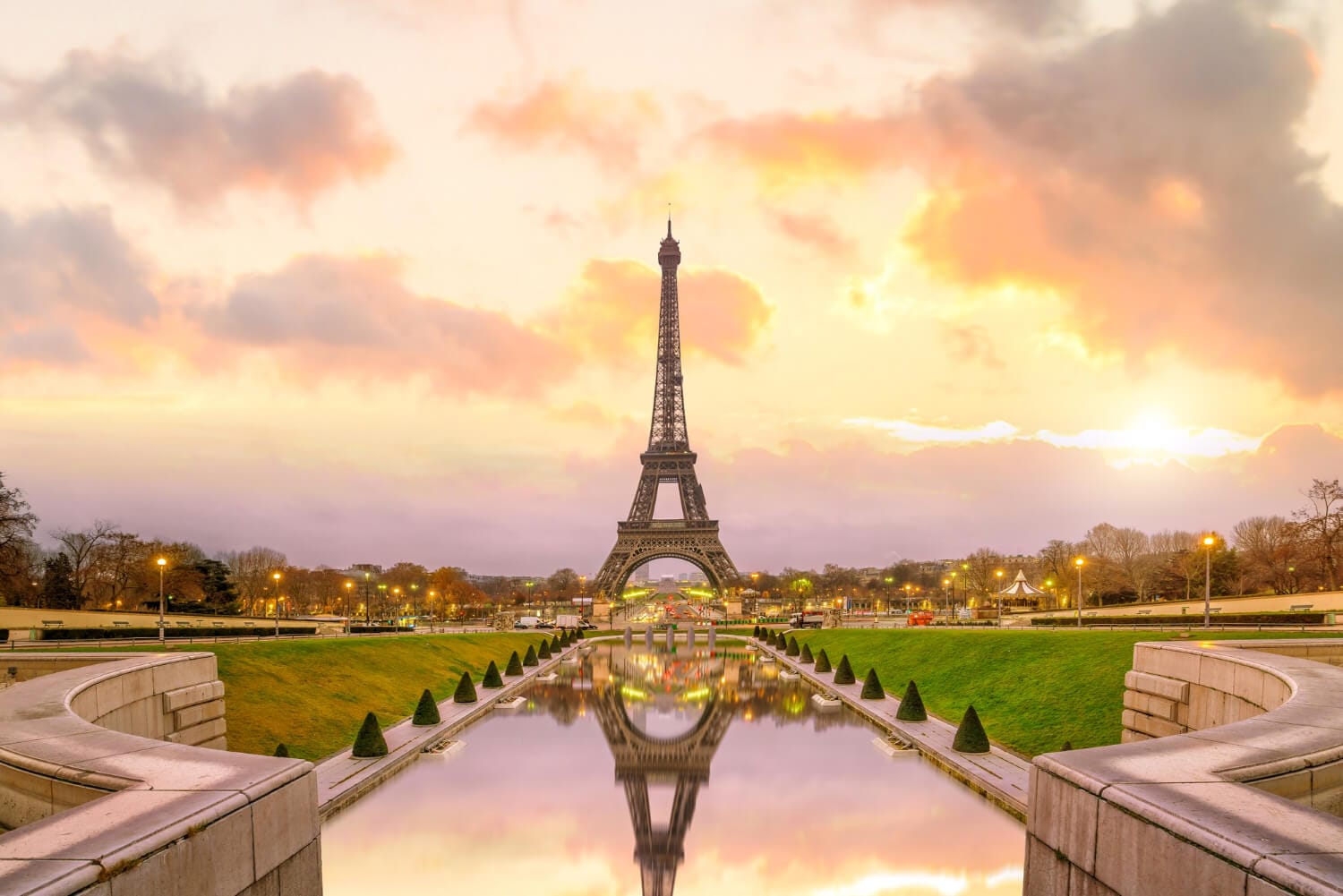
This France travel guide for first-time visitors focuses on regions that work especially well for an introductory trip. Instead of rushing through dozens of cities, this guide helps you understand how different areas feel, how they connect, and what kind of traveler each region suits best. Provence, the French Riviera, Normandy, the Loire Valley, and the French Alps offer variety without unnecessary complexity.
France Travel at a Glance
- Best trip length: 7–14 days
- Best seasons: Apr–Jun, Sep–Oct (milder weather & fewer crowds)
- Typical daily budget: $120–$240 per person (mid-range)
- Transport: TGV trains, regional trains, buses, ferries
- Visa notes: Schengen entry rules apply (up to 90 days)
Paris for First-Time Visitors
Paris is often the starting point for a first trip to France. It has the best international connections, the widest range of accommodation, and easy access to day trips. For most first-time visitors, Paris works best as the main base.
Quick essentials
- Ideal stay: 3–4 nights
- Best areas to stay: Le Marais, Latin Quarter, Saint-Germain-des-Prés
- Main highlights: Eiffel Tower, Louvre Museum, Montmartre, Seine river walk
- Best transport: Metro and RER (day passes save time and money)
- Common mistake: Trying to see too many attractions in one day — group sights by area
Getting to Paris
From the US: Direct flights to Charles de Gaulle (CDG) from most major US cities
Airport to city: RER B train is the fastest and most affordable option
Paris at a glance (cost & timing)
- Average daily budget: $130–$250 per person (mid-range, excluding flights)
- Best time to visit: April–June and September–October
- Peak hours: Museums are busiest late morning — early entry is usually quieter
Paris also works well as a hub for day trips such as Versailles, Giverny, or the Loire Valley, making it an efficient base for first-time travelers exploring France.
Provence – Lavender Fields & Storybook Villages
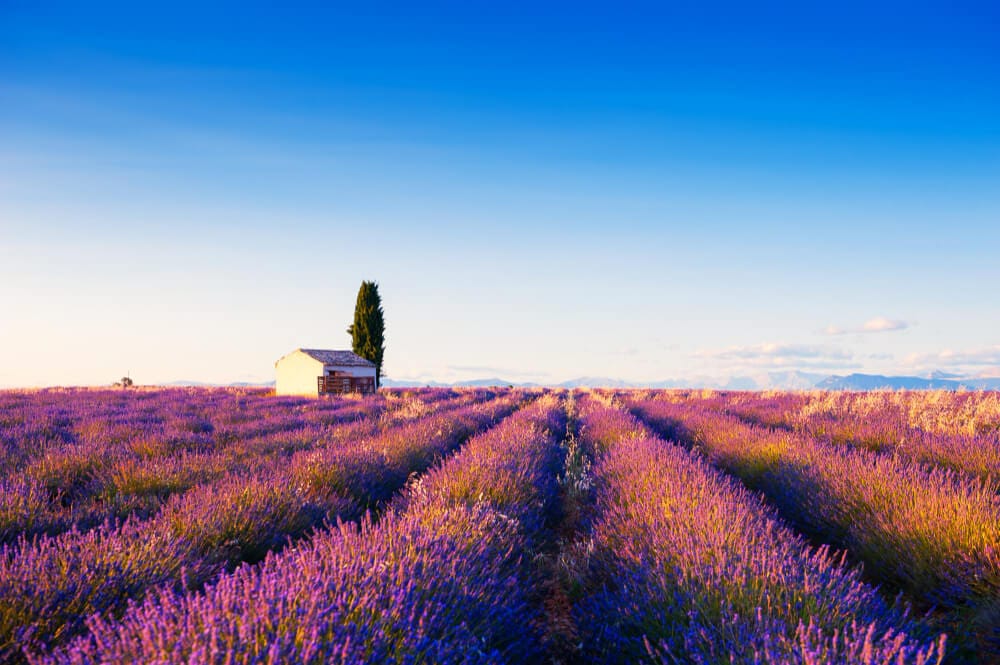
Provence is often where travelers fall in love with France. The region is defined by light, open landscapes, stone villages, and a noticeably slower rhythm of daily life. Markets happen in the morning, afternoons are quiet, and evenings stretch long over dinner and conversation.
If lavender fields are high on your list, timing matters. Mid-June through mid-July is peak season, especially around the Valensole Plateau. Outside this window, Provence still delivers through its architecture, vineyards, and village life, without the seasonal crowds.
Small towns like Gordes and Roussillon show how daily life unfolds in hilltop villages. Streets are compact, homes are built from local stone, and views open across vineyards and valleys. These places are best enjoyed without a rigid schedule. Aix-en-Provence adds contrast with a livelier atmosphere, thanks to its student population, open-air markets, and café culture.
A car is the most practical way to move around Provence. While trains connect larger towns, villages and scenic routes are far easier to reach independently. Early mornings, especially in lavender areas, offer quieter roads and softer light. One of my most memorable mornings in Provence started before sunrise in Valensole, when the fields were empty and the air still cool. That early start completely changed the experience.
Make sure to carry a portable power bank so your phone and camera stay charged while capturing every moment.
What to see and do:
- Valensole Plateau: Endless lavender fields perfect for photography; experience the calming scent and vibrant colors that define Provence.
- Gordes and Roussillon: Hilltop villages with winding cobblestone streets and panoramic views, offering local crafts and authentic cafés.
- Sénanque Abbey: Historic monastery surrounded by lavender; witness a peaceful setting and learn about monastic life.
- Aix-en-Provence: Bustling markets with fresh produce, cheese, and artisan goods; join a walking food tour for a taste of local flavors.
Provence – Essentials
- Ideal stay: 2–3 nights
- Highlights: Aix-en-Provence, lavender fields, olive markets
- Common mistake: Only visiting lavender in peak heat — plan sunrise or sunset visits
- Transport tip: Regional trains & buses; renting a car gives more rural access
French Riviera – Sun, Sea & Glamour
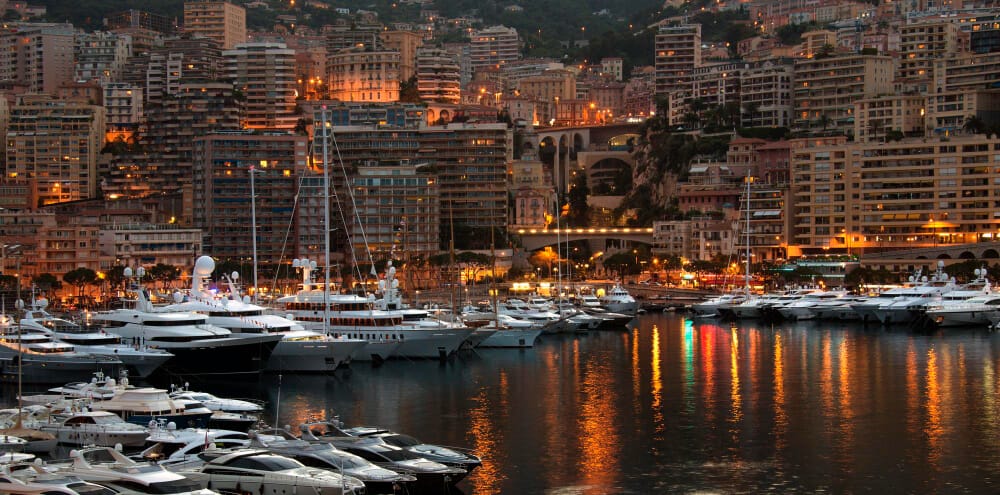
The French Riviera feels very different from Provence, even though they are geographically close. Life moves faster, days revolve around the coast, and public transportation is far more central to daily movement.
This region is ideal for travelers who prefer not to drive. Trains run frequently along the coast, making it easy to stay in one city and visit others as day trips. Nice works particularly well as a base. It offers a walkable center, beach access, and direct train connections to nearby towns.
Morning walks along the Promenade des Anglais give a sense of how locals use the city before crowds arrive. Old Town comes alive later in the day, with narrow streets filling with people heading to dinner. Cannes and Monaco are worth short visits rather than overnight stays for most first-time visitors. A few hours is usually enough to understand their character.
Èze stands out for its elevated position above the coast. Reaching the village involves a steep climb, but the reward is a quiet, compact center and wide views over the Mediterranean. Antibes often surprises travelers who expect glamour everywhere. It feels calmer, more residential, and offers a balance between beach time and historic streets.
Keep in mind that many Riviera beaches are pebble beaches rather than sand. Water clarity is excellent, but beach shoes improve comfort, especially for longer stays.
What to see and do:
- Nice: Stroll along the Promenade des Anglais, relax on pebble beaches, and explore Old Town’s colorful streets full of shops and cafés.
- Cannes: Visit luxury boutiques, see the famous film festival venues, and enjoy a seaside promenade.
- Èze: Perched on a cliff, this medieval village offers stunning Mediterranean views and the Fragonard perfumery experience.
- Monaco: Explore opulent casinos, royal palaces, and luxury yachts; enjoy a glimpse of the glamorous lifestyle.
- Antibes: Relax on sandy beaches, visit the Picasso Museum, and wander charming historic streets.
Normandy – History & Coastal Beauty
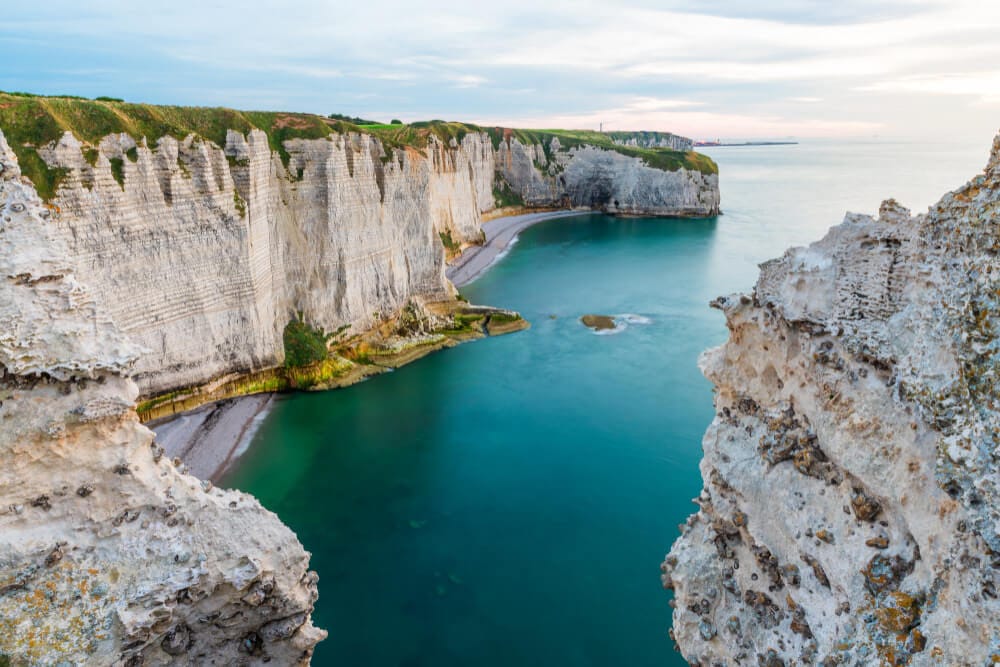
Normandy offers a completely different atmosphere from southern France. The coastline is rugged, the countryside green, and the region feels more open and reflective. This is a destination for travelers interested in history, quieter towns, and dramatic seascapes.
Mont-Saint-Michel is one of France’s most recognizable landmarks, but timing determines the experience. Visiting in the late afternoon allows you to explore as crowds thin out. As day-trippers leave, the narrow streets become quieter, and the island feels more cohesive. Watching the tides shift around the causeway adds an extra dimension to the visit.
The D-Day landing beaches are powerful precisely because they are understated. Standing on Omaha or Utah Beach, with the ocean stretching out ahead, gives context that museums alone cannot provide. Pairing beach visits with memorials and cemeteries helps frame the historical significance without overwhelming the day.
Honfleur offers a softer side of Normandy. Its harbor, lined with tall, narrow houses, feels lived-in rather than staged. Seafood restaurants along the quay encourage long meals, especially in the evening. Renting a car is strongly recommended in Normandy, as public transportation between smaller sites is limited.
What to see and do:
- Mont-Saint-Michel: Walk across the tidal causeway, explore narrow medieval streets, and climb to the abbey for breathtaking views.
- D-Day Landing Beaches (Omaha Beach, Utah Beach): Visit iconic WWII sites, read memorial plaques, and reflect at museums and cemeteries.
- Bayeux Tapestry Museum: See the 70-meter tapestry depicting the Norman conquest, offering insight into 11th-century life.
- Honfleur: Enjoy pastel-colored harbors, charming art galleries, and seafood dining right on the quay.
Loire Valley – Castles, Gardens & Wine
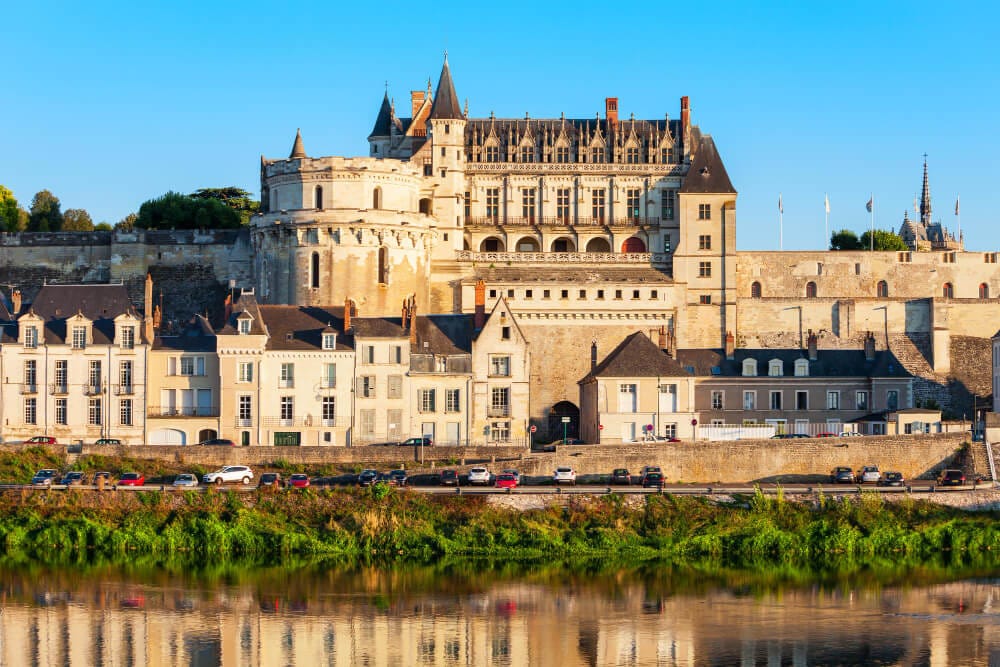
The Loire Valley is one of the easiest regions to include in a first trip, particularly from Paris. Trains connect Paris to towns like Tours and Blois in just over an hour, making this region accessible without major travel planning.
What makes the Loire Valley appealing is the combination of architecture and landscape. Castles are spread across farmland, rivers, and vineyards, creating space between sights rather than clustering everything into a single city.
Chambord impresses through scale and symmetry, while Chenonceau feels more intimate due to its position over the river. Villandry’s gardens highlight how landscaping plays a central role in French heritage. Rather than trying to visit as many castles as possible, choosing two or three allows time to explore grounds and surrounding towns without fatigue.
Cycling is common in this region, especially along rivers and between smaller villages. Wine tasting in areas like Vouvray or Chinon adds another layer, grounding the experience in regional traditions rather than purely sightseeing.
What to see:
- Château de Chambord: Marvel at Renaissance architecture and spiral staircases; explore vast grounds by bike.
- Château de Chenonceau: Walk over the river that flows through the château, admire floral gardens, and learn royal history.
- Château d’Amboise: Tour the royal apartments, see Leonardo da Vinci’s tomb, and enjoy panoramic views of the Loire River.
- Château de Villandry: Stroll through perfectly manicured gardens arranged in geometric patterns; learn about French horticulture.
Loire Valley – Essentials
- Ideal stay: 1–2 nights
- Highlights: Château de Chambord, Chenonceau
- Common mistake: Don’t try to visit all châteaux in one day — focus on 2–3
- Tip: Rent a bike for easy exploration between towns
The French Alps – Majestic Mountains & Lakes
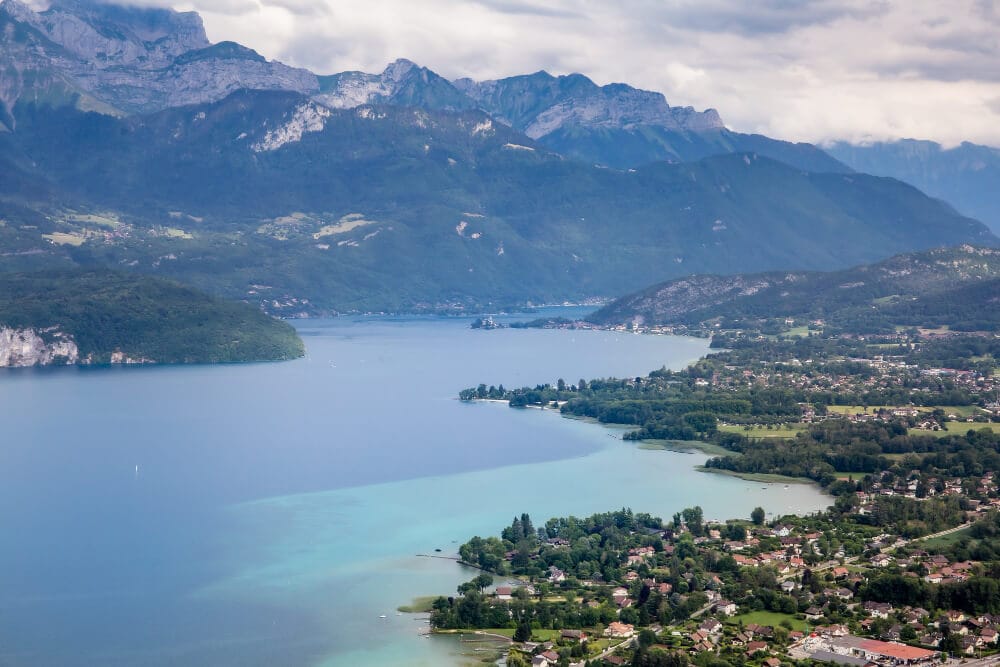
The French Alps introduce a natural counterbalance to France’s cities and coastal regions. While often associated with winter sports, the Alps offer strong appeal outside ski season.
Annecy is one of the most approachable alpine towns for first-time visitors. Its canals, lakefront paths, and compact center make it easy to explore on foot. Renting a small boat or simply sitting along the lake offers a slower way to experience the region.
Chamonix attracts travelers interested in higher-altitude scenery. The cable car to Aiguille du Midi brings you face-to-face with Mont Blanc, even if you have no interest in hiking. Weather conditions matter here, so flexibility in your schedule helps ensure clear views.
The Alps work well at the end of a trip, providing space and calm after time in cities. They also pair well with Provence or the Riviera for longer itineraries.
What to see and do:
- Chamonix: Take the Aiguille du Midi cable car for close-up views of Mont Blanc; enjoy alpine trails and mountaineering activities.
- Annecy: Walk along crystal-clear canals, visit colorful streets and markets, and rent a boat on Lake Annecy.
- Grenoble: Explore cable cars to panoramic viewpoints, museums, and alpine city culture.
- Megève: Experience a luxury ski town with boutique shopping, winter skiing, and cozy mountain dining.
France Travel Budget Snapshot (USD)
| Category | Approx Range |
|---|---|
| Accommodation | $90–$250/night |
| Food & drink | $40–$90/day |
| Transport (intercity) | $50–$150 |
| Passes/Attractions | $30–$80/day |
France Travel Practical Tips
- Eat like a local: Lunch is usually earlier; dinner later (often 7:30pm+)
- Etiquette: “Bonjour” goes a long way in shops and cafés
- Transport: Train tickets often cheaper when booked early
- Money: Carry small cash for markets/tips
- Safety: Watch for pickpockets in busy transport hubs
How to Get Around France
France’s transportation system supports independent travel. High-speed trains connect major cities efficiently, while regional trains reach smaller towns. Buses and metros work well within cities, and car rentals are best reserved for rural regions like Provence, Normandy, and parts of the Loire Valley.
Rather than committing to one mode of transport, mixing trains and car rentals based on region keeps travel efficient and flexible.
Final Thoughts
France rewards travelers who focus on quality rather than quantity. For a first trip, selecting two or three regions allows time to adjust to local rhythms, understand regional differences, and avoid burnout.
Provence offers space and calm, the French Riviera brings coastal energy, Normandy adds historical depth, the Loire Valley introduces everyday France, and the Alps reconnect you with nature. Together, these regions form a strong foundation for your first journey through France — one that feels complete without feeling rushed, and leaves room for future returns.