Paris rewards travelers who slow down. It’s a city where the most meaningful moments rarely happen while rushing between landmarks, but instead while sitting at a café, crossing a quiet bridge, or wandering a street you hadn’t planned to find. While Paris is famous for its global icons, the city’s true character reveals itself in everyday details: neighborhood rhythms, hidden courtyards, and local routines that haven’t changed much in decades.
Whether this is your first visit or a return trip, balancing well-known sights with lesser-known corners will give you a deeper, more satisfying experience. This guide focuses on both sides of Paris—its essential landmarks and the places Parisians actually enjoy—so you can see the city with context, not just a checklist.
Iconic Paris Landmarks Worth Your Time
Some sights in Paris are unavoidable, and for good reason. These landmarks are woven into the city’s identity and help you understand its scale, history, and design. The key is how and when you experience them.
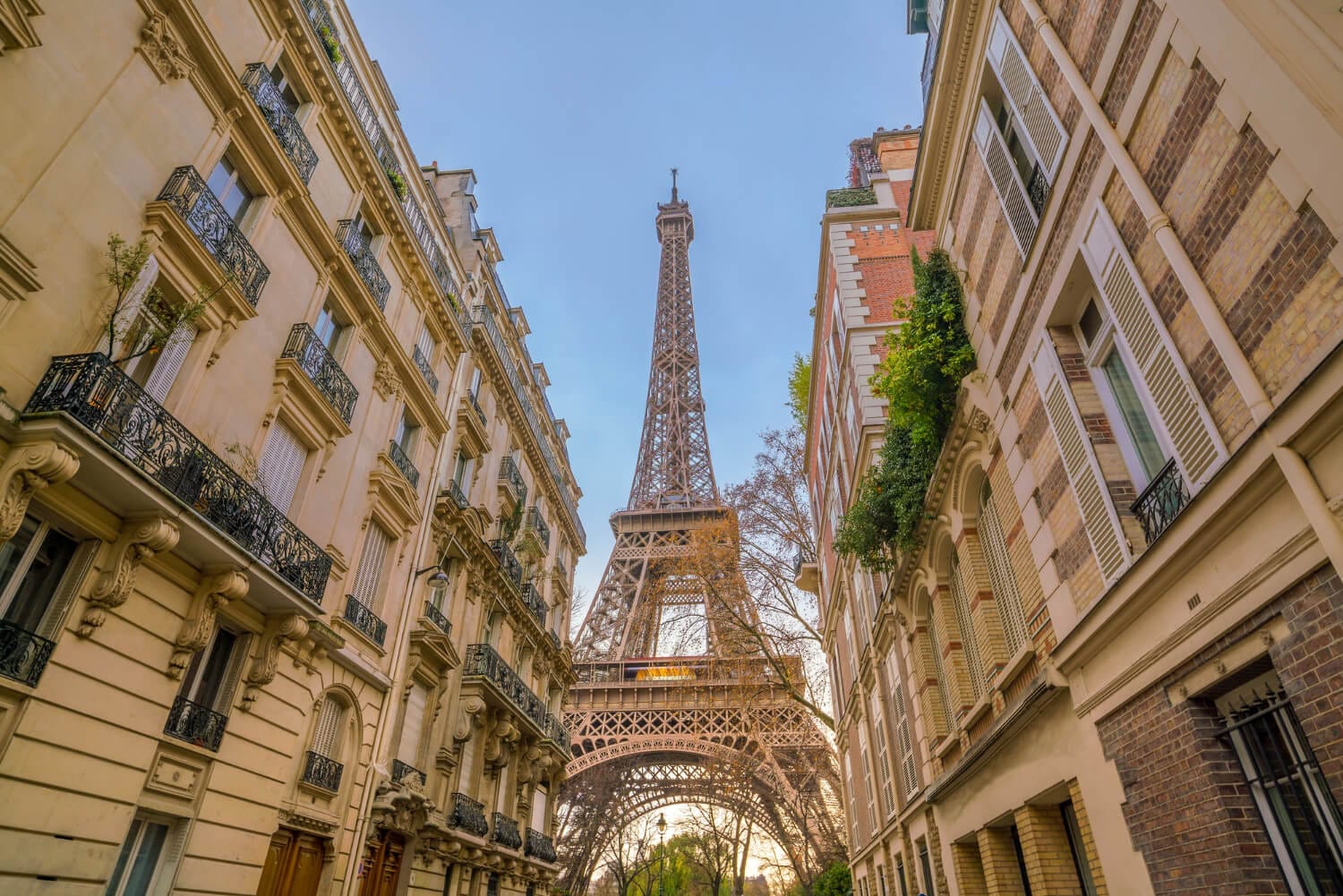
The Eiffel Tower is best appreciated more than once. Seeing it up close is essential, but some of the most memorable views come from farther away—across the Seine or from a quiet street where it suddenly appears between buildings. Visiting early in the morning gives you space to enjoy it without constant movement around you. Sunset brings a different mood, with warmer light and the city transitioning into evening.
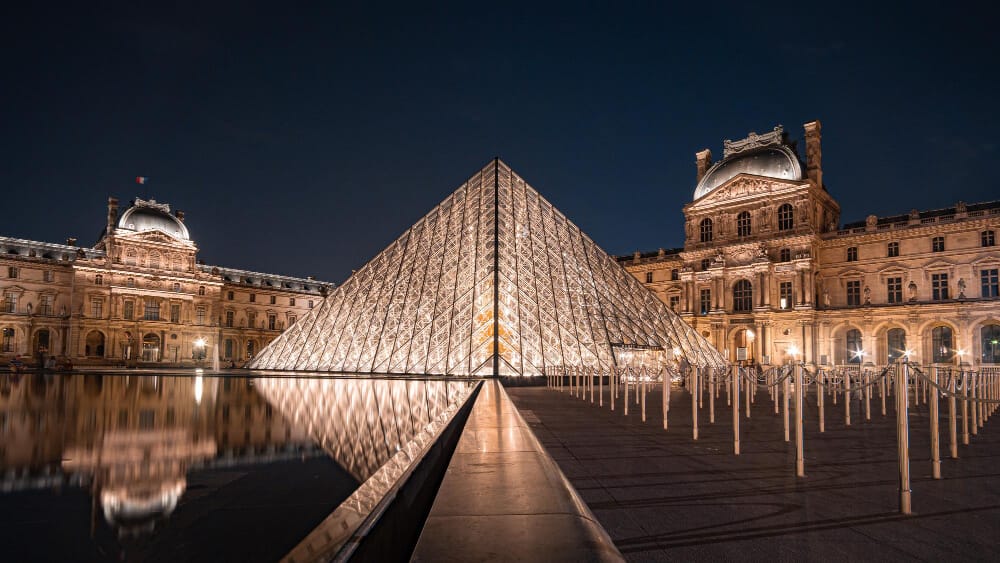
The Louvre can feel overwhelming if approached without a plan. Instead of trying to see everything, choose one or two wings that genuinely interest you. Walking through the museum with intention turns it from a stressful obligation into a meaningful experience. Even if you don’t go inside, the courtyard alone is worth time, especially early or late in the day.
Notre-Dame remains one of Paris’s emotional centers. Even during restoration, the area around it carries a quiet gravity. Standing on the square and walking along the river nearby offers perspective on how long this city has existed and evolved.
Sacré-Cœur and Montmartre are often crowded, but timing matters. Early mornings transform the area. The streets are calm, artists are just setting up, and the views feel personal rather than performative.
Personal tip: I like visiting major landmarks twice—once briefly to “see” them, and once later just to sit nearby and observe. The second visit always feels more meaningful.
Once you’ve explored the city itself, consider extending your stay with some of the best day trips from Paris, which reveal a completely different side of France.
Neighborhoods That Show Real Paris
Paris is not one city; it’s a collection of villages stitched together. Spending time in different neighborhoods reveals how varied daily life can be from one arrondissement to the next.
Le Marais blends history with modern Paris. Narrow streets open into elegant courtyards, and historic buildings now house galleries and small boutiques. Place des Vosges is ideal for a pause—locals read, families picnic, and the city feels unforced. Le Marais works well for slow afternoons and evening walks.
Saint-Germain-des-Prés carries a literary legacy that still influences its atmosphere. Cafés here encourage lingering rather than rushing. Even today, it’s a good place to slow down with a coffee and simply watch how the city moves around you.
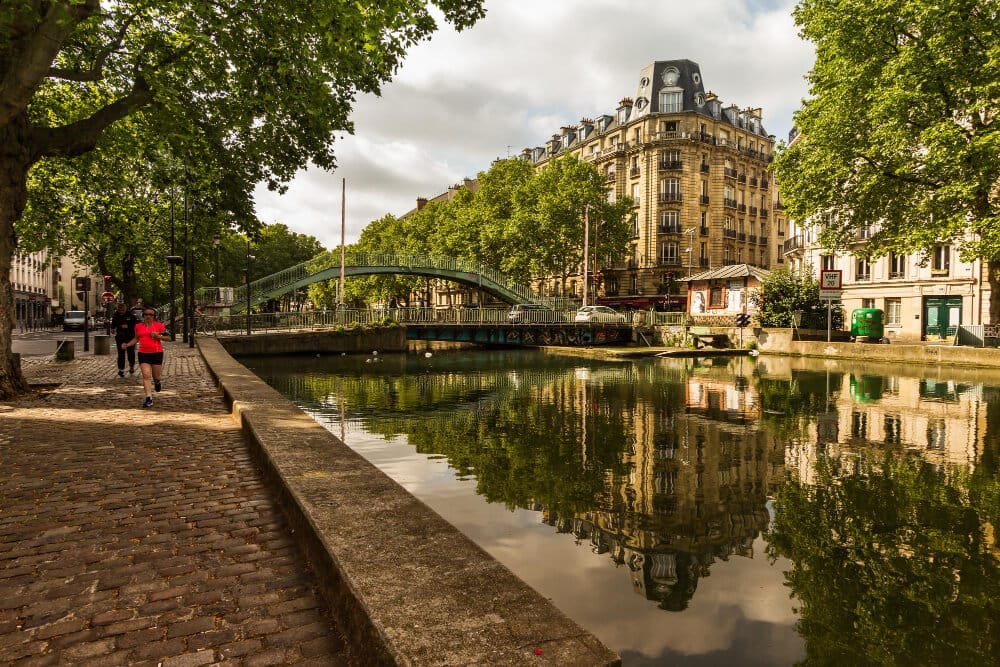
Canal Saint-Martin feels more residential. Locals gather along the water with takeaway drinks, especially in the late afternoon. It’s less polished than central Paris, but that’s the appeal. The canal area gives you a sense of how younger Parisians socialize.
Montparnasse doesn’t always make standard itineraries, but it offers a grounded view of Parisian life. Traditional brasseries, small theaters, and wide streets give it a different energy than tourist-heavy zones. The view from the Montparnasse Tower is one of the clearest in the city, partly because it doesn’t include the tower itself.
Personal tip: I usually choose one neighborhood per day and stay there longer than planned. Paris makes more sense when you stop moving constantly.
Quiet Corners and Lesser-Known Paris
Some of Paris’s most memorable places don’t appear on typical sightseeing lists. These spots add contrast to the grand scale of monuments and show how layered the city really is.
Rue Crémieux is famous for its colorful houses, but it’s also a residential street. Visiting early in the morning respects the people who live there and gives you better light for photos. The calm atmosphere makes a noticeable difference.
The covered passages, like Passage des Panoramas, reveal a different era of Paris. These arcades feel intimate and slightly removed from modern time. Small shops sell postcards, books, and curiosities, and cafés invite you to sit rather than rush through.
Promenade Plantée stretches quietly above street level, offering greenery and long views without the crowds of larger parks. Walking here feels restorative, especially after busy sightseeing days.
Marché des Enfants Rouges is as much about daily life as food. Locals stop by for lunch, shop for produce, and chat with vendors. Eating here feels casual and grounded, not staged for visitors.
Parc des Buttes-Chaumont is where Parisians escape when they want space. The park’s uneven terrain, viewpoints, and bridges make it feel more natural than formal gardens. It’s an excellent place to spend an unstructured afternoon.
Paris is a city that rewards slow observation — pastel streets like Rue Crémieux, quiet passages, and unexpected corners feel especially meaningful when you can capture them instantly. I always carry a small instant camera with me in Paris; having a physical photo in hand makes these moments feel more real than anything saved on a phone.
Personal tip: Whenever Paris starts to feel crowded, I look for elevation—parks, bridges, or quiet walkways above street level. It always resets my energy.
Eating and Drinking Like a Local
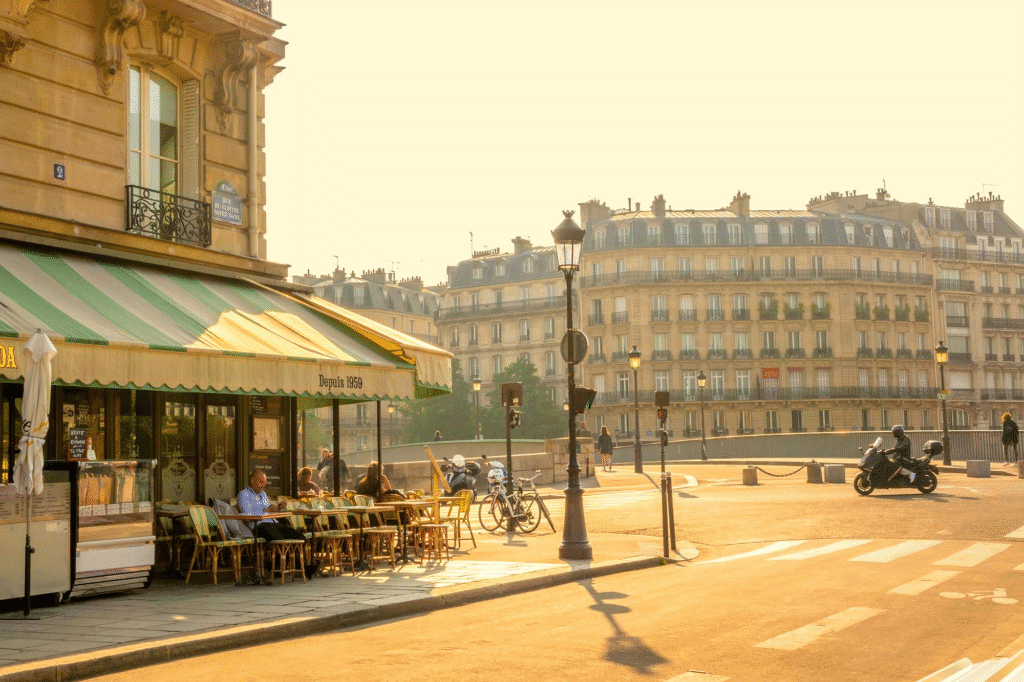
Food in Paris isn’t about chasing famous restaurants. It’s about rhythm—how people eat, when they eat, and where they linger.
Morning starts at the bakery. A simple croissant and coffee taken standing at the counter is a common routine. Neighborhood bakeries often outperform well-known spots simply because locals go there daily.
Lunch is usually relaxed but structured. Many restaurants offer fixed menus that provide good value and show seasonal cooking. Even simple bistros take pride in consistency rather than novelty.
Dinner tends to start later than in the U.S. Meals unfold slowly, and service won’t rush you. Wine is treated as part of the meal, not an event of its own.
Street food plays a quiet but important role. Crêpes, falafel, and small takeaway sandwiches fit naturally into walking days. They aren’t rushed meals—they’re pauses.
Personal tip: If a restaurant menu is short and handwritten, it’s usually a good sign. Paris doesn’t rely on oversized menus.
Practical Advice That Improves Your Trip
Paris’s metro system is one of the most efficient in Europe. Trains are frequent, stations are close together, and walking between neighborhoods often makes sense. A multi-day transport pass can simplify daily movement.
Crowds follow predictable patterns. Early mornings and late afternoons are consistently calmer. Museums are often quieter midweek, while Sundays attract locals.
A few French words go a long way. Saying “bonjour” when entering a shop isn’t optional—it’s expected. Politeness shapes interactions more than language fluency.
Weather changes quickly. Comfortable shoes matter more than style, especially on cobblestone streets. Layers are useful year-round.
Final Thoughts
Paris is not a city to conquer—it’s a city to absorb. The most meaningful experiences come from balance: landmarks paired with wandering, meals paired with walks, planning paired with spontaneity.
Choose depth over volume. Spend longer in fewer places. Let neighborhoods guide your days rather than rigid schedules. Paris reveals itself gradually, and when you allow that, the city becomes far more than its famous skyline.
Personal tip: Some of my favorite Paris memories come from moments that weren’t planned at all—a bench by the river, a quiet café, a street I almost skipped. Leave space for those moments.