
Traveling to Europe from the United States in 2025 is easier than ever—but it is not identical to traveling within the U.S. The continent is safe, well organized, and visitor-friendly, yet it operates on different assumptions about borders, personal responsibility, public behavior, and risk. Most problems Americans encounter are not dangerous; they are avoidable misunderstandings, logistical oversights, or moments of inattention in crowded places.
This guide is not about fear. It is about prepared confidence. Knowing how Europe works—from border controls to street etiquette—allows you to move through cities calmly, blend in naturally, and enjoy your trip without unnecessary stress. Safety in Europe is less about constant vigilance and more about awareness, planning, and respecting local norms.
If this is your first trip to Europe, reviewing essential Europe travel tips for first-time visitors will help you avoid common mistakes and plan your journey with confidence.
Understanding Entry Rules and Border Changes in 2025
Europe’s border procedures are evolving, and this is one of the biggest differences Americans will notice when arriving.
Starting in October 2025, the EU is rolling out the Entry/Exit System (EES) for travelers entering the Schengen Area. On your first entry, you will be required to provide biometric data, including a facial scan and fingerprints. This process replaces passport stamps and tracks entries digitally.
What this means in practice:
- Border control may take longer, especially at major airports
- Your passport must be valid for at least 3 months beyond your departure date
- You may be asked questions about accommodation, onward travel, or length of stay
This system does not make travel harder—but it does reward preparation.
Tip: Keep hotel confirmations, return tickets, and travel insurance details accessible (digital and printed). Border officers rarely ask—but when they do, quick answers matter.
Also remember the 90/180 rule: Americans can stay in the Schengen Area for up to 90 days within any 180-day period. Overstaying, even by accident, can cause issues on future trips.
Personal Safety: Europe Is Safe, but Awareness Matters
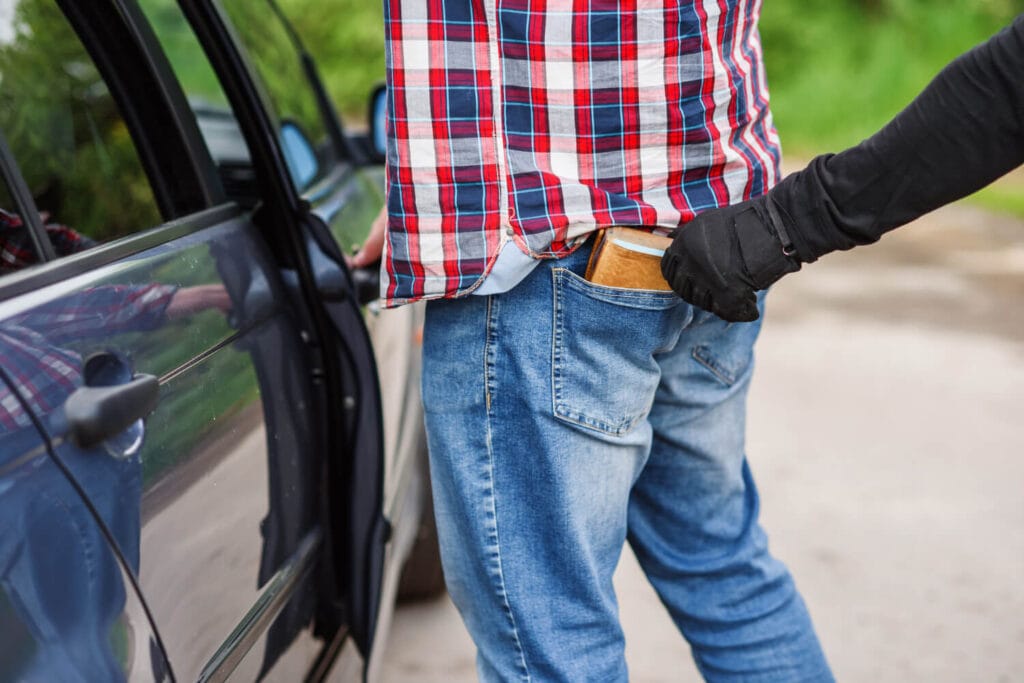
Violent crime against tourists in Europe is rare. The most common issues travelers face are pickpocketing, petty theft, and distraction scams, especially in large cities.
High-risk locations include:
- Metro cars during rush hour
- Major attractions (Eiffel Tower area, Colosseum surroundings, La Rambla)
- Crowded festivals, markets, and train stations
Pickpockets rely on distraction, not force. Common tactics include:
- Someone bumping into you while another person reaches into your bag
- “Helpful” strangers pointing out a stain or asking for directions
- Bracelets, petitions, or street games designed to get you to stop
The solution is not paranoia—it is positioning.
When traveling through Europe, your phone is one of your most important safety tools — used for navigation, emergency contacts, digital tickets, and ride-hailing apps. In unfamiliar cities, especially when moving between train stations, airports, or late-evening accommodations, a dead battery can quickly turn into a stressful situation. Many seasoned travelers recommend carrying a compact power bank for emergency phone charging to ensure you remain connected at all times.
Tip: Keep valuables zipped, in front-facing bags, or inside interior pockets. Phones in back pockets are the most common target.
Avoid wearing flashy jewelry, displaying large amounts of cash, or loudly discussing travel plans in crowded areas. Blending in is one of the most effective safety strategies.
Money Safety: Cards, Cash, and ATMs
Europe is largely cashless in 2025, but not entirely. Americans often assume cards work everywhere—and then find themselves stuck at a café, market stall, or public restroom that only accepts cash.
Best practice:
- Carry €20–€40 in small bills and coins
- Use chip-and-PIN credit or debit cards
- Avoid currency exchange booths with high fees
ATMs inside banks or well-lit areas are the safest option. Notify your bank before traveling to prevent card blocks, and enable transaction alerts so you can monitor activity in real time.
Tip: Credit cards are safer than debit cards for purchases. Use debit cards primarily for ATM withdrawals.
Never hand your card to a waiter who disappears with it. In Europe, card machines are brought to the table.
Scams You Should Actually Know About (Not Fear)
Most scams in Europe are not dangerous—they are annoying and designed to pressure tourists into quick decisions.
Common examples:
- Bracelet or rose sellers who demand payment afterward
- “Found ring” or “lost item” tricks
- Fake petitions or donation requests
- Unofficial taxi drivers at airports
The rule is simple: if you didn’t ask for it, you don’t need it.
A firm “no, thank you” and walking away is enough. Engaging politely but briefly keeps situations from escalating.
Tip: If a situation feels uncomfortable, trust that instinct and remove yourself calmly. You do not owe strangers explanations.
Local Laws, Norms, and Behavior Matter More Than You Think
Europe is culturally diverse, but one expectation is nearly universal: respect for public order.
Things Americans sometimes underestimate:
- Jaywalking fines in Germany and Switzerland
- Noise complaints in residential neighborhoods
- Alcohol restrictions in public spaces
- Dress codes for churches and historic sites
Always carry some form of ID. In many European countries, police can legally request identification, and not having it can result in a fine.
Learning a few basic phrases—hello, thank you, excuse me—goes a long way. Even minimal effort is often met with patience and kindness.
Health, Emergencies, and Medical Care
Europe has excellent healthcare systems, and emergency care is widely accessible.
The universal emergency number across Europe is 112. Save it in your phone.
If you need medical help:
- Pharmacies (“farmacia,” “apotheke,” “pharmacie”) can handle minor issues
- Emergency rooms are efficient but may involve waiting
- Travel insurance simplifies everything
Tip: Always carry medications in original packaging and bring copies of prescriptions.
Travel insurance is not optional—it covers medical treatment, trip disruptions, theft, and unexpected delays. Even a minor issue can become expensive without it.
Transport Safety: Trains, Metro, and Taxis
Public transport in Europe is safe, efficient, and widely used by locals. Still, basic precautions apply.
On trains:
- Keep bags within sight
- Avoid leaving items unattended on overhead racks
- Be alert during boarding and disembarking
For taxis:
- Use official taxi ranks or reputable ride-hailing apps
- Avoid unlicensed drivers offering rides inside terminals
- Confirm meters are running when required
Choose accommodations near well-lit streets and transport hubs rather than isolated areas. Convenience improves both safety and enjoyment.
Staying Informed: Protests, Weather, and Local Disruptions
Europe is politically active. Peaceful demonstrations are common and usually harmless—but they can disrupt transport and access.
Stay informed by:
- Checking local news or city transport websites
- Monitoring weather apps for heat waves or storms
- Following official tourism or city alerts if available
Extreme heat, especially in Southern Europe, is now a major safety concern during summer. Hydration, sunscreen, and midday rest are not optional.
Tip: Adjust sightseeing hours in hot regions—early mornings and evenings are safer and more enjoyable.
The “Prepared Traveler” Toolkit
Instead of overpacking, think in terms of readiness.
A solid daily setup includes:
- Passport (or copy) and emergency contacts
- Phone with offline maps
- Small amount of cash
- Secure bag or anti-theft backpack
- Power bank
- Water bottle
- Travel insurance details
These small items reduce risk far more effectively than rigid rules.
Conclusion: Confidence Comes from Understanding, Not Fear
Europe remains one of the safest and most rewarding regions in the world for American travelers. The difference between a stressful trip and a smooth one is rarely luck—it is preparation.
By understanding entry rules, respecting local norms, securing valuables sensibly, and staying informed, you move through Europe with confidence rather than caution. Safety is not about limiting your experience; it is what allows you to fully enjoy it.
Travel thoughtfully. Stay aware, not anxious. Europe meets prepared travelers with openness, beauty, and unforgettable experiences.