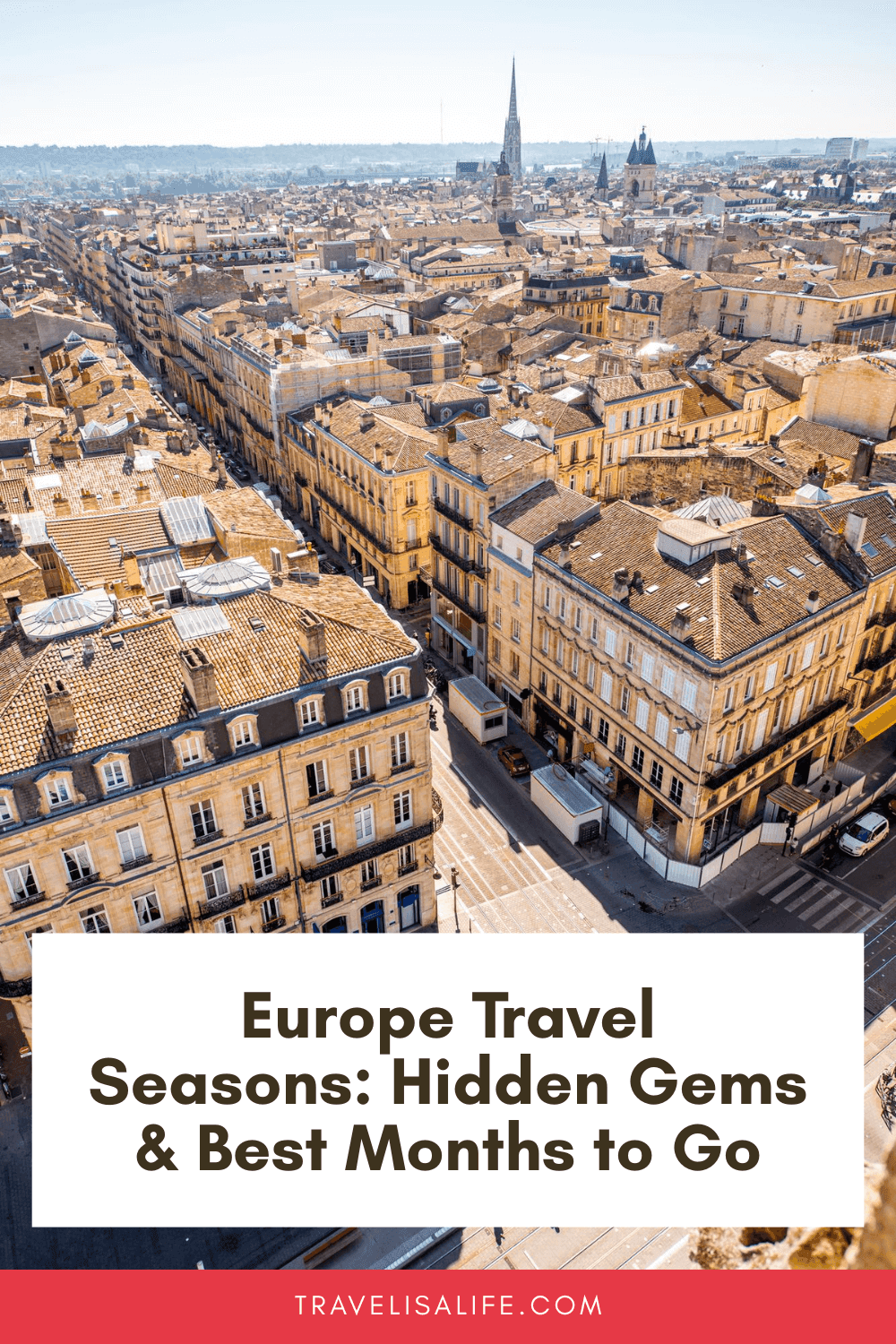
Choosing the best time to visit Europe is less about finding a single “perfect” month and more about matching the season to your travel style, budget, and tolerance for crowds. Europe changes dramatically throughout the year. A trip in April feels completely different from one in August, and a December visit can be magical—or challenging—depending on your expectations.
This guide breaks down Europe by season, explaining weather patterns, crowd levels, costs, and noteworthy destinations for each period. It is written for travelers who want realistic planning advice, not generic inspiration, so you can select a time that aligns with how you like to travel.
Spring in Europe (March–May): Balance, Beauty, and Fewer Crowds
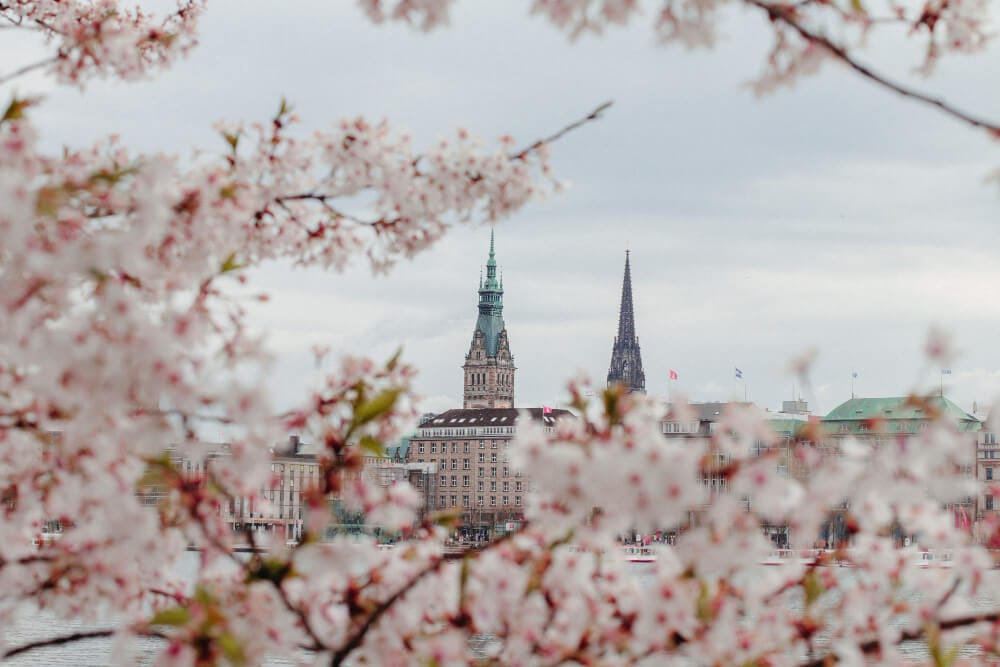
Spring is one of the most consistently rewarding times to visit Europe. Temperatures are mild, cities feel lively without being overwhelmed, and nature returns to life after winter.
From late March onward, daylight increases rapidly. By April, most cities are fully operational, museums have extended hours, and cafés return to outdoor seating. Major capitals like Paris, Rome, Vienna, and Amsterdam are comfortable for long walking days without the stress of summer heat.
Prices in spring remain reasonable. Mid-range hotels in Western Europe typically range from €120–180 per night, while Eastern and Central Europe often stay closer to €80–120. Flights from the U.S. are noticeably cheaper than summer, with round-trip fares commonly between $550–800, depending on departure city.
Spring is ideal for cultural travelers. Easter markets in Austria and Germany offer a quieter alternative to Christmas markets, while cities like Prague and Budapest feel authentic and local before peak tourism arrives. In the Netherlands, tulip season usually peaks from mid-April to early May, with Keukenhof Gardens tickets costing around €20–22 in 2025.
Notable destinations in spring for fewer crowds include Asturias and Galicia in northern Spain, offering green landscapes, coastal villages, and mild weather while avoiding the tourist-packed streets of Italy and France.
Tip: Late April to mid-May provides the best combination of weather, lower prices, and manageable crowds across most of Europe.
Summer in Europe (June–August): Festivals, Energy, and High Demand
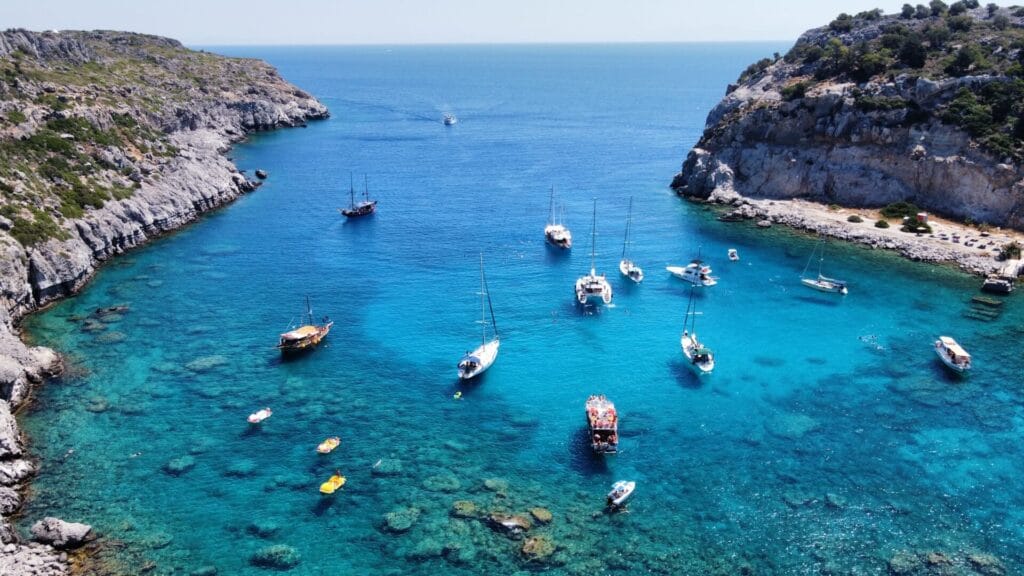
Summer is Europe’s most popular—and divisive—season. Long daylight hours, outdoor dining, and festival culture create an incredible atmosphere, but this comes with higher prices and heavy crowds in major destinations.
June is often the sweet spot in summer. Temperatures are warm but comfortable in Northern and Central Europe. By July and August, southern destinations like Italy, Spain, and Greece frequently exceed 30–35°C (86–95°F), which can make sightseeing exhausting during midday.
Costs peak sharply in summer. Hotels in Paris, Rome, and Barcelona commonly exceed €220–300 per night, while smaller cities also raise prices due to high demand. Flights from the U.S. frequently climb above $900–1,200 round trip. Rental cars also become more expensive, especially in scenic regions such as Norway or the Alps.
Summer is unmatched for certain experiences. Scandinavia shines during this season with comfortable temperatures, accessible fjords, and phenomena like the midnight sun. In Norway, ferries through fjords typically cost €35–60, and scenic train journeys, such as the Flåm Railway, are about €65–75 one way.
For travelers who want vibrant yet less crowded spots, consider the Baltics—Estonia, Latvia, and Lithuania. These countries offer long daylight hours, charming old towns, beaches, and significantly lower prices than Western Europe during summer.
Tip: If traveling in July or August, focus on one region rather than trying to cover multiple countries. This reduces stress from heat, traffic, and crowds while allowing more time to enjoy local culture.
Autumn in Europe (September–November): Color, Flavor, and Calmer Streets
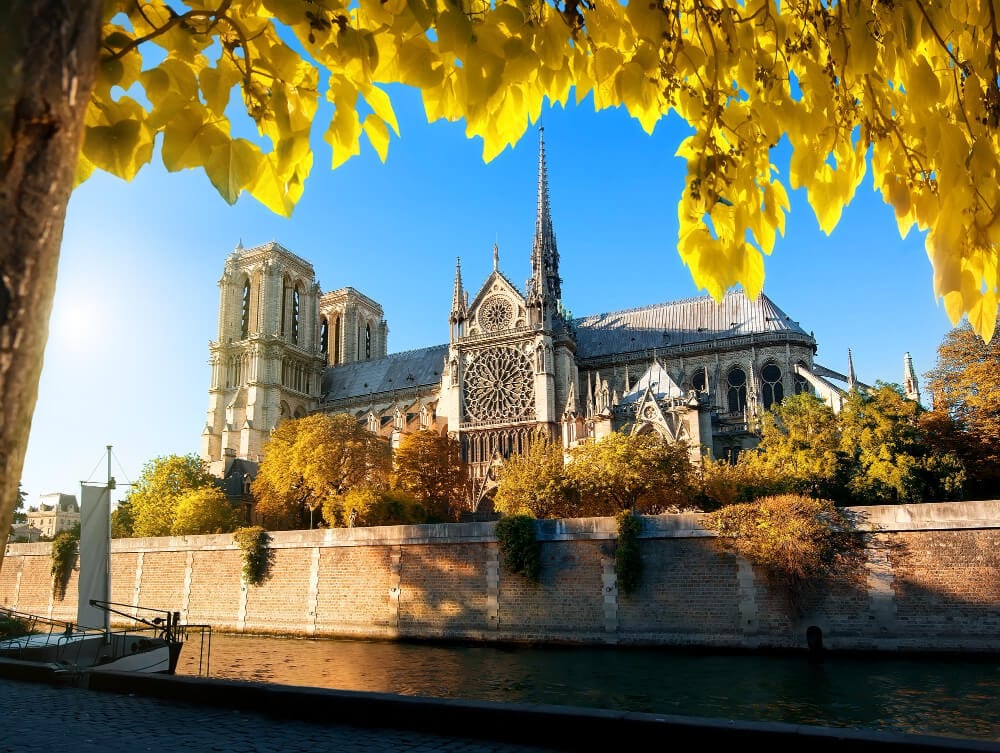
Autumn is often the preferred season of experienced travelers. The heat fades, tourist numbers thin, and Europe transitions into a slower, more local rhythm. September is particularly enjoyable, often feeling like a continuation of summer without the crowds.
Wine regions come alive during harvest season. Tuscany, Alsace, Rioja, and the Wachau Valley host festivals, tastings, and vineyard tours. Many wineries offer tastings for €10–25, sometimes waived with a bottle purchase. Restaurants focus on seasonal menus featuring mushrooms, game, and fresh produce.
Prices drop noticeably after mid-September. Hotels that cost €250 in August may fall to €150–180 by October. Flights from the U.S. often return to the $600–850 range. Museums and attractions remain fully open through October in most countries.
Weather varies by region. Southern Europe stays warm into October, while Northern Europe cools quickly by November. Cities like Rome, Florence, and Seville are far more pleasant for walking in autumn than in the peak summer months.
For travelers seeking authentic experiences without the tourist crush, destinations such as Slovenia, particularly Lake Bled and the Julian Alps, provide dramatic scenery, quaint towns, and cultural immersion at a fraction of the cost and congestion found in Austria or Italy.
Tip: September–October is ideal for combining city sightseeing with countryside drives. Roads are quieter, and vineyards and forests are at their most photogenic.
Winter in Europe (December–February): Festive Charm or Budget Travel
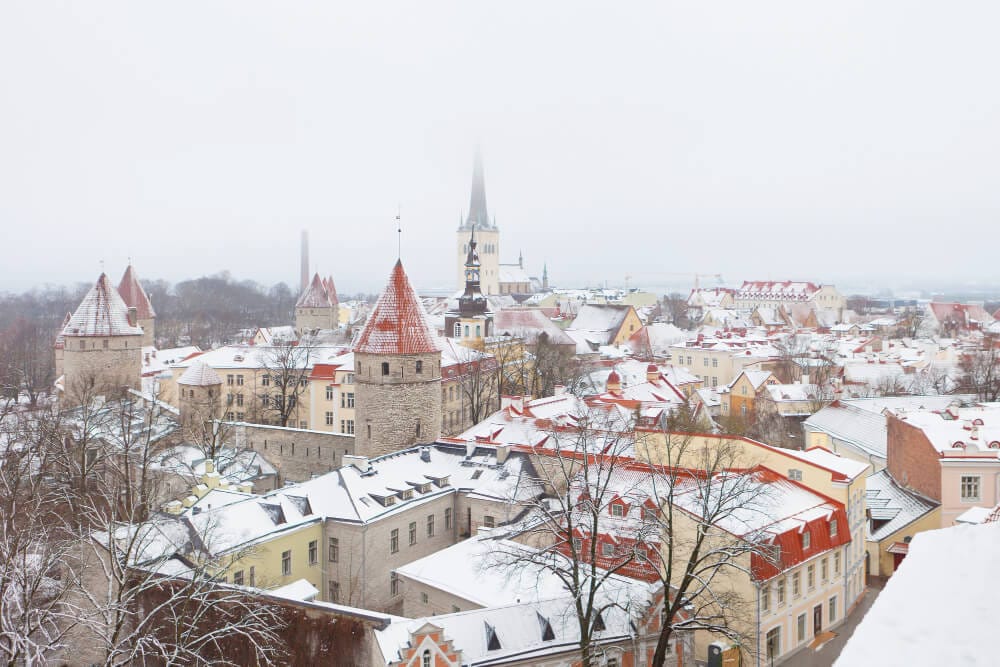
Winter in Europe depends heavily on travel goals. For festive trips, December is unmatched. For budget travelers, January and February provide the lowest prices of the year.
Christmas markets dominate from late November through December, especially in Germany, Austria, France, and the Czech Republic. Mulled wine typically costs €4–6, while street foods range from €6–12. Hotels increase in price during the holiday season but remain cheaper than summer highs.
After the holidays, January and February become Europe’s low season. Flights from the U.S. can fall below $500 round trip, and hotels in major cities often drop under €100–130 per night. Museums, restaurants, and public transport operate normally, though daylight hours are short, especially in Northern Europe.
Winter is also prime for aurora-chasing in Iceland and northern Norway. Guided Northern Lights tours generally cost €90–150, depending on the duration and inclusions. Alpine ski resorts command premium prices during peak weeks.
Travelers seeking mild winter weather can focus on Southern Italy—Naples, Puglia, and Sicily, which offer authentic local life, less tourist congestion, and average daytime temperatures around 12–16°C (54–61°F) in January.
Tip: If traveling for Christmas markets or skiing, book accommodations and transport well in advance. Winter travel in Europe can be magical but requires careful planning.
How to Choose the Best Time Based on Travel Style
- Sightseeing and walking: Spring and autumn offer the most comfortable weather and manageable crowds.
- Festivals, beaches, or long daylight: Summer delivers energy but requires higher budgets.
- Budget-focused travel: Winter provides the lowest prices outside peak holiday weeks.
First-time visitors often underestimate the impact of crowds. Visiting Rome or Paris in April versus August can feel like two completely different trips even if the landmarks are the same.
Final Thoughts: Align Timing With Your Expectations
The best time to visit Europe depends on what you want to feel during your trip—calm or energy, comfort or spectacle, value or peak excitement. Each season offers unique experiences, and understanding these differences transforms a good trip into a great one.
For most travelers, late spring (April–May) and early autumn (September–October) strike the optimal balance of weather, pricing, and atmosphere. But with thoughtful planning, Europe offers unforgettable experiences year-round.