Rome is a city that cannot be rushed. For first-time visitors, the Eternal City is best approached with patience and curiosity, allowing its layers of history, culture, and everyday life to reveal themselves naturally. Unlike a checklist-focused itinerary, a slow approach lets you feel Rome—the echo of ancient footsteps on cobblestones, the aroma of fresh espresso drifting through morning streets, and the sight of centuries-old piazzas coming alive with locals and travelers alike. This guide shows you how to balance iconic sights, authentic experiences, and leisurely exploration to create a trip that lingers in memory.
Why Rome Leaves Such a Lasting Impression
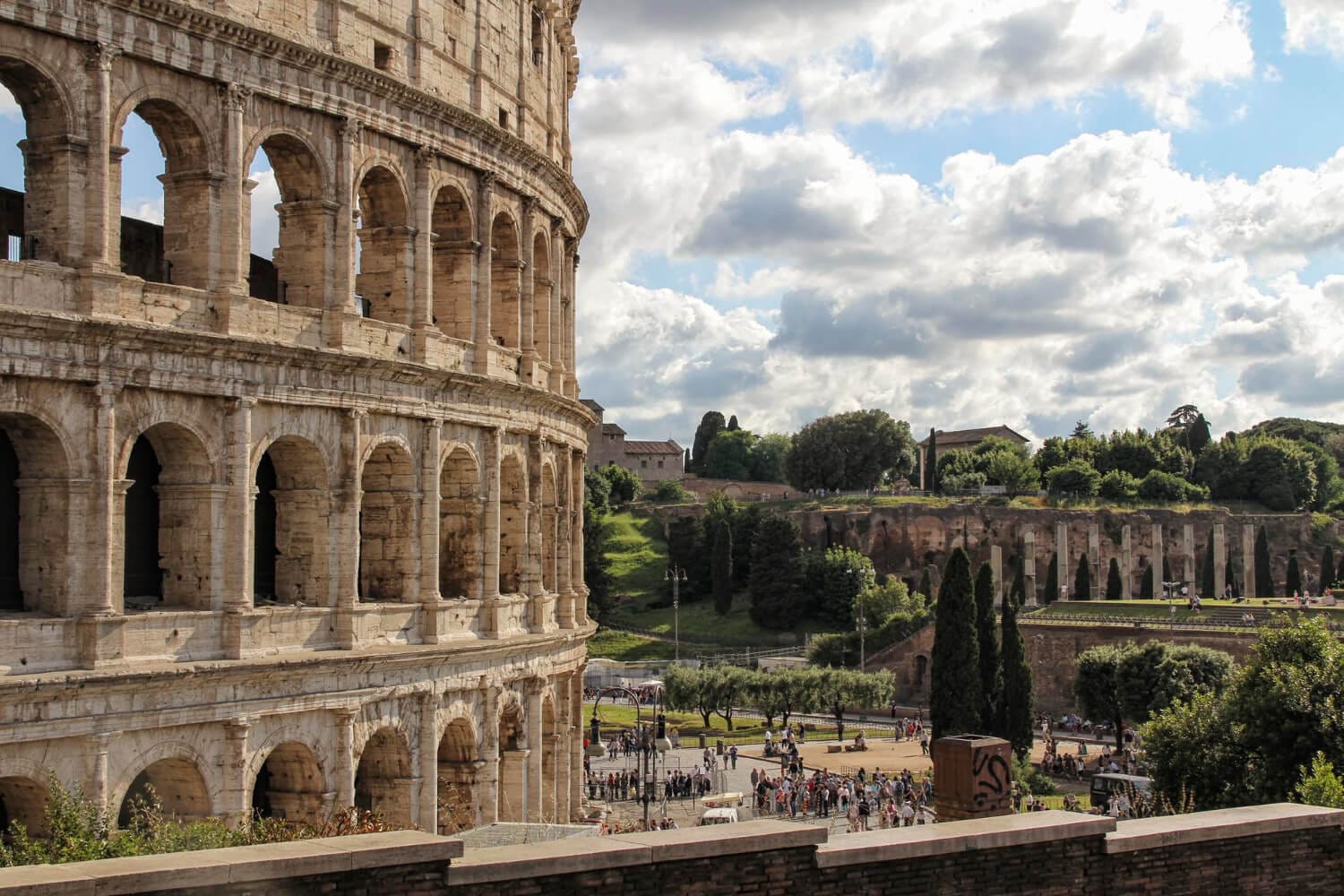
Rome’s charm comes from the seamless coexistence of past and present. Ancient ruins share streets with modern cafés, Baroque churches frame bustling piazzas, and daily life unfolds among monuments older than most countries. The Colosseum is not just a structure to photograph—it’s a testament to centuries of stories, war, and culture. The Pantheon, still in use as a church, merges the sacred and secular in ways that no guidebook can fully capture.
Walking through Rome is like reading a layered narrative. Each street hides a chapter, each fountain a subtext. For Americans visiting for the first time, this density can feel overwhelming—but when approached slowly, the city’s rhythm becomes a companion rather than a challenge.
The Essential Sights, Seen at the Right Pace
Rome is home to countless landmarks, but timing your visit transforms them from crowded, stressful experiences into moments of discovery.
The Colosseum, for example, is best visited first thing in the morning. Ticket prices for 2026 are approximately €19 for adults, with guided tours or combination tickets with the Roman Forum and Palatine Hill ranging from €35–€55. Early arrival avoids the crowds and captures the morning light across its ancient stones.
The Vatican Museums and Sistine Chapel are another highlight. Advance tickets cost around €30 per adult, with priority entry saving hours in line. Visiting early or late in the day allows for a reflective experience amid Renaissance masterpieces, rather than a rushed tour.
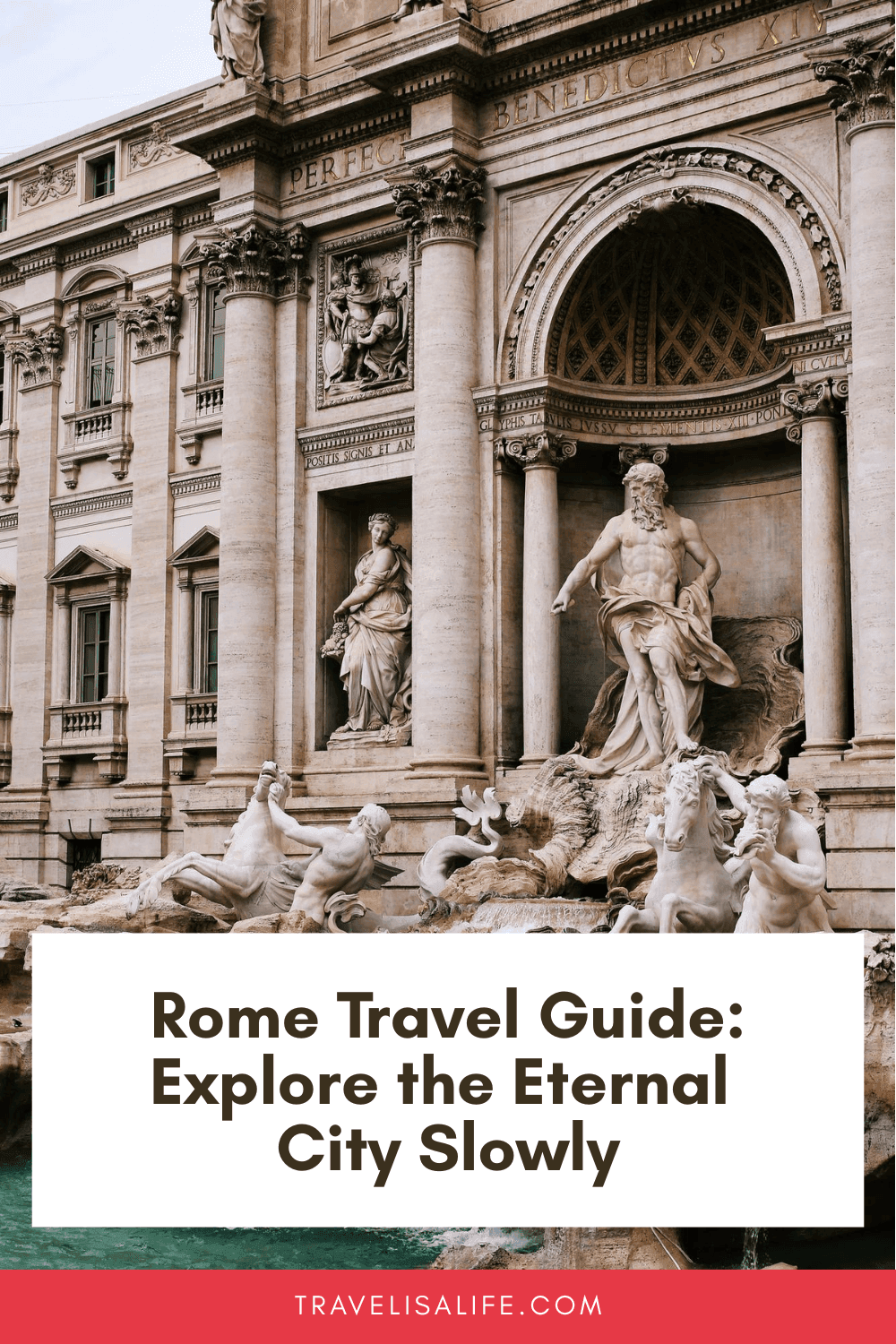
Piazzas and Fountains such as Piazza Navona, Campo de’ Fiori, and the Trevi Fountain reveal their magic at quieter times. Late afternoons or early evenings soften crowds and provide the perfect lighting for photography, with the marble and Baroque architecture glowing against the sky.
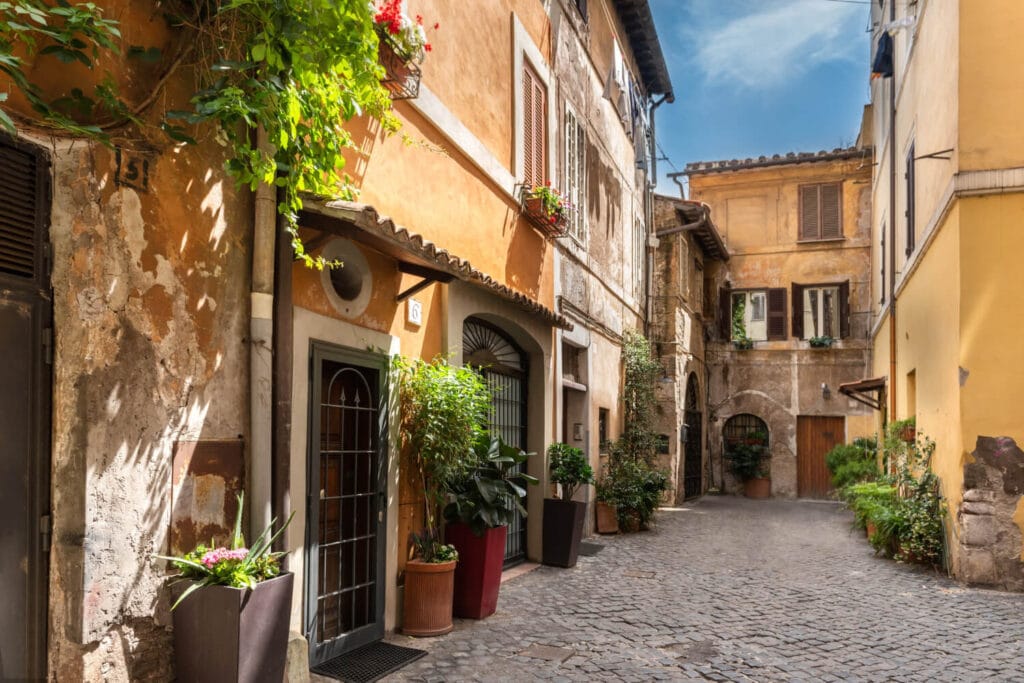
Tip: Step away from the main streets occasionally. Small alleys, local bakeries, and quiet courtyards often offer the most authentic Roman experiences.
How Long Rome Deserves
Many first-time visitors attempt to see everything in two or three days, but Rome rewards those who take time. Three days cover main highlights; four or five days allow a slow, immersive experience. The difference is subtle but significant—extra time transforms walking from a route into an exploration, meals from fuel into ritual, and encounters with history from checklist items into moments of connection.
Treat part of your day as unplanned. Some of Rome’s most memorable moments happen between destinations: a small artisan shop tucked behind the Pantheon, a street musician performing in a quiet square, or an unexpected gelateria offering seasonal flavors.
Choosing Where to Stay
Location shapes your Rome experience. Staying in the historic center (Centro Storico) places you within walking distance of many attractions, making early morning and evening walks intimate and magical.
Trastevere offers a more lived-in, neighborhood feel, with narrow streets, bustling trattorias, and vibrant nightlife. Prati, near the Vatican, is quieter and orderly, suitable for travelers who prioritize calm after full days of sightseeing.
Because Roman streets often curve unexpectedly, and public transport fills in gaps rather than replaces walking, staying central reduces stress and maximizes immersion.
Moving Through the City
Rome is best experienced on foot. Side streets twist and turn, piazzas appear unexpectedly, and small details—a tile mosaic, a centuries-old fountain, or a hidden statue—reward slow exploration. Public transport, including buses, trams, and metro lines, complements walking but does not replace the experience.
Tickets for buses and metro are €1.50 per ride (single ticket, valid 100 minutes), while daily passes cost around €7, providing flexibility for longer days.
Eating in Rome Is Part of the Journey
Food in Rome is woven into the daily rhythm. Breakfast is typically an espresso at the bar (€1–€2) with a pastry. Lunch might be a plate of pasta such as carbonara, cacio e pepe, or amatriciana (€10–€15 at casual trattorias). Dinner is more leisurely, often stretching two hours, with pizza, risotto, or roasted meats.
Street food is equally valuable: supplì (fried rice balls) or pizza al taglio (by the slice, €3–€5) lets you taste local flavors while moving through the city. Coffee and gelato are not just snacks—they are cultural rituals, best enjoyed while watching the city unfold.
Tip: Trust restaurants that look ordinary; Rome’s most authentic flavors are often hidden in modest trattorias, away from tourist crowds.
Mistakes That Disrupt the Experience
Many first-time visitors make the same errors: overloading itineraries, underestimating distances, or choosing convenience over quality in food and sightseeing. Respectful clothing is required for churches and religious sites, and many popular attractions are best visited with advance tickets. Attention to these details allows the city to feel welcoming rather than chaotic.
When Rome Feels at Its Best
Season matters. Spring and early autumn provide mild weather, vibrant colors, and manageable crowds. Summer is lively but can be exhausting, while winter is quiet, with festive markets and a contemplative atmosphere. Early mornings and late afternoons are ideal for photography and enjoying landmarks in a more personal way.
Day Trips from Rome
With extra time, Rome’s surroundings offer enriching experiences. Tivoli is home to Villa d’Este and Villa Adriana, UNESCO World Heritage sites known for fountains and Roman history (€13–€15 per site). Orvieto’s hilltop charm and cathedral architecture create a slower-paced exploration outside the city.
These trips are reachable by train or organized tours, allowing a break from the city without the stress of long drives.
Practical Tips for First-Time Visitors
- Book tickets for major attractions online in advance to avoid long lines.
- Bring comfortable walking shoes; cobblestones are charming but unforgiving.
- Layer clothing for seasonal changes; spring and autumn mornings can be chilly while afternoons are warm.
- Keep small amounts of cash for markets, cafés, or minor entrances where cards are not accepted.
- Download offline maps or use a GPS-enabled app for navigating narrow streets.
Conclusion
Rome cannot be conquered; it must be experienced. Its charm lies not in efficiency but in immersion. By planning essentials, pacing yourself, and leaving room for discovery, Rome becomes a city that reveals itself slowly. From iconic landmarks like the Colosseum and Vatican Museums to quiet piazzas, hidden alleys, and authentic meals, the Eternal City offers a wealth of memories for those willing to pay attention rather than check boxes.
Whether you stay three days or a week, prioritize depth over breadth, savoring espresso, gelato, and conversation as much as monuments. This approach turns a visit into an intimate, lasting relationship with Rome, creating stories you will carry long after leaving its storied streets.