Visiting Europe during the holiday season is like stepping into a real-life winter story. Twinkling lights, snow-dusted streets, and festive aromas create an atmosphere that feels both magical and timeless. For Americans, these experiences are especially memorable because European Christmas markets are deeply rooted in tradition rather than staged for tourists. However, winter travel abroad requires planning, from clothing to accommodations, ticketed events, and navigating foreign cities. This guide highlights the best Christmas markets in Europe for Americans, focusing on destinations that combine authentic charm, accessibility, and comfort, so first-time visitors can enjoy the season without stress.
Why European Christmas Markets Are Unique
Unlike theme parks, European Christmas markets are living cultural experiences. Historic city squares, town halls, and pedestrian streets transform into festive hubs. Wooden stalls sell handcrafted gifts, roasted nuts, mulled wine, and local delicacies, while carolers, musicians, and lights create an immersive sensory experience.
For Americans accustomed to commercialized holiday events at home, this authenticity can be surprising. Visitors are not just spectators—they participate in traditions that locals have practiced for centuries. From sipping spiced glühwein in Vienna to exploring snow-dusted timber-framed houses in Strasbourg, the atmosphere feels genuinely seasonal rather than artificially themed.
European markets often emphasize walkability, making them ideal for travelers who want to soak in the sights on foot. This compactness also minimizes stress during cold winter days, especially for those visiting for the first time.
Vienna, Austria: Elegant and Effortless
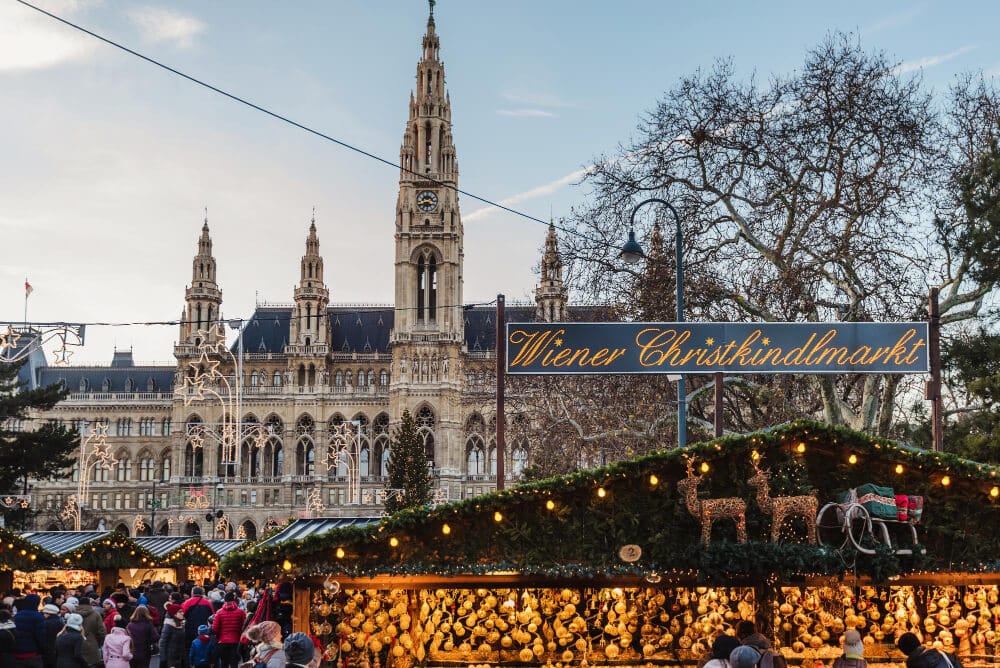
Vienna is often considered the pinnacle of refined Christmas markets. The Christkindlmarkt in front of the City Hall (Rathausplatz) features wide walking paths, classical music, and rows of artisanal stalls selling ornaments, local crafts, and festive foods.
For Americans, Vienna is approachable. English is widely spoken, public transport is efficient, and the city feels orderly even during peak holiday crowds. Entry to the Rathausplatz market is free, while a cup of traditional mulled wine (Glühwein) costs about €4–5 ($4–5 USD). If you want to add a special treat, roasted chestnuts or Käsekrainer sausages are usually around €3–4 ($3–4 USD) each.
Visitors can also attend concerts in historic venues. A ticket for a classical Christmas concert at Schönbrunn Palace starts at €35 ($33 USD). These events showcase Vienna’s musical heritage, making it easy for Americans to enjoy both holiday cheer and cultural enrichment.
Tip: Arrive early in the morning or late afternoon to avoid the largest crowds and capture the best photographs.
For Americans planning a visit to Vienna’s Christmas markets, it’s worth combining the festive experience with sightseeing in the city itself. From exploring historic palaces to enjoying local cafés, Vienna offers plenty beyond the holiday stalls. For a full guide to the city’s top attractions and how to navigate it as a first-time visitor, check out our Best Things To Do in Vienna for First-Time Visitors article, which highlights must-see sights, cultural experiences, and practical tips to make the most of your trip.
Strasbourg, France: Storybook Charm
Strasbourg bills itself as the “Capital of Christmas,” and it lives up to that title. The Christkindelsmärik, established in 1570, takes place across multiple squares, with timber-framed houses and narrow streets adding to the storybook charm. English signage is common, making navigation easier for American travelers.
Because Strasbourg sits near the German border, the market blends French and German traditions. Visitors can sample Alsatian specialties like bredele cookies (€3–5 per 100g, $3–5 USD) and tarte flambée (€8–10, $8–10 USD). A ride on the city’s festive carousel costs €2–3 ($2–3 USD), ideal for families or those who enjoy whimsical touches.
The city center is compact, allowing first-time visitors to experience multiple markets without changing accommodations. Museums and historic churches nearby often offer free or low-cost entry, enhancing the cultural experience beyond the festive stalls.
Munich, Germany: Classic and Central
Munich’s Christmas markets deliver what many Americans envision when imagining Europe in winter. Marienplatz, anchored by the Gothic New Town Hall, hosts the main market, featuring handmade crafts, seasonal foods, and lively music.
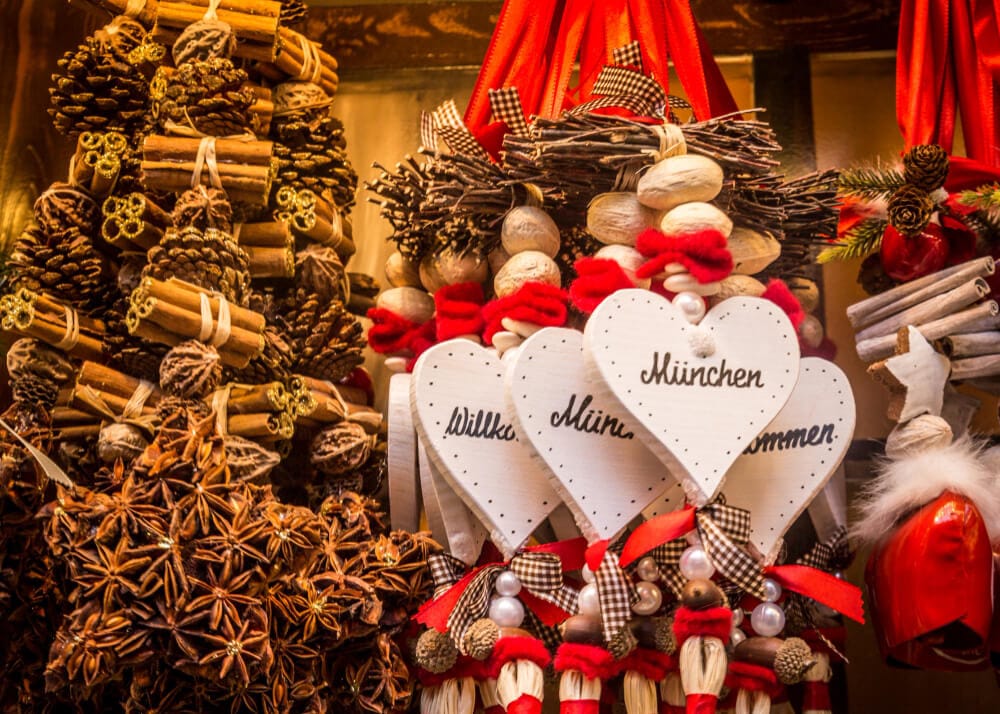
Glühwein costs around €3.50 ($3.50 USD), while a plate of bratwurst or roasted almonds ranges from €4–6 ($4–6 USD). For a small extra fee, visitors can sample the traditional Lebkuchen (gingerbread) hearts, €5–6 each, $5–6 USD).
Munich also works as a base for day trips to smaller Bavarian markets, including Nuremberg, Augsburg, and Rothenburg ob der Tauber, offering a diverse mix of scenery, food, and traditions within an hour or two by train. Train tickets typically range from €20–40 ($20–40 USD) per person depending on the route and time of booking.
Prague, Czech Republic: Affordable and Atmospheric
Prague is a dramatic, visually stunning destination where the Old Town Square becomes the centerpiece of holiday celebrations. Gothic architecture, cobblestone streets, and the city’s towering Christmas tree create a memorable backdrop.
For American visitors, Prague is also budget-friendly. A cup of mulled wine costs €2–3 ($2–3 USD), and traditional pastries like trdelník (rolled dough with sugar and nuts) are €3–4 ($3–4 USD). Mid-range hotels in the Old Town range from $90–150 per night, significantly lower than many Western European capitals.
Because the city is compact, visitors can see multiple markets in a single day, combining sightseeing with festive shopping. Guided walking tours cost around €15–25 ($15–25 USD) and offer insights into both holiday traditions and Czech culture.
Copenhagen, Denmark: Cozy and Modern
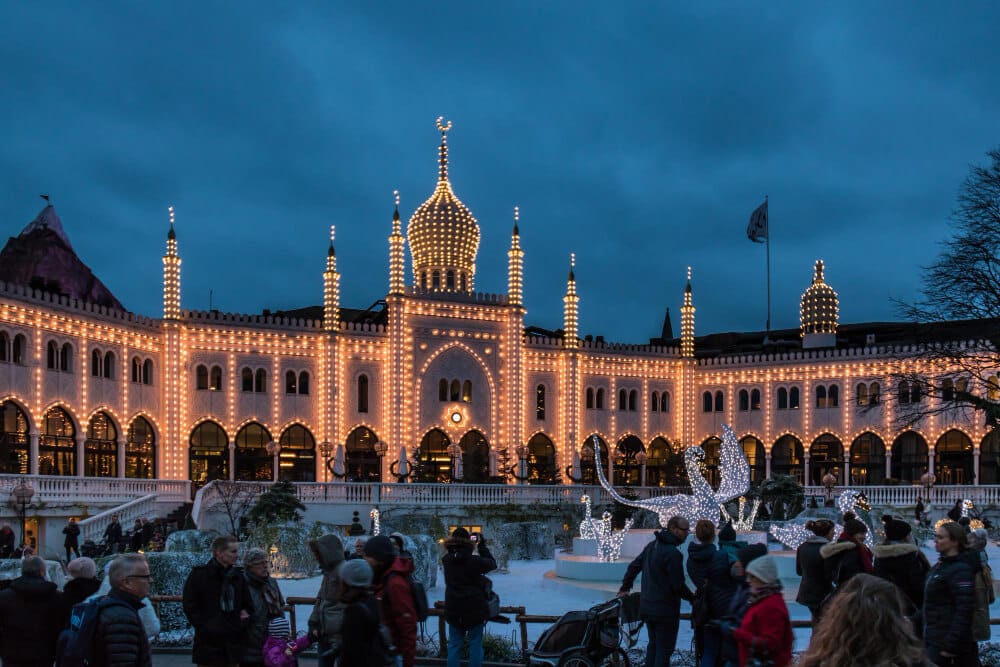
Copenhagen emphasizes atmosphere over scale, and Tivoli Gardens transforms into a winter wonderland with lights, rides, and themed decorations. Tickets for Tivoli during the Christmas season are DKK 135 (~$19 USD), and rides are individually priced at DKK 20–50 ($3–7 USD).
The concept of hygge, or cozy contentment, permeates Danish Christmas markets. Cafés serve spiced pastries, mulled wine, and gløgg, and the city feels safe, accessible, and easy for Americans to navigate. Smaller markets near Nyhavn and City Hall Square provide additional charm for those wanting a quieter experience.
Tips for a Smooth European Christmas Market Trip
Traveling to Europe in winter requires planning beyond picking markets. For Americans, these practical considerations can make a huge difference:
Tip 1: Dress in layers and bring waterproof shoes or boots. Snow, slush, and icy streets are common in December.
Tip 2: Focus on one main city as a base and take day trips to nearby markets. This reduces hotel changes and stress while maximizing festive experiences.
Markets are busiest on weekends, so weekdays are ideal for a more leisurely pace. Many stalls operate from 10 a.m. to 8 p.m., with some closing earlier on December 24. Using public transport or walking is often easier than driving, as parking can be limited near central squares.
When to Go and What to Expect
Christmas markets generally open in late November and run through December 23 or 24. Early visits mean fewer crowds, better photo opportunities, and more relaxed browsing. Expect cold weather, often below freezing in Central and Eastern Europe, but markets are designed for lingering. Wooden stalls, heated tents, and hot drinks create cozy moments to warm your hands and your spirit.
Entry to most markets is free, with costs arising from food, drink, souvenirs, or rides. Advanced planning for popular attractions, like Vienna’s Rathausplatz concerts or Tivoli Gardens, ensures tickets at current prices without long waits.
Conclusion
For Americans visiting Europe, the best Christmas markets offer a combination of authenticity, accessibility, and charm. Vienna, Strasbourg, Munich, Prague, and Copenhagen each deliver a distinct experience that balances festive atmosphere with ease of travel. By choosing destinations with reliable transport, compact city centers, and English-friendly services, visitors can focus on enjoying seasonal traditions rather than navigating logistics.
From sipping spiced wine in a centuries-old square to exploring fairy-tale streets lined with lights, European Christmas markets create unforgettable memories. By planning your itinerary, dressing for winter, and selecting markets wisely, your holiday journey becomes not just a trip, but a magical seasonal experience.