Athens is one of Europe’s most layered capitals. Ancient temples rise above modern cafés, lively neighborhoods unfold beside archaeological sites, and everyday life continues in the shadow of monuments that shaped Western civilization. This guide to the best things to do in Athens for first-time visitors focuses on experiences that help you understand the city, not just see it. Because Athens rewards patience and curiosity, slowing down and exploring on foot allows its history, culture, and energy to reveal themselves naturally.
For travelers visiting Europe for the first time, Athens offers a rare balance: world-famous landmarks, walkable neighborhoods, approachable prices, and a vibrant local rhythm that feels authentic rather than staged.
Visit the Acropolis and Parthenon
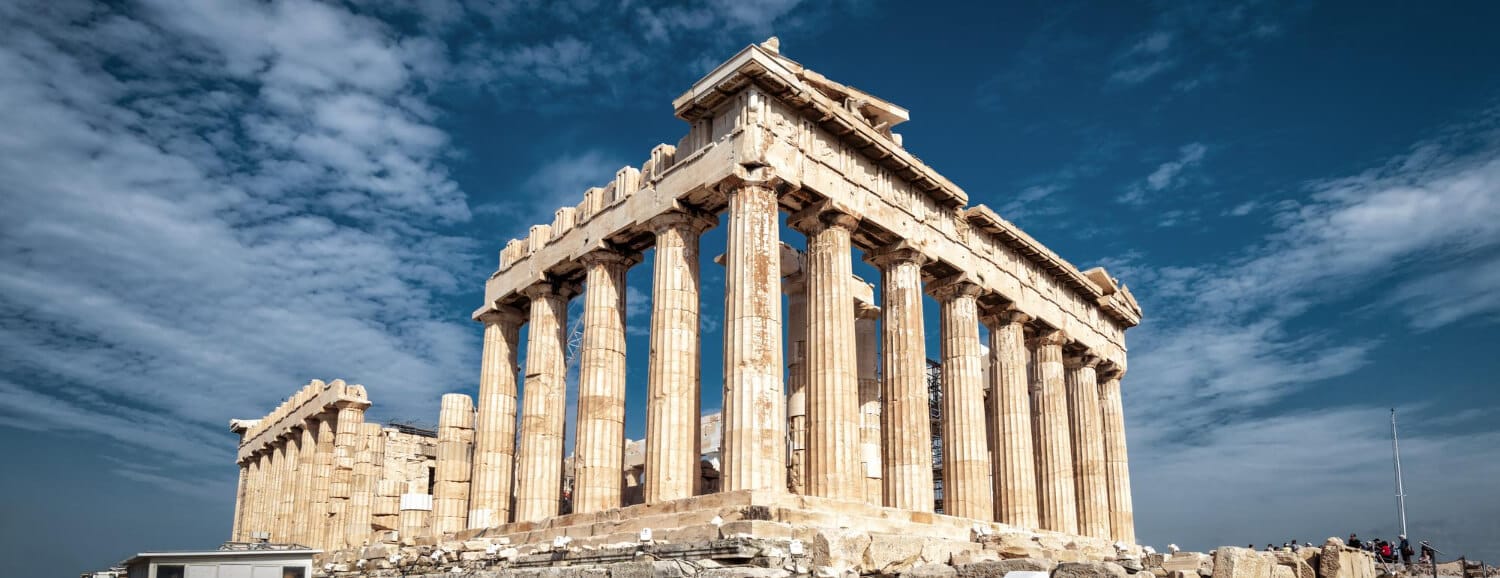
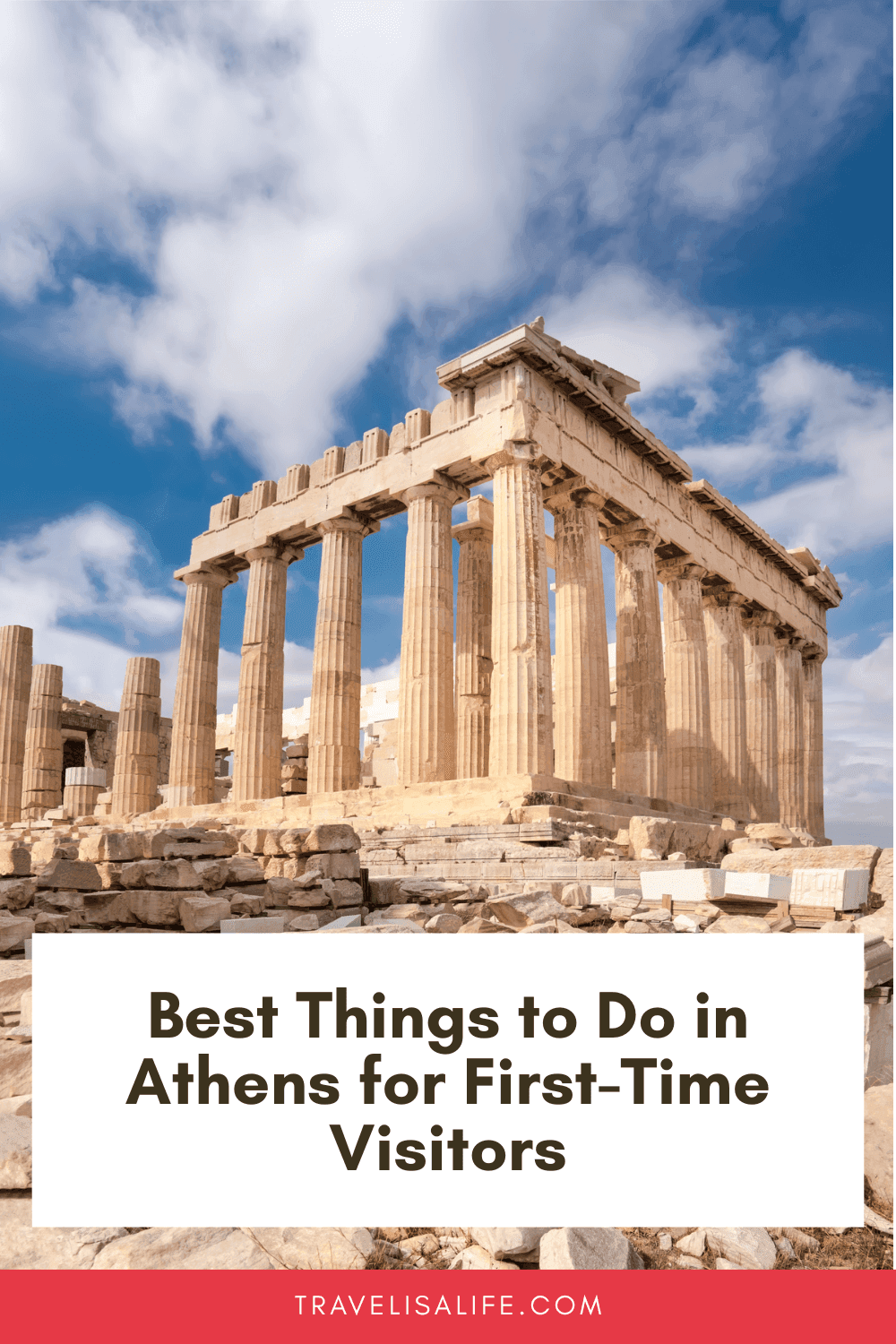
The Acropolis is Athens’ defining landmark and one of the most important historical sites in the world. Rising above the city, it offers sweeping views across rooftops toward the sea, while the Parthenon stands as a symbol of classical architecture and democracy.
Arriving early in the morning or later in the afternoon helps avoid peak crowds and intense heat, especially between May and September. A combined ticket (approximately €30) includes access to several nearby archaeological sites and is usually the best value for first-time visitors.
Take your time walking between the Parthenon, Erechtheion, and Temple of Athena Nike. The experience is not about rushing from monument to monument, but about understanding the scale, symmetry, and setting of the site.
Personal tip: I’ve visited the Acropolis multiple times, and my favorite moment was near closing time. As the crowds thinned, the city noise faded, and the marble reflected softer light. If you can plan for a late visit, the atmosphere feels completely different—calmer, almost meditative.
Most travelers start their Greek journey here, making Athens an ideal first stop in a longer route such as 10 Days in Greece: Explore Athens, Stunning Islands, History.
Explore the Acropolis Museum
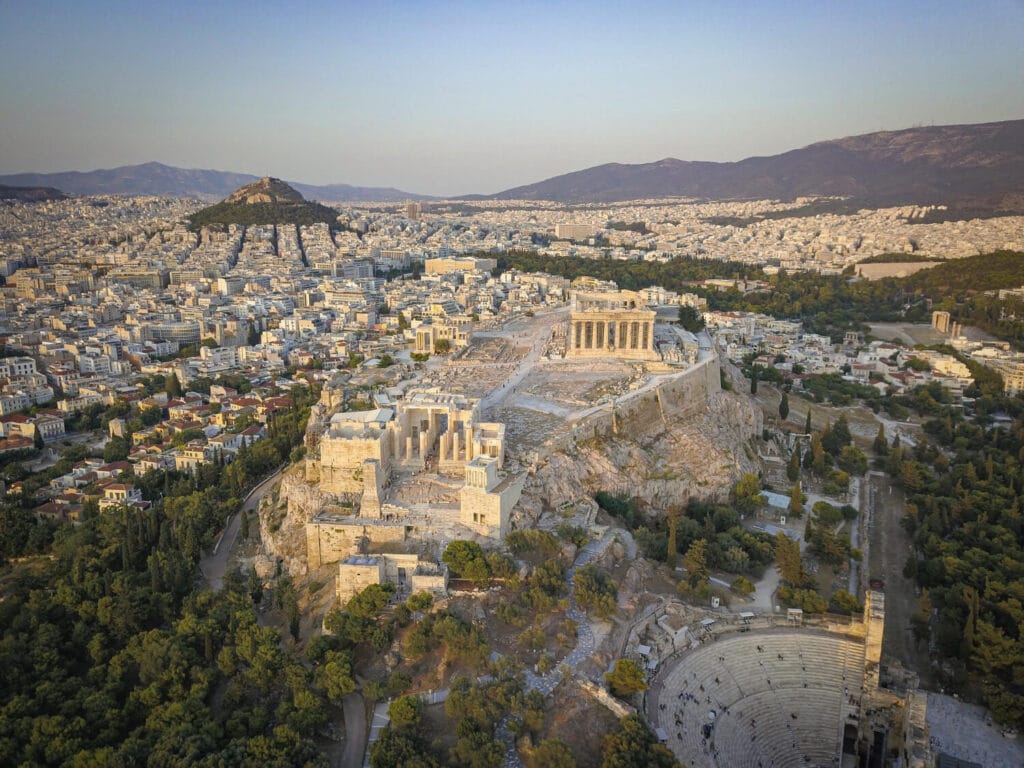
Located at the base of the Acropolis, the Acropolis Museum provides essential context for what you see above. Sculptures, friezes, and architectural fragments are displayed with clear explanations, helping first-time visitors understand how the ancient city functioned.
Glass floors reveal archaeological remains beneath the building, reinforcing the sense that Athens exists in layers. Entry costs around €15, and allowing at least 1.5–2 hours makes the visit feel complete rather than rushed.
The museum café and terrace offer a direct view of the Parthenon, making it one of the best places in the city for a reflective pause.
Personal tip: Plan the Acropolis Museum immediately after your Acropolis visit. Seeing the artifacts while the monuments are still fresh in your mind deepens the experience significantly.
Wander Plaka and Anafiotika
Plaka, Athens’ oldest neighborhood, sits directly below the Acropolis and feels almost village-like despite its central location. Narrow streets, neoclassical houses, small shops, and shaded cafés make it ideal for unstructured wandering.
Anafiotika, hidden just above Plaka, feels like a Cycladic island transplanted into the city. Whitewashed houses, quiet paths, and surprising views make it one of Athens’ most photogenic corners.
This area is best explored without a map. Let yourself get slightly lost and follow staircases, alleys, and quiet squares.
Personal tip: Early morning is magical here. Before shops open, Plaka and Anafiotika feel peaceful and residential, offering a glimpse of daily life before tourism fully wakes up.
Discover Ancient Agora and Roman Agora
The Ancient Agora was once the heart of civic life in Athens. Philosophers debated here, citizens gathered, and democracy took shape. Walking through the ruins with this context transforms scattered columns into meaningful spaces.
The Temple of Hephaestus is one of the best-preserved ancient temples in Greece and often overlooked by visitors focused only on the Acropolis. Entry is usually included in the combined archaeological ticket.
Nearby, the Roman Agora and Tower of the Winds show how the city evolved under Roman rule. These sites are quieter and offer a slower, more contemplative experience.
Experience Athens Through Food and Markets
Athens’ food culture is rooted in simplicity and freshness. Varvakios Market, the city’s central market, showcases daily life through seafood stalls, butcher shops, spices, and local produce.
In neighborhood tavernas, classic dishes like souvlaki, grilled vegetables, moussaka, and fresh salads are affordable and filling. Expect generous portions and relaxed pacing.
Coffee culture is strong and social. Locals linger over freddo espresso or Greek coffee, often for longer than visitors expect.
Personal tip: Avoid restaurants with aggressive hosts or photo menus near major attractions. Walk a few streets away, look for places filled with locals, and trust handwritten menus more than polished signage.
Stroll Through Syntagma Square and Watch the Changing of the Guard
Syntagma Square anchors modern Athens and connects historic tradition with civic life. The changing of the Evzones guard at the Hellenic Parliament is both ceremonial and symbolic, performed with precision and ritual.
The full ceremony takes place on Sundays at 11:00 am, while shorter changes happen hourly. It’s free to watch and easy to combine with nearby walks or shopping.
Explore Modern Athens and Neighborhoods

Athens comes alive in its neighborhoods. Monastiraki blends flea markets with ancient ruins. Psiri showcases creative energy through street art and nightlife. Kolonaki offers a more refined atmosphere with boutiques and cafés.
Walking between neighborhoods reveals how seamlessly ancient and modern coexist. One moment you pass ruins; the next, contemporary galleries or local bakeries.
Personal tip: Athens is surprisingly walkable. I often skipped taxis entirely and discovered some of my favorite spots simply by walking between planned stops.
Relax with a View Over the City
Lycabettus Hill provides one of the best panoramic views in Athens. Whether you hike or take the funicular (around €10 round-trip), the reward is a sweeping view of the Acropolis, the city, and the sea beyond.
Sunset is especially memorable, as the city glows and lights begin to flicker on across the neighborhoods.
If you prefer something lower and easier, Filopappou Hill offers excellent views with fewer crowds and a gentler climb.
Practical Tips for First-Time Visitors to Athens
- Wear sturdy walking shoes. Uneven stone paths are common around archaeological sites.
- Carry water, especially in warmer months. Public fountains are limited.
- Many attractions offer combined tickets that save time and money.
- Dinner starts later than in the US, typically after 8:00 pm.
- Credit cards are widely accepted, but small cash is useful for cafés and markets.
Personal tip: Athens can feel chaotic at first glance. Give it a full day before judging it. Once you settle into the rhythm, the city becomes warm, welcoming, and deeply engaging.
Conclusion
The best things to do in Athens go far beyond checking famous landmarks off a list. The city reveals itself through layered history, walkable neighborhoods, local food, and moments of pause between monuments. By balancing iconic sites with everyday experiences and giving yourself time to wander, Athens becomes more than a destination—it becomes a story unfolding around you.
For first-time visitors, Athens offers an ideal introduction to Europe: rich history, strong identity, approachable prices, and an atmosphere that rewards curiosity. Explore it slowly, and the city will leave a lasting impression long after you’ve gone.