Greece is a country where history, culture, and natural beauty converge. For first-time visitors, experiencing the richness of this Mediterranean gem requires thoughtful planning. From bustling Athens to serene islands, and from ancient ruins to local festivals, Greece offers a tapestry of experiences that appeal to history buffs, beach lovers, and food enthusiasts alike. This guide will help you navigate the highlights, explore beyond the obvious, and enjoy Greece comfortably and authentically.
Explore Athens: The Heart of Ancient Greece
Athens is where Greece’s history feels most alive. Walking through the Acropolis (€20 for standard admission, €10 reduced) lets you imagine life in the city over 2,500 years ago. The Parthenon, Erechtheion, and surrounding ruins provide not only incredible architecture but also panoramic views of the city. A guided tour, typically around €40–€50 per person, can enrich your visit with stories of mythology, politics, and daily life in classical Athens.
Beyond the ruins, neighborhoods like Plaka and Monastiraki offer a lively contrast. Stroll through narrow streets lined with colorful buildings, browse artisanal shops, and stop at small cafés for Greek coffee (€2–€3) or a pastry like bougatsa (€2.50). Monastiraki Flea Market provides an authentic local shopping experience, where souvenirs, antiques, and handmade jewelry abound.
Tip: To avoid the crowds at the Acropolis, arrive early morning before 9 a.m., or late afternoon when the light softens for photography.
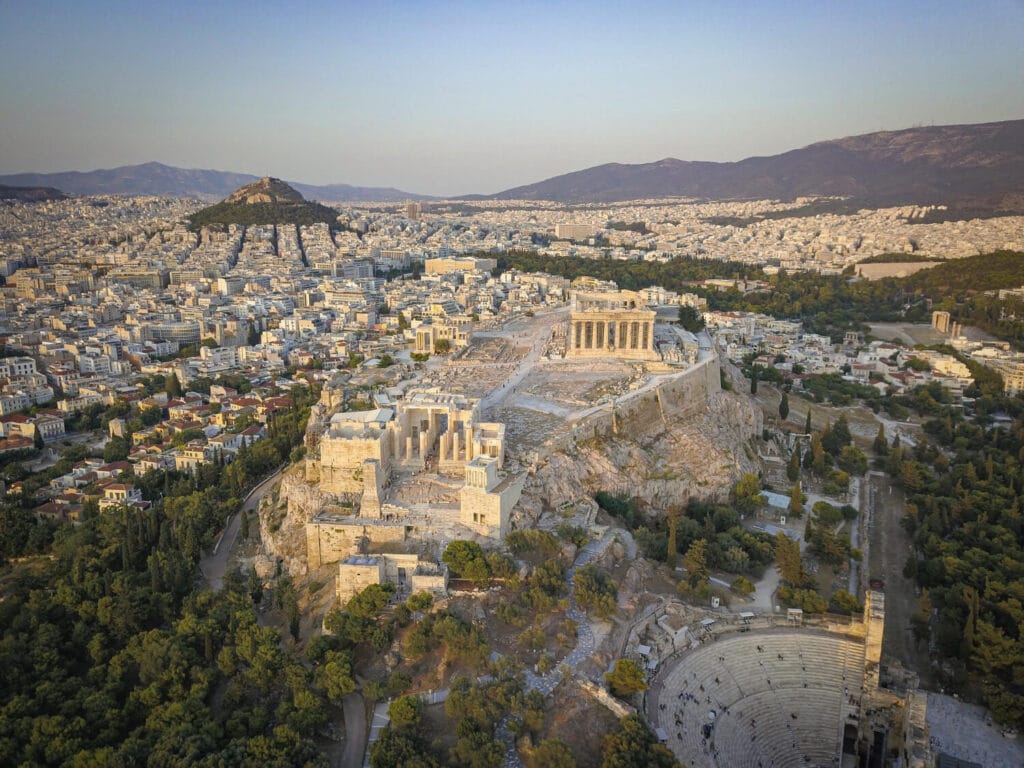
Moving at a relaxed pace lets the city’s layers reveal themselves naturally. Visiting the National Archaeological Museum (€12) is another must, offering artifacts from all over Greece, including Bronze Age treasures and classical sculptures. Even a short afternoon here provides context for the ruins you see around Athens.
Discover the Islands: Santorini, Mykonos, and Crete
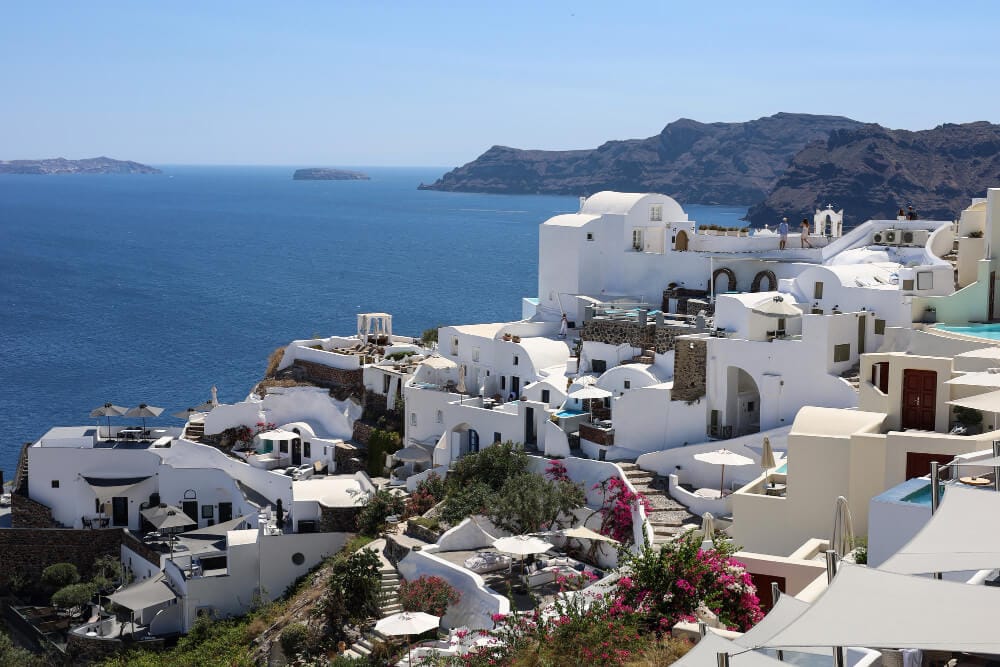
Greece’s islands are iconic and each has a distinct personality. Santorini is renowned for its whitewashed houses, blue-domed churches, and sunsets over the caldera. Expect to pay around €10–€15 for a bus ride between villages, or €70–€100 per day to rent a small car to explore the island at your own pace. Hotels in Santorini range from €100 per night for simple stays to €400+ for luxury cliffside accommodations.
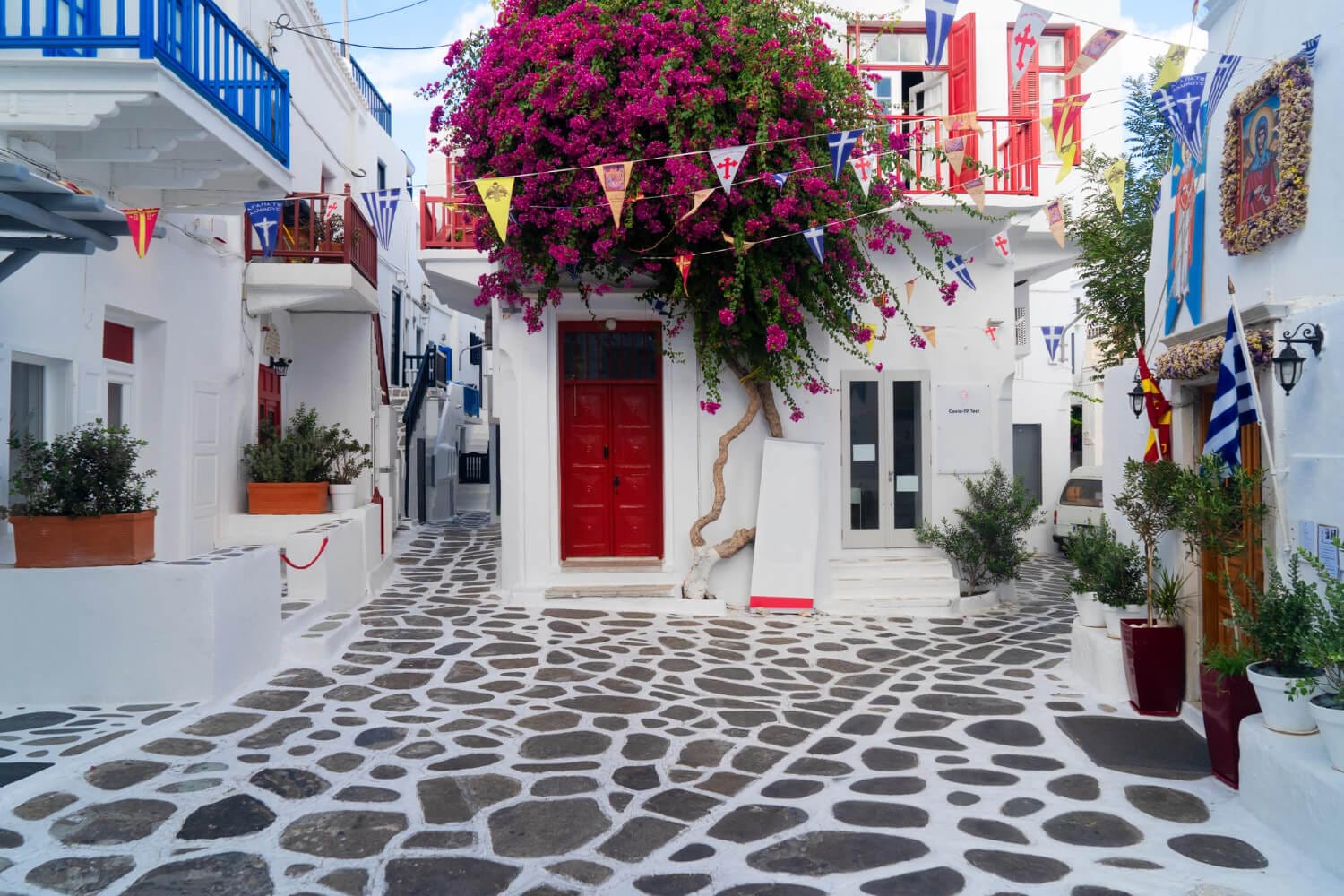
Mykonos offers lively beaches, vibrant nightlife, and a cosmopolitan vibe. A beach chair and umbrella at Psarou or Paradise Beach costs roughly €15–€25 per day. For a more cultural experience, explore Mykonos Town early in the morning when its narrow streets are quiet.
Crete, the largest Greek island, combines mountains, villages, and archaeological sites. Visiting Knossos Palace near Heraklion (€15 entry) is a highlight, and local tavernas serve Cretan specialties like dakos (barley rusk salad) for €6–€8.
Tip: Don’t rush island hopping. Spending at least three nights per island allows you to enjoy beaches, villages, and local cuisine without feeling pressed for time.
Ferry prices vary by distance. For example, Athens to Santorini typically costs €40–€60 for a standard seat, while high-speed ferries are closer to €70–€90. Booking in advance during peak season (June–August) is recommended.
Don’t rush island hopping. Spending several days on one island allows you to savor local food, beaches, and traditions. For a detailed multi-day plan covering Athens, islands, and historical sites, see 10 Days in Greece: Explore Athens, Stunning Islands, History.
Visit Historic Sites Across the Country
Beyond Athens, Greece is dotted with archaeological treasures. Delphi, once considered the center of the world, is accessible from Athens in about 2.5 hours by car. Entrance is €12 for the site and €6 for the museum. Olympia, the birthplace of the Olympic Games, offers visitors ancient stadiums, temples, and ruins with tickets around €12. Epidaurus, famous for its theater with exceptional acoustics, is about a 2-hour drive from Athens (€12 entry).
Pausing to absorb these sites allows history to come alive. Hiring a local guide for €30–€50 per group at each site can provide stories and context that make the experience unforgettable.
Savor Greek Cuisine
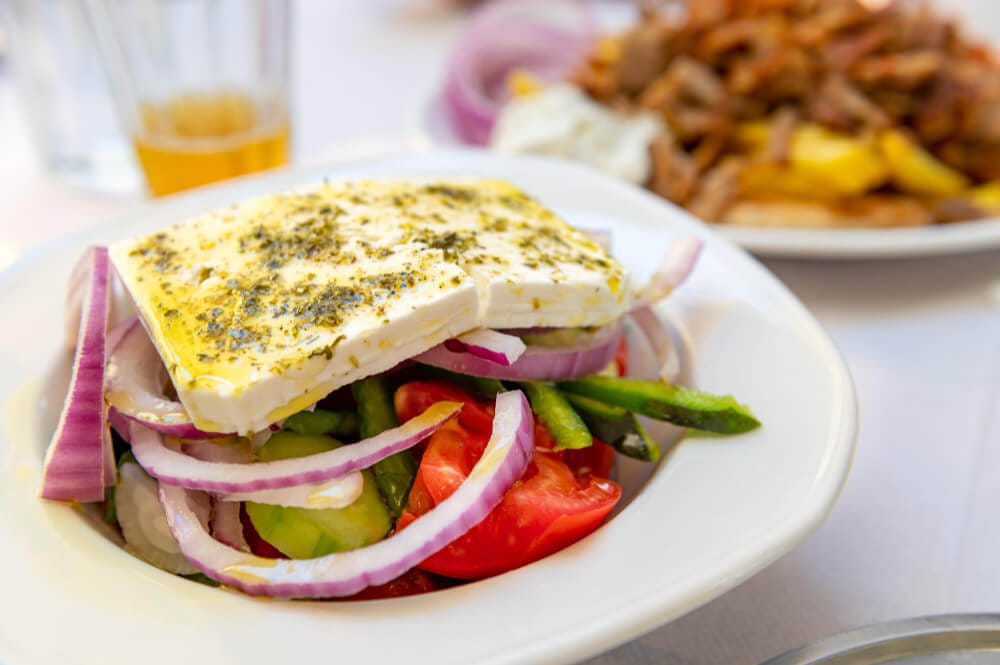
Greek food is simple, fresh, and deeply rooted in tradition. Tzatziki, olives, grilled seafood, moussaka, and gyros are just the start. Dining at local tavernas provides a cultural immersion beyond the plate. A typical lunch in a casual taverna costs €12–€18 per person, while dinner at a mid-range restaurant is around €25–€40 per person.
Markets in Athens, like Varvakios Agora, are perfect for tasting local products such as fresh olives (€5–€7 per 100g), cheese (€8–€12 per kg), and pastries. Exploring markets in island towns offers similar experiences.
Tip: Skip restaurants in tourist-heavy areas and seek small family-run tavernas. These often serve the most authentic food at fair prices and let you interact with locals.
Pairing meals with Greek wines, such as Assyrtiko from Santorini or Agiorgitiko from Nemea, enriches your culinary experience. A bottle typically costs €10–€20 at local shops.
Experience Local Life and Festivals
Greece’s culture is embedded in daily rituals and celebrations. Visiting a kafeneio for coffee, strolling coastal promenades at sunset, or joining local festivals enhances understanding of the country’s rhythms. Many towns host festivals in summer with music, dancing, and food. For instance, the Santorini Jazz Festival in July or Crete’s Matala Beach Festival in June–July are immersive cultural events.
Walking slowly through neighborhoods and small towns allows for spontaneous discoveries, like artisan shops, traditional bakeries, or seaside tavernas with fresh fish.
Practical Travel Tips for First-Time Visitors
Best Travel Seasons: Late spring (May–June) and early autumn (September–October) offer pleasant temperatures, fewer crowds, and lower accommodation rates. Expect mid-range hotels in Athens to cost €80–€120 per night during these periods.
Transport: Domestic flights between islands cost €30–€80 one way. Ferries vary by distance and speed, with high-speed options costing more. Car rentals are useful on larger islands like Crete and Santorini (starting around €35/day).
Packing: Comfortable walking shoes are essential for cobblestone streets and archaeological sites. Layered clothing is recommended, as coastal breezes can be cool even in summer. A compact foldable travel backpack can hold snacks, water, and small souvenirs for hands-free exploration.
Tickets and Reservations: Book accommodations and entry tickets for major sites in advance, particularly during peak season.
Tip: To truly experience Greece, blend iconic landmarks with quiet streets and local cafés. Taking your time allows both history and daily life to leave lasting impressions.
Safety and Budget Considerations
Greece is generally safe for tourists. Pickpocketing can occur in busy areas like Athens metro stations or Mykonos Town, so remain vigilant. Travel insurance is recommended, costing €30–€60 for a week depending on coverage.
Daily expenses vary: budget travelers can manage on €50–€70 per day, while mid-range travelers might spend €120–€180 per day including accommodations, food, and transport.
Final Thoughts
Greece is a country of contrasts—ancient and modern, bustling and serene, mainland and islands. A first-time visitor can enjoy a balanced experience by combining Athens’ historic streets, island relaxation, and visits to archaeological sites. Savor local cuisine, engage with everyday life, and take your time exploring neighborhoods and coastal towns.
By planning thoughtfully, traveling at a relaxed pace, and embracing both iconic sights and authentic local experiences, Greece offers a journey that is educational, scenic, and deeply memorable. Travel slowly, stay curious, and let the country’s charm unfold naturally.