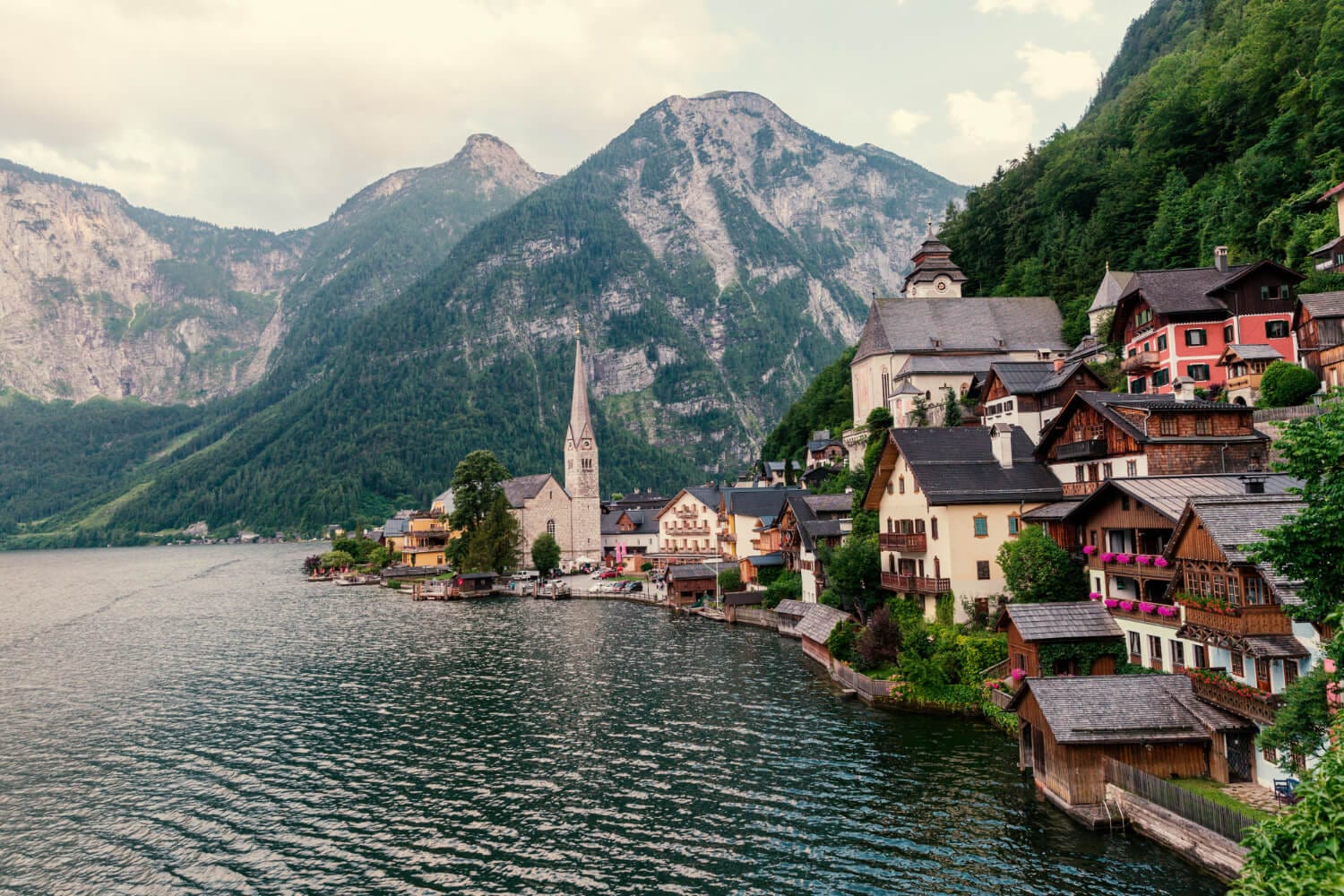
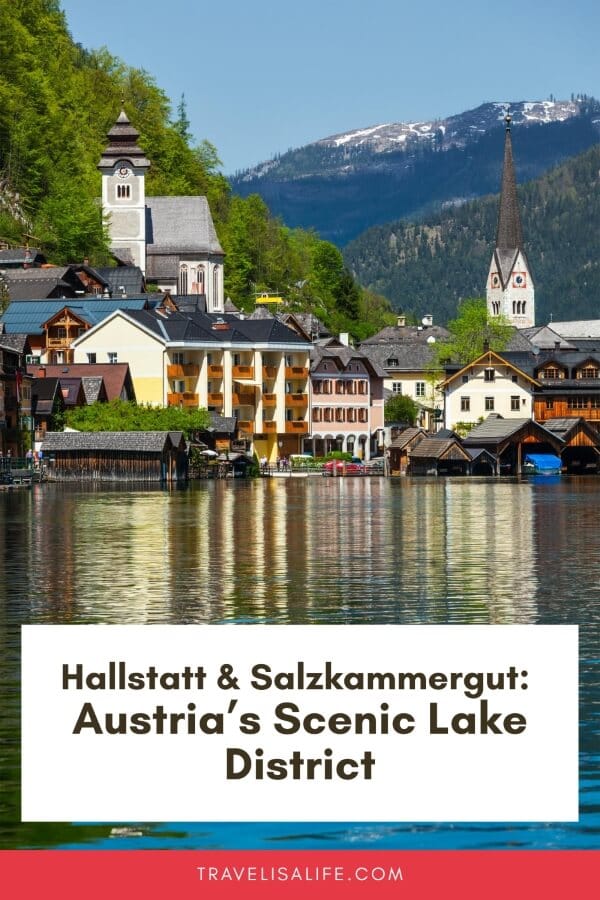
If Austria had a region that embodies the postcard-perfect image of alpine beauty, it would be Hallstatt and the surrounding Salzkammergut. Nestled between towering mountains and crystal-clear lakes, this area combines scenic landscapes, cultural history, and outdoor adventure. First-time visitors often find themselves enchanted by the fairy-tale village of Hallstatt, the pristine lakes dotted with charming towns, and the alpine trails that wind through the region.
For travelers coming from Salzburg or Vienna, Hallstatt is an accessible getaway that can be explored in two to three days, though many extend their stay to soak in the lakes, hikes, and local gastronomy. Beyond the postcard scenery, this region offers a deep connection to Austria’s cultural and natural heritage, from the 7,000-year-old salt mines to traditional alpine cuisine.
Exploring Hallstatt Village
Hallstatt village is the centerpiece of the region, renowned for its colorful houses lining the lakeshore and the serene reflection of the Alps in the water. Wandering through its narrow streets reveals quaint shops selling handcrafted souvenirs, local ceramics, and artisanal products. Lakeside cafés provide a perfect spot for a morning coffee while taking in the calm, reflective waters.
A highlight for many visitors is the Hallstatt Bone House (Beinhaus), a centuries-old charnel house that preserves painted skulls and offers insight into local burial traditions. While it may seem unusual, it reflects a unique aspect of Hallstatt’s history and culture.
To avoid crowds, aim to arrive early in the morning. Many photographers and travelers recommend capturing the soft morning light reflecting off the lake, which is particularly beautiful during spring and early autumn.
Hallstatt Salt Mine – History Beneath the Mountains
The Hallstatt Salt Mine is one of the oldest in the world, offering a fascinating blend of history and adventure. Guided tours take visitors deep underground to see the mines that have been in operation for over 7,000 years. The experience includes wooden miners’ slides and educational exhibits that explain the importance of salt in shaping the region’s economy and culture.
Tickets for the salt mine are currently €22 for adults and €10 for children, with guided tours lasting about 70 minutes. First-time visitors will find this an immersive experience that combines history, adventure, and stunning underground vistas.
Skywalk & Dachstein Ice Caves – Panoramic Alpine Views
For sweeping views over Hallstatt and the lake, the Skywalk “Welterbeblick” is a must. A short funicular ride ascends the mountainside, offering hikers and casual visitors alike the chance to witness panoramic vistas of the lake, village, and surrounding peaks. The Skywalk also has a viewing platform accessible with tickets at €12 for adults, which includes the funicular ride.
Nearby, the Dachstein Ice Caves provide an otherworldly experience, with glacial formations and natural ice sculptures. A guided tour costs around €28 for adults and €14 for children, and lasts approximately one hour. Visiting both the Skywalk and ice caves in one day is achievable if you start early.
Exploring the Salzkammergut Region
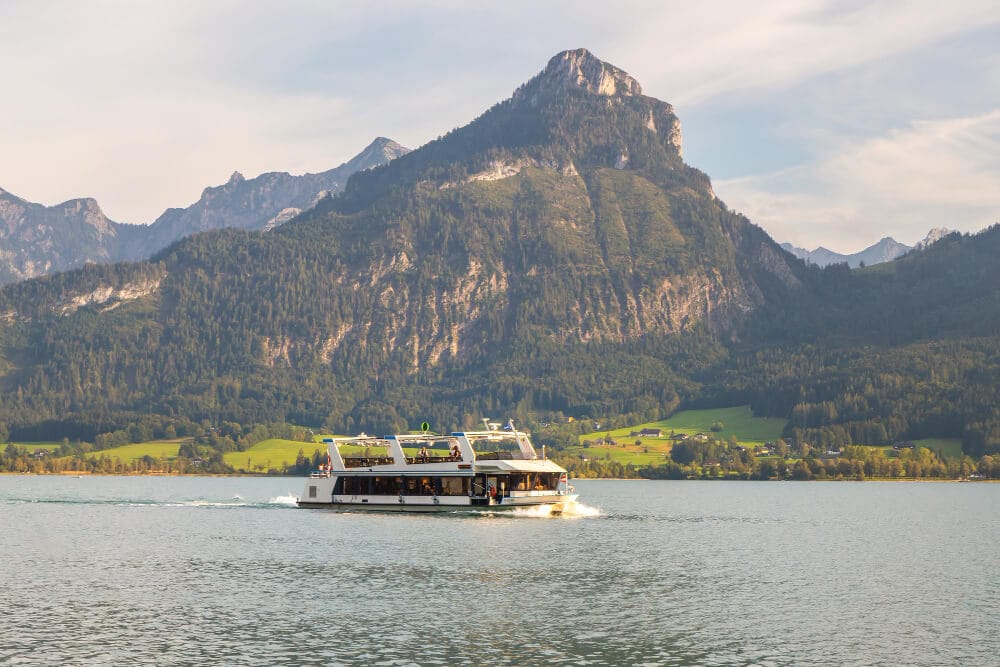
While Hallstatt is the centerpiece, the surrounding Salzkammergut lake district offers a variety of landscapes and experiences. Just a short drive or train ride from Hallstatt lies Lake Wolfgangsee, known for its turquoise waters and charming lakeside towns such as St. Gilgen and St. Wolfgang. Boat trips on the lake typically cost €18–€22 per adult and provide a scenic, leisurely way to see the area from the water.
At St. Wolfgang, visitors can ride the Zwölferhorn cable car for €21 per adult to reach hiking trails and mountain restaurants. Trails range from gentle valley walks to more challenging alpine paths, all with panoramic views of the lake and surrounding peaks. In winter, these same routes are popular for snowshoeing and light alpine skiing.
Further afield, Traunsee and Gmunden offer additional lakeside charm and history. Traunsee features the medieval Traun Castle, while Gmunden is famous for its ceramics. Cycling along the lake promenades or renting a bike for a few hours provides a local perspective and allows you to explore at your own pace.
For a broader overview of Austria, check our Ultimate Austria Travel Guide.
Food and Local Cuisine
Part of the Hallstatt experience is sampling the local cuisine. The region is particularly known for fresh fish from the lakes, often grilled, smoked, or prepared in traditional Austrian styles. Pairing lake fish with potatoes or seasonal vegetables offers a satisfying meal after a morning of hiking or sightseeing.
Alpine cafés are abundant in Hallstatt and neighboring towns, perfect for enjoying classic Austrian pastries. Apfelstrudel, Sachertorte, and Linzer torte are frequently served alongside a coffee, allowing travelers to rest and take in the scenery. For more substantial meals, mountain restaurants serve hearty dishes like dumplings, roasts, and Tiroler Gröstl, ideal for refueling after outdoor activities.
Recommended 2–3 Day Itinerary
For first-time visitors, a well-paced itinerary ensures you experience the highlights without rushing. Day 1 can be devoted to exploring Hallstatt village, wandering the streets, enjoying lakeside cafés, and visiting the salt mine. Conclude the day with sunset views from the Skywalk for breathtaking photography opportunities.
Day 2 focuses on Lake Wolfgangsee, where you can take a boat ride, explore St. Gilgen, and ascend the Zwölferhorn for panoramic mountain vistas. Hiking, photography, and a meal at a cozy alpine restaurant make this a full but rewarding day.
Day 3 is ideal for visiting Traunsee and Gmunden, cycling along lake promenades, and enjoying local specialties. Visitors can also explore smaller villages and craft workshops, giving a cultural complement to the natural scenery.
Practical Tips for First-Time Visitors
Best Time to Visit: Spring and early autumn are ideal for mild weather, fewer crowds, and vibrant scenery. Summer is best for boating, while winter transforms the lakes and mountains into snowy wonderlands perfect for winter sports.
Getting Around: Renting a car is highly recommended for flexibility and convenience, especially if you plan to visit multiple lakes in a single day. Regional trains connect main towns, while ferries and local buses provide additional options. Within villages, walking is the easiest way to explore, and bikes are perfect for short trips.
Accommodations: Booking in advance is crucial, especially during peak summer months. Options range from lakeside hotels with stunning views (€150–€250 per night) to guesthouses and apartments (€80–€150 per night), depending on the season and proximity to the village center.
Safety & Etiquette: The Salzkammergut region is extremely safe, but respecting local customs is important. Stick to marked hiking trails, avoid private lakeside property, and observe quiet hours in villages. Polite greetings and small gestures of courtesy are appreciated.
Costs & Tickets: Aside from salt mine and Skywalk/ice cave tickets mentioned above, boat rides and cable cars are the primary expenses outside meals and accommodations. Many attractions accept cards, but carrying some cash (€30–50 per day) is useful for small purchases or local markets.
Essential Travel Gear
A few well-chosen items make the experience more enjoyable. Comfortable walking shoes are a must for cobblestone streets and alpine trails. Layered clothing allows adaptation to rapidly changing weather. A lightweight backpack with water, snacks, and camera gear is essential for day trips.
Travelers often find portable chargers useful for long days of photography and navigation. Products like a high-capacity powerbank or an instant camera allow capturing memories without worrying about battery life.
Conclusion
Hallstatt and the Salzkammergut region combine Austria’s most iconic natural landscapes with cultural charm and historic significance. First-time visitors will find a balanced mix of scenic lakes, alpine adventures, and quaint villages. From exploring the underground salt mines to riding cable cars over panoramic peaks, every experience offers something memorable.
With careful planning, attention to local etiquette, and a few practical travel tools, Americans can navigate the region confidently. By visiting during optimal seasons, renting a car or using regional transport effectively, and pacing the itinerary across villages, lakes, and mountains, travelers can enjoy a complete and immersive Austrian adventure.
Whether you linger in Hallstatt for its timeless beauty or venture further into Wolfgangsee and Traunsee, the Salzkammergut offers a unique European experience that combines natural wonder, culture, and gastronomy in one unforgettable destination.