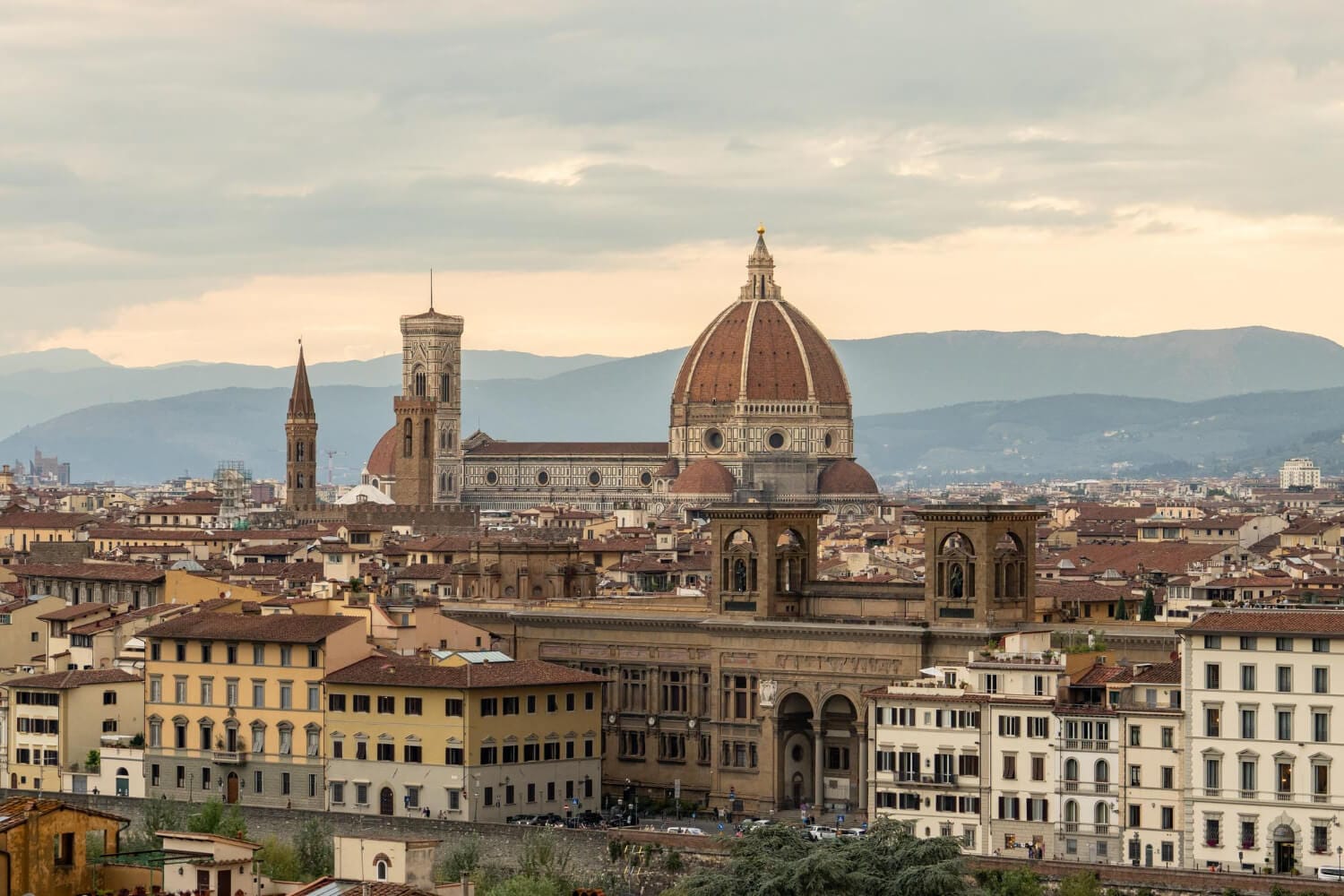
Florence is the beating heart of the Italian Renaissance, where art, architecture, and history blend seamlessly with modern life. Walking through its streets feels like stepping into a living museum. Beyond the iconic Duomo, Ponte Vecchio, and Uffizi Gallery, Florence reveals quieter piazzas, tucked-away gardens, hidden churches, artisan workshops, and culinary treasures. For first-time visitors, the key to enjoying the city is slowing down: noticing a fresco on a chapel wall, savoring the aroma of fresh bread from a local bakery, or observing locals in a sunlit square. This guide focuses on Florence’s lesser-known experiences, helping you explore its art, culture, and flavors with depth and authenticity.
Museums – Beyond the Crowds
No trip to Florence is complete without visiting its world-famous museums. The Uffizi Gallery houses masterpieces by Botticelli, Leonardo da Vinci, and Michelangelo, offering a sweeping view of Renaissance art. At the Accademia Museum, Michelangelo’s David draws admirers from across the globe, giving visitors an intimate encounter with one of history’s greatest sculptures.
Yet, the city’s charm lies in smaller, often overlooked museums, where discovery feels personal and crowds are minimal. The Museo di San Marco features Fra Angelico’s serene frescoes, softly illuminated by natural light. The Bargello Museum, housed in a medieval palace, showcases sculptures by Donatello and Michelangelo in a setting that feels closer to an artist’s studio than a formal gallery.
Even lesser-known collections like the Museo Horne and Stibbert Museum provide eclectic treasures—from tapestries and furniture to armor and curiosities gathered from across Europe. These spaces allow visitors to experience Florence at a more relaxed pace, where art can be studied without the pressure of long lines.
Tip: Book tickets online for major museums to skip lines, and leave room for spontaneous visits to smaller galleries—you never know when you’ll stumble upon a masterpiece.
Piazzas – Life at the Center of the City
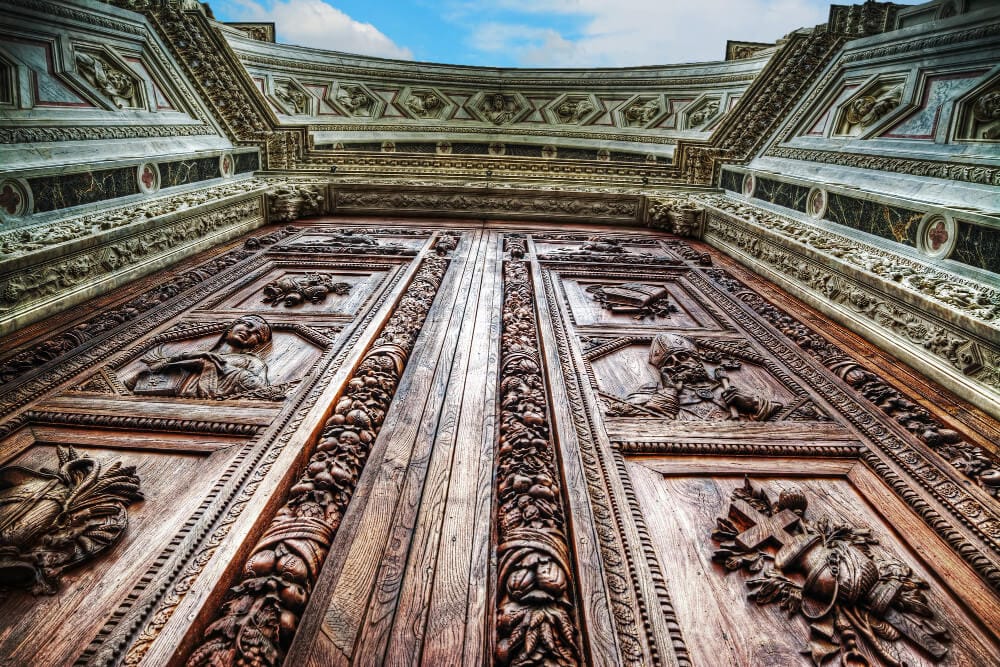
Florence’s piazzas are more than public squares; they are the city’s social heartbeat. Piazza della Signoria is the most famous, dominated by the Palazzo Vecchio and surrounded by statues. Even here, corners offer quieter moments to observe the city’s rhythm.
In the Oltrarno district, Piazza Santo Spirito has a distinctly local feel. Weekend artisan markets and street performances bring energy, while surrounding cafés fill with artists, students, and families. Piazza della Passera, by contrast, offers serenity away from tourist crowds, with small gelaterias and cafés ideal for lingering.
Each square tells a story through its fountains, loggias, and sculptures, reflecting centuries of social, religious, and civic life. A pause here is as valuable as a museum visit.
Tip: Stop in a small café in a quiet piazza, savor your coffee or gelato, and watch the city wake—it’s one of the most authentic ways to experience Florence.
Secret Corners – Craft, Gardens, and Quiet Streets
Wandering Florence off the main streets is richly rewarding. Narrow alleys in Oltrarno open onto artisan workshops, where goldsmiths, leatherworkers, and painters continue centuries-old traditions. Peeking into studios, chatting with makers, and buying unique souvenirs offer an authentic connection to the city.
Gardens and courtyards provide refreshing retreats. The Rose Garden near Piazzale Michelangelo delivers fragrant blooms and panoramic city views. Bardini Gardens, less visited than Boboli, features terraces, fountains, and sweeping perspectives over Florence. Small churches, such as Santa Maria Maggiore or Santo Spirito, contain frescoes and sculptures rivaling museum quality without the crowds.
Florence’s culinary delights are also tucked into quiet streets. Via de’ Neri offers traditional trattorias with dishes like ribollita and lampredotto. Local bakeries provide freshly baked focaccia, and tiny wine bars reveal where Florentines gather after work. These corners let visitors experience Florence like a local, with intimate, memorable moments.
Tip: Wander without a strict plan. Some of the city’s most memorable experiences happen when you stumble upon them unexpectedly.
Food – A Taste of Florence
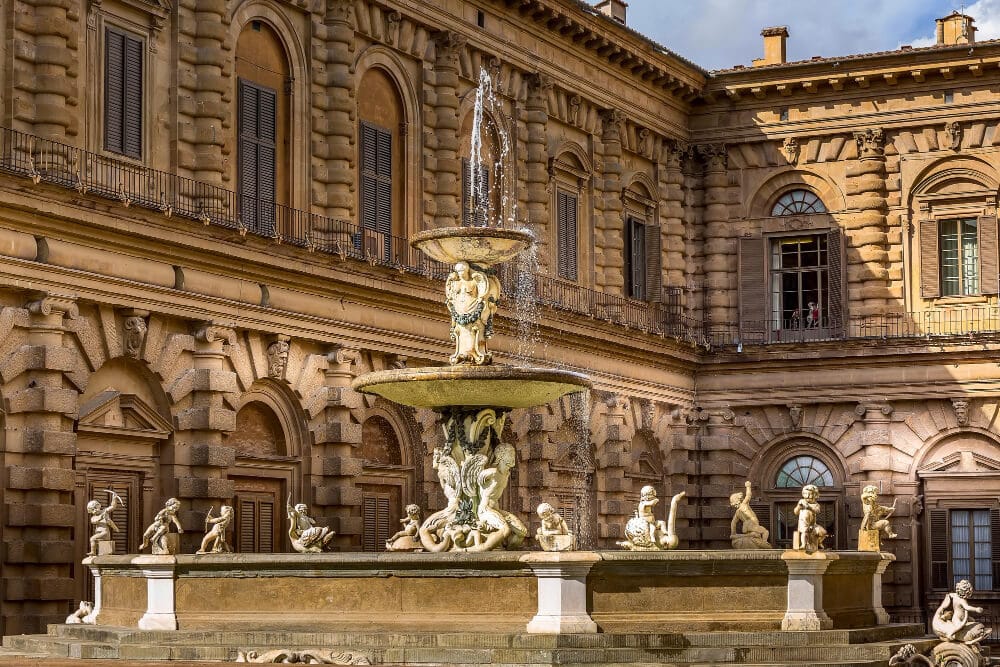
Florentine cuisine is simple, fresh, and deeply satisfying. Mercato Centrale is a must-visit for sampling cheeses, cured meats, handmade pasta, and pastries. Traditional dishes, such as ribollita, a hearty vegetable and bread soup, or bistecca alla Fiorentina, a thick, grilled T-bone steak, highlight the region’s culinary identity.
Gelato is an art form in Florence. Family-run gelaterias craft rich flavors using seasonal fruit and local ingredients. Afternoon aperitivos in quieter squares or along the Arno River provide a glimpse into daily Florentine life, blending food with social culture.
Tip: Eat where locals eat. Small osterias and trattorias often offer the most authentic meals. Ask for local recommendations—they usually lead to unforgettable dining experiences.
Practical Travel Tips
- Timing: Visit major museums early or late in the day to avoid crowds.
- Footwear: Comfortable shoes are essential; cobblestone streets and stairs are everywhere.
- Pacing: Allow time to linger in cafés, gardens, or artisan workshops—you’ll absorb more by slowing down.
- Weather: Florence can be hot in summer and chilly in winter; dressing in layers helps.
- Local Etiquette: Respect traditions in churches and quieter squares.
- Travel Tools: A compact travel backpack is perfect for carrying water, snacks, a camera, and small purchases while wandering the city.
Must-Do Experiences in Florence for First-Time Visitors
To make the most of your trip, focus on these authentic Florence experiences:
Wander the Piazzas – Enjoy both famous squares like Piazza della Signoria and quieter ones such as Piazza della Passera or Santo Spirito for local vibes. Free.
Explore Lesser-Known Museums – Visit Museo di San Marco (€7–€10), Bargello Museum (€7), Museo Horne (€6), and Stibbert Museum (€8) to appreciate Renaissance art without crowds.
Discover Artisan Workshops – Stroll through Oltrarno to see goldsmiths, leatherworkers, and painters in action; pick up unique handmade souvenirs. Prices vary: jewelry €30–€150, leather goods €20–€80.
Taste Local Cuisine – Try ribollita (€5–€8), lampredotto (€3–€5), and bistecca alla Fiorentina (€25–€50 per person) at small osterias; sample fresh cheeses, cured meats, and pastries at Mercato Centrale (€2–€10 per item).
Pause in Gardens and Courtyards – Relax in Bardini Gardens (€10) or the Rose Garden near Piazzale Michelangelo (Free for the public terrace) for peaceful city views and greenery.
Experience Florence Like a Local – Stop for coffee (€1.50–€3) at a small café, watch daily life unfold, and let spontaneous discoveries guide your strolls.
Why Florence Rewards the Curious Traveler
Florence is a city of contrasts—grand museums and quiet piazzas, bustling streets and tucked-away alleys, iconic landmarks and private treasures. Exploring its art, savoring its cuisine, and wandering beyond the obvious allows first-time visitors to connect with the city on a personal level.
By taking your time, listening to the city’s rhythm, and noticing details others might miss, Florence transforms from a tourist destination into an unforgettable journey. Whether it’s a quiet fresco in a small church, the aroma of freshly baked bread, or the golden light at sunset over the Arno, these moments linger long after you leave, creating lasting memories of Italy’s Renaissance heart.
Final thoughts
Florence is more than its famous landmarks—it’s a city best experienced slowly, through its art, cuisine, gardens, and local life. By exploring both well-known attractions and quiet corners, you’ll gain a deep appreciation for its Renaissance heritage and contemporary charm. Take your time, savor the flavors, and allow the city to reveal its stories at your own pace. Florence isn’t just to be seen—it’s to be felt, tasted, and lived.
FAQ – Exploring Florence
What is the best time of year to visit Florence?
The ideal periods are spring (April–June) and early autumn (September–October). Temperatures are mild, crowds are smaller, and the city’s gardens and piazzas are at their most beautiful.
How many days do I need to see Florence properly?
For a first-time visitor, 2–3 full days allow time to explore museums, piazzas, artisan workshops, and neighborhoods without feeling rushed.
Are there any Florence attractions suitable for families or kids?
Yes. The Boboli and Bardini Gardens, Piazza della Repubblica, and Mercato Centrale offer engaging experiences for children. Many museums also have kid-friendly tours.
Can I explore Florence on foot, or do I need transportation?
Florence’s historic center is compact and best explored on foot. Comfortable walking shoes are essential for cobblestones, stairs, and alleys. Short taxi rides can help if needed, but walking reveals hidden corners.
Where can I find authentic Florentine food?
Seek out small osterias and trattorias off the main tourist streets. Mercato Centrale is ideal for sampling regional specialties like ribollita, lampredotto, and bistecca alla Fiorentina.