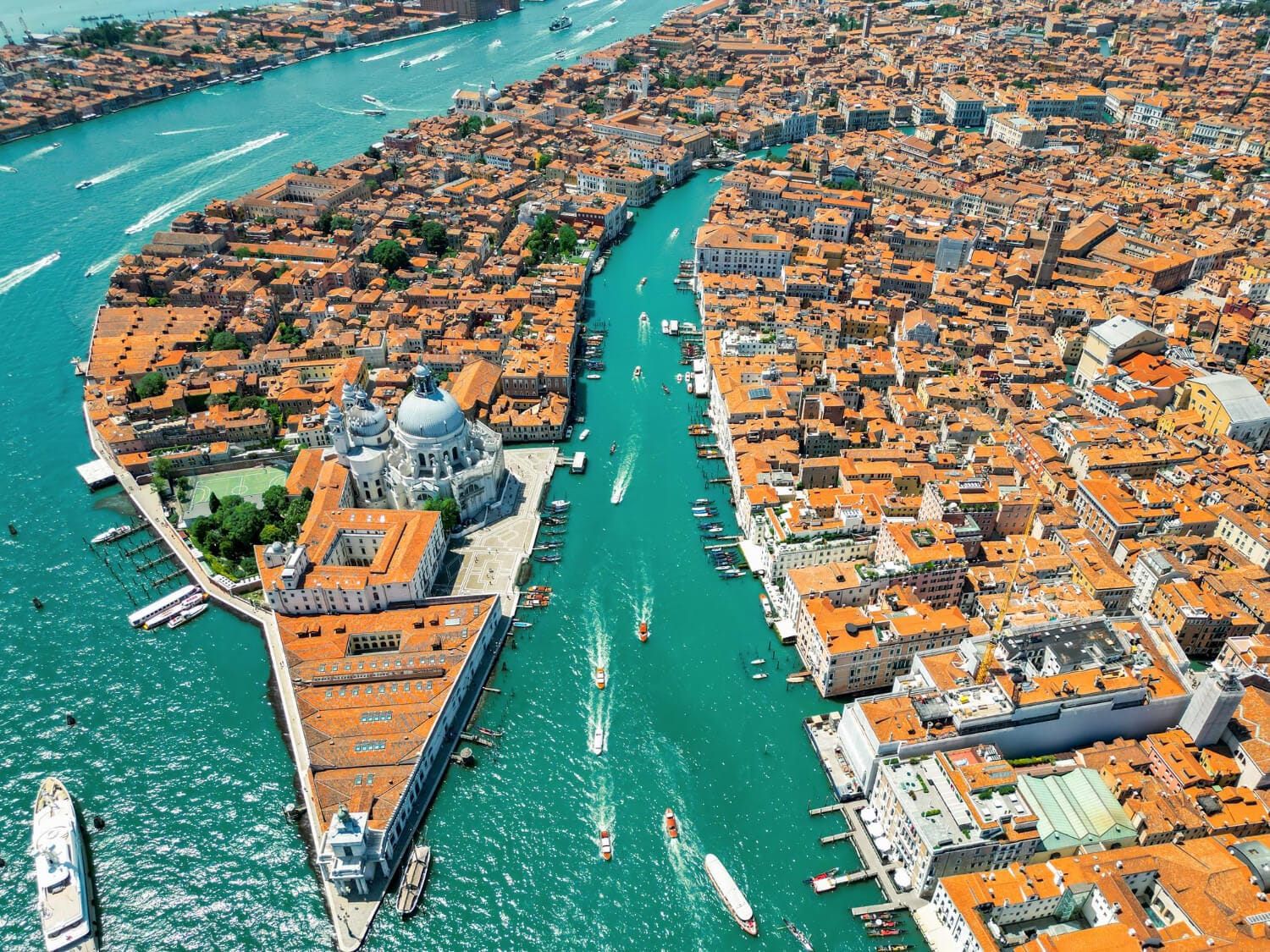
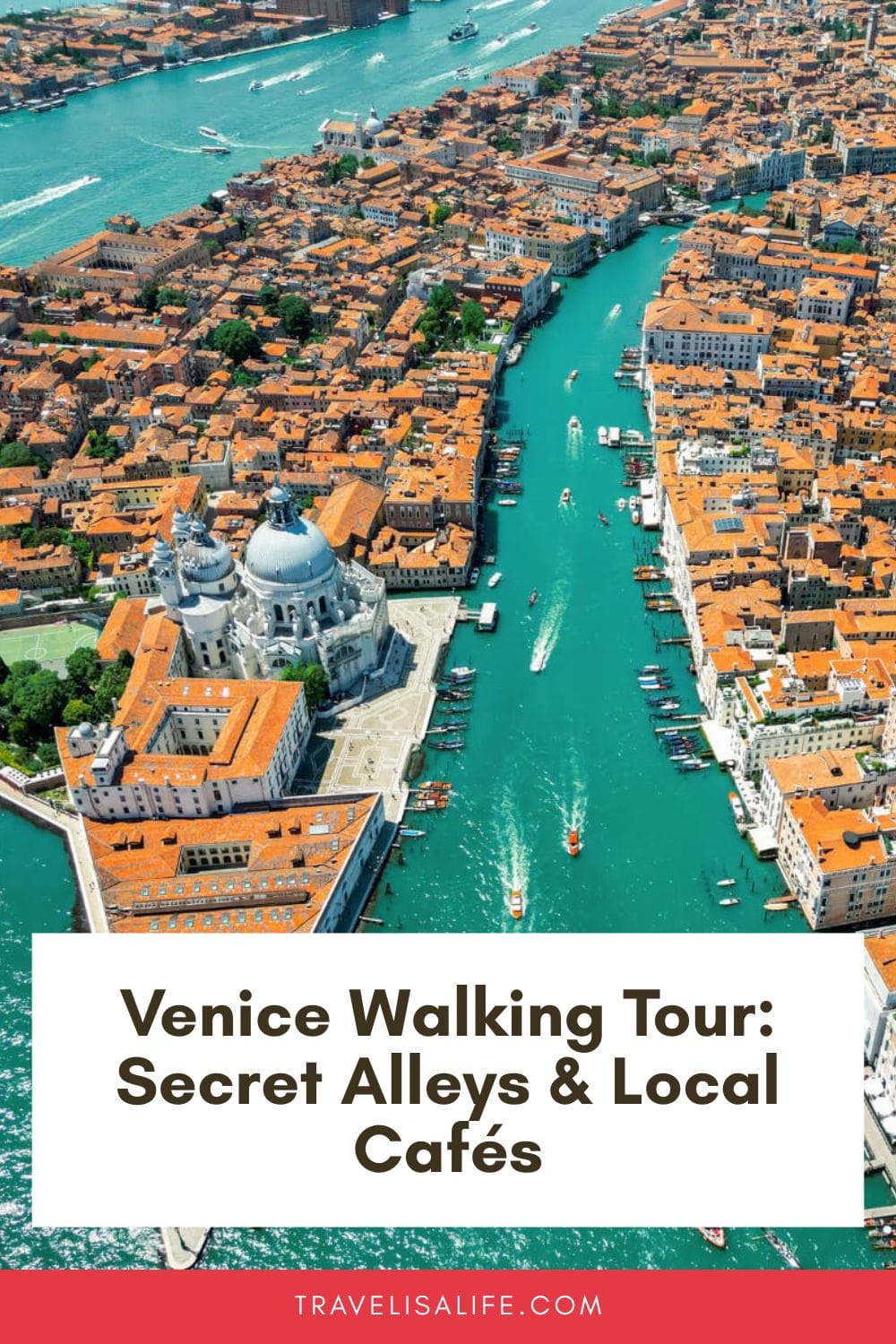
Venice is one of those cities that almost everyone recognizes instantly: gondolas sliding through canals, ornate palaces reflected in the water, and crowds flowing toward St. Mark’s Square. Yet the Venice most visitors remember best is often found far from these iconic scenes. Step just a few streets away from the main routes, and the city changes pace entirely. Narrow alleys grow quieter, laundry hangs between windows, locals greet each other in small squares, and cafés fill with regulars rather than tour groups.
This Venice walking tour is designed for first-time visitors who want to experience the city beyond postcards. It focuses on secret alleys, lesser-known campi (squares), and local cafés where Venice’s everyday life still unfolds. Rather than rushing between landmarks, the emphasis is on walking slowly, noticing details, and understanding how Venetians actually use their city. Whether you have half a day or a full day, this guide helps you explore Venice at a human scale.
Understanding Venice as a Walking City
Venice was built for walking. There are no cars, and even boats follow strict routes, which means most daily life happens on foot. The city is divided into neighborhoods, each with its own rhythm. Tourist flows tend to stick to a few main arteries connecting the train station, Rialto, and St. Mark’s Square. Once you leave those paths, the atmosphere shifts immediately.
Walking Venice is not about following a straight line. Streets end suddenly at canals, alleyways narrow to shoulder width, and small bridges appear without warning. Getting slightly lost is part of the experience. This is where Venice reveals itself: stone walls worn smooth by centuries of footsteps, hand-painted signs pointing to churches, and cafés tucked into corners you’d never notice from a vaporetto.
Tip: Don’t fight Venice’s layout. Put your phone away for short stretches and let curiosity guide you. Some of the most memorable moments come from brief detours.
Discovering Venice’s Secret Alleys
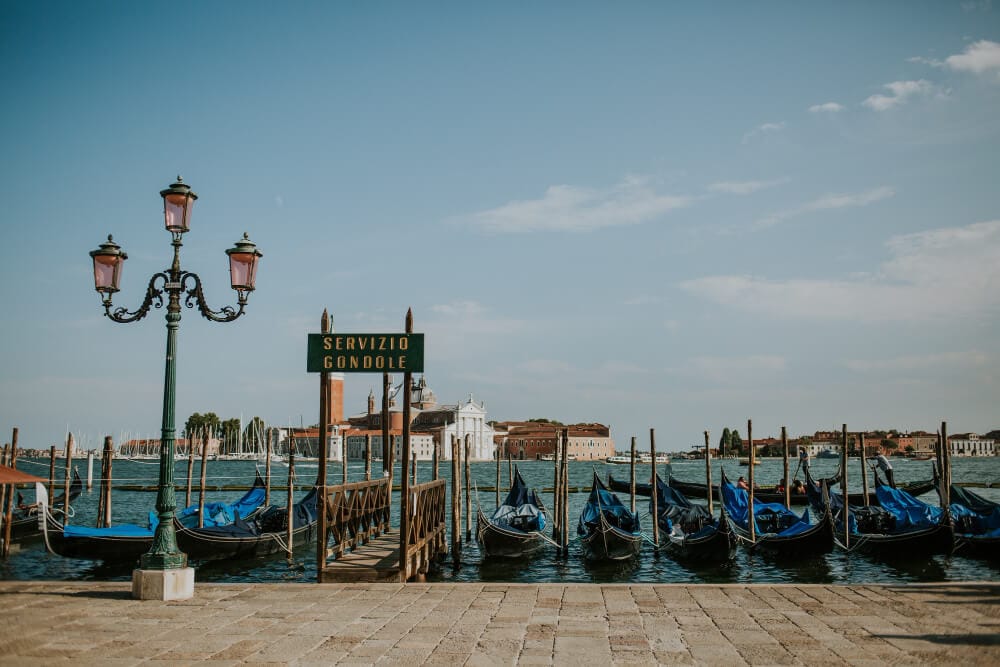
Venice’s alleys, known as calli, vary from lively commercial streets to passages so narrow that two people can barely pass. These spaces are not designed for sightseeing; they exist for daily life, which makes them ideal for understanding the city.
In areas like Dorsoduro and parts of San Polo, alleys wind past artisan workshops selling handmade masks, paper goods, or leather accessories. Prices here are often more reasonable than in shops near St. Mark’s. A hand-painted mask from a small studio might cost €25–40, compared to mass-produced souvenirs sold elsewhere.
One of the most striking features of these alleys is silence. Without large groups, you hear footsteps echoing, dishes clinking from kitchens, and the occasional splash from a canal below. For photographers, these areas are gold: textured walls, dramatic light, and scenes that feel genuinely Venetian rather than staged.
Calle Varisco, often mentioned as one of the narrowest streets in Venice, is less about spectacle and more about understanding medieval urban planning. Streets were built to conserve space and provide shade, which still makes walking here comfortable even in warmer months.
Life Around Venice’s Smaller Squares
Venetian squares, called campi, are social hubs rather than grand monuments. While Piazza San Marco is vast and ceremonial, smaller campi serve as extensions of neighborhood living rooms.
Campo Santa Margherita is a perfect example. During the day, locals shop for groceries or meet friends for coffee. In the evening, students and residents gather with drinks, creating a lively but relaxed atmosphere. Prices here reflect the local crowd: an espresso typically costs €1.20–1.50 at the bar, and a spritz around €3–4.
Campo San Polo, Venice’s second-largest square, feels more open and calm. It often hosts local events or markets, depending on the season. Sitting here with a coffee or a glass of wine allows you to observe daily routines rather than tourist choreography.
Campo dei Frari, near the Basilica dei Frari, combines history with neighborhood life. Entry to the basilica costs about €5, making it one of Venice’s best-value cultural visits. Afterward, the square itself offers a quiet place to pause and absorb the surroundings.
Local Cafés and Pastry Stops Worth the Walk
Venice’s café culture is deeply rooted in habit. Locals stop for quick coffees, pastries, or a short conversation rather than long brunches. Visiting neighborhood cafés gives insight into this rhythm.
In districts like Cannaregio and Dorsoduro, cafés focus on quality rather than décor. A cappuccino usually costs €1.50–2 if you drink it standing at the bar, while sitting at a table may double the price. This pricing structure is normal in Italy and worth knowing.
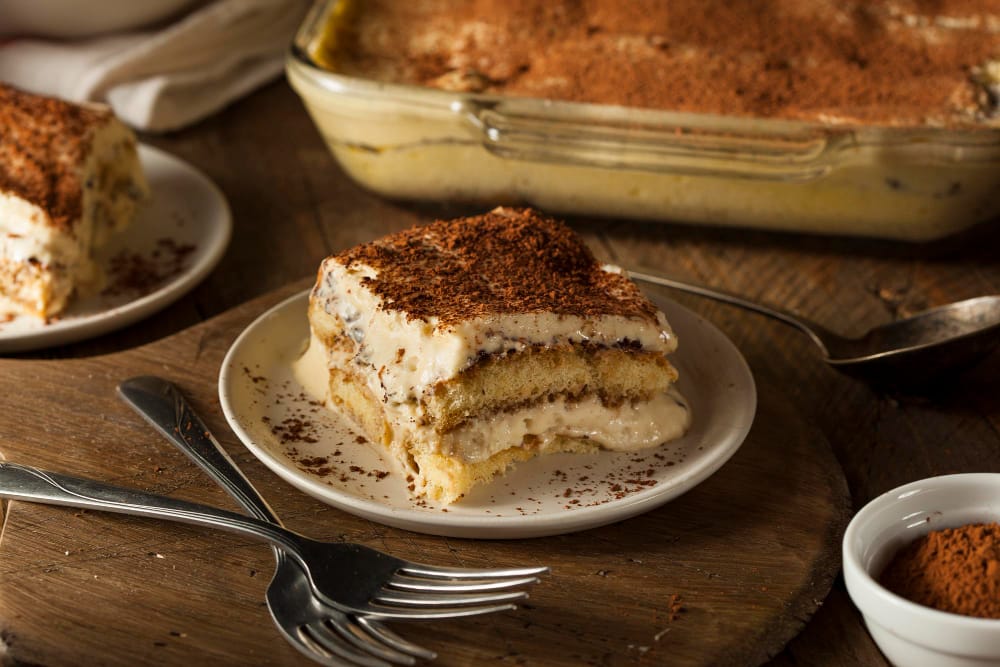
Traditional pastries are part of the experience. Frittelle, especially during carnival season, are filled with cream or raisins and cost around €2–3 each. Venetian-style tiramisù, often lighter than versions found elsewhere, is widely available and usually priced at €5–7 per slice.
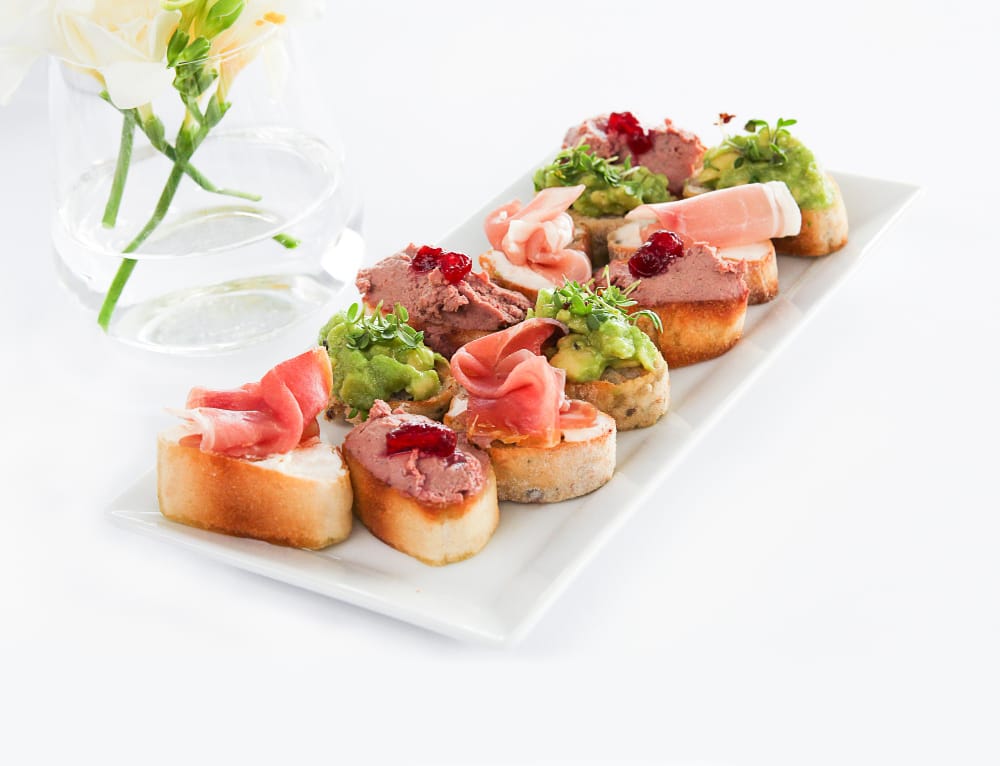
Cicchetti bars blur the line between café and tavern. Small plates of seafood, vegetables, or cured meats are displayed on the counter. Each cicchetto typically costs €2–3, making it easy to sample several without committing to a full meal.
Tip: Avoid cafés directly bordering major landmarks. Walk two or three streets away, and prices drop while quality often improves.
Walking Along Quiet Canals
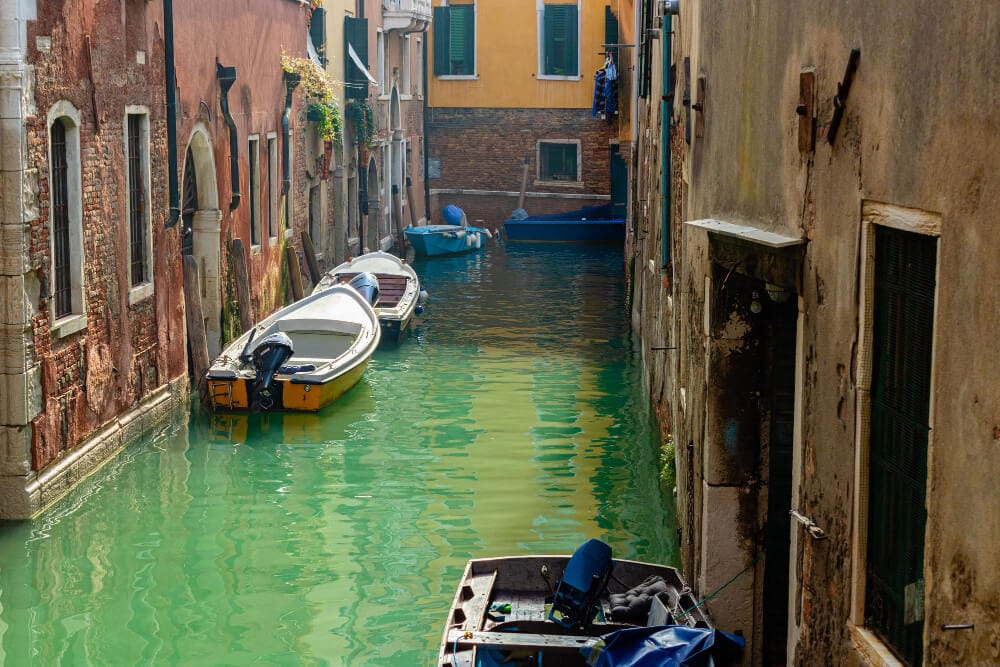
The Grand Canal is spectacular, but it is not representative of daily Venice. Smaller canals reveal a more intimate side of the city. Walking alongside them allows you to see how Venetians load boats, chat across balconies, or simply sit near the water.
In areas like Cannaregio, canals are lined with homes rather than hotels. Laundry lines stretch overhead, and reflections of colorful buildings ripple gently in the water. Early morning is particularly rewarding, as deliveries arrive and the city slowly wakes up.
Bridges over these canals are natural stopping points. Pause here, and you’ll notice how different Venice feels when you’re not surrounded by crowds. These moments are often what travelers remember most.
A Flexible Half-Day Walking Route
A half-day walking route works well for first-time visitors who want depth without exhaustion. Starting in a residential area immediately sets the tone.
Begin in Campo Santa Margherita with coffee and a pastry. From there, wander through nearby alleys toward San Polo, letting curiosity guide you rather than following a strict path. Cross small bridges, stop to photograph details, and allow time to sit in a square without an agenda.
Midway, pause for cicchetti and a glass of local wine, which typically costs €3–5. End your walk along the Zattere waterfront, where views over the Giudecca Canal offer a sense of openness rarely found in Venice’s interior streets. Gelato here costs around €2.50–3.50, depending on flavor and size.
Extending the Walk to a Full Day
With a full day, Venice’s layers become clearer. Starting early at the Rialto Market introduces you to the city’s commercial heart. The market is free to visit, and even if you don’t buy anything, it’s worth seeing how locals shop for fish, vegetables, and spices.
From Rialto, walking north toward Cannaregio gradually shifts the atmosphere. The Jewish Ghetto, one of the oldest in Europe, is quiet and reflective. Small museums here cost around €6–10, offering historical context without overwhelming crowds.
In the evening, the Fondamenta della Misericordia comes alive. Restaurants line the canal, and locals gather for dinner and drinks. A casual pasta dish costs around €12–15, while a full dinner with wine may range from €25–35 per person — reasonable by Venice standards if you avoid tourist menus.
Practical Advice for Walking Venice
Walking Venice requires a bit of preparation. Comfortable shoes are essential, as stone streets can be uneven and slippery, especially after rain. Flooding (acqua alta) occurs seasonally, and temporary walkways may appear in low-lying areas.
Navigation apps work well, but downloading offline maps is wise, as signals can drop in narrow streets. Respect private spaces: some bridges and courtyards are part of residential buildings and clearly marked.
Most importantly, allow time. Venice rewards patience more than efficiency.
Why Exploring on Foot Matters
Venice’s reputation is built on landmarks, but its soul lives in daily routines. Walking through alleys and sitting in local cafés reveals how the city functions beyond tourism. You see children walking to school, shopkeepers greeting neighbors, and residents reclaiming their streets after day-trippers leave.
This perspective changes how Venice feels. Instead of a crowded destination, it becomes a living city shaped by water, history, and human scale.
Final thoughts
A Venice walking tour focused on secret alleys and local cafés offers something increasingly rare: a sense of connection. By slowing down, avoiding the busiest routes, and engaging with everyday spaces, first-time visitors gain a richer, more authentic understanding of the city.
Venice is not meant to be rushed or conquered. It is meant to be walked, observed, and felt. The true beauty of Venice lies not only in its grand canals and famous squares, but in the quiet moments between them — the echo of footsteps in a narrow alley, the warmth of a café on a side street, and the feeling that, for a short while, you are part of the city rather than just passing through.