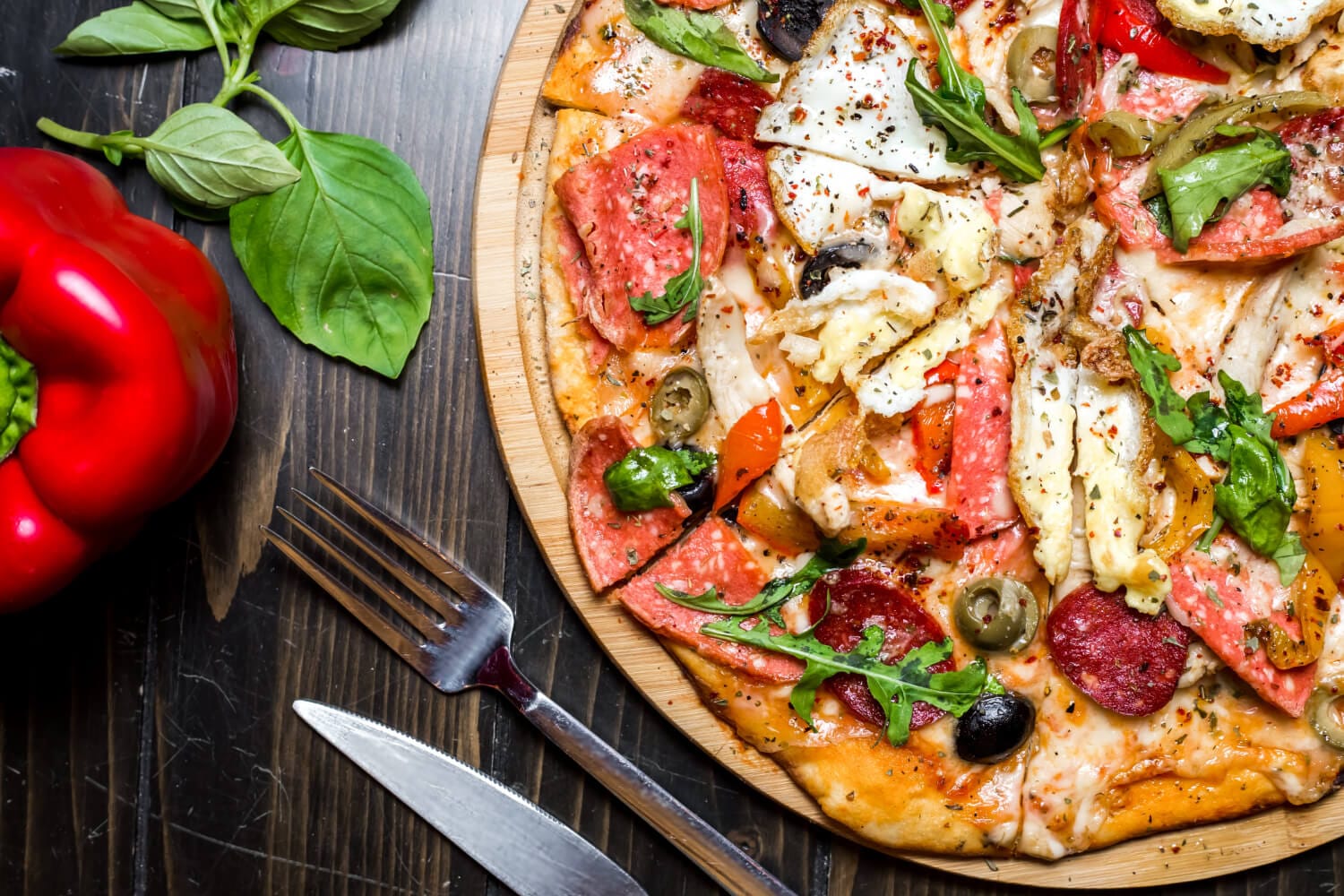
Italy is not just a destination for food lovers—it is a country where meals define daily life, social rhythm, and regional identity. For first-time visitors, food is often the most immediate and emotional connection to Italian culture. Rome, Florence, and Naples form a perfect culinary triangle: each city offers a distinct style of cooking shaped by history, geography, and local traditions. Experiencing these cities through food provides a deeper understanding of Italy than monuments alone ever could.
This guide focuses on authentic, approachable food experiences—the kinds of places locals return to regularly. You will find realistic price ranges, practical advice, and context that helps you choose where, when, and how to eat well without falling into tourist traps.
Rome: Trattorias, Markets, and Street Food
Rome’s cuisine is rooted in necessity and simplicity. Many classic dishes were born from humble ingredients, refined over centuries into some of Italy’s most iconic flavors. Eating well in Rome is less about luxury and more about timing, neighborhood choice, and understanding what to order.
Trattorias: Where Roman Cooking Lives
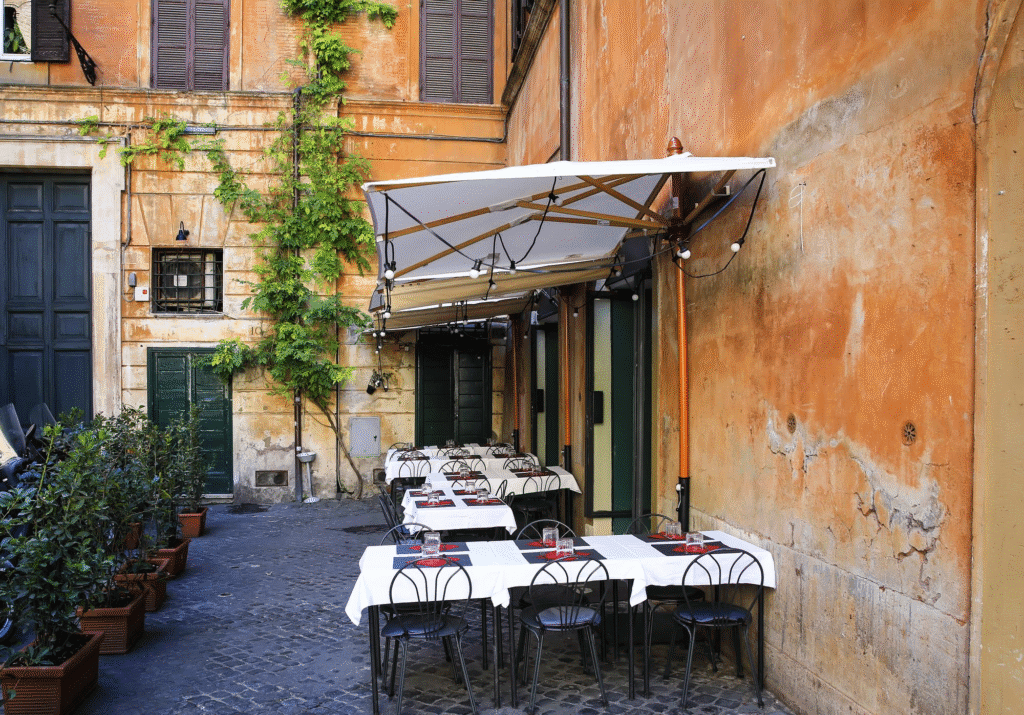
Traditional Roman trattorias are informal, often family-run, and focused on a short menu of seasonal dishes. Expect handwritten menus, tightly packed tables, and staff who assume you already know what you want.
Da Enzo al 29 in Trastevere is one of the most respected examples. Their carbonara, made with guanciale, pecorino romano, egg yolk, and black pepper, costs around €14–16, while other pasta classics such as cacio e pepe or amatriciana fall in the same range. Portions are generous, and quality is consistently high.
Osteria da Fortunata near Campo de’ Fiori is famous for hand-rolled pasta made in the dining room. Gnocchi or tonnarelli typically cost €13–15, and the experience itself becomes part of the meal.
Armando al Pantheon offers a slightly more polished setting near one of Rome’s most iconic landmarks. Expect traditional Roman dishes priced between €15–20 for pasta and €22–28 for meat mains.
Tip: In Rome, menus with photos and multilingual signage are often red flags. The best trattorias rely on reputation, not advertising.
Between meals, Rome rewards travelers who balance food with exploration. If you are planning your sightseeing days, the guide Best Things to Do in Rome 2026: Top Attractions & Tips fits naturally between market visits, trattoria lunches, and evening aperitivo stops.
Markets: Rome’s Edible Neighborhoods
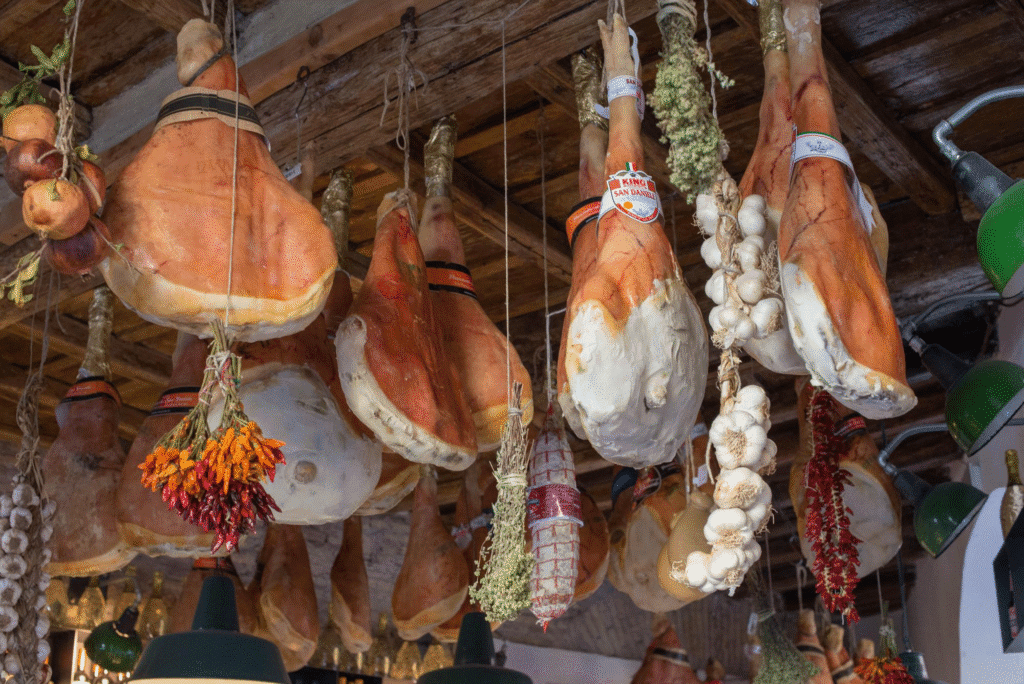
Rome’s markets are not just tourist attractions; they are still part of daily life. Visiting them in the morning provides insight into local habits and ingredients.
Campo de’ Fiori Market operates primarily in the early hours. Fresh fruit, vegetables, cheeses, olives, and cured meats dominate the stalls. Prices vary by season, but expect €6–10 for a simple picnic of bread, cheese, and fruit.
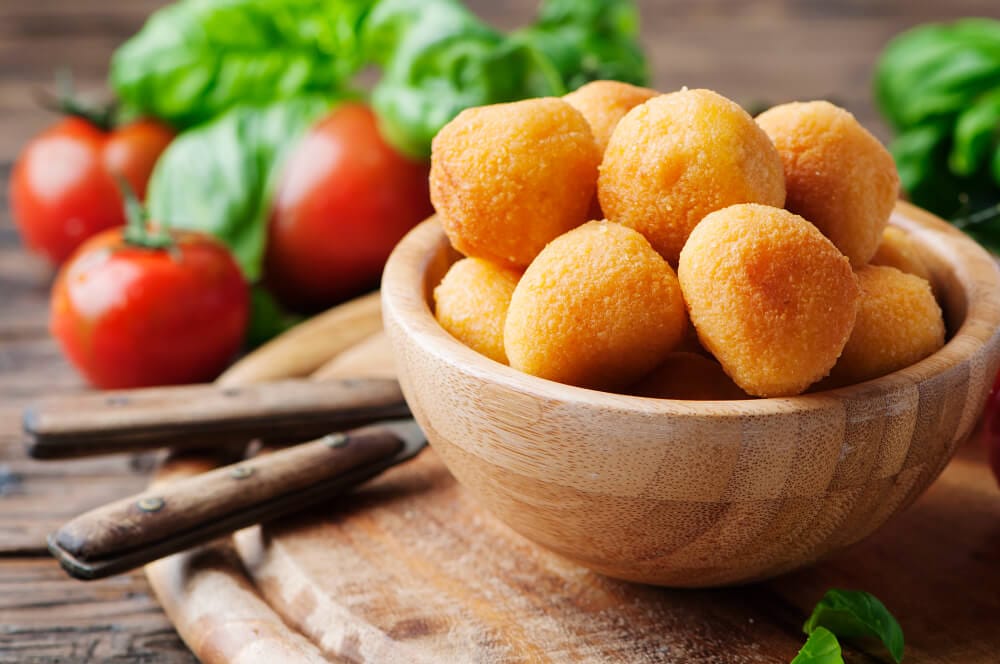
Mercato Testaccio is more local and food-focused. Inside, stalls serve classic Roman street food. Supplì usually cost €2–3, while porchetta sandwiches range from €5–7. This is one of the best places to sample Roman flavors quickly and affordably.
Trionfale Market near the Vatican is less touristic and ideal for discovering regional cheeses, fresh pasta, and baked goods. Prices are often lower than central markets, and vendors are happy to offer tastings.
Street Food: Quick, Cheap, and Authentic
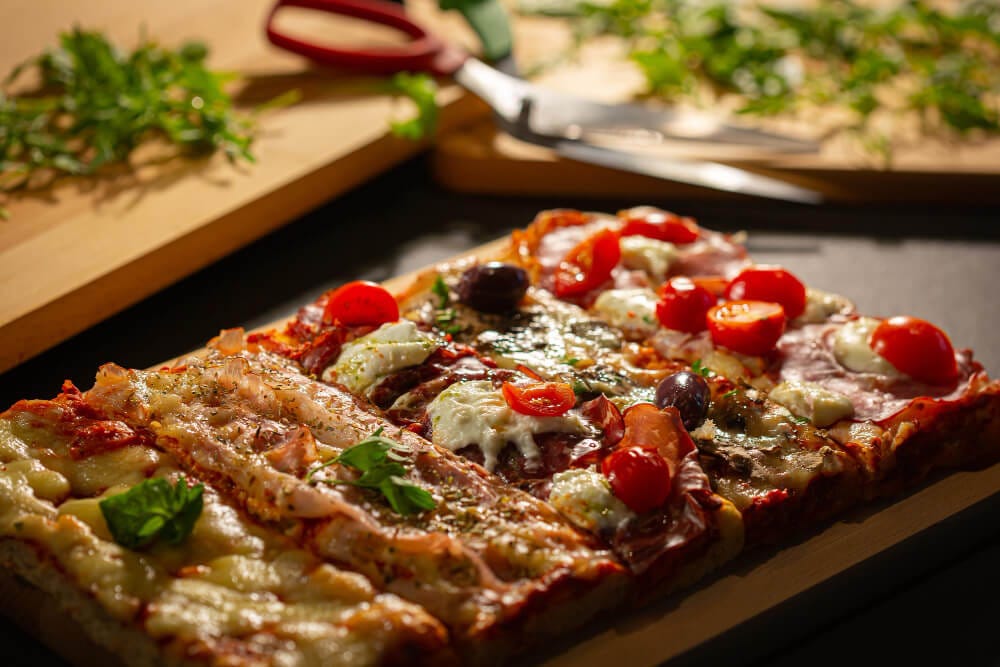
Roman street food is meant to be eaten standing up or while walking. Supplì—fried rice balls filled with mozzarella—are the most iconic snack. Pizza al taglio, sold by weight, typically costs €2.50–4 per slice, depending on toppings.
Gelato deserves attention as well. At artisanal gelaterias, expect €3–4 for a small cup or cone. Avoid places with neon colors or towering displays; muted tones usually indicate natural ingredients.
Florence: Tuscan Simplicity and Market Culture
Florence’s food reflects the agricultural traditions of Tuscany. Ingredients matter more than technique, and dishes are often hearty, rustic, and deeply satisfying.
Trattorias: Tuscan Cooking at Its Best
Florentine trattorias focus on meat, legumes, bread, and olive oil. Trattoria Mario, near the San Lorenzo Market, is famous for bistecca alla Fiorentina. The steak is priced by weight, usually €5–6 per 100g, with a typical portion costing €40–55 to share.
Osteria Vini e Vecchi Sapori offers classic Tuscan pasta dishes such as ribollita or pappardelle al cinghiale, usually priced between €12–16. Seating is limited, and reservations are essential.
Trattoria da Ruggero provides a more relaxed local atmosphere, with pasta dishes around €11–14 and house wine at very reasonable prices.
Markets: The Heart of Florentine Food Life
Mercato Centrale is the city’s most famous food market. On the ground floor, vendors sell fresh pasta, meats, cheeses, and olive oil. The upstairs food hall offers casual meals, with dishes typically priced €10–15.
Sant’Ambrogio Market is more local and less crowded. Here, you will find seasonal produce, bread, truffles, and small food stalls serving simple lunches for €8–12.
After visiting these markets, exploring less obvious neighborhoods adds depth to your experience. The article Hidden Gems in Florence That Most Tourists Miss highlights quieter streets and local spots that pair perfectly with food-focused wandering.
Street Food: Florence’s Bold Flavors
Lampredotto, a sandwich made from slow-cooked cow’s stomach, is Florence’s most famous street food. Sold from street carts, it costs €4–6 and is often served with salsa verde.
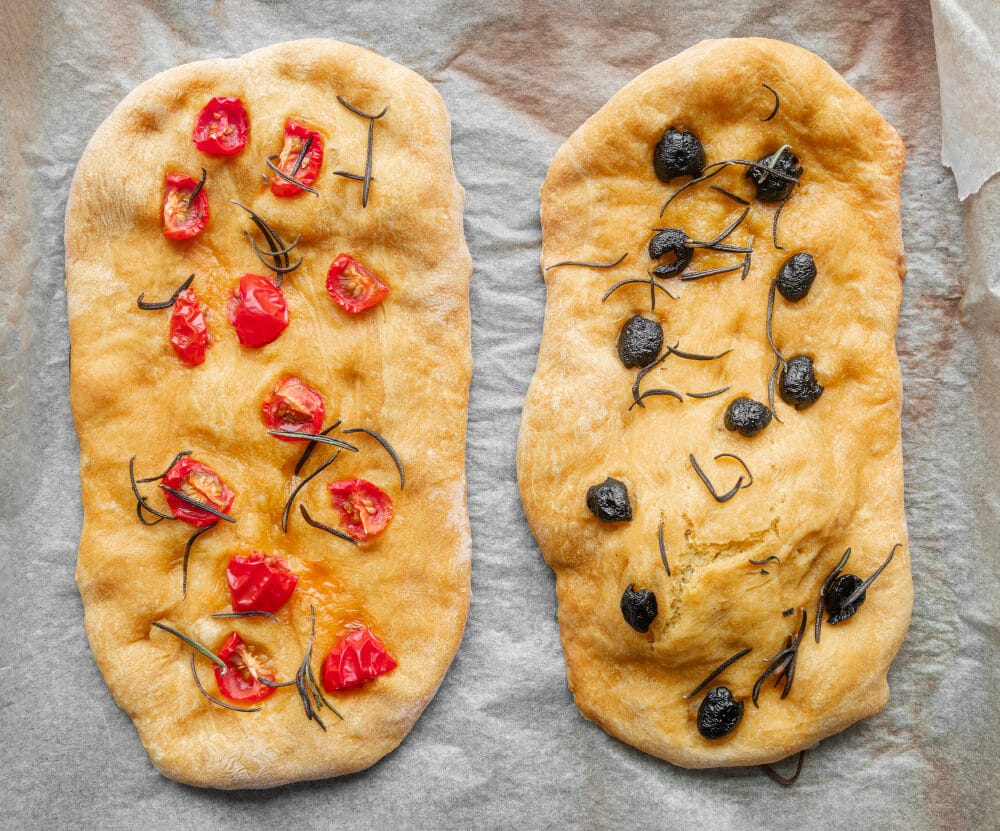
Schiacciata, a Tuscan flatbread, is widely available and commonly filled with prosciutto, cheese, or vegetables. Expect prices around €4–7 for a substantial sandwich.
Gelato remains a highlight here as well, with artisanal shops charging €2.50–4 per serving.
Tip: In Florence, many markets and street food stands close mid-afternoon. Plan tastings earlier in the day and reserve evenings for seated dinners.
Naples: Pizza, Pastries, and Pure Energy
Naples is loud, chaotic, and unapologetically passionate about food. It is the birthplace of pizza and one of Europe’s greatest street food cities.
Trattorias and Pizzerias
Neapolitan trattorias are informal and lively. Trattoria da Nennella in the Spanish Quarter is known as much for its atmosphere as for its food. Pasta dishes typically cost €10–13, and portions are generous.
For pizza, L’Antica Pizzeria da Michele and Sorbillo are legendary. A classic Margherita pizza costs €5–7, making it one of the best-value meals in Europe.
Antica Trattoria da Carmine offers traditional dishes like pasta with seafood or meat sauces, with mains usually priced €14–18.
Markets and Street Food Culture
Mercato di Porta Nolana is best visited early in the morning, when fishermen deliver fresh seafood. Prices are lower than in restaurants, and the atmosphere is intensely local.
Mercato Pignasecca is ideal for street food. Pizza fritta, a deep-fried stuffed pizza, costs €3–5, while arancini and fried snacks range from €2–4.
Spaccanapoli itself acts as a living market, with bakeries, cheese shops, and pastry counters lining the street.
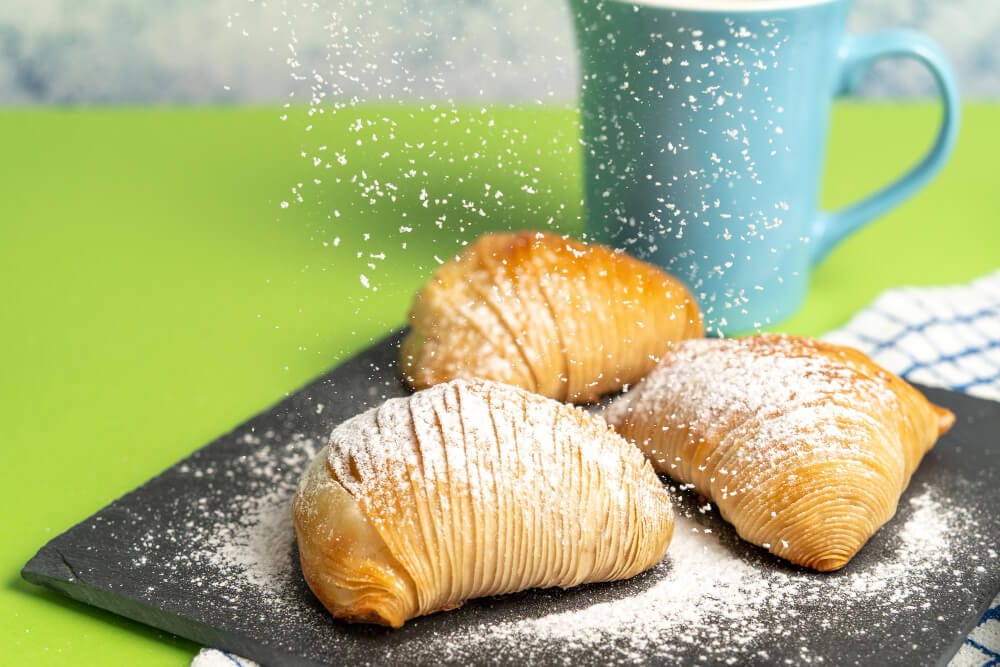
Sfogliatella, Naples’ iconic pastry filled with ricotta and citrus, costs €2–3 and is best eaten warm from a neighborhood bakery.
Practical Food Tips for First-Time Visitors
Dining hours matter. Lunch generally runs from 12:30 to 2:00 pm, while dinner starts late, often after 7:30 pm. Markets are best visited in the morning, when selection is freshest.
Reservations are recommended for popular trattorias, especially in Rome and Florence. In Naples, pizza places often operate on a first-come basis.
Carry some cash. While most restaurants accept cards, smaller markets and street vendors may not.
Pace yourself. Italian meals are meant to be enjoyed slowly, and trying too much at once can dull the experience.
Conclusion
Experiencing Italy through food in Rome, Florence, and Naples offers more than memorable meals—it provides insight into how Italians live, socialize, and define quality. Roman pasta traditions, Tuscan simplicity, and Neapolitan street food each reflect a distinct regional identity shaped by history and local pride.
By focusing on markets, trattorias, and street food rather than tourist-heavy restaurants, first-time visitors gain a more authentic, satisfying experience. This culinary journey transforms a trip to Italy into something personal, immersive, and deeply rewarding—one plate at a time.