Rome is one of the most intense cities in Europe. Its density of history, crowds, noise, and movement can be exhilarating—but also exhausting. One of the smartest ways to balance a Rome itinerary is to step outside the city for a day. Central Italy is compact, well connected, and full of destinations that feel entirely different from the capital, yet are reachable in under two hours.
This guide to the best day trips from Rome is designed specifically for first-time visitors who want maximum contrast with minimal effort. Every destination listed here is realistic as a day trip, clearly different in atmosphere, and accessible by train or car without complex planning. Travel times are included so you can immediately judge what fits your energy level and schedule.
Why Day Trips from Rome Are Worth It
Rome rewards slow travel, but staying inside the city for too long without a break can flatten the experience. Day trips add breathing room. They introduce quieter streets, open landscapes, and smaller towns where daily life feels more visible and less performative.
For American travelers especially, these nearby destinations help recalibrate expectations. Distances are shorter than they appear on the map, and the shift in pace is immediate. In one day, you can move from chaotic piazzas to vineyard hills, medieval lanes, or ancient ruins surrounded by silence.
If Rome is part of a broader Italy route, these destinations also fit naturally into a longer journey. They pair especially well with itineraries that continue north or south, such as a Tuscany-to-Amalfi route, without requiring extra hotel changes.
Tivoli: Renaissance Villas and Ancient Power
Travel time: about 40 minutes by car or 45–50 minutes by train from Rome Tiburtina
Tivoli is the most straightforward and culturally rich day trip from Rome. It works well for first-time visitors because the logistics are simple and the payoff is immediate. The town sits in the hills east of Rome and has been a retreat for emperors, popes, and nobles for nearly two thousand years.
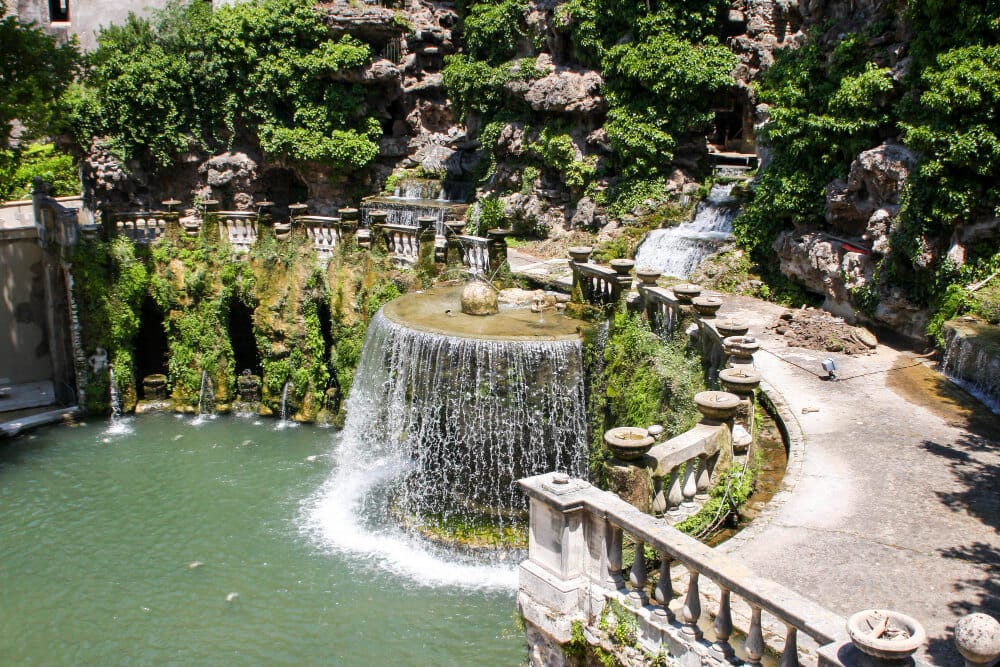
Villa d’Este is the main draw. Its Renaissance gardens, cascading fountains, and precise geometry feel like controlled nature elevated to art. Unlike museums in Rome, the experience here is outdoors and spacious. Plan at least two hours to walk the terraces slowly. As of 2026, standard entry is approximately €15, with combined tickets available if you plan carefully.
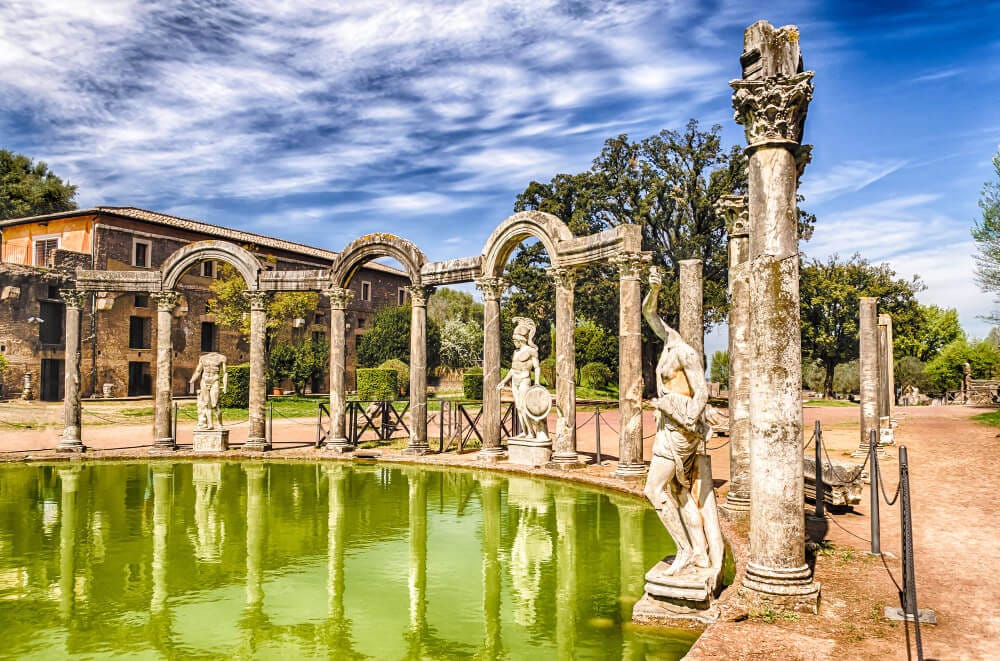
Just outside town lies Hadrian’s Villa, an enormous archaeological complex that once functioned as a self-contained imperial city. It is less visually polished than Villa d’Este but far more expansive. The scale alone makes it impressive, and crowds are usually lighter. Entry costs around €14, and visiting both sites in one day is realistic if you start early.
Tip: If you want to see both Villa d’Este and Hadrian’s Villa in one day, use a taxi or rideshare between them. Walking adds unnecessary fatigue and eats into exploration time.
Orvieto: Hilltop Drama and Underground History
Travel time: about 1 hour by train or 1.5 hours by car
Orvieto feels like a different region altogether. Sitting atop a volcanic plateau in Umbria, it delivers immediate visual impact and a slower rhythm that contrasts sharply with Rome. The train journey is direct and comfortable, making this one of the best no-car day trips.
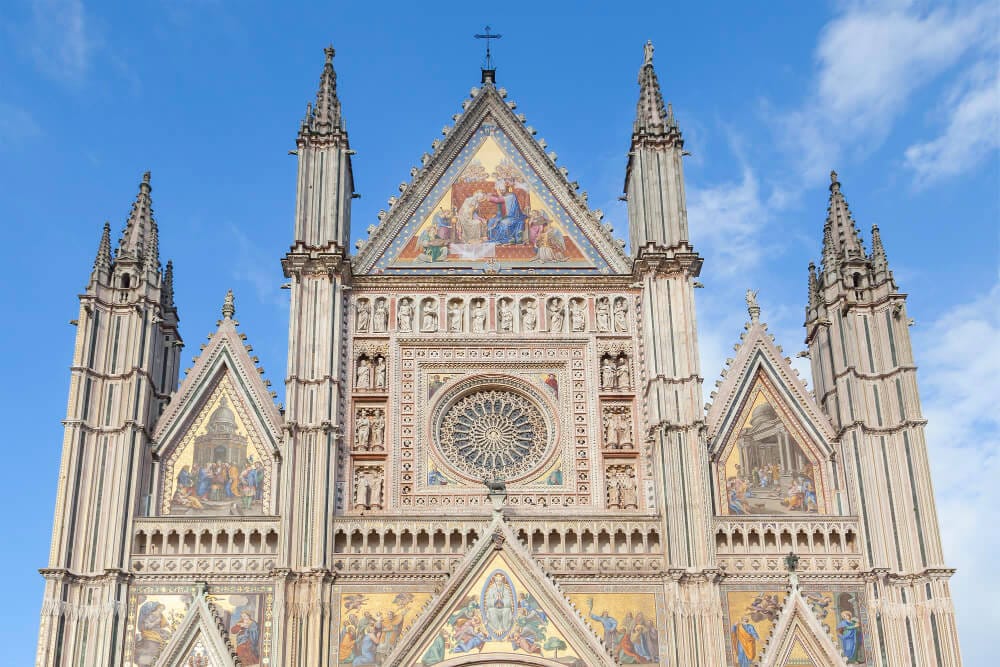
The Duomo di Orvieto dominates the town. Its façade, layered with mosaics and sculpture, is one of the most striking Gothic exteriors in Italy. Inside, frescoes depict dramatic biblical scenes that reward quiet observation. Entry is around €5–6, making it excellent value.
What many visitors miss is Underground Orvieto. Beneath the town lies a network of caves, tunnels, and cisterns carved over centuries. Guided tours cost approximately €7–8 and add depth to the visit, literally and historically.
Lunch in Orvieto is part of the experience. Umbrian cuisine is heartier and more restrained than Roman food, and prices are often lower. A relaxed meal with local white wine feels earned after the climb to the historic center.
Tip: Take the funicular from Orvieto Scalo station to the old town. It saves energy and turns the ascent into part of the experience.
Ostia Antica: Ancient Rome Without the Pressure
Travel time: about 30 minutes by train from Rome
Ostia Antica is one of the most underrated day trips from Rome and arguably the easiest. Often compared to Pompeii, it offers remarkably preserved ruins with a fraction of the visitors. The train ride is short, flat, and inexpensive.
What makes Ostia special is its intimacy. You can walk freely through former apartment blocks, bakeries, taverns, and bathhouses without barriers or timed entry. The site feels open and human-scaled, not monumental in the way the Roman Forum can feel overwhelming.
Entry costs around €18 (often included in broader archaeological passes), and half a day is enough to explore without rushing. Because the terrain is flat, it suits all fitness levels.
This is an ideal option if you want a cultural experience without committing a full day or long journey.
Frascati: Wine, Local Life, and Easy Escape
Travel time: about 30 minutes by train or 40 minutes by car
Frascati sits in the Alban Hills and functions as Rome’s traditional wine town. Unlike Tivoli or Orvieto, it is not built around a single attraction. Its appeal lies in atmosphere, food, and local rhythm.
The historic center is compact and walkable. Cafés, bakeries, and trattorias feel local rather than curated for visitors. Frascati DOC wine is light, dry, and affordable, and many wine bars offer tastings for the price of a glass.
This destination works particularly well as a half-day trip, returning to Rome by late afternoon. It’s a good choice if your schedule is tight or you want a low-effort break from sightseeing.
Civita di Bagnoregio: The Dramatic Outlier
Travel time: about 2 hours by car; possible by train and bus but time-intensive
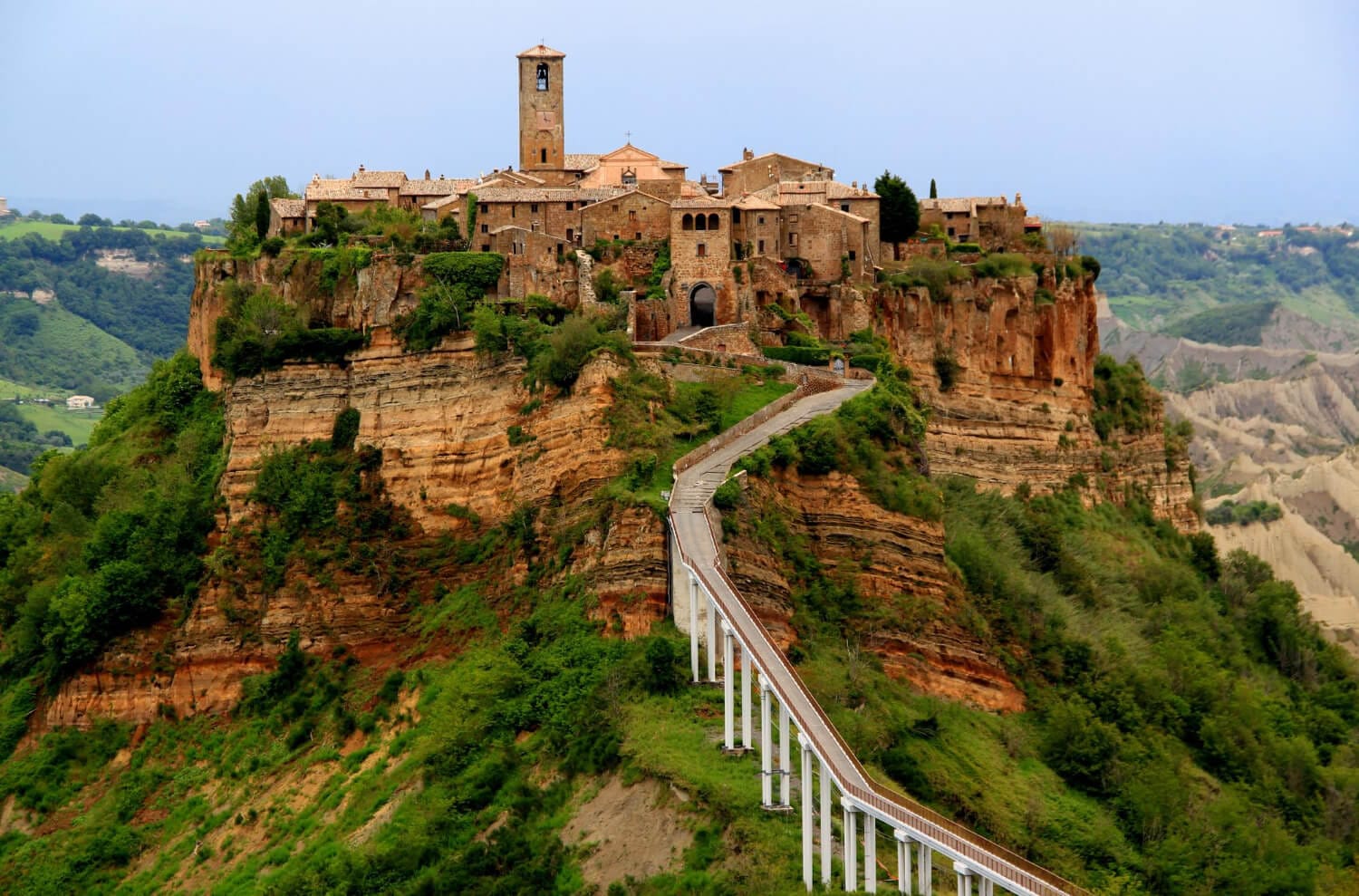
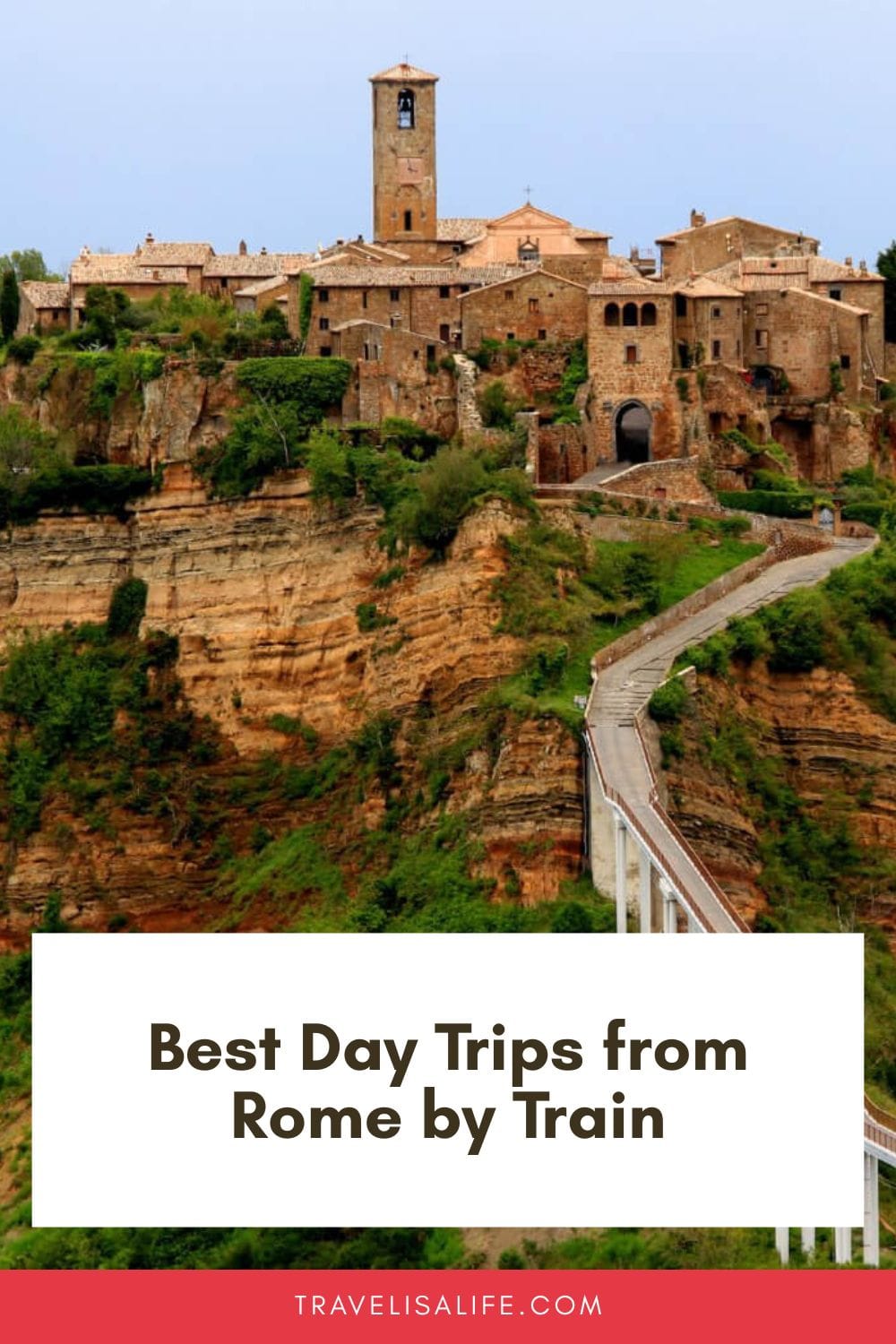
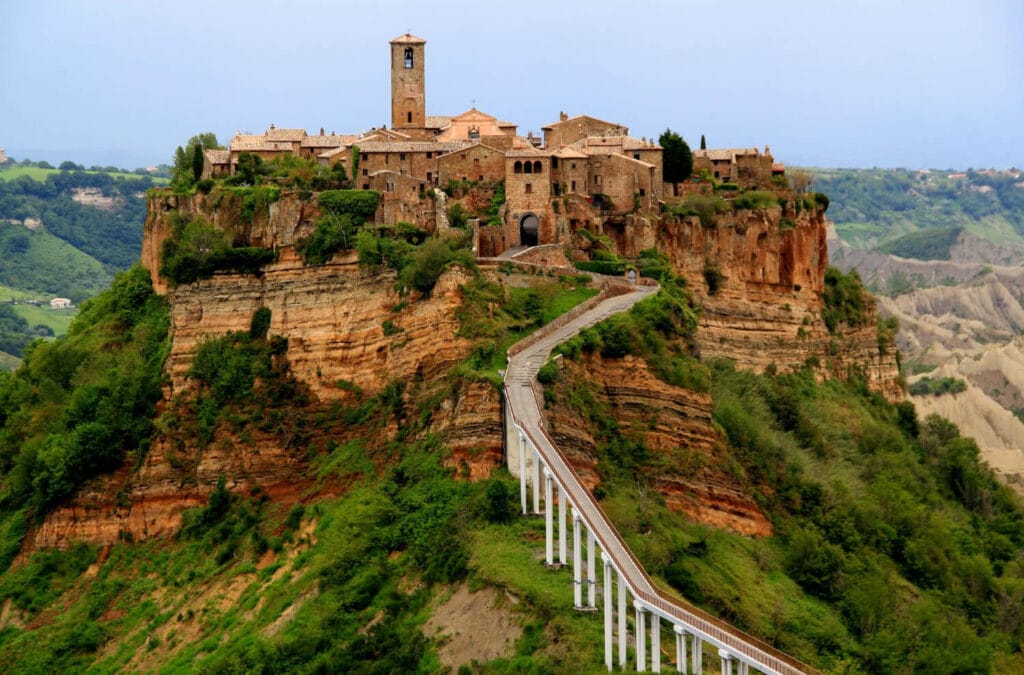
Civita di Bagnoregio is visually unforgettable but logistically demanding. Perched on a crumbling hill and connected by a single pedestrian bridge, it feels suspended in time. The town is small, quiet, and intentionally preserved.
Because of erosion and limited access, visitors pay a conservation fee of around €5 to enter. One to two hours is enough to explore fully.
This is not the best choice for a spontaneous day. It works best if you are renting a car and want a destination that feels truly removed from Rome.
Castel Gandolfo and Lake Albano: Calm and Views
Travel time: about 45 minutes by train or 1 hour by car
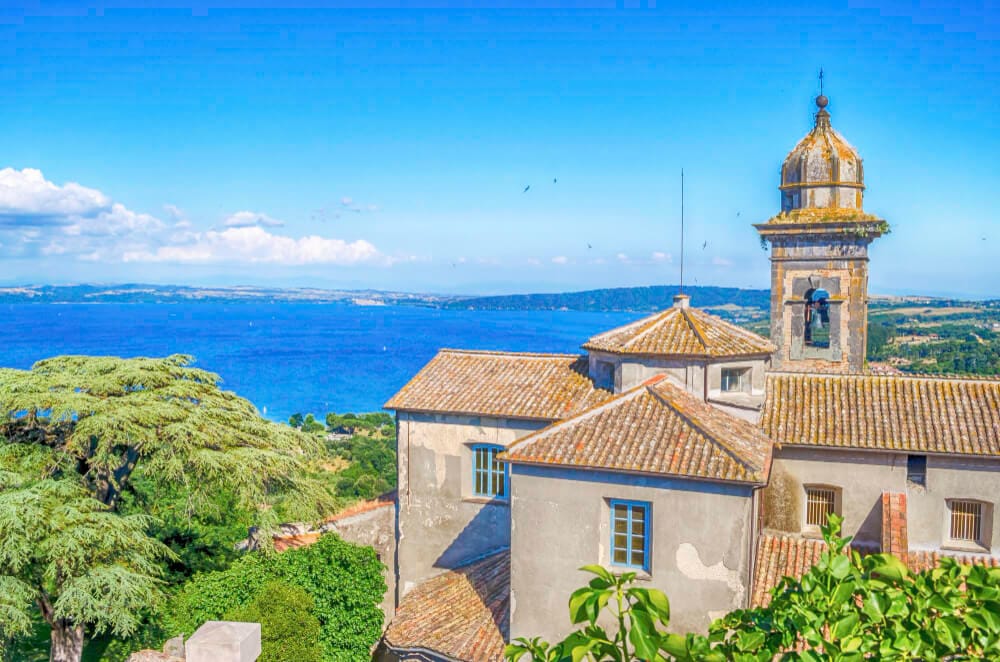
Castel Gandolfo overlooks Lake Albano and serves as the Pope’s traditional summer residence. The town is peaceful, green, and ideal for travelers seeking light sightseeing with nature.
The Papal Palace and gardens are open to visitors, with combined tickets around €12–15 depending on access areas. Even without entering, the lake views and walking paths make the trip worthwhile.
This destination is particularly appealing in warmer months, when Rome feels heavy and crowded.
Train or Car: What Works Best?
For most first-time visitors, trains are the better option. They are predictable, affordable, and remove the stress of parking and navigation. Tivoli, Orvieto, Ostia Antica, Frascati, Bracciano, and Castel Gandolfo are all well served by rail.
A car becomes useful if you plan to visit Civita di Bagnoregio or want to combine multiple rural stops in one day. If you are staying centrally in Rome and only plan one or two day trips, trains cover nearly everything you need.
Tip: If this is your first visit to Italy, choose train-based day trips. Save driving for regions where public transport is limited.
How to Choose the Right Day Trip
The best day trip depends on your priorities. If you want grand architecture and gardens, Tivoli delivers. If you want atmosphere and food, Orvieto or Frascati are better choices. For ancient history without crowds, Ostia Antica is unmatched. For scenery and calm, look to lakeside towns.
Avoid trying to combine multiple destinations in one day unless travel times are extremely short. One well-chosen place will always feel richer than two rushed stops.
Conclusion
Day trips from Rome expand your understanding of Italy without complicating your itinerary. Within one to two hours, you can access hill towns, ancient ports, wine villages, and landscapes that reset your pace and perspective.
For first-time visitors, these destinations provide contrast, calm, and clarity. They make Rome feel sharper when you return, not heavier. Choose one that fits your energy level, start early, and let the day unfold without pressure.
If you want to approach the capital itself with the same mindset, Rome Travel Guide: How to Experience the Eternal City Slowly explains how to balance intensity with ease before and after these excursions.