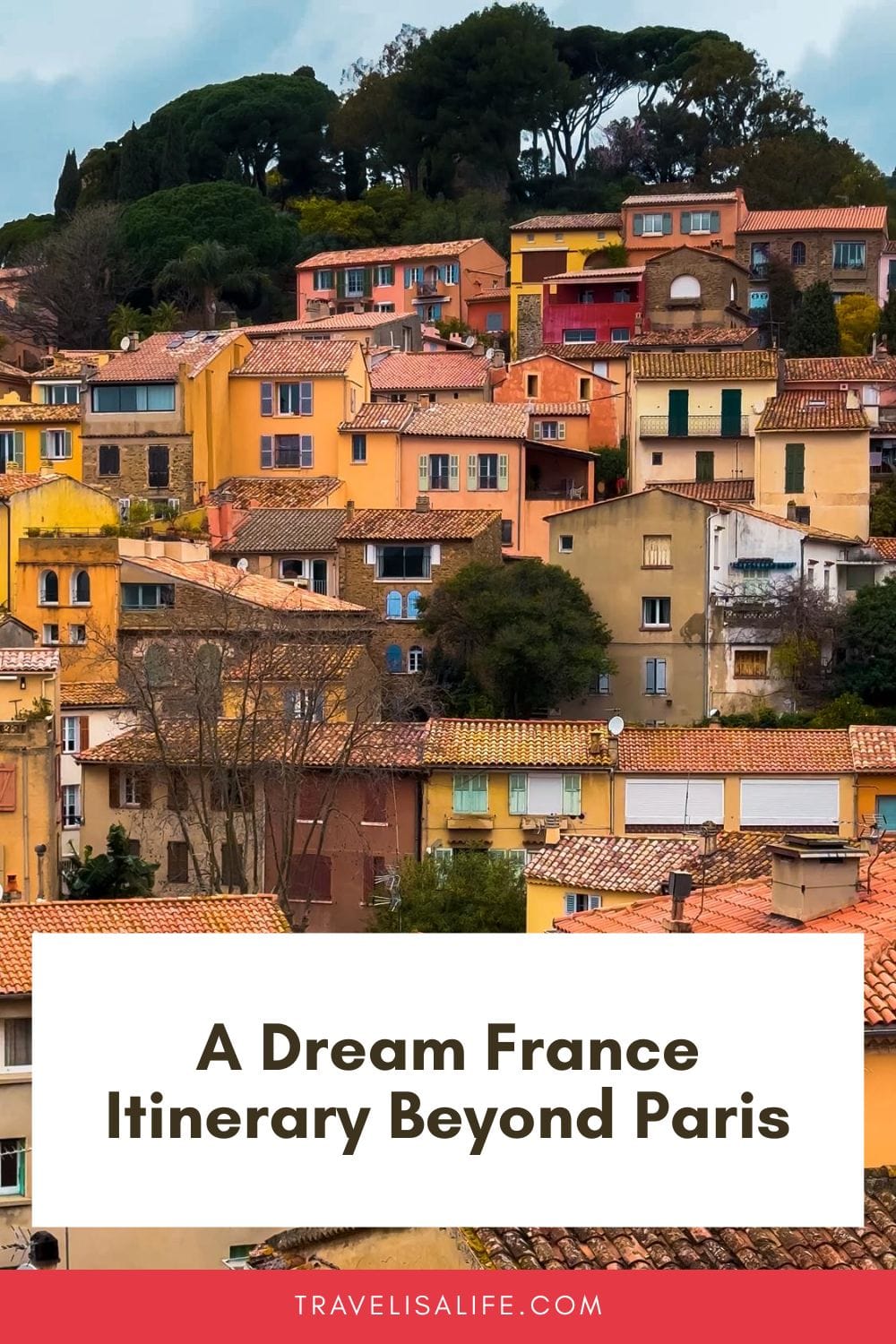
For many travelers, Paris is the obvious first stop in France. Its iconic landmarks, art, and cuisine have earned global fame, but venturing beyond the capital reveals a world of contrasting landscapes, charming villages, and regional culture. Southern lavender fields, sun-drenched Mediterranean towns, and storybook villages in Alsace show a France that is vibrant, diverse, and surprisingly intimate.
This 7-day itinerary is designed for travelers who want to experience more than Paris. In just a week, you can explore Provence, the French Riviera, and Alsace, blending scenic drives, cultural highlights, local cuisine, and relaxed exploration. The focus is on quality over quantity: fewer destinations, deeper experiences, and an itinerary that feels manageable without feeling rushed.
For first-time visitors, it’s worth pairing this itinerary with the First-Time France Travel Guide to understand practical logistics, transportation options, and cultural tips before you hit the road.
Why Travel Beyond Paris?
Paris is exceptional, but it represents only a fraction of France’s character. Traveling beyond the capital allows you to:
- Encounter landscapes ranging from lavender-covered hills to rugged coastal cliffs.
- Immerse yourself in regional traditions, from Provençal cuisine to Alsatian wine.
- Escape overcrowded tourist spots and discover authentic, slower-paced towns.
- Experience both history and contemporary French culture in multiple contexts.
This itinerary is particularly suitable for American travelers seeking variety, comfort, and authenticity. By focusing on three key regions, you get a multi-faceted glimpse of France without sacrificing leisure time or spontaneity.
Day 1: Arrival in Provence – Avignon or Aix-en-Provence
Fly into Marseille or take the high-speed TGV from Paris to Avignon or Aix-en-Provence. These towns serve as perfect southern French bases.
Spend your first day settling in and soaking up the local pace. Explore historic streets, stroll through open-air markets, and enjoy a long lunch — a staple of Provençal culture. Avignon, with its medieval city walls and Papal Palace, exudes history, while Aix-en-Provence offers an artistic, elegant ambiance with fountains, galleries, and shaded squares.
In the evening, dine outdoors, sampling Provençal classics such as ratatouille, tapenade, or freshly grilled fish with a glass of local rosé. The ritual of lingering over a meal, watching the sun soften the stone façades, sets the tone for the rest of your journey.
Tip: Choose accommodation with parking if you plan to rent a car. Driving in Provence is ideal, but city parking can be limited.
Day 2: Luberon Villages & Lavender Landscapes
On your second day, rent a car and explore the Luberon region — one of France’s most photogenic areas. The drive itself is as rewarding as the stops. Rolling vineyards, olive groves, and pastel-colored villages define the Provençal countryside.
Key villages include:
- Gordes: A hilltop village with panoramic views that epitomize southern France.
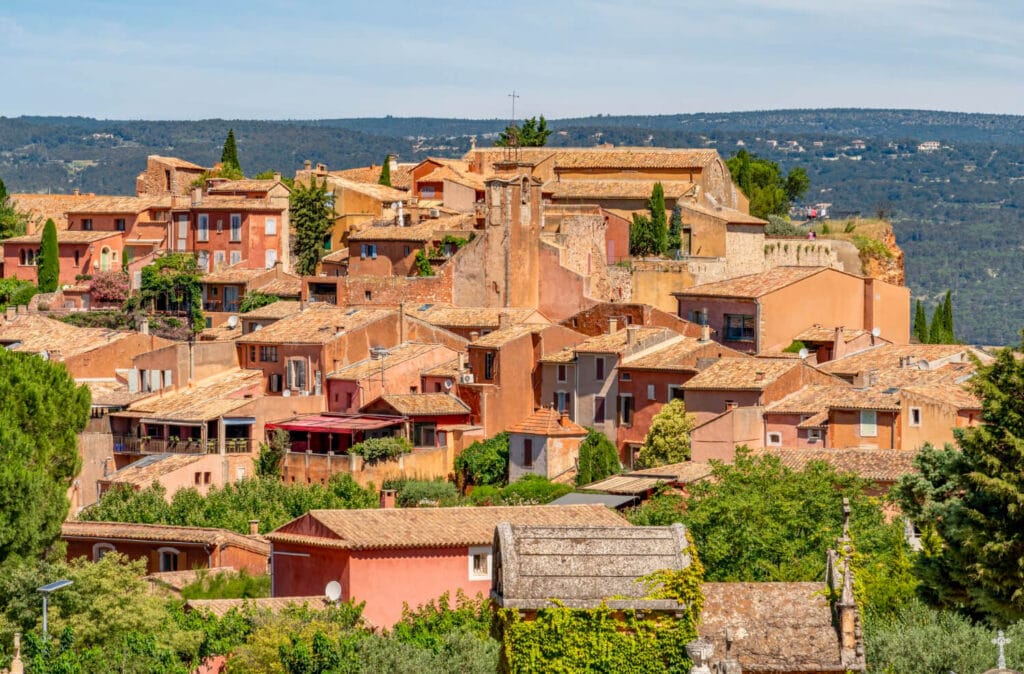
- Roussillon: Famous for its red and orange ochre cliffs.
- Ménerbes or Bonnieux: Quaint, quieter villages with traditional stone houses.
Visit between late June and mid-July to see lavender fields in full bloom; outside this season, vineyards, orchards, and charming plazas still make the drive unforgettable. Stop at a small café along the way to sample local pastries and espresso while enjoying a view of terraced hillsides.
Tip: Drive slowly and allow for spontaneous detours — some of the most memorable discoveries happen when following a side road or local sign.
Day 3: Provence to the French Riviera
After breakfast, set off east toward the Mediterranean. The route from Provence to the Riviera transitions from rolling countryside to coastal scenery, with palm-lined streets and shimmering waters signaling a new pace.
Optional stops:
- Aix-en-Provence: Stop for a café or stroll through Cours Mirabeau.
- Saint-Paul-de-Vence: Famous for art galleries and cliffside views.
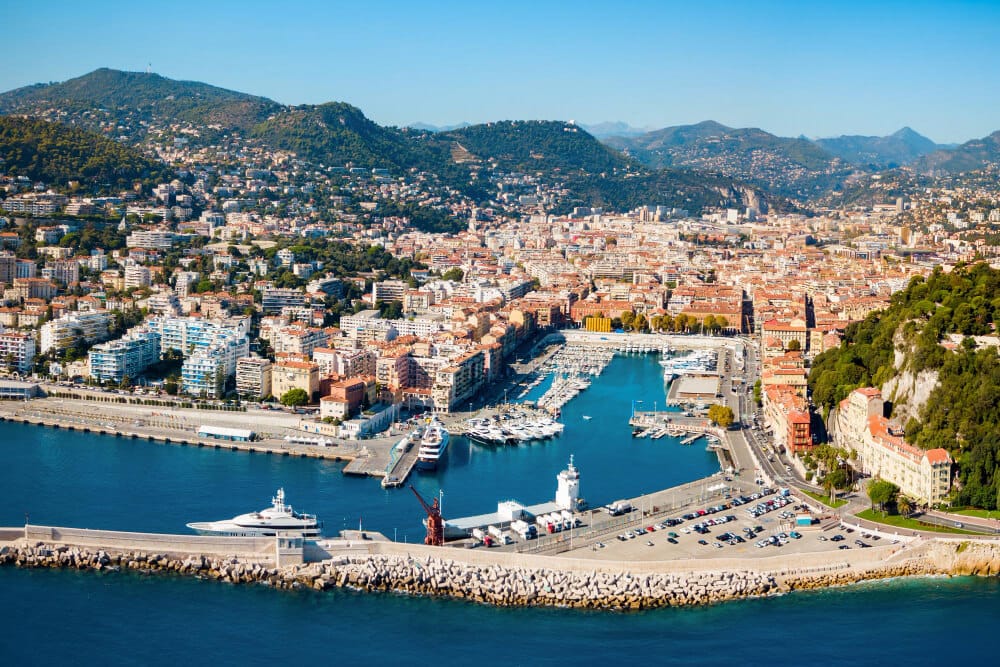
Arrive in Nice or Antibes by the afternoon. Spend the evening strolling along the Promenade des Anglais or exploring Old Town (Vieux Nice), where narrow streets reveal boutique shops, wine bars, and lively squares. This shift from the quiet of Provence to the cosmopolitan Riviera highlights the diversity of French landscapes and lifestyles.
Tip: Start early to beat coastal traffic and enjoy the Mediterranean light for photography.
Day 4: Exploring the French Riviera
Dedicate a full day to the Riviera, which combines glamour, history, and natural beauty. Despite its international reputation, the region is surprisingly compact, allowing multiple stops in one day.
Highlights include:
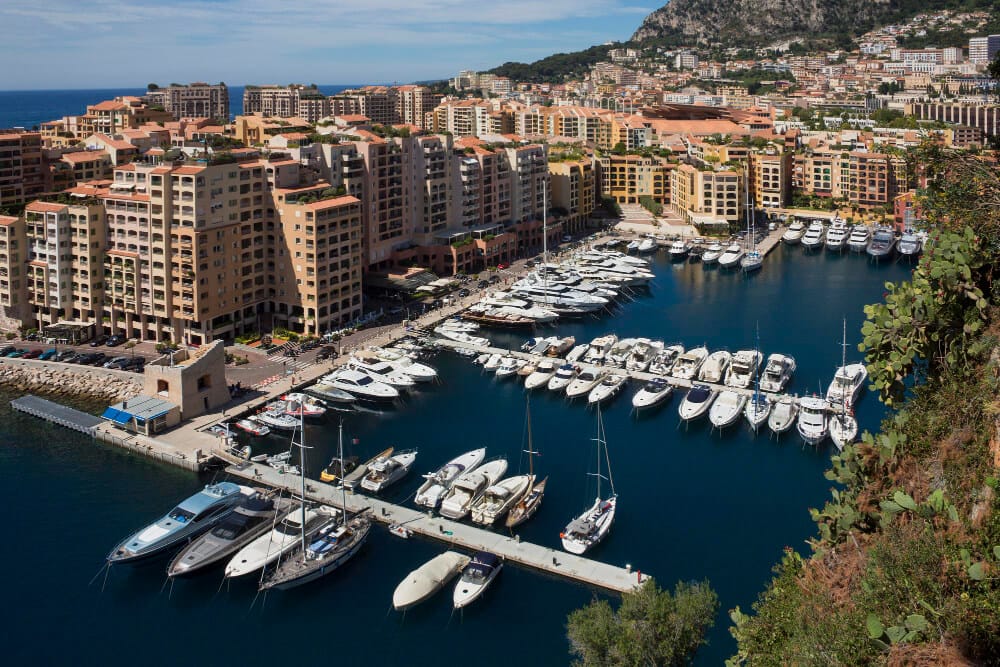
- Monaco & Monte Carlo: Luxury, casinos, and panoramic coastal views.
- Èze Village: A cliffside medieval town with stunning sea vistas.
- Antibes: Beaches, fortresses, and an old town with artisan shops.
The Riviera contrasts strongly with Provence’s rural charm, offering energy, elegance, and a Mediterranean lifestyle. Early mornings are ideal to enjoy quieter streets and unobstructed views, particularly in popular spots like Monaco or Èze.
Tip: Plan meals around local specialties, such as socca in Nice or fresh seafood along the coast.
For planning details and town-by-town tips, see this French Riviera Travel Guide for First-Time Visitors, especially helpful if you’re fitting the coast into a tight itinerary.
Day 5: Travel to Alsace – Strasbourg
Leave the Riviera and head north to Alsace, either by flight or TGV. The cultural shift is immediate: timber-framed houses, canals, and German-influenced cuisine set a different tone from southern France.
Spend your first evening in Strasbourg, wandering Petite France, the city’s most picturesque district. Bridges over canals, flower boxes, and half-timbered houses make this area especially atmospheric at sunset. Pair a stroll with local Alsatian cuisine such as tarte flambée (flammekueche) and a glass of crisp Riesling.
Tip: Book accommodations near the city center to maximize evening exploration without driving.
Day 6: Alsace Wine Route & Storybook Villages
Explore Alsace by car along the famed Wine Route. The region’s compact size makes it perfect for relaxed driving, stopping in picture-perfect towns.
Highlights include:
- Colmar: Often called the most beautiful town in France, with canals and medieval streets.
- Eguisheim: Circular streets lined with vineyards and local shops.
- Riquewihr: Preserved medieval architecture with colorful facades.
Each village invites slow exploration, from sampling local wines to wandering quiet lanes. Unlike bustling tourist hubs, Alsace emphasizes intimacy and culture. A single afternoon can yield multiple memorable experiences if approached at a leisurely pace.
Tip: Consider wine tastings at smaller family-owned vineyards — they are often more personal and informative than commercial estates.
For a detailed route, village highlights, and driving tips, see this Alsace Wine Route: Fairytale Towns Between France & Germany guide.
Day 7: Return to Paris or Departure
Your final day can be spent returning to Paris by TGV, or departing directly from Strasbourg or nearby airports. Leave time for a last café visit, a riverside stroll, or souvenir shopping in local markets. This ensures a reflective conclusion to a journey that spans France’s diversity — from lavender fields and coastal charm to storybook villages and alpine-style towns.
This itinerary is designed to leave travelers with a sense of the country’s full character, rather than a narrow impression limited to one city. It balances urban exploration, countryside drives, and coastal relaxation in a single, manageable week.
Practical Planning Advice
France is easy to explore when you plan strategically:
- Trains: Book high-speed TGV tickets early for savings and preferred times.
- Cars: Rent compact vehicles for Provence and Alsace; narrow streets and parking constraints make smaller cars practical.
- Luggage: Travel light if combining trains, flights, and rental cars — easier mobility enhances the experience.
- Bases: Two or three accommodations are better than changing hotels daily; it reduces packing stress and gives you time to immerse in each location.
- Timing: Early starts maximize light for photos and avoid crowds, particularly in Provence and the Riviera.
Tip: Allow flexibility for spontaneous detours — sometimes the unplanned cafés, vineyards, or alleyways are the highlights.
Final thoughts
By following this 7-day itinerary, travelers experience a diverse France beyond Paris, balancing rural charm, coastal beauty, and historic towns. From savoring Provençal cuisine to wandering Monaco’s glamorous streets and exploring Alsace’s medieval villages, the itinerary captures multiple facets of French culture in a short time. With careful planning, travel flexibility, and a focus on immersion rather than rush, this route offers a rich, memorable, and authentic journey.
FAQ
Is 7 days enough to see France beyond Paris?
Yes, if you focus on a few regions rather than trying to see everything. This itinerary prioritizes quality over quantity.
Do I need a car for this trip?
A car is highly recommended in Provence and Alsace. Trains work well between major regions.
When is the best time to follow this itinerary?
May, June, and September offer ideal weather and fewer crowds. July is popular but busier.
Is this itinerary suitable for first-time visitors?
Absolutely. It complements a Paris visit and pairs well with a First-Time France Travel Guide.
Can I do this itinerary without Paris at all?
Yes. You can fly directly into Marseille and depart from Strasbourg.