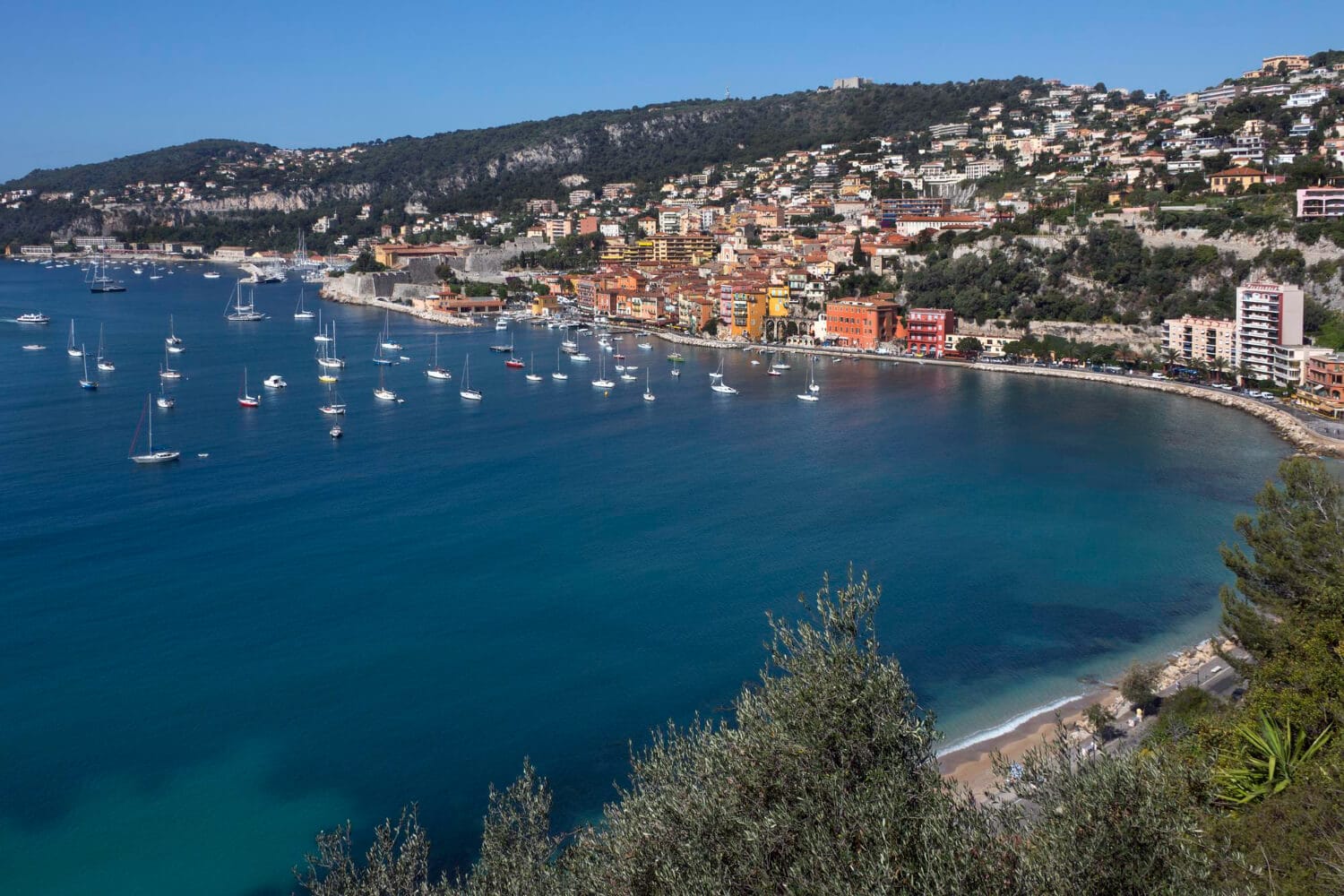
The French Riviera, or Côte d’Azur, is synonymous with sun, sea, and sophistication. From the bustling streets of Nice to the glittering harbors of Monaco and the chic charm of Cannes, this region blends Mediterranean beauty, culture, and culinary delights into an unforgettable experience. For first-time visitors, planning a trip along the Riviera can feel overwhelming, but understanding the key destinations, local rhythms, and practical travel tips ensures you enjoy everything without rushing.
Best Time to Visit the French Riviera
The Côte d’Azur enjoys a mild Mediterranean climate year-round, but the most pleasant months for first-time travelers are May through September. Summers bring warm temperatures, lively festivals such as the Cannes Film Festival, and crowded beaches. Spring and early autumn, on the other hand, offer moderate weather, blooming landscapes, and a more relaxed atmosphere, making sightseeing and photography easier.
Tip: Early morning walks along the Promenade des Anglais in Nice or watching the sunrise over a quiet beach provide both serenity and the best light for photos.
During peak season, hotel rates in Nice range from €120–€250 per night for mid-range accommodation, while Monaco and Cannes tend to be pricier, with boutique hotels often exceeding €250–€400 per night. Booking well in advance can save both money and stress.
Nice – Beaches, Culture, and Local Life
Nice is the heart of the Riviera, combining historic architecture, bustling markets, and Mediterranean beaches. The city’s charm lies in its balance: cobblestone streets, colorful façades, and outdoor cafés coexist with modern attractions and seaside leisure.
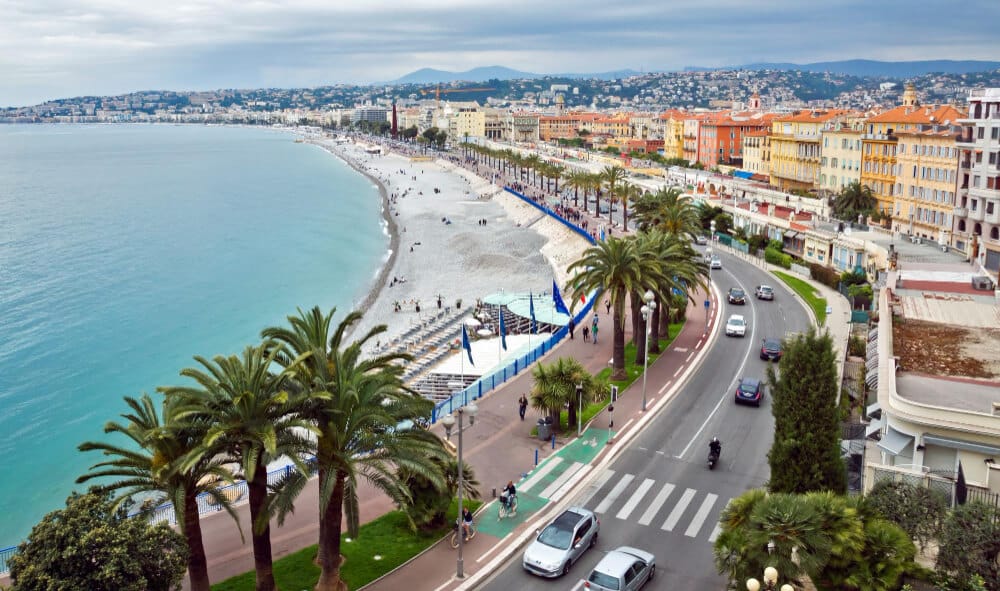
Walking along the Promenade des Anglais, visitors can take in expansive views of the turquoise bay while stopping at pebble beaches for a brief swim or sunbathing session. The Old Town (Vieux Nice) offers winding streets, artisan shops, and vibrant markets such as Cours Saleya, where fresh produce, flowers, and local specialties like socca or pissaladière tempt the senses.
Castle Hill (Colline du Château) provides panoramic views of the city and coastline. Admission to the hill is free, though small fees apply for certain viewpoints and the elevator (€4–€5).
Tip: Consider using Nice as a base to explore nearby hillside villages like Èze and Cap-Ferrat, either by rented car (€35–€50/day) or bus. The flexibility allows you to enjoy quieter spots away from the tourist hubs.
Monaco – Glamour on the Mediterranean
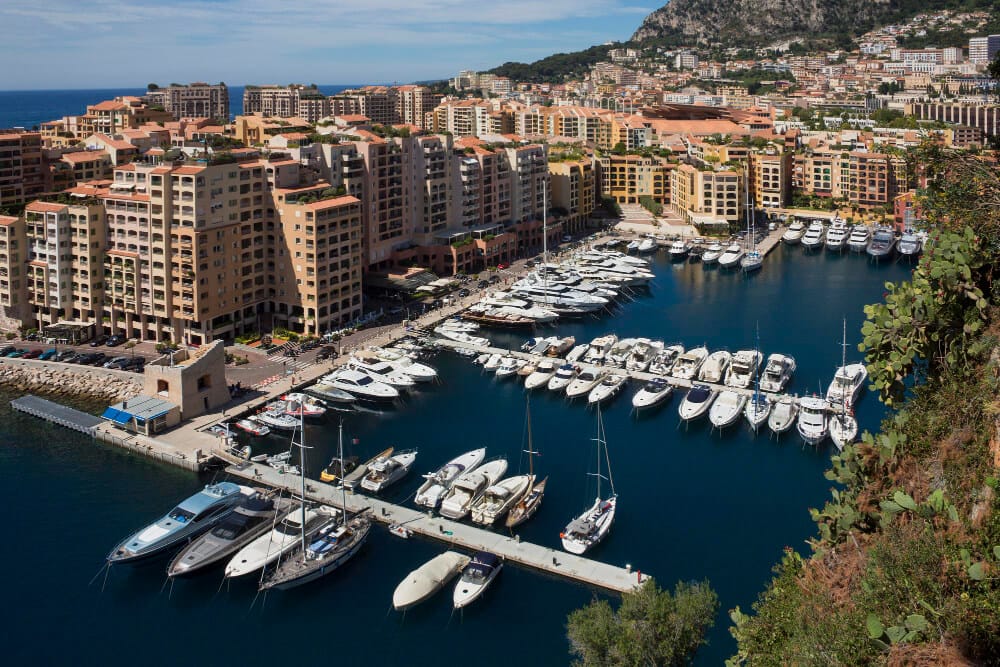
Just 30 minutes from Nice, Monaco is the epitome of luxury. Despite its compact size, the principality offers a rich blend of attractions. Visitors can watch the changing of the guard at the Prince’s Palace (€10 adult entry), stroll the harbor to admire luxury yachts, or explore the Oceanographic Museum (€16 for adults).
Monte Carlo’s legendary casino showcases opulent architecture, though entry requires a formal dress code (€17 for non-guests). The city-state’s small streets are best explored on foot, with cafes and pastry shops offering Mediterranean delights at €6–€12 per item.
Tip: Combine Monaco with nearby scenic villages like Èze or Saint-Jean-Cap-Ferrat for a day that balances glamour with quiet coastal charm.
Cannes – Beaches, Festivals, and Coastal Elegance
Cannes is world-famous for its annual film festival, but the city also provides picturesque beaches, elegant streets, and a relaxed cultural scene. La Croisette, the iconic boulevard, is lined with luxury hotels, boutiques, and cafés perfect for people-watching. The Old Port and Le Suquet historic district offer cobbled lanes, small galleries, and excellent seafood restaurants.
Public beaches in Cannes are free, while private beach clubs charge around €25–€50 per day for sun loungers and umbrella rentals. Afternoon strolls along the coast or visits to artisan markets provide a slower-paced way to enjoy the city beyond its glitz.
Tip: Visit Cannes in the shoulder season (May or September) to enjoy warm weather without overwhelming crowds, and try fresh seafood at a local bistro for €20–€30 per person.
Exploring the Coast and Scenic Drives
Beyond the major towns, the Riviera is dotted with smaller villages, quiet beaches, and cliffside viewpoints. A drive along the coastal roads between Nice, Monaco, and Cannes offers breathtaking vistas of turquoise waters, terraced hills, and Mediterranean vegetation. Saint-Paul-de-Vence, a hilltop village near Nice, exemplifies the region’s charm with its art galleries, cobblestone streets, and panoramic views.
Visiting Cap-Ferrat and Antibes provides opportunities for leisurely beach days, lighthouse walks, and local wine tasting. Renting a car is highly recommended (€35–€50/day) if you want the freedom to explore beyond the main cities. Otherwise, buses and trains connect major destinations, though they are less flexible for smaller villages.
Local Cuisine and Mediterranean Flavors
Culinary experiences are central to any Riviera visit. Fresh seafood, locally grown produce, and Mediterranean staples like olive oil, socca, and tapenade define the region. A typical lunch at a seaside café costs €15–€25, while dinner at a mid-range restaurant ranges from €30–€50 per person. Markets, such as Nice’s Cours Saleya or Cannes’ Forville Market, offer fresh ingredients for picnics along the coast.
Wine tasting in local vineyards, especially near Nice and Antibes, provides an introduction to Provence-style wines. Expect to pay €15–€25 for a tasting session per person, sometimes including local snacks. Engaging with local chefs or visiting small bakeries adds authenticity and insight into regional gastronomy.
Tip: Bring cash for smaller vendors at markets, as not all accept cards. Sampling local pastries or cheeses is often the most memorable culinary experience.
Practical Travel Tips for First-Time Visitors
For first-timers, careful planning enhances enjoyment:
- Transport: Public transit is convenient in main towns, but a car offers the most flexibility.
- Timing: Start early to avoid crowds at beaches and popular landmarks.
- Packing: Comfortable walking shoes, sun protection, light layers, and a camera are essential.
- Accommodation: Staying in Nice provides central access, while smaller towns offer quieter, scenic options.
- Booking: Reserve popular hotels and attractions in advance, especially during summer and festival periods.
Final thoughts
The French Riviera is more than glamour and beaches; it’s a diverse region of culture, landscapes, and flavors. From Nice’s vibrant streets and markets to Monaco’s luxury and Cannes’ elegance, first-time visitors can experience the best of the Côte d’Azur by pacing their trip, exploring both major attractions and nearby villages, and immersing themselves in local culinary traditions.
By combining iconic towns with quieter coastal drives and hilltop villages, travelers gain a complete understanding of the Riviera’s charm. Flexibility, thoughtful planning, and engagement with local culture make a first visit not only memorable but deeply rewarding. The Côte d’Azur leaves a lasting impression, blending natural beauty, history, and Mediterranean lifestyle into a perfect introduction to southern France.
FAQ
When is the best time to visit the French Riviera?
May to September for warm weather and festival season; spring and early autumn for fewer crowds.
Which towns are must-visits on the Côte d’Azur?
Nice, Monaco, and Cannes are the highlights, with optional visits to Èze, Menton, Saint-Paul-de-Vence, and Antibes.
Do I need a car?
A car is recommended for exploring smaller villages and scenic coastal drives. Trains and buses cover main towns.
What should I pack for the Riviera?
Comfortable walking shoes, sun protection, swimwear, and light layers for evenings.