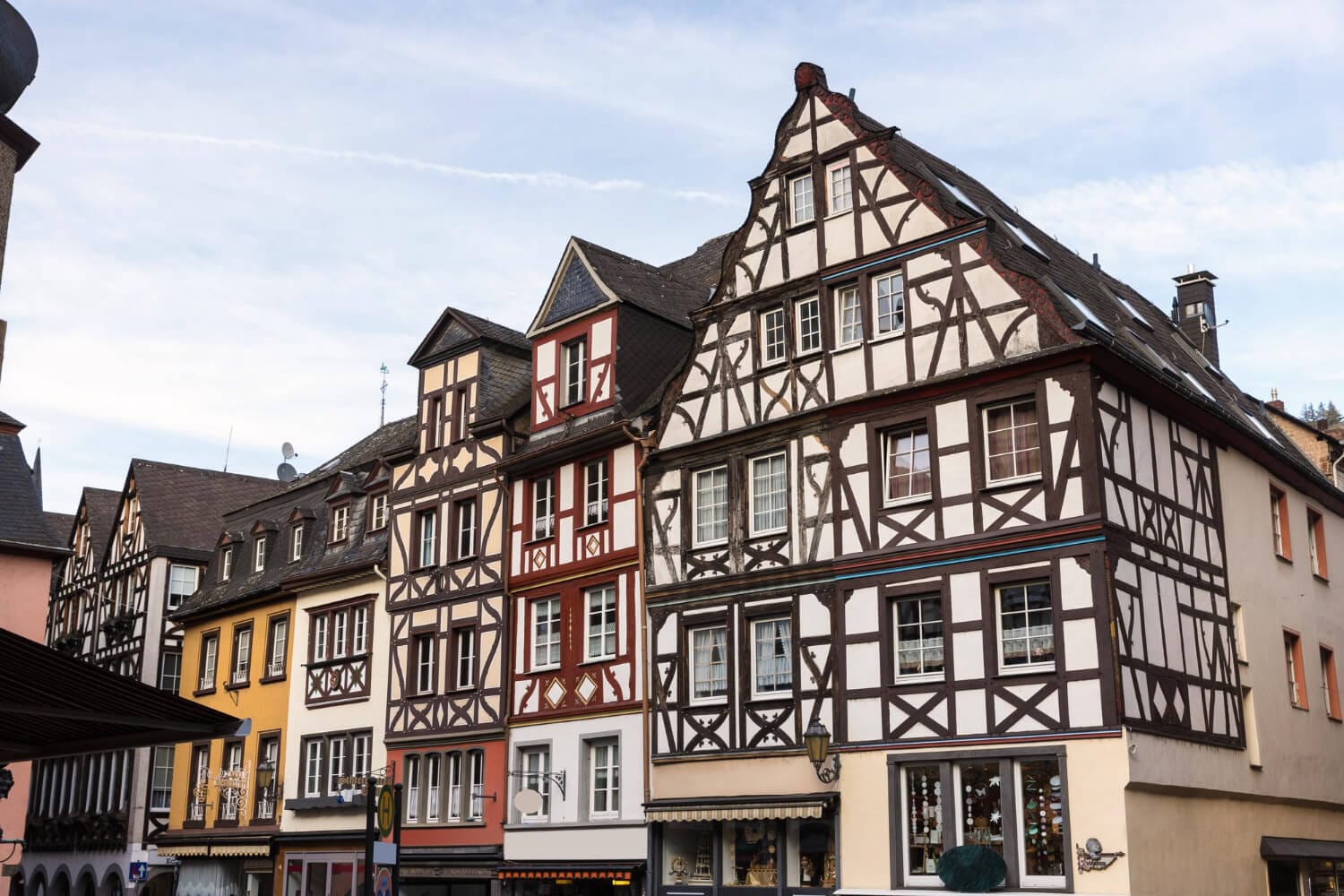
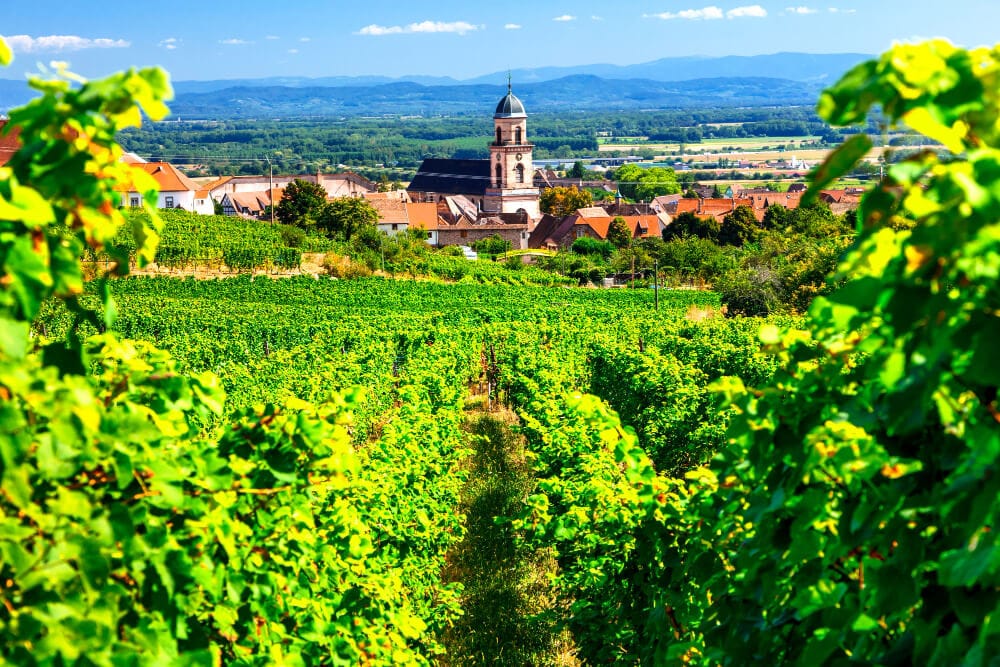
The Alsace Wine Route is one of Europe’s most visually captivating regions, stretching for roughly 170 kilometers through northeastern France along the foothills of the Vosges Mountains. Lined with vineyards, medieval villages, and pastel-colored half-timbered houses, it feels like a storybook landscape brought to life. What makes Alsace especially compelling for travelers is its cultural duality. For centuries, this region shifted between France and Germany, and that layered history is still visible today in the architecture, language, cuisine, and wine traditions.
For first-time visitors to France who want more than Paris, the Alsace Wine Route offers a slower, more immersive experience. It combines walkable towns, approachable wine tasting, and scenery that feels deliberately preserved rather than staged. Whether you are interested in wine, photography, food, or simply wandering beautiful streets, Alsace delivers without requiring expert planning or advanced travel skills.
This guide focuses on what makes the Alsace Wine Route truly special, how to explore it efficiently, what it costs today, and how to avoid the most common mistakes visitors make.
When to Visit the Alsace Wine Route
Timing matters in Alsace, not only for weather but for atmosphere. The region changes character dramatically by season.
Late spring through early autumn, from May to October, is generally the best window. May and June bring mild temperatures and blooming vineyards, making village walks comfortable and uncrowded. July and August are warmer and busier, especially in Colmar and Riquewihr, but still manageable if you start mornings early.
September and October are particularly appealing because this is harvest season. Vineyards turn golden, wine festivals take place across small towns, and many wineries are actively producing wine, which adds energy and authenticity to visits.
December is also worth mentioning. While not ideal for vineyard exploration, Alsace is famous for having some of Europe’s best Christmas markets, especially in Colmar, Riquewihr, and Kaysersberg. If your goal is festive charm rather than wine, winter can still be rewarding.
Tip: If wine tasting is a priority, aim for late September. You’ll get harvest atmosphere without peak summer crowds, and many wineries are at their most engaging.
Colmar: The Natural Gateway to the Alsace Wine Route
Colmar is widely considered the heart of Alsace and is often the first stop for visitors. Its compact old town, intersected by canals and framed by colorful timbered houses, feels almost unreal in how well preserved it is. Despite its popularity, Colmar remains highly walkable and approachable, even for travelers unfamiliar with France.
The most photographed area is La Petite Venise, a canal-lined district where houses reflect perfectly in the water. Early morning and early evening are the best times to experience it without crowds. Beyond this postcard zone, Colmar’s old town reveals quiet squares, small wine bars, and artisan shops that reward slow exploration.
One of Colmar’s cultural highlights is the Unterlinden Museum, home to the Isenheim Altarpiece and an excellent collection of medieval and Renaissance art. Admission currently costs around €13 for adults, and it is well worth the visit even if you are not typically museum-focused.
Colmar also functions as a practical base. It has good train connections, a wide range of accommodations, and easy road access to the surrounding villages and vineyards.
Colmar is the perfect starting point for exploring the Alsace Wine Route and immersing yourself in local culture. Make sure to carry a portable power bank so your phone and camera stay charged while capturing every moment.
Fairytale Villages Along the Wine Route
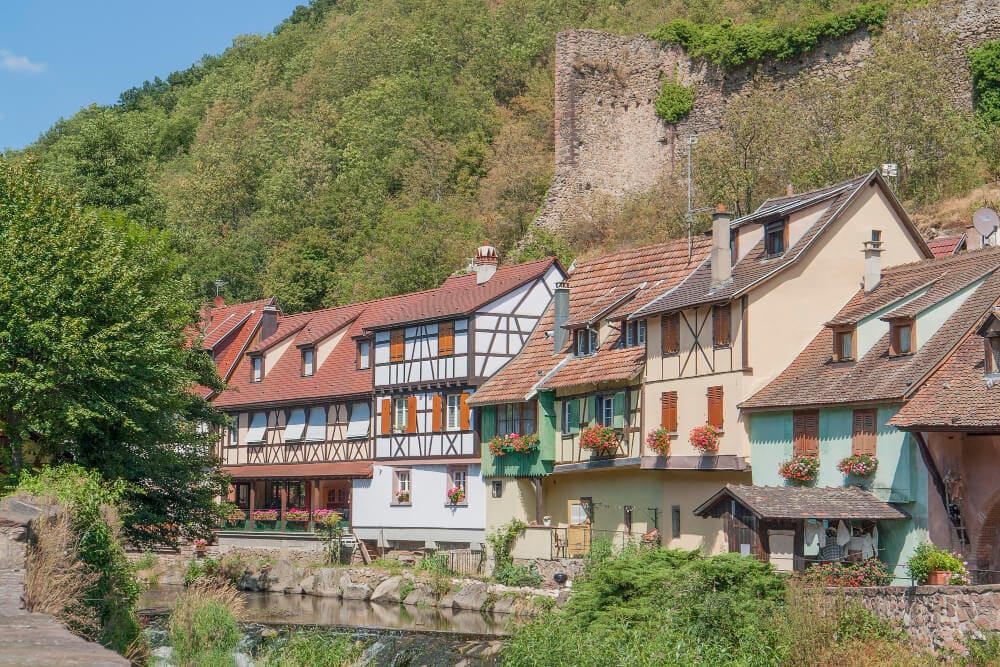
What truly defines the Alsace Wine Route is not one single town, but a sequence of villages that appear almost intentionally designed to be beautiful. Each has its own personality, yet all share common features: flower-filled windows, cobblestone streets, wine shops, and medieval details.
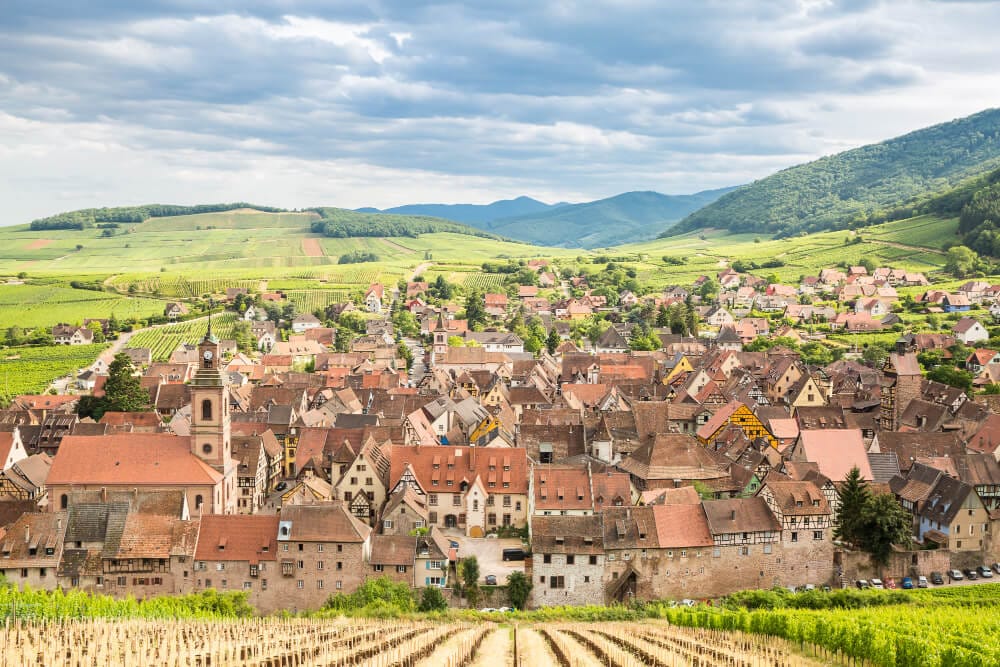
Riquewihr is one of the most iconic villages. Enclosed by medieval walls, it feels frozen in time. While busy during midday, early mornings reveal its charm more quietly. Wine shops here often specialize in Grand Cru vineyards, and tastings typically cost €5–€10, sometimes waived with a purchase.
Eguisheim is often cited as one of the most beautiful villages in France. Its unique circular layout makes wandering intuitive and relaxing. The surrounding vineyards are especially scenic, and many family-run wineries operate directly from village houses.
Kaysersberg, with its ruined hilltop castle and river crossing, feels slightly less polished and more lived-in. It offers excellent viewpoints and a more relaxed pace, making it a favorite for travelers who want beauty without constant crowds.
Rather than trying to see every village, choosing two or three and spending time walking, sitting, and tasting wine creates a much richer experience than rushing between stops.
Comfortable walking shoes, layered clothing, and a camera are essential for exploring Alsace’s cobblestone streets and vineyard paths. To move easily between Colmar and the fairytale villages, a compact foldable travel backpack is ideal for carrying water, snacks, wine purchases, and daily essentials while keeping your hands free during long scenic walks.
Wine Tasting in Alsace: What First-Time Visitors Should Know
Alsace wine culture is notably accessible. Unlike some wine regions that require appointments or structured tastings, many Alsace wineries welcome walk-in visitors, especially in smaller towns.
The region is best known for its white wines, particularly Riesling, Gewürztraminer, Pinot Gris, and Muscat. Wines are typically dry, aromatic, and food-friendly, reflecting the region’s cuisine.
Most tastings are affordable. Expect to pay €5–€15 per person, depending on the number and quality of wines sampled. English is commonly spoken, and explanations tend to be straightforward rather than technical, which suits casual wine drinkers.
Purchasing bottles directly from wineries is often cheaper than in shops, with quality bottles starting around €8–€12, and premium selections ranging from €18–€30.
Tip: If you plan to taste at multiple wineries, pace yourself and share tastings when possible. Alsace villages are compact, and wine sneaks up quickly.
Alsatian Food: More Than Just Wine
Alsace cuisine reflects its Franco-German heritage and pairs naturally with local wines. Meals here tend to be hearty, comforting, and deeply regional.
Classic dishes include tarte flambée (flammekueche), a thin, crisp flatbread topped with cream, onions, and bacon, typically costing €10–€14. Choucroute garnie, a generous platter of sauerkraut with sausages and meats, is filling enough to share and usually priced around €18–€25.
Cheese lovers should try Munster, a strong local cheese often served warm or with cumin. Bakeries are also excellent, especially for kougelhopf, a traditional Alsatian cake.
Dining in small villages often feels more personal than in major French cities, with slower service that encourages lingering rather than rushing.
Getting Around the Alsace Wine Route
While trains connect major towns like Strasbourg and Colmar, exploring the wine route fully is easiest by car. Roads are well maintained, signage is clear, and driving distances are short.
Car rental prices typically range from €50–€80 per day, depending on season and vehicle type. Parking is generally available on the edges of villages, often free or low-cost.
Public transport can work for limited exploration, but it restricts access to vineyards and smaller towns. Guided wine tours are another option, usually costing €120–€180 per person for half-day experiences, including tastings and transport.
Why the Alsace Wine Route Feels Different From Other Regions
What sets Alsace apart is balance. It offers beauty without requiring physical effort, wine without intimidation, and culture without crowds overwhelming every moment. Villages feel authentic rather than curated, and the region remains approachable even for travelers visiting France for the first time.
The compact geography allows for flexibility. You can adjust plans based on weather, energy, or curiosity without losing the essence of the experience. That adaptability is what makes Alsace especially appealing for travelers who value atmosphere over checklists.
Extending Your Trip Beyond Alsace
Alsace pairs well with other French regions if you are planning a longer journey. From here, travelers often continue south toward Provence or the French Riviera. For a broader route that combines wine regions, countryside, and coastal landscapes, consider connecting this journey with 7-Day France Itinerary Beyond Paris: Provence & Riviera, which helps structure a balanced, multi-region experience without rushing.
Final Thoughts
The Alsace Wine Route is not just a scenic drive or a wine destination. It is a region designed for slow travel, where beauty reveals itself gradually through walking, tasting, and observing everyday life. For first-time visitors to France, it offers a gentler introduction to regional travel—one that feels immersive without being overwhelming.
Whether you come for the wine, the architecture, or the storybook villages, Alsace rewards travelers who take their time. And that, more than any specific stop, is what makes this route unforgettable.
FAQ – Alsace Wine Route
When is the best time to visit the Alsace Wine Route?
May–October for mild weather, vineyard strolls, and harvest season in September–October.
Which towns are must-sees along the route?
Colmar, Riquewihr, Eguisheim, Kaysersberg, and Obernai.
Do I need a car to explore the wine route?
Yes, a car provides full flexibility to visit multiple villages and vineyards.
What wines are typical of Alsace?
Riesling, Gewürztraminer, Pinot Gris, and Pinot Blanc are the most common varietals.