Spain has a rare ability to feel both familiar and completely surprising. In a single country, you’ll find Roman amphitheaters, Moorish palaces, Atlantic cliffs, turquoise Mediterranean coves, and mountain villages where time seems to slow down. Landscapes shift dramatically from north to south, and even neighboring regions can feel like different worlds.
This guide to the most beautiful places in Spain is designed as long-term travel inspiration rather than a checklist. It mixes iconic cities with villages, coastlines, islands, and natural landmarks that show Spain’s full range. Use it to build a Spain bucket list, save ideas for future trips, or simply understand where Spain’s beauty truly lies.
Barcelona – Architecture, Hills & the Sea
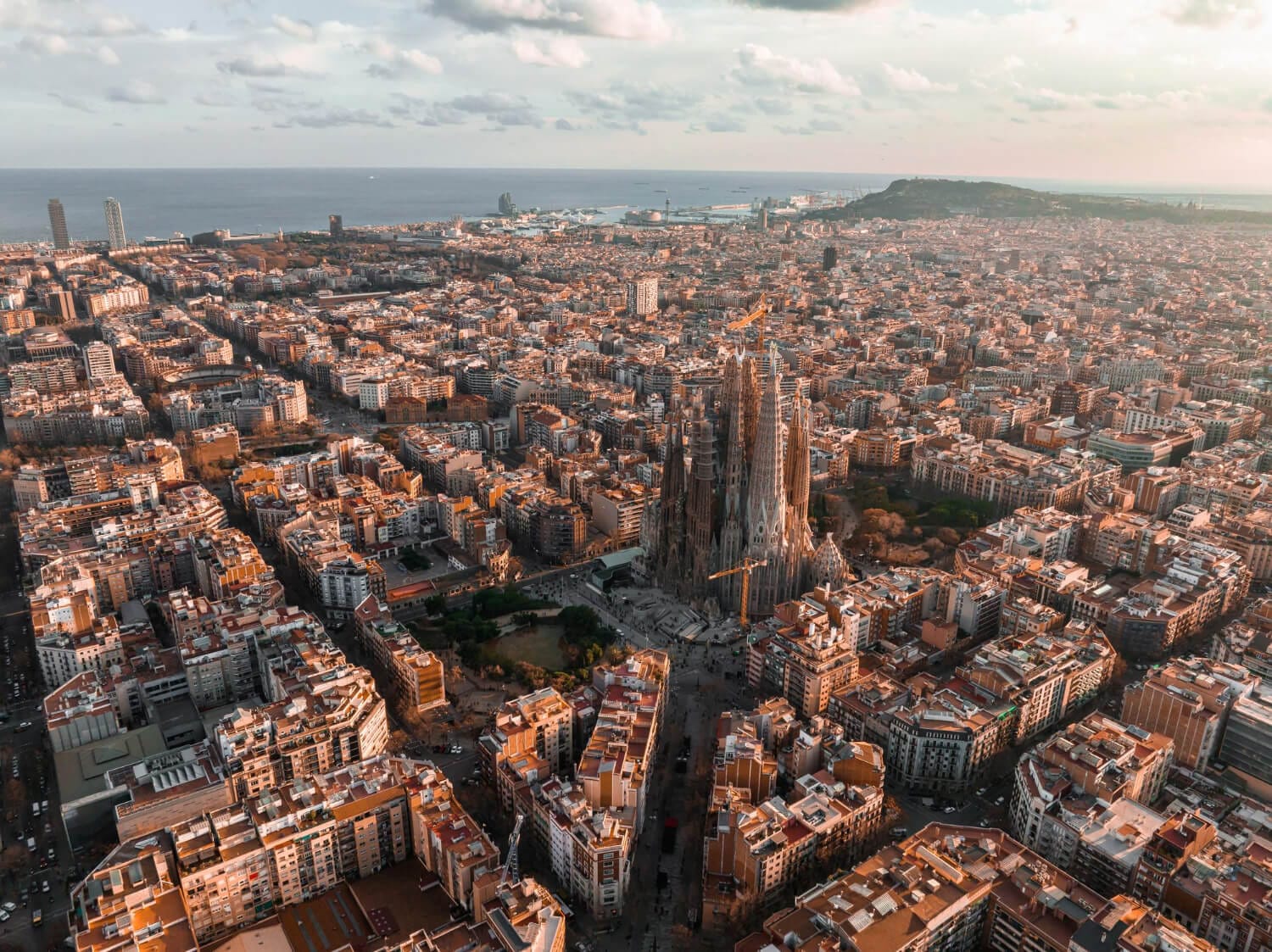
Barcelona is one of Europe’s most visually striking cities because it combines architecture, nature, and urban life in a way few places manage. Medieval streets in the Gothic Quarter open suddenly into bright plazas, while modernist buildings sit just minutes from the beach.
Gaudí’s landmarks shape the city’s identity. Sagrada Família is the most famous — entrance tickets currently cost around €26–32, depending on time and tower access. Park Güell, with its colorful mosaics and city views, costs about €10 for the monument zone.
Beyond architecture, Barcelona’s viewpoints explain its appeal. Montjuïc offers panoramic views over the harbor, while the Bunkers del Carmel provide one of the best sunset spots in Spain — completely free and unforgettable.
Tip: Visit popular viewpoints and landmarks early in the morning. The light is softer, temperatures are cooler, and the city feels noticeably calmer before tour groups arrive.
Granada – Palaces, Albaicín Streets & Sierra Nevada Views
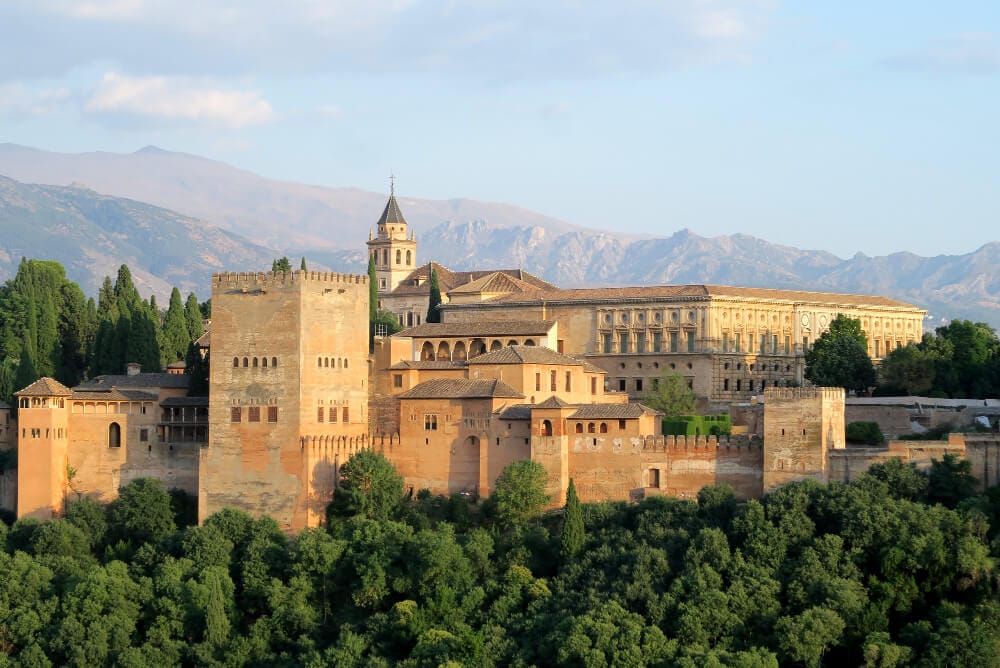
Granada feels layered both historically and physically. The Alhambra dominates the skyline, but the city’s beauty extends far beyond its walls. The Albaicín neighborhood rises steeply opposite the palace, its narrow streets leading to miradors overlooking glowing red stone at sunset.
The Alhambra is Spain’s most visited monument, and tickets sell out weeks in advance. Standard entry currently costs around €19, while guided tours range from €35–50. The price is justified — few places in Europe rival its blend of architecture, gardens, and setting.
Granada also offers exceptional value for travelers. Many tapas bars still include a free tapa with each drink, making it one of Spain’s most affordable cities for food.
Seville – Courtyards, Tiles & River Walks
Seville’s beauty is quieter and more atmospheric. It reveals itself through light, color, and rhythm rather than dramatic landscapes. Orange trees line plazas, tiled courtyards hide behind plain façades, and evenings stretch late along the Guadalquivir River.
The Real Alcázar, a royal palace blending Islamic and Christian design, is one of Spain’s most beautiful landmarks. Entry tickets cost around €14.50, with timed entry recommended. The nearby cathedral, one of the largest Gothic cathedrals in the world, costs about €12, including access to the Giralda tower for city views.
Seville can be extremely hot from May to September, but its beauty remains constant — especially in early mornings and after sunset.
Tip: From late spring through summer, plan outdoor sightseeing early or after 6 pm. Midday heat can be intense, even for experienced travelers.
Ronda – Clifftop Drama & Deep Gorges
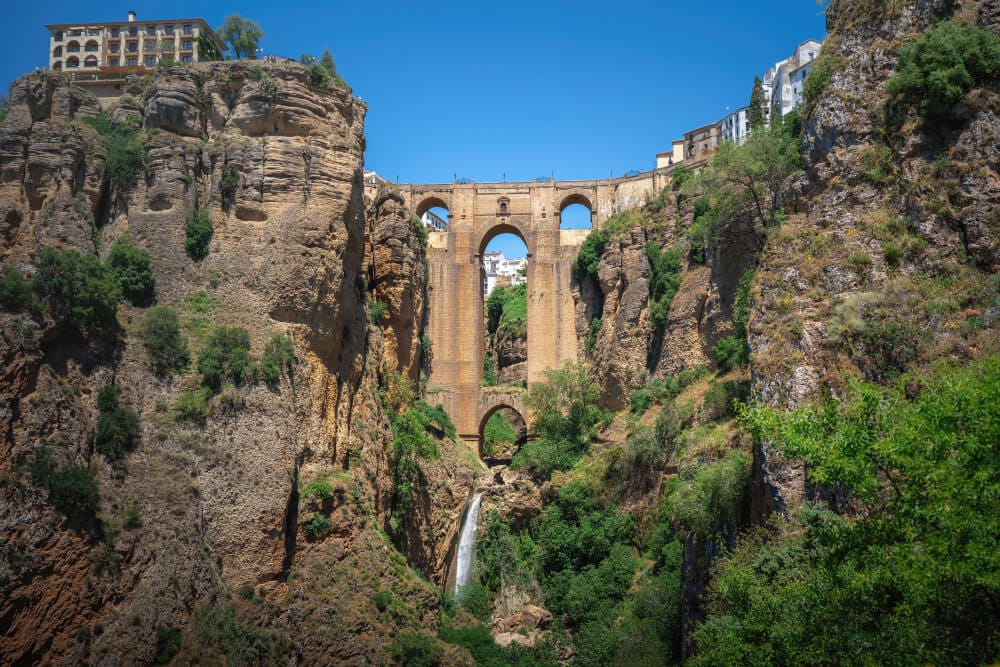
Ronda is one of southern Spain’s most dramatic towns. The Puente Nuevo bridge spans a deep gorge, slicing the town into old and new quarters while offering views straight down to the river below.
Standing at the edge of the cliffs, it’s clear how geography shaped life here. Ronda’s beauty lies in scale and contrast — stone buildings balanced above sheer drops, countryside stretching endlessly beyond.
Ronda works well as a day trip from Málaga or Seville, but staying overnight allows you to experience the gorge without crowds. Most viewpoints are free, and the historic bullring can be visited for around €9.
Costa Brava – Wild Coastlines & Hidden Coves
Spain’s northeastern coast feels raw and rugged compared to the Mediterranean beaches farther south. The Costa Brava is defined by rocky cliffs, pine forests, and small coves with clear water tucked between headlands.
One of the best ways to experience the region is via the Camí de Ronda, a coastal path connecting villages and beaches. Towns like Cadaqués, Begur, and Calella de Palafrugell combine whitewashed houses with a slower pace of life.
Beaches here are mostly free, but parking near popular calas may cost €5–10 in summer. Boat trips along the coast typically start around €20–30.
Mallorca – Mountains, Villages & Turquoise Water
Mallorca consistently surprises first-time visitors. Beyond its beaches, the Serra de Tramuntana mountains stretch across the island, hiding stone villages, terraced hillsides, and winding roads with sea views.
Villages like Valldemossa and Deià feel deeply traditional, with stone houses and quiet squares. Coastal calas offer some of Spain’s clearest water, especially along the northern and eastern shores.
Renting a car costs roughly €30–50 per day, depending on season, but it unlocks the island’s most beautiful areas. Without one, many villages and coves are difficult to reach.
San Sebastián – Bay Views & Atlantic Elegance
In northern Spain, San Sebastián curves around a near-perfect bay framed by green hills. The city blends elegance with outdoor life — locals swim, surf, and walk the promenade year-round.
This part of Spain feels distinctly Atlantic: cooler, greener, and more dramatic. Walking paths lead from the city into cliffs and coastal viewpoints, making San Sebastián ideal for travelers who value scenery and atmosphere over landmarks.
Cable car access to Monte Igueldo, one of the best viewpoints, costs around €4–5, and the view over La Concha Bay is among Spain’s finest.
White Villages of Andalusia – Hillside Calm & Color
The pueblos blancos scattered across southern Spain represent a quieter, slower version of the country. Whitewashed houses, narrow streets, and flower-filled balconies define villages like Frigiliana, Zahara de la Sierra, and Vejer de la Frontera.
These villages are often built into hillsides, offering layered views across olive groves and reservoirs. They’re best explored by car, as public transport is limited. Most villages are free to explore, with costs limited to parking (€2–5) and meals at small local restaurants.
Montserrat – Mountain Peaks Near Barcelona
Montserrat rises abruptly from the countryside northwest of Barcelona, its jagged rock formations creating one of Spain’s most unusual landscapes. The monastery clings to the mountainside, surrounded by hiking trails and viewpoints.
You can reach Montserrat by train and cable car or rack railway. Combined transport tickets typically cost around €25–30. Entry to the basilica is free, though museum access costs extra.
Montserrat shows that Spain’s natural beauty extends far beyond beaches and islands.
Santiago de Compostela – Stone Streets & Pilgrim Energy
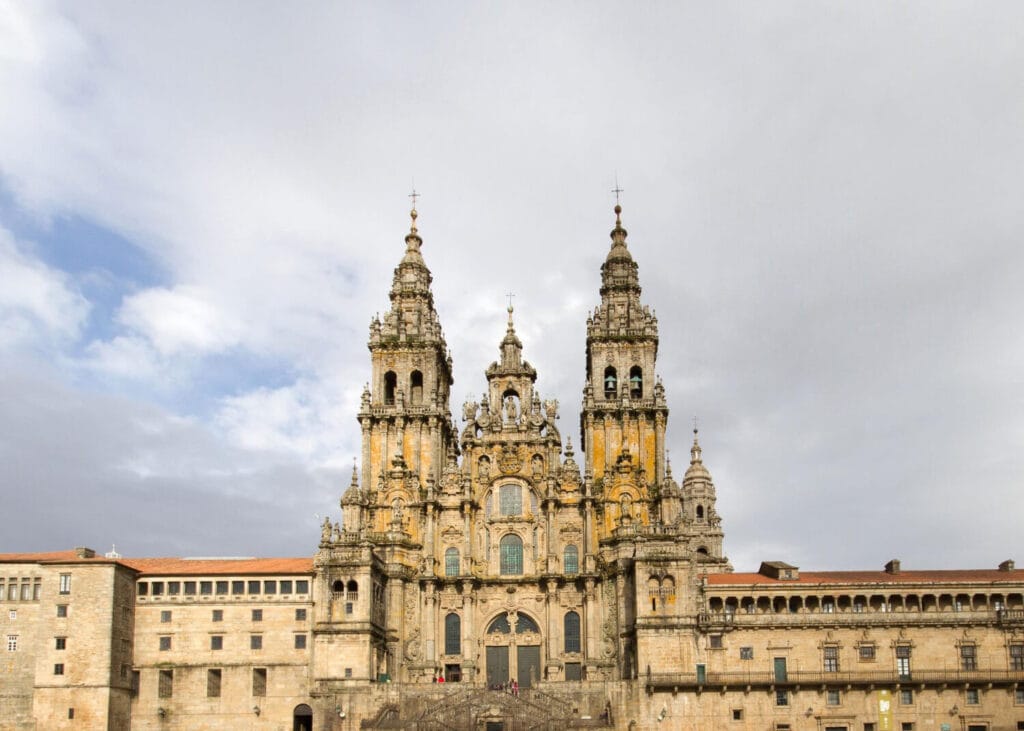
Santiago de Compostela sits in northwestern Spain, where misty mornings and stone streets create a reflective atmosphere. As the endpoint of the Camino de Santiago, the city carries a quiet energy shaped by centuries of pilgrimage.
The historic center is compact and walkable, and the cathedral — free to enter — dominates the skyline. Museums and rooftop access typically cost €6–12.
Even without religious interest, Santiago offers one of Spain’s most distinctive moods.
Why These Places Belong on a Spain Bucket List
Spain’s beauty comes from contrast:
- Mediterranean beaches and Atlantic cliffs
- Moorish palaces and Gothic cathedrals
- Lively cities and villages with only a few streets
- Mountain landscapes minutes from the sea
This diversity allows travelers to create trips that feel personal rather than rushed, combining regions instead of racing between highlights.
How to Use This List for Trip Planning
Treat this guide as inspiration, not an itinerary. The most rewarding trips often combine one major city with nearby villages or coastlines. Instead of moving daily, base yourself in one area and explore slowly — Spain rewards patience.
Final thoughts
Spain is not a country you “finish.” Each region offers a different pace, color palette, and atmosphere, and even repeat visitors continue to discover new corners worth returning to. Whether you’re drawn to dramatic coastlines, historic cities, quiet villages, or mountain landscapes, Spain offers beauty that feels both accessible and deeply varied.
Use this list as a starting point, not an endpoint. The most beautiful places in Spain are often the ones you didn’t plan for — the viewpoint you stumble upon, the village you stop in for lunch, or the coastline you decide to explore one more day.
FAQ – Beautiful Places in Spain
What is the most beautiful place in Spain for first-time visitors?
Barcelona, Seville, and Granada are strong starting points due to accessibility and variety.
Is Spain good for slow travel?
Yes. Spain rewards travelers who stay longer in fewer places rather than rushing between cities.
Which region is best for scenery?
Costa Brava, Mallorca, and northern Spain offer the most dramatic natural landscapes.
Can I visit these places without a car?
Major cities are easy by train, but villages and coastlines are best accessed by car.