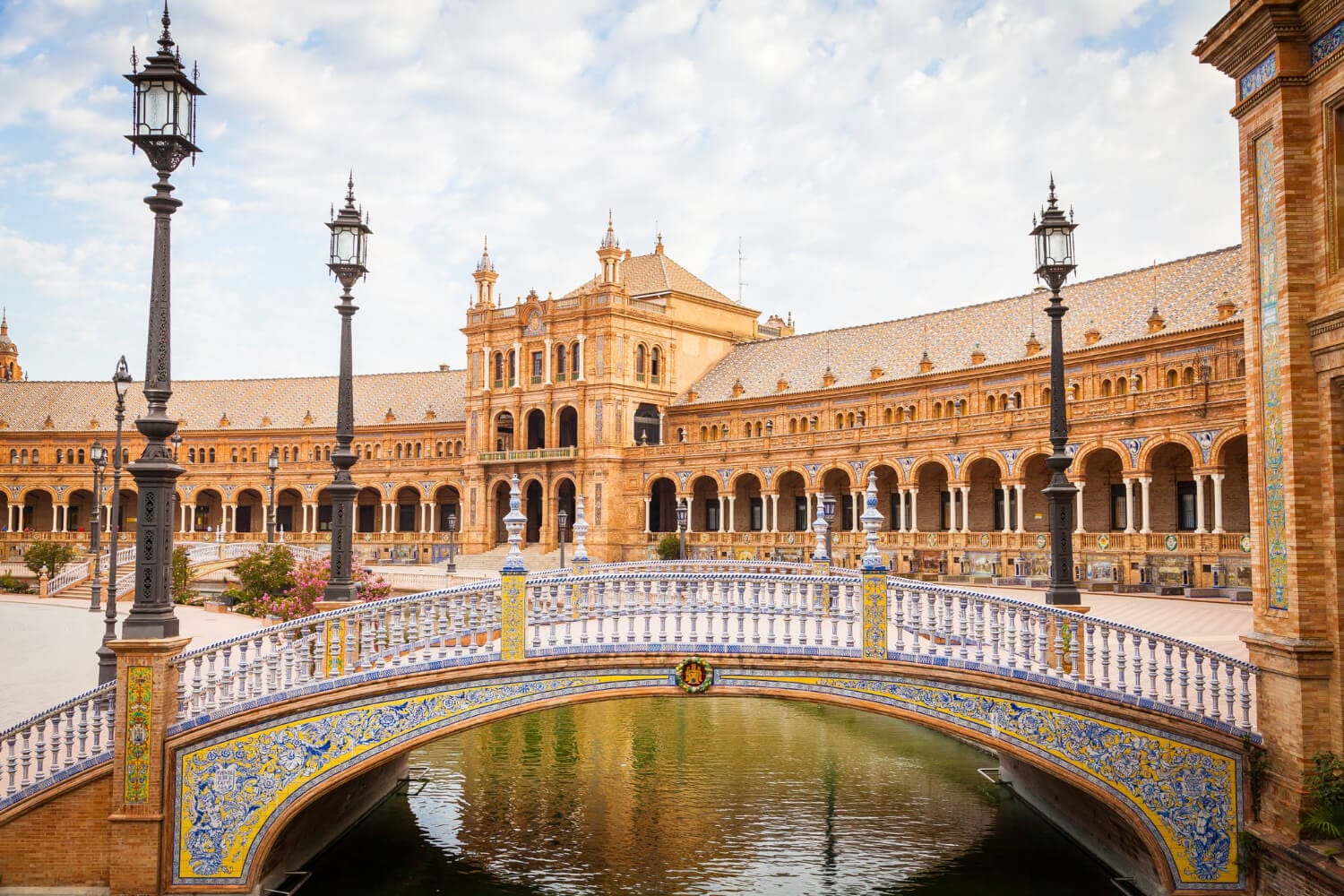
Spain is one of the most approachable countries for first-time visitors from the U.S., offering vibrant cities, stunning landscapes, and a rich cultural tapestry. Its diversity, however, means that no single trip can cover everything. Each region has its own pace, climate, cuisine, and rhythm of daily life, which makes choosing the right destinations crucial for a first visit.
This guide focuses on cities and areas that are visually engaging, well-connected, and easy to navigate, providing a meaningful introduction to Spain without the stress of constant hotel changes or long travel days.
Spain Trip Overview: What First-Time Travelers Need to Know
- Best length: 10–14 days (2–3 bases)
- Easiest combo: Barcelona (4 nights) + Madrid (4 nights) + Seville (3 nights)
- Best months: Apr–Jun, Sep–Oct (comfortable walking)
- Move around: high-speed trains (book early for best prices)
- Typical daily budget: $120–$220 per person (mid-range, excluding flights)
Barcelona – Art, Beaches, and Neighborhoods in One City
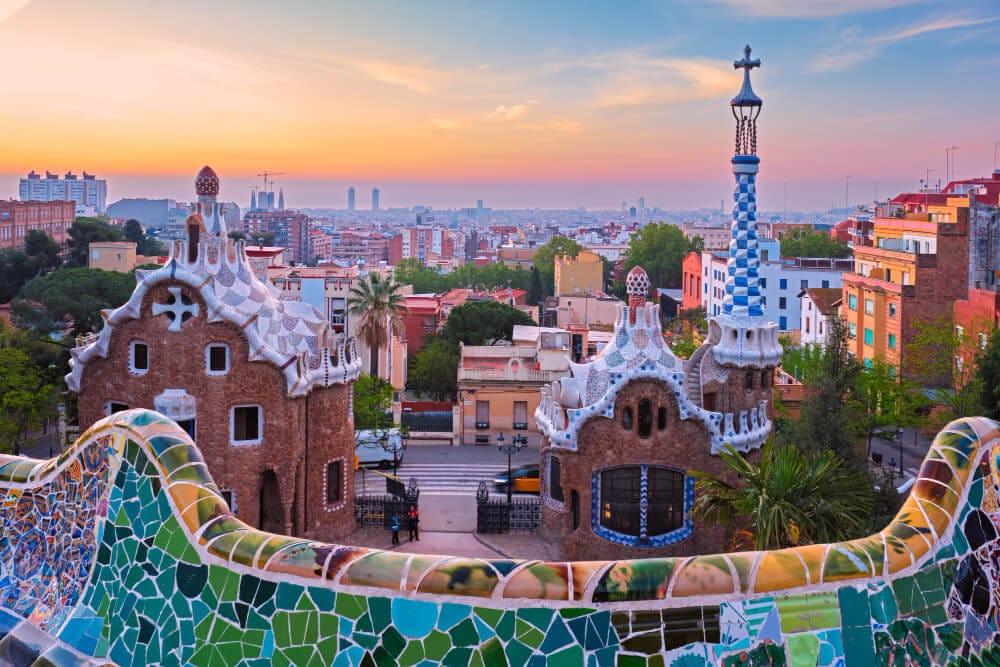
Barcelona is often the natural starting point for a first visit to Spain. The city effortlessly blends history, modernism, and seaside charm. Wandering through the Gothic Quarter immerses you in medieval streets and quaint plazas, while Gaudí’s masterpieces, such as the Sagrada Família and Park Güell, showcase the city’s creative identity.
The waterfront area, Barceloneta Beach, offers a relaxed atmosphere where locals stroll, cycle, or enjoy tapas by the sea. Barcelona’s metro is easy to use, and signage is clear, making navigation straightforward even for newcomers. High-speed trains link the city to Madrid and Valencia, while Barcelona–El Prat Airport serves flights from across the world.
Tip: Spend at least four nights in Barcelona. Allow time to explore both iconic sites and quieter neighborhoods like Gràcia, where local cafés and artisan shops reveal the city’s personality.
Tickets for major attractions vary: the Sagrada Família costs around €26 for adults, and Park Güell’s monumental zone is €10. Booking online in advance saves time and avoids long queues.
Quick essentials
- Ideal stay: 3–4 nights
- Best base area: Eixample or El Born (walkable, good transport)
- Top first-timer wins: Sagrada Família (timed ticket), Gothic Quarter walk, Barceloneta sunset
- Common mistake: Visiting top sights without timed tickets — book Sagrada Família and Park Güell in advance
Madrid – Culture, Wide Spaces, and Day Trips
Madrid offers a different pace, emphasizing space, rhythm, and cultural immersion rather than architecture alone. Wide boulevards, grand plazas, and vast parks like El Retiro make strolling a pleasure. Art enthusiasts will find masterpieces at the Prado (€16), Reina Sofía (€12), and Thyssen-Bornemisza (€14).
For first-timers, Madrid works well as a base city. Day trips to historic towns such as Toledo or Segovia take under an hour by train (€13–€20 each way) and provide a glimpse into Spain’s medieval and Renaissance heritage without the hassle of moving hotels daily.
Tip: Visit museums in the morning to avoid peak crowds and leave afternoons free for relaxed walks through neighborhoods like Malasaña or La Latina.
Madrid also exemplifies Spanish dining culture, with late dinners and long lunches being the norm. A typical meal at a mid-range restaurant costs €15–€30 per person.
Quick essentials
- Ideal stay: 2–3 nights
- Best base area: Sol, Gran Vía, or Malasaña
- Top first-timer wins: Prado Museum, Royal Palace, Retiro Park
- Common mistake: Skipping day trips — Toledo or Segovia are easy and add variety
Seville – Southern Spain Without the Complexity
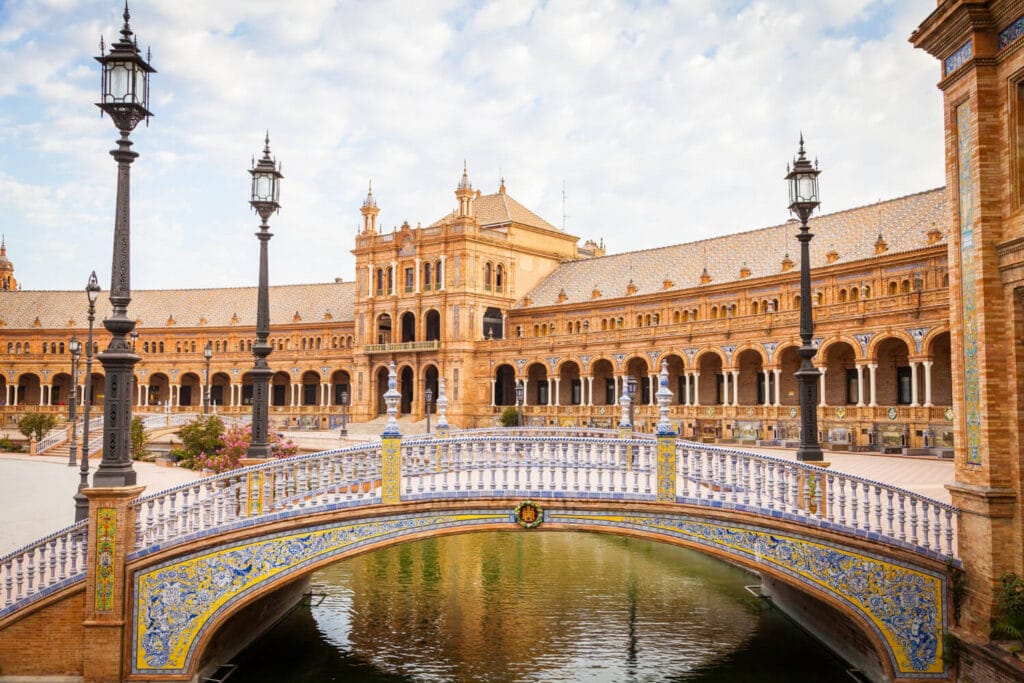
Seville offers first-time visitors a taste of Andalusia without the need for a car. The historic center is compact and pedestrian-friendly, featuring shaded streets, colorful courtyards, and open plazas that naturally slow your pace.
The city’s landmarks, such as the Alcázar (€14 adult entry), Seville Cathedral (€10), and Plaza de España, are close together, making it easy to explore on foot. Evening strolls along the Guadalquivir River provide a perfect introduction to local life.
Tip: Arrive early at major attractions, then allow afternoons for spontaneous exploration—wandering side streets often leads to memorable encounters with local artisans and tapas bars.
Seville’s mild climate in spring and fall makes it particularly comfortable for walking tours. Summers can be very hot, with temperatures frequently exceeding 35°C (95°F).
Quick essentials
- Ideal stay: 2–3 nights
- Best base area: Santa Cruz or El Arenal
- Top first-timer wins: Real Alcázar, Cathedral & Giralda, evening tapas crawl
- Common mistake: Visiting in summer afternoons — plan sightseeing early morning or evening
Granada – Compact and Visually Stunning

Granada is a compact city with a powerful visual impact. The Alhambra (€16 for the Nasrid Palaces, €9 general entrance for other sections) dominates the skyline and draws visitors worldwide. Beyond the palace, the Albaicín neighborhood offers cobblestone streets, viewpoints over the city, and a sense of continuity between past and present.
Granada’s layout guides visitors naturally between historic streets, viewpoints, and local squares, making it ideal for first-timers who want a strong sense of place without complex logistics. The city also connects conveniently to Seville and Madrid by high-speed train (€25–€40 per journey).
Tip: Purchase Alhambra tickets online at least one month in advance to secure your preferred time slot.
Quick essentials
- Ideal stay: 1–2 nights
- Best base area: Albaicín or city center
- Top first-timer wins: Alhambra, Albaicín viewpoints, free tapas with drinks
- Common mistake: Buying Alhambra tickets last minute — they often sell out weeks ahead
San Sebastián – Northern Spain’s Coastal Gem
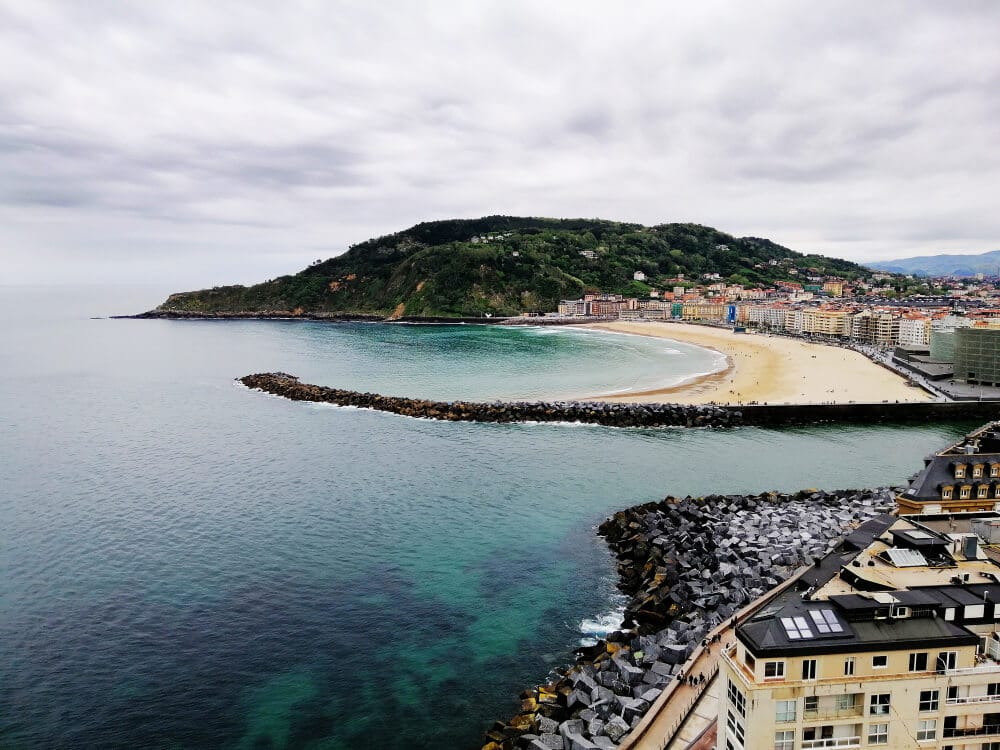
While many first-time travelers focus on southern or eastern Spain, San Sebastián offers a cooler, Atlantic-influenced experience. The city is compact and built around La Concha Bay, making it easy to explore on foot.
San Sebastián is famous for its cuisine, particularly pintxos (small tapas). Expect to spend around €2–€4 per pintxo and €25–€35 for a full dinner at a local restaurant. The relaxed pace, beach walks, and lively but manageable streets make it ideal for visitors unfamiliar with Spain.
Quick essentials
- Ideal stay: 2 nights
- Best base area: Old Town (Parte Vieja)
- Top first-timer wins: Pintxos crawl, La Concha beach walk, Monte Igueldo view
- Common mistake: Sticking to one bar — pintxos culture means moving between places
Valencia – Modern Architecture Meets Tradition
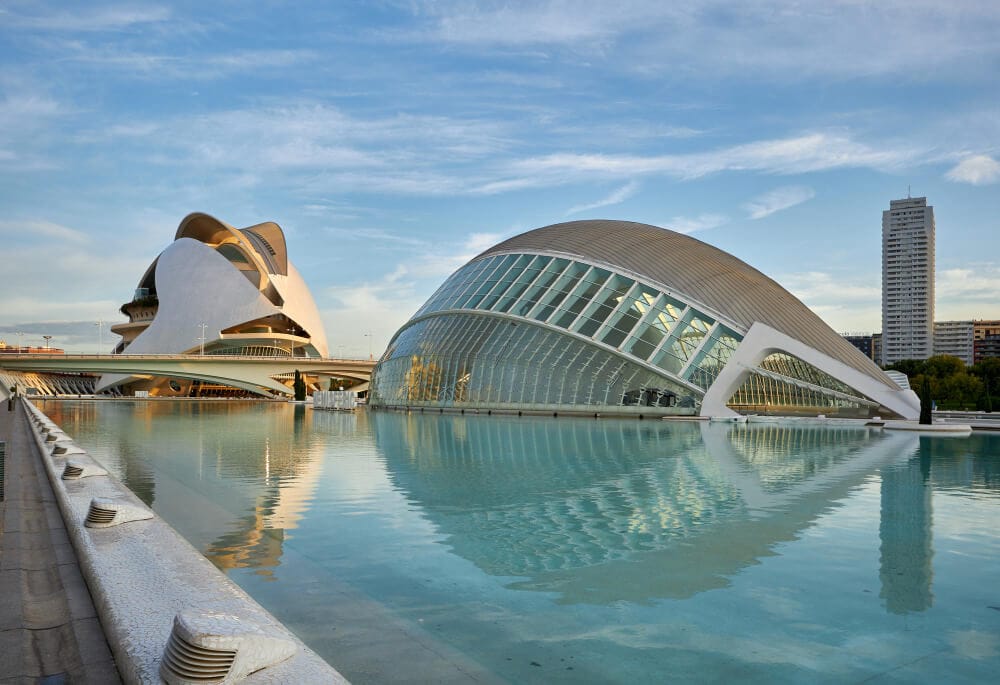
Valencia combines elements found in multiple cities: an accessible old town, futuristic architecture at the City of Arts and Sciences (€9–€15 per exhibit), city beaches, and green spaces. It is less crowded than Barcelona, offering a more relaxed pace while still providing diverse experiences.
The city works well either as a standalone destination or as a stop between Barcelona and southern Spain, thanks to high-speed train connections (€30–€50). Paella is a must-try, with typical restaurants charging €12–€20 per person for a generous serving.
Quick essentials
- Ideal stay: 2 nights
- Best base area: City center or near Turia Gardens
- Top first-timer wins: City of Arts and Sciences, paella lunch, Turia bike ride
- Common mistake: Eating paella for dinner — locals eat it for lunch
Mallorca – Island Travel Made Easy
For first-time travelers considering an island, Mallorca offers convenience without the complexity of multiple connections. The island has strong infrastructure, frequent flights from the mainland (€40–€80 one way), and a variety of landscapes.
Beyond beaches, Mallorca has mountain hikes, stone villages, and coastal walks. Staying near Palma allows easy access to the airport and city life, while inland areas provide tranquility. Late spring and early fall are ideal, balancing pleasant weather with manageable crowds.
Tip: Rent a car (€30–€50/day) if you want to explore beyond Palma and beach areas, especially for villages like Valldemossa or Deià.
Quick essentials
- Ideal stay: 3–5 nights
- Best base area: Palma (no car) or Alcúdia/Sóller (with car)
- Top first-timer wins: Cala beaches, Palma old town, Serra de Tramuntana
- Common mistake: Relying only on public transport — car rental gives much better access
How to Choose Your First Spanish Destinations
A first trip to Spain works best when depth is prioritized over distance. High-speed trains tempt travelers to move frequently, but constant transfers reduce the sense of place. A smart first itinerary focuses on one or two main cities, supplemented with short day trips rather than cross-country hops.
Consider your priorities: art, history, food, or coastal relaxation. Combining Barcelona with Valencia, or Seville with Granada, allows you to experience diversity without the stress of constant travel.
Tip: Avoid scheduling every hour. Spain rewards flexibility—unplanned stops, late dinners, and spontaneous walks often become the most memorable parts of your trip.
3 easy first-trip routes (no car)
Route A: Classic (10–12 days)
Barcelona → Madrid → Seville (day trip to Toledo/Segovia)
Route B: City + Coast (10–12 days)
Barcelona → Valencia → Mallorca
Route C: Food + North (9–11 days)
Madrid → San Sebastián (optional Bilbao day trip)
Budget snapshot (per person, per day)
| Style | Food | Local transport | Attractions | Total/day |
|---|---|---|---|---|
| Budget | $30–$45 | $6–$12 | $10–$25 | $60–$110 |
| Mid-range | $45–$70 | $8–$18 | $20–$45 | $120–$220 |
Excludes flights and hotels. Add hotel cost depending on season/city.
Final Thoughts
Spain is a country of contrasts, rhythms, and layered experiences. From the architectural wonders of Barcelona to the culinary delights of San Sebastián, from the palaces of Granada to the relaxed beaches of Mallorca, first-time travelers can experience a broad spectrum of Spanish life without feeling overwhelmed.
The key to a successful first visit is balance: prioritize cities and regions that are walkable, visually engaging, and connected by convenient transport. Allow time to immerse yourself in local culture, wander streets at your own pace, and savor food and moments rather than ticking off sights. By doing so, your first trip to Spain becomes a rich and unforgettable introduction to the country’s people, history, and landscapes.
FAQ – First-Time Spain Travel
Is Spain easy for first-time visitors?
Yes. Spain is well organized, visitor-friendly, and easy to navigate even without speaking Spanish.
How many places should I visit on my first trip?
Two to three destinations over 10–14 days allows a comfortable pace.
Do I need a car in Spain?
Not for cities. A car is useful for islands and rural regions but optional for first-time travelers.
Which city feels most “Spanish” for beginners?
Seville and Granada offer strong regional identity while remaining accessible.