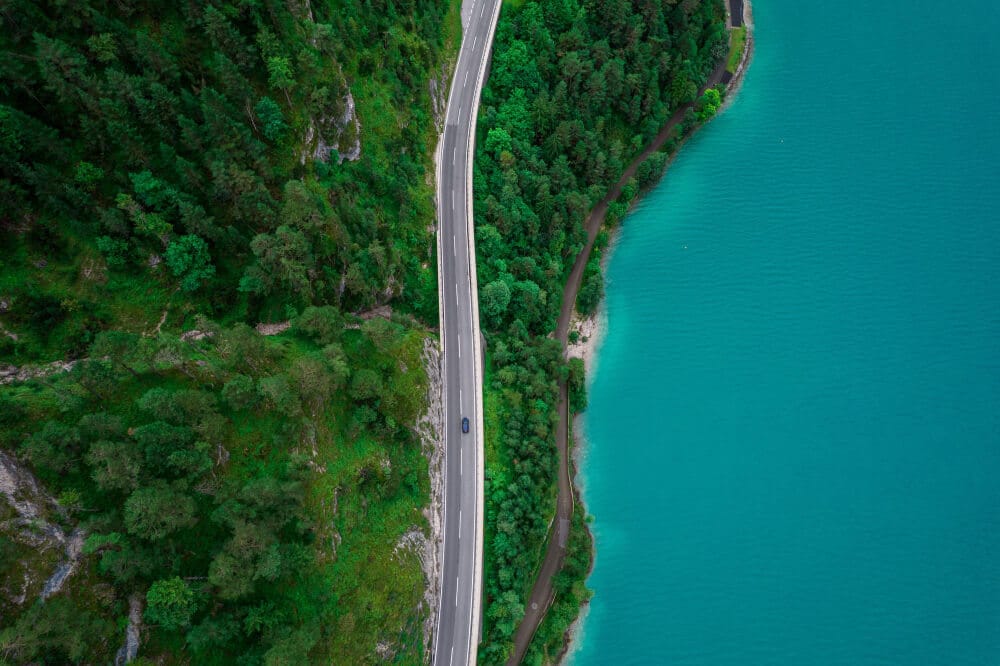
Austria rewards travelers who leave the city limits. While Vienna and Salzburg are essential stops, many of the country’s most memorable experiences happen between destinations: winding alpine roads, lakes reflecting snow-capped peaks, vineyards lining the Danube, and villages that feel untouched by mass tourism. For first-time visitors, day trips and scenic drives offer a balanced way to experience Austria’s landscapes and culture without committing to long, complex itineraries.
This guide focuses on the most accessible and rewarding scenic drives and day trips in Austria, explaining what makes each route special, how much time to plan, approximate costs, and what to expect on the road. All routes are suitable for first-time visitors, well-maintained, clearly signed, and realistic to combine with city-based travel.
Why Scenic Drives Are Ideal for First-Time Visitors
Austria’s infrastructure makes driving unusually stress-free compared to many European countries. Roads are well marked, distances are short, and rest stops are frequent. Scenic routes are designed not only for transport but for enjoyment, with panoramic viewpoints, cafés, and walking paths integrated along the way.
For first-time visitors, scenic drives solve several common travel challenges at once. They allow flexibility without rigid schedules, provide access to landscapes trains do not reach directly, and make it easy to combine nature with historic towns, food stops, and short walks. Even travelers without alpine driving experience generally find Austria comfortable and intuitive.
Grossglockner High Alpine Road: Austria’s Iconic Mountain Drive
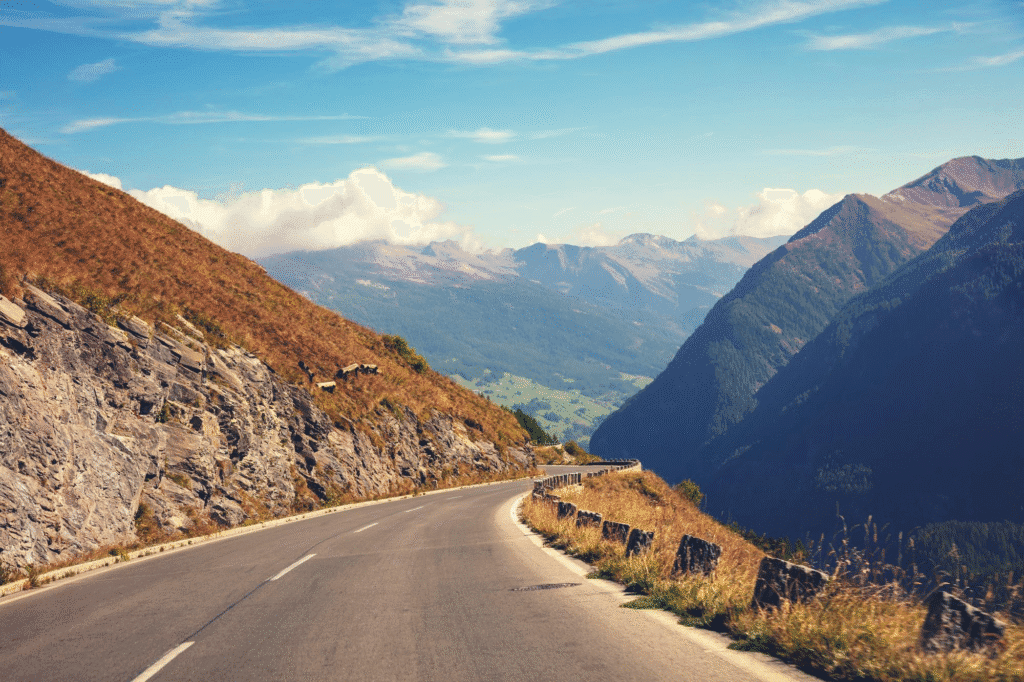
The Grossglockner High Alpine Road is Austria’s most famous scenic drive and one of the most impressive alpine roads in Europe. Stretching through Hohe Tauern National Park, it offers direct views of glaciers, waterfalls, and the Grossglockner itself, Austria’s highest mountain.
The drive is not simply about getting from one side of the Alps to the other. It is designed as a full-day experience, with over 30 viewpoints, short hiking trails, visitor centers, and rest areas. The road gradually climbs to over 2,500 meters, yet remains accessible even for cautious drivers.
Practical details:
The road is typically open from early May to late October, depending on snowfall. The toll fee is approximately €45 per car (2025), valid for the full day. Fuel stations, cafés, and restrooms are available along the route, so planning logistics is straightforward.
Expect to spend 4–6 hours including stops. Even travelers who are not avid hikers can enjoy short, flat walks near viewpoints such as Kaiser-Franz-Josefs-Höhe, where glaciers and alpine wildlife are often visible.
Tip: Start early in the morning. Clearer skies, fewer tour buses, and better light make a noticeable difference at higher elevations.
Salzkammergut Lake District: Lakes, Villages, and Alpine Calm
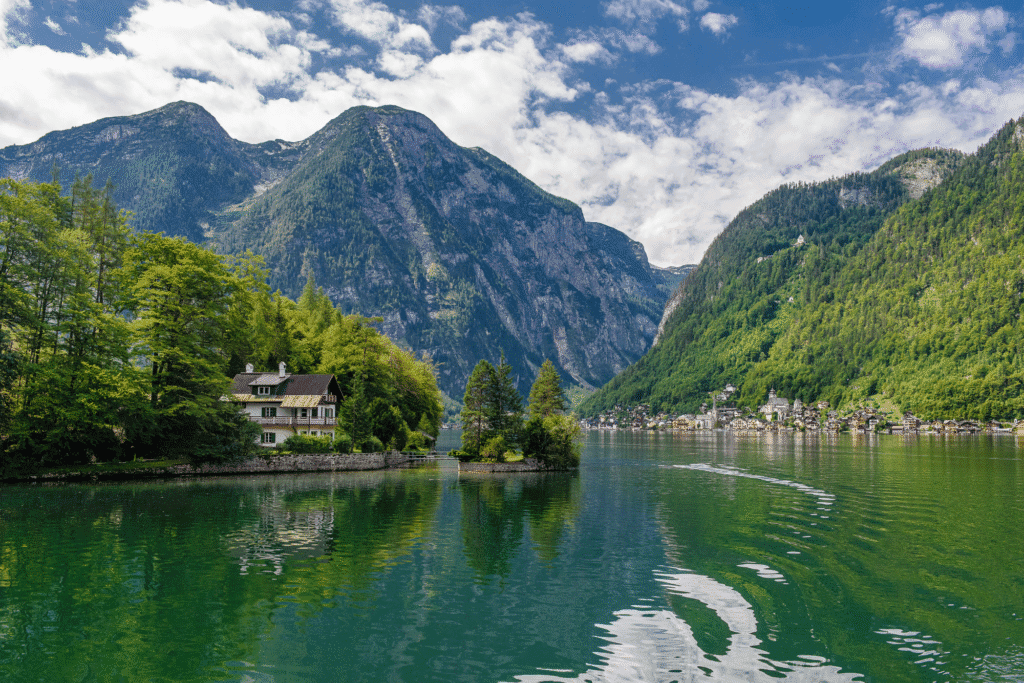
The Salzkammergut is one of Austria’s most scenic and compact regions for day trips and drives. Located east of Salzburg, it connects dozens of lakes framed by mountains and traditional villages. Unlike high alpine roads, driving here feels relaxed and gentle, with frequent opportunities to stop along the water.
Hallstatt is the best-known destination, but the region’s value lies in its variety. Wolfgangsee, Traunsee, and Mondsee each offer different atmospheres, from lively lakeside promenades to quieter villages with walking paths and viewpoints.
A drive through Salzkammergut works equally well as a structured route or an open-ended exploration. Short detours often lead to lakeside cafés, swimming spots in summer, and panoramic pull-offs that are not marked as official attractions.
If Hallstatt is part of your plan, it’s worth understanding the broader context of the area rather than treating it as a single stop. You can explore this in more detail in Hallstatt & Salzkammergut – Austria’s Scenic Lake District for First-Time Visitors, which explains how to experience the region without feeling rushed or overwhelmed.
Costs and timing:
There are no toll roads in Salzkammergut. Parking in popular towns like Hallstatt costs around €5–€10 for a few hours. Fuel costs remain modest due to short distances. A full loop from Salzburg typically takes 5–7 hours with stops.
Tip: Instead of rushing from lake to lake, choose two or three stops and allow time to walk along the shore. The region rewards slower travel.
Alpine Roads Near Innsbruck: Dramatic Scenery with Minimal Driving
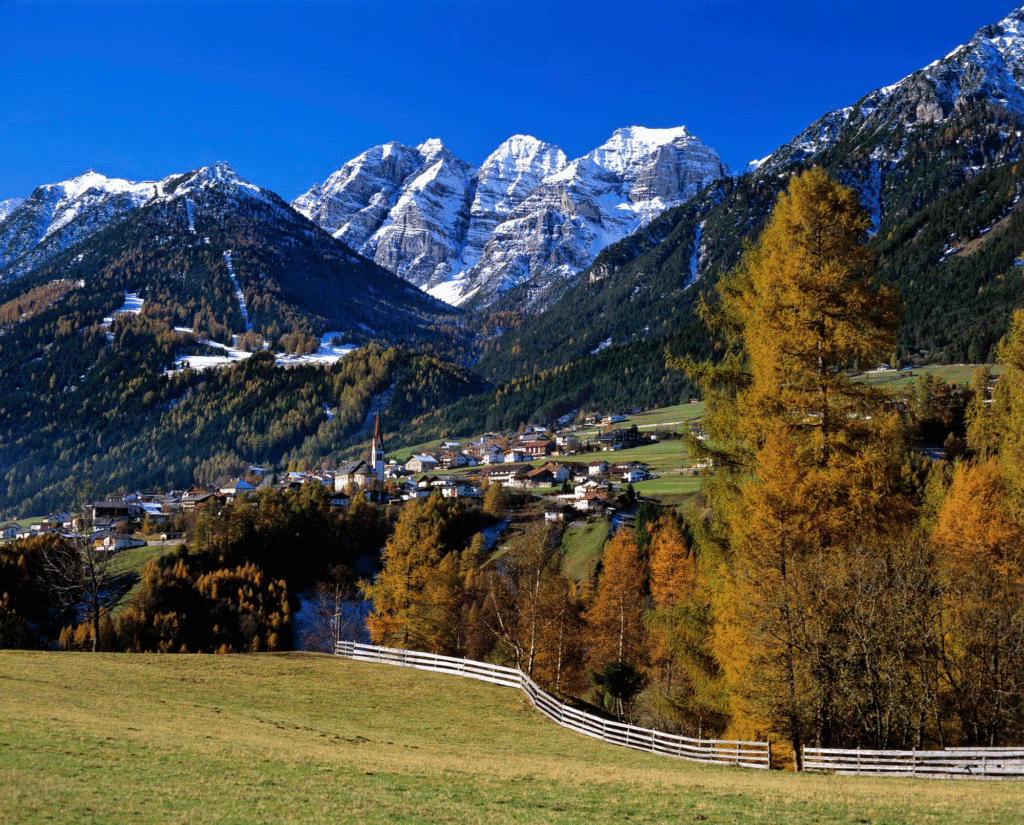
Innsbruck is uniquely positioned for scenic day trips. Within 30–60 minutes of the city, alpine valleys open into meadows, mountain villages, and cable car access points. This makes it ideal for travelers who want dramatic scenery without long drives or overnight stays.
Routes such as the Stubai Valley or the road toward Zirler Berg offer sweeping views and frequent places to stop. These drives pair well with cable cars, which allow visitors to gain altitude without technical hiking. Round-trip cable car tickets typically range from €35–€50 per adult, depending on the location and season.
Lunch in a mountain restaurant is often part of the experience, with traditional dishes like dumplings or schnitzel priced between €15–€25. Innsbruck’s compact size also makes it easy to return to the city by evening without fatigue.
This region is particularly appealing for first-time visitors who want an alpine experience but prefer staying in a city base rather than moving accommodations.
Scenic Day Trips from Vienna: Nature, History, and Wine
Vienna is often viewed primarily as a cultural city, but it is also one of Austria’s best bases for scenic day trips. Within one to two hours by car, landscapes change dramatically, offering river valleys, vineyards, and historic towns.
Wachau Valley: Danube Views and Wine Villages
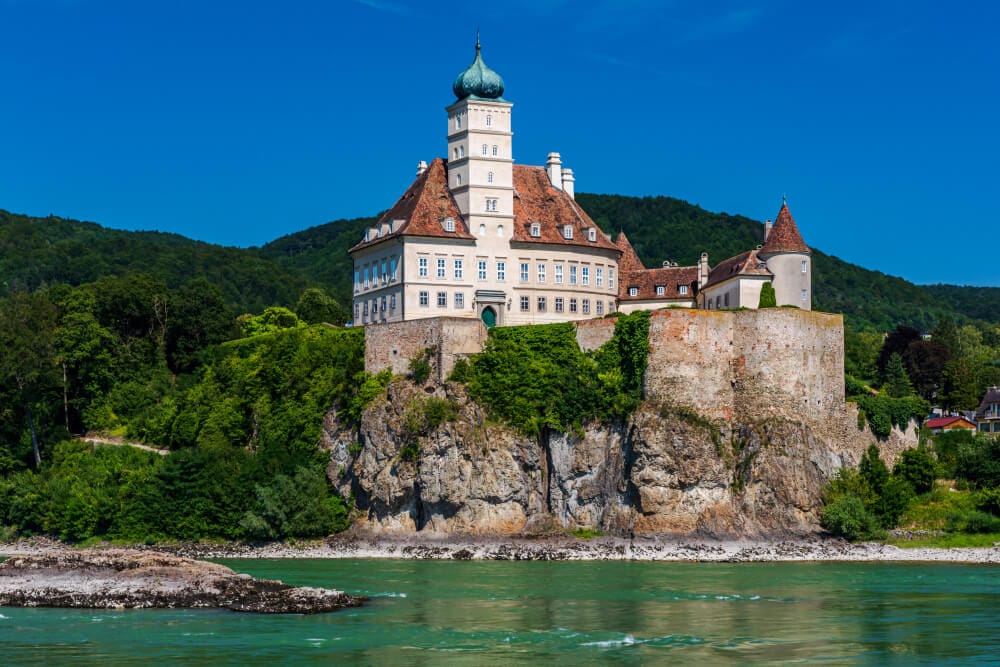
The Wachau Valley, a UNESCO-listed stretch of the Danube between Melk and Krems, is one of Austria’s most pleasant scenic drives. The road follows the river past vineyards, apricot orchards, medieval towns, and castle ruins perched above the water.
Dürnstein is a highlight, known for its blue church tower and walkable old town. Melk Abbey, with its baroque architecture and hilltop views, is another key stop. Entry to Melk Abbey costs around €15 per adult and typically takes 1.5–2 hours to explore.
Wine taverns along the route offer tastings and light meals, with glasses of local Grüner Veltliner priced around €4–€6. The entire drive feels unhurried and pairs scenery with food and culture effortlessly.
Bratislava: An Easy International Extension
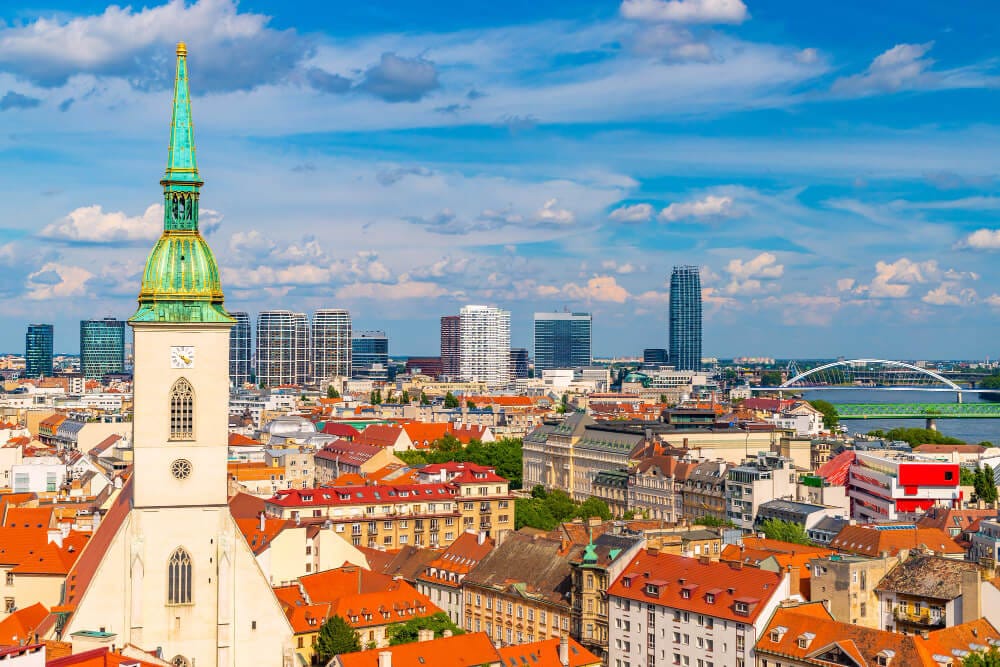
For travelers curious about seeing more than one country, Bratislava makes an excellent day trip from Vienna. The drive takes about an hour, with straightforward roads and clear signage.
Bratislava’s old town is compact and walkable, offering cafés, historic streets, and views from the castle above the Danube. Prices are generally lower than in Austria, making it a relaxed and affordable addition to a Vienna-based itinerary.
Drive along the Danube, visit Dürnstein and Melk Abbey, and sample local wines or pastries before returning to Vienna.
Practical Driving Considerations for Austria
Driving in Austria is generally safe and well regulated, but a few points are especially relevant for first-time visitors. Highway driving requires a vignette (toll sticker), which costs approximately €11 for 10 days. Rental cars registered in Austria usually include this, but it should always be confirmed.
Mountain roads are well engineered but demand attention. Weather can change quickly, especially at altitude, and some roads close seasonally. Checking conditions the day before is standard practice.
Tip: Always allow extra time for unplanned stops. Scenic drives in Austria are at their best when you are not racing the clock.
A Realistic 2–3 Day Scenic Drive Plan
For travelers wanting to combine multiple routes without overloading the schedule, a short scenic driving plan works well. One day can focus on the Salzkammergut from Salzburg, another on the Grossglockner High Alpine Road, and a third on the Wachau Valley from Vienna. Each day remains distinct in landscape and mood, avoiding repetition.
This structure allows you to experience lakes, high mountains, and river valleys within a single trip while still keeping driving distances manageable.
Conclusion
Austria’s scenic drives are not simply a way to move between destinations; they are a core part of the travel experience. From high alpine roads to tranquil river valleys, these routes reveal the country’s diversity in a way city itineraries alone cannot.
For first-time visitors, day trips and scenic drives offer freedom, variety, and a deeper connection to the landscape. With good planning, realistic timing, and a willingness to slow down, Austria’s roads become one of the most rewarding aspects of the journey rather than just a means of transport.