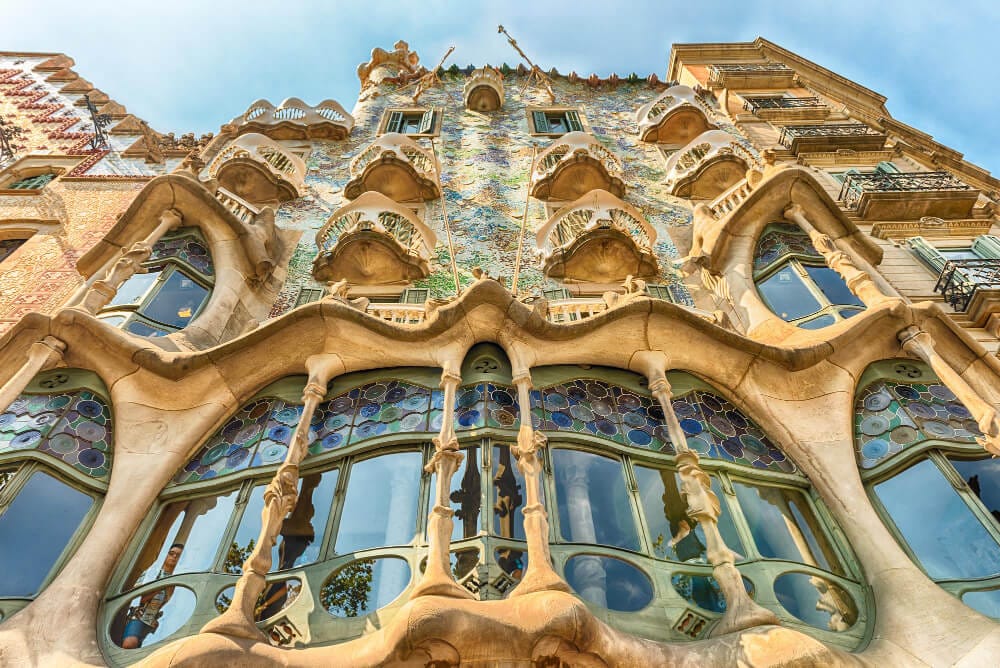
Barcelona is a city best understood from multiple perspectives. At street level, it feels intimate and textured — medieval stone, modernist façades, café terraces spilling into narrow lanes. From above, the city reveals its structure, geography, and relationship with the sea. What makes Barcelona views so compelling is this constant shift in scale: you move from hidden alleys to sweeping panoramas in a matter of minutes.
This guide focuses on the best viewpoints, scenic streets, and coastal spots in Barcelona that offer more than just a quick photo opportunity. These places help you understand how the city is laid out, how locals use public space, and how mountains, hills, and the Mediterranean shape daily life. It’s designed for first-time visitors, slow travelers, and photographers who want variety without rushing.
Why Barcelona Is a City Made for Views
Barcelona’s geography is unusually generous for a major European city. It sits between the Mediterranean Sea and the Collserola mountain range, with several hills rising directly from urban neighborhoods. This creates natural lookout points that don’t feel artificial or distant.
Equally important is the city’s urban design. The Eixample grid, medieval Old Town, industrial port, and beach districts all create visual contrast. From above, the city looks orderly and geometric. From the streets, it feels organic and layered. Exploring Barcelona scenic spots allows you to see both sides.
Montjuïc: Harbor, City & Sunset Light
Montjuïc is one of the most versatile viewpoints in Barcelona. Rather than a single lookout, it’s an entire hill covered with gardens, museums, terraces, and walking paths. From different angles, you can see the port, the old city, the Eixample grid, and the coastline stretching toward Badalona.
How to Experience Montjuïc Properly
You can reach Montjuïc on foot, by bus, or via the Montjuïc cable car. The cable car ride itself costs around €14 round-trip and offers aerial views over the harbor and rooftops. Once on the hill, views constantly change as you move between viewpoints rather than standing in one fixed spot.
The Montjuïc Castle area offers the widest harbor views, especially impressive when cruise ships and ferries are coming in. Lower terraces near the MNAC (Museu Nacional d’Art de Catalunya) provide a more balanced city panorama, with Plaça d’Espanya and the Eixample stretching outward.
Tip: Montjuïc works best late in the day. Arrive mid-afternoon, walk through gardens, and stay through sunset as the city lights begin to turn on.
Unlike more crowded viewpoints, Montjuïc allows space to sit, walk, and linger. It’s ideal if you want views without feeling rushed or surrounded.
Bunkers del Carmel: The Classic Panoramic Shot
The Bunkers del Carmel are often described as the best panoramic viewpoint in Barcelona, and visually, that reputation is deserved. Located above the Gràcia and El Carmel neighborhoods, this former anti-aircraft site offers a full 360-degree view.
From here, you can see the Sagrada Família rising from the grid, the coastline curving toward the horizon, and the hills behind the city. The urban density becomes clear — Barcelona feels vast yet compact at the same time.
Practical Notes
There is no entrance fee. Access involves a short uphill walk, and the final approach is uneven, so good footwear matters. Crowds gather near sunset, especially in summer, but mornings and weekdays are significantly calmer.
This viewpoint feels raw and unpolished compared to Montjuïc. There are no cafés, railings, or curated paths — just concrete, sky, and city.
Gothic Quarter: Views at Human Scale
Not all Barcelona views come from above. Some of the most atmospheric scenes are found at eye level in the Gothic Quarter, where the city feels narrow, vertical, and enclosed.
Here, “views” mean framed perspectives: an archway opening into a small square, a shaft of light hitting stone walls, or a quiet street leading toward a cathedral façade. These scenes reveal how Barcelona was experienced long before wide boulevards and viewpoints existed.
Early mornings transform the Gothic Quarter completely. Without crowds, the textures and proportions stand out. By late afternoon, the same spaces feel lively and social, filled with movement and sound.
Tip: Walk without a destination. The best scenes often appear when you stop checking maps and follow light or sound instead.
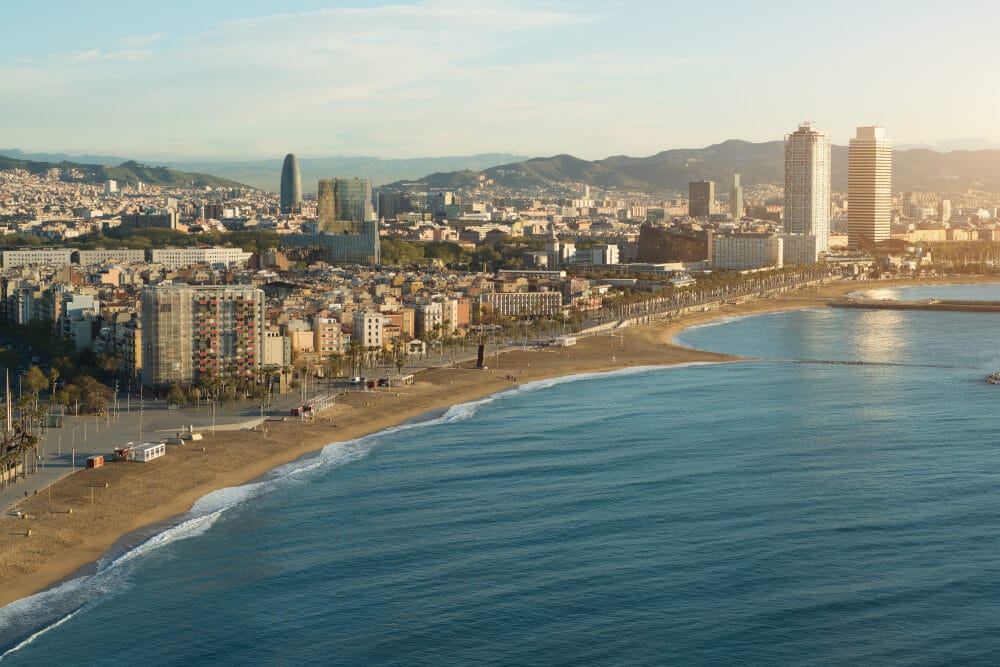
Barceloneta & Port Vell: City Meets the Sea
Barcelona’s coastline offers an entirely different visual language. At Barceloneta beach, the skyline is lower, the horizon wider, and the light more reflective. The city feels open here, shaped by wind and water rather than stone and streets.
Walking from Port Vell toward Barceloneta, you pass marinas, old fishermen’s quarters, and modern waterfront promenades. Views constantly shift between boats, palm-lined walkways, and distant city silhouettes.
Sunset at the beach creates strong contrasts — warm sky, darkened buildings, and reflective water. Even casual phone photos look striking here because the composition does most of the work.
Park Güell: Architecture Framing the City
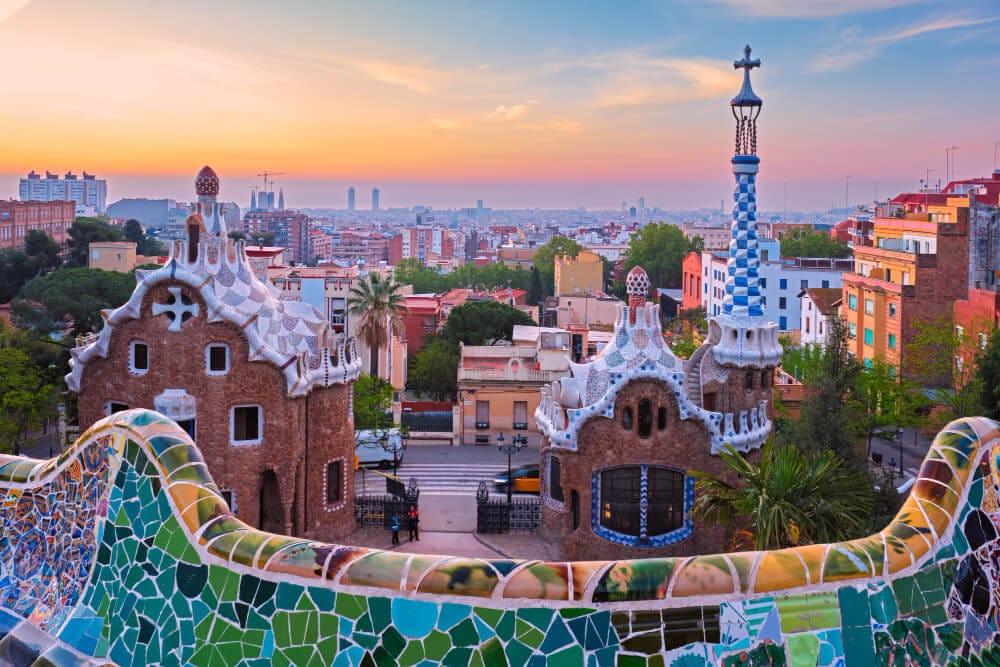
Park Güell combines two elements rarely found together so seamlessly: elevated city views and bold architectural foregrounds. From the main terrace, the Eixample grid stretches toward the sea, while Gaudí’s mosaics anchor the scene visually.
Tickets & Timing
The Monumental Zone requires a ticket, typically around €10–12 if booked online. Entry slots are timed, so planning ahead matters. Early morning or late afternoon slots are best for light and crowd levels.
Beyond the main terrace, quieter paths lead to secondary viewpoints where the city appears through trees and curved stone structures. These areas feel calmer and often provide more creative photo angles.
Park Güell is less about scale and more about composition. It’s one of the few places where you can frame Barcelona with design elements that are as memorable as the skyline itself.
Tibidabo: Distance and Perspective
Tibidabo offers the most distant and comprehensive view of Barcelona. From here, the city feels smaller, flatter, and more integrated with the landscape. You see not just neighborhoods but the relationship between city, sea, and mountains.
Reaching Tibidabo takes longer than other viewpoints. The most common route combines public transport with a funicular or bus. Despite the effort, it’s often quieter than Montjuïc or the bunkers.
The presence of the historic amusement park and the Temple of the Sacred Heart adds visual interest, especially if you enjoy mixing urban and whimsical elements in photography.
Lesser-Known Streets & Overlook Moments
Some of the most memorable views in Barcelona aren’t official viewpoints at all. Staircases in Gràcia, elevated streets near El Born, and quiet residential hills often open suddenly onto unexpected vistas.
Look for:
- Streets that slope downward toward the sea
- Rooftop bars with partial skyline views (prices usually €8–15 for a drink)
- Small neighborhood parks above street level
These moments feel personal and unrepeatable — often more satisfying than famous lookouts.
Tips for Capturing Barcelona Views Well
Barcelona’s light changes quickly, especially near the coast. Morning light is softer and cooler, ideal for streets and detail shots. Afternoon and evening bring warmer tones that flatter cityscapes.
Mix wide shots with close details. A skyline feels more real when paired with balconies, laundry lines, or people in motion. Including human scale prevents photos from feeling generic.
Keep Your Camera Ready All Day
Barcelona’s best views are spread across the city, from sunrise at Montjuïc to golden hour at the Bunkers del Carmel. Between navigating maps, capturing photos, and sharing moments in real time, your phone battery drains faster than expected. A compact power bank becomes essential, especially on long walking days.
Look for models with at least 10,000mAh capacity — enough to fully charge your phone 2–3 times while remaining light enough to carry comfortably. This capacity strikes the best balance between portability and reliability. Some travelers prefer a dual-port power bank, allowing them to charge a phone and camera battery simultaneously during long sessions at viewpoints or cafés.
When you’re climbing hills in the heat, waiting for the right light, or relying on maps and transit apps, reliable power matters as much as your camera or shoes. Running out of battery often means missing the moment you came for.
Final thoughts
Barcelona is not a city you simply look at — it’s a city you gradually uncover. Its best views aren’t confined to one famous spot but scattered across hills, streets, beaches, and quiet corners. From sweeping panoramas to intimate alleyways, each perspective reveals a different version of the city.
The most rewarding approach is to combine viewpoints with wandering. Climb high, then come back down. Watch the city from above, then step into its narrow streets. By doing both, you don’t just see Barcelona — you understand it.
Where can I find the best panoramic views of Barcelona?
Montjuïc, Bunkers del Carmel, and Tibidabo offer sweeping cityscapes and coastlines.
Are there viewpoints that are free to visit?
Yes, Bunkers del Carmel and some areas of Montjuïc are free. Park Güell terraces may require a ticket.
When is the best time to photograph Barcelona?
Early morning and late afternoon provide soft, warm light and fewer crowds.
Can I combine city streets and coastal shots in one day?
Absolutely. Plan morning exploration in the Gothic Quarter and afternoons along Barceloneta or Port Vell.