Vienna is a city that doesn’t demand attention—it assumes it. Refined, orderly, and deeply cultural, Austria’s capital reveals itself slowly to travelers who are willing to match its rhythm. For first-time visitors, especially those accustomed to faster-paced cities, Vienna feels composed and deliberate. That is precisely its appeal.
This guide to the best things to do in Vienna focuses not on rushing through sights, but on experiences that explain why Vienna feels the way it does. Imperial history, café culture, music, and everyday routines blend into a city best explored with patience and curiosity.
Explore Schönbrunn Palace Beyond the Rooms
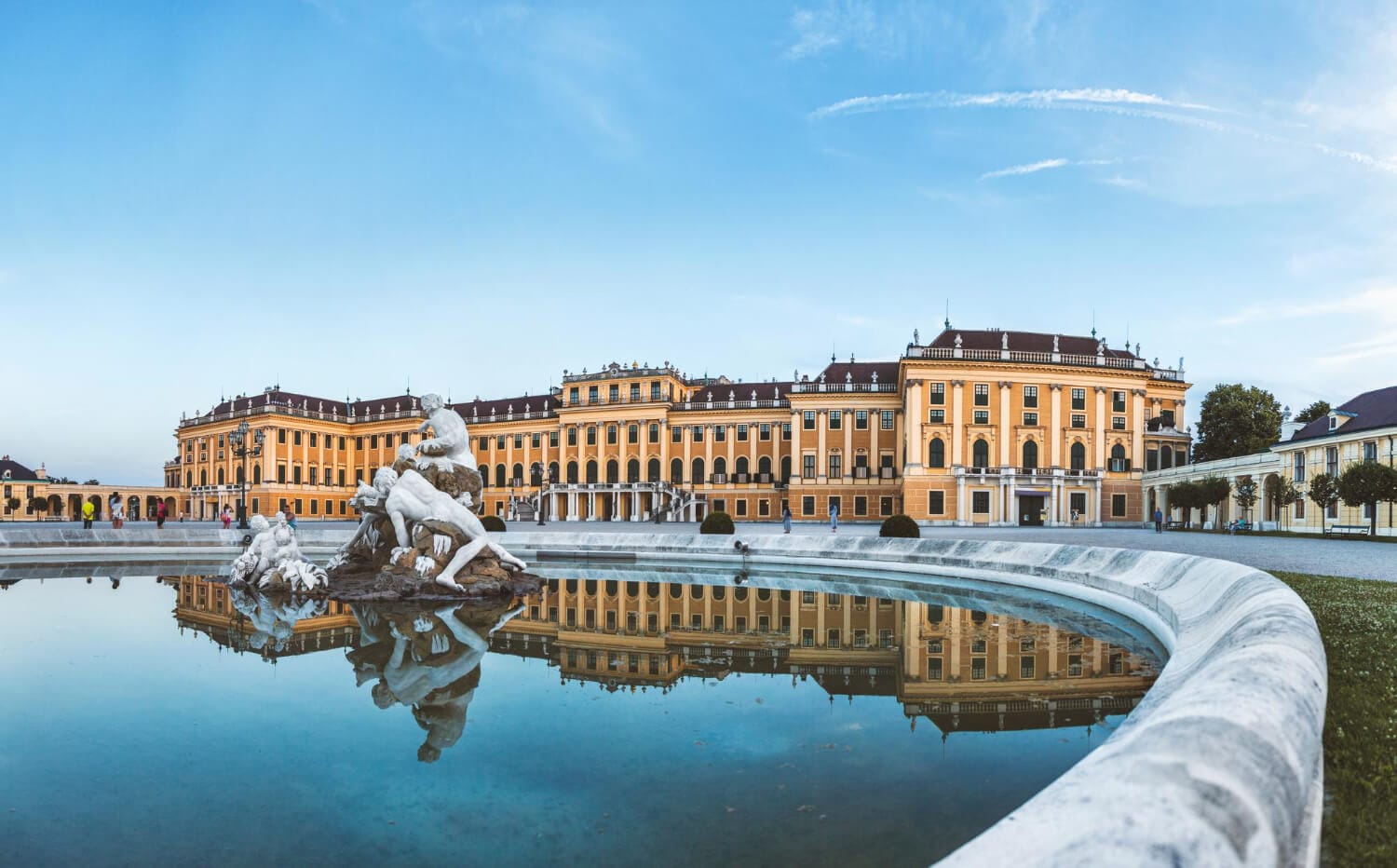
Schönbrunn Palace is often described as Vienna’s must-see attraction, but first-time visitors sometimes underestimate its scale. While the palace interiors offer insight into Habsburg power and court life, the true experience unfolds outdoors.
The gardens stretch far beyond what most visitors expect. Long, symmetrical paths, manicured hedges, and wide perspectives reinforce Vienna’s sense of order. Walking uphill to the Gloriette is not simply about the view—though the panorama is one of the city’s best—but about understanding how space and authority were expressed architecturally.
Schönbrunn rewards time. Rushing through rooms and leaving immediately misses the intention behind the estate.
Tip: Visit Schönbrunn early or late in the day. Midday crowds compress the experience, while quieter hours allow the scale to breathe.
Walk Vienna’s Historic Center Without an Agenda
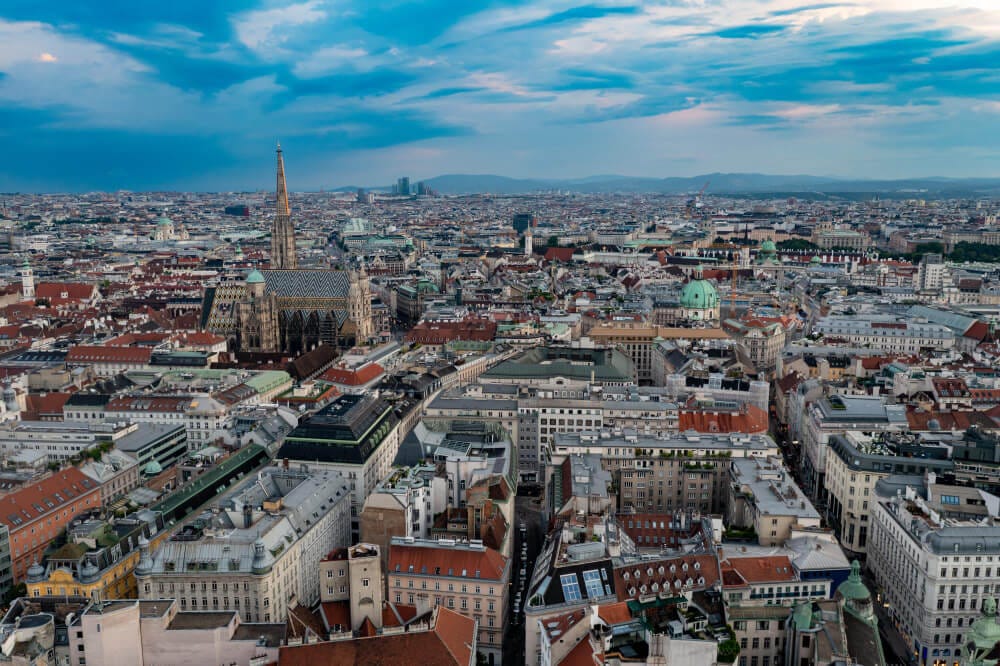
Vienna’s historic center (Innere Stadt) is compact, elegant, and deceptively layered. St. Stephen’s Cathedral anchors the city visually, but its surrounding streets tell a subtler story—one of courtyards, arcades, and transitions between centuries.
Rather than following a rigid route, allow yourself to walk without purpose. Turn down narrow side streets, pass through courtyards, and notice how residential life exists quietly alongside monumental architecture.
Early mornings and evenings are particularly revealing. The city feels calmer, more local, and less performative once tour groups thin out.
Tip: Vienna’s beauty often appears between landmarks. Some of the city’s most memorable moments happen when nothing specific is planned.Experience Vienna’s Café Culture
Experience Café Culture as a Ritual, Not a Stop
Viennese cafés are not places to “grab coffee.” They are social institutions, deeply woven into daily life. Sitting down is intentional. Time is assumed.
Whether in a historic café with marble tables or a quieter neighborhood spot, the expectation is the same: you stay. Newspapers are read, conversations unfold slowly, and coffee is accompanied by cake or pastry.
The menu may feel unfamiliar, and that’s part of the experience. Order something you don’t recognize. Tradition matters here more than customization.
Tip: Don’t rush out after finishing your drink. In Vienna, lingering is not impolite—it’s correct.
Visit Museums With Purpose, Not Exhaustion
Vienna’s museum scene reflects its former role as an imperial capital. Collections are vast, classical, and meticulously curated. The Kunsthistorisches Museum impresses not only through its art, but through the building itself—an architectural statement of power and continuity.
The Belvedere combines art and space beautifully, allowing visitors to move between palace rooms and gardens while encountering works by Klimt and his contemporaries. MuseumsQuartier offers a more modern counterbalance, blending contemporary culture with open public space.
The key is restraint. Choose museums that align with your interests rather than attempting to see everything.
Tip: One museum per day is often enough. Vienna’s collections are dense and best appreciated without fatigue.
Attend a Classical Music Performance—Even Once
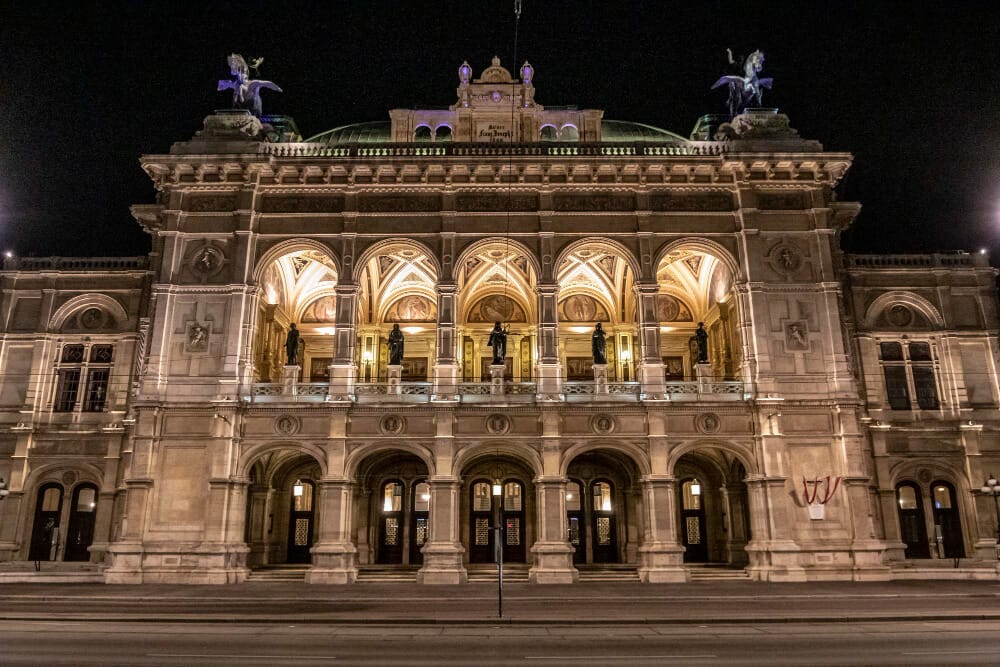
Music is not a tourist attraction in Vienna; it’s part of the city’s identity. Attending a performance—whether at the State Opera, Musikverein, or a smaller venue—connects visitors to something living rather than historical.
Even modest concerts feel elevated by their settings and acoustics. You don’t need deep knowledge of classical music to appreciate the experience. The ritual itself—the venues, the audience, the formality—tells a story.
Booking in advance helps, but Vienna also offers same-day tickets and smaller performances that maintain authenticity without pressure.
Tip: Dress well, but don’t overthink it. Vienna values effort and respect more than extravagance.
Follow the Ringstrasse to Understand the City
The Ringstrasse encircles Vienna’s historic core and functions as an architectural timeline. Walking or taking a tram along it reveals the Opera House, Parliament, City Hall, museums, and university buildings in sequence.
This experience contextualizes Vienna’s scale and ambition. The buildings are not isolated landmarks—they are part of a deliberate urban statement.
Seeing the Ringstrasse helps first-time visitors understand why Vienna feels structured, symmetrical, and intentional.
Discover Viennese Food Without Expectation of Speed
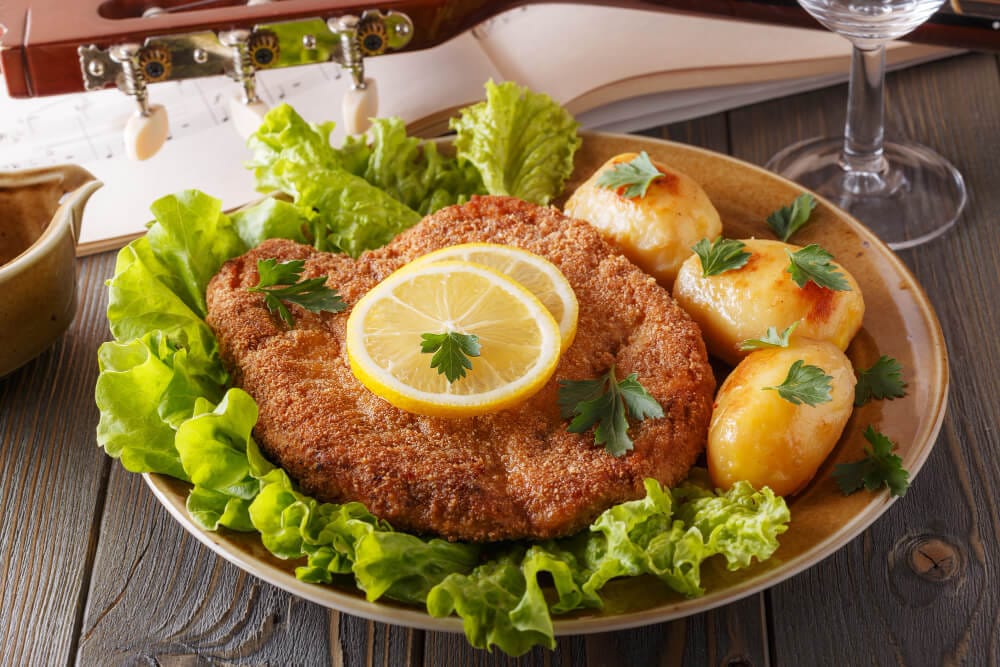
Viennese cuisine reflects Central European traditions: hearty, restrained, and rooted in routine. Dishes like Wiener Schnitzel and Tafelspitz are simple but deeply codified.
Meals are structured and often earlier than in Southern Europe. Dinner begins sooner, especially on weekdays, and kitchens close earlier than many American visitors expect.
Markets like Naschmarkt add contrast—less formal, more international, and reflective of Vienna’s evolving identity.
Tip: Adjust expectations around dining times. Vienna follows its own rhythm, and adapting makes the experience smoother.Relax in Vienna’s Green Spaces
Vienna balances formality with access to nature. Parks like Stadtpark and the Prater offer space to pause between cultural stops. The Prater’s wide paths and iconic Ferris wheel feel surprisingly relaxed for a capital city.
Pause in Vienna’s Green Spaces
Vienna integrates green space into daily life unusually well for a capital city. Stadtpark offers a central pause between cultural stops, while the Prater feels expansive and surprisingly relaxed.
The Prater’s wide paths and Ferris wheel create a sense of openness that contrasts with the formality of the historic center. It’s a reminder that Vienna values balance as much as structure.
For travelers who enjoy Vienna’s balance of culture and green space, a trip to Austria’s scenic lake district of Hallstatt & Salzkammergut offers a natural extension of the experience, trading imperial parks for alpine lakes and mountain villages.
See Vienna Beyond the Imperial Core
Exploring neighborhoods outside the center completes the picture. Areas like Neubau and Leopoldstadt feel residential, creative, and less ceremonial. Cafés are quieter, shops more local, and daily life more visible.
This contrast helps visitors understand Vienna not just as a former empire, but as a functioning modern city.
Tip: Even one afternoon outside the historic center adds depth to your visit.
Final Thoughts
The best things to do in Vienna are not about checking boxes. They’re about observation, pacing, and respect for tradition. Vienna doesn’t impress through spectacle alone—it impresses through consistency, culture, and confidence.
Focus on fewer experiences each day. Sit longer. Walk more. Listen carefully.
Vienna reveals itself not when you rush through it, but when you let it set the tempo.