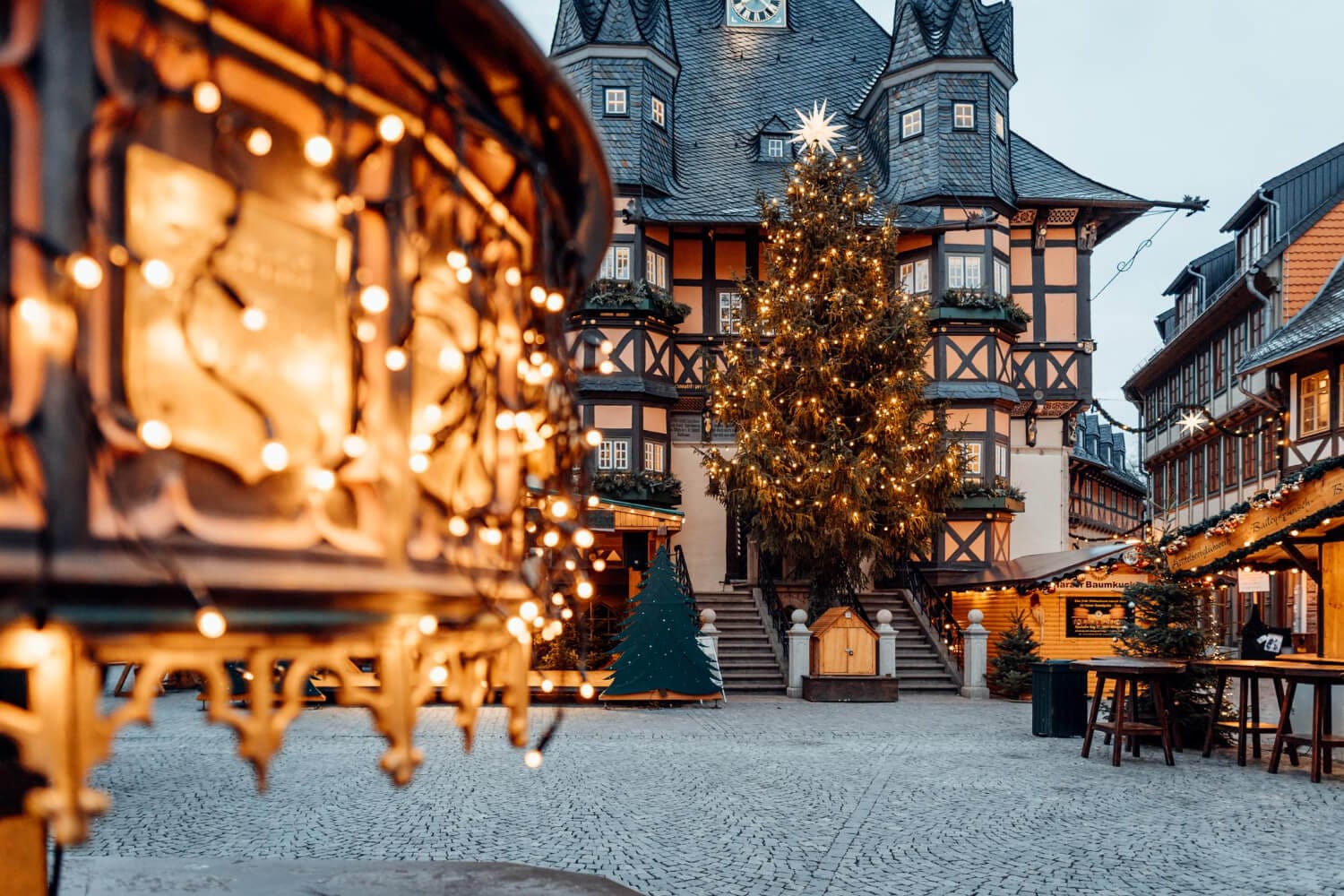
Winter in Europe has a very specific kind of magic. Cities slow down, streets glow with warm lights, cafés feel cozier, and even familiar landmarks take on a different character once snow and frost arrive. For winter trips in 2026, Europe offers a mix of festive markets, cultural depth, and seasonal experiences that simply don’t exist in warmer months. Vienna, Krakow, Tallinn, Strasbourg, and Reykjavik stand out as destinations where winter isn’t a drawback but the main reason to visit.
What makes these cities especially appealing is how walkable and atmospheric they remain in cold weather. You don’t need a packed itinerary or constant movement. Winter here is about wandering, warming up indoors, stepping back outside, and letting the city unfold at its own pace.
Vienna, Austria: Imperial Elegance in Snow
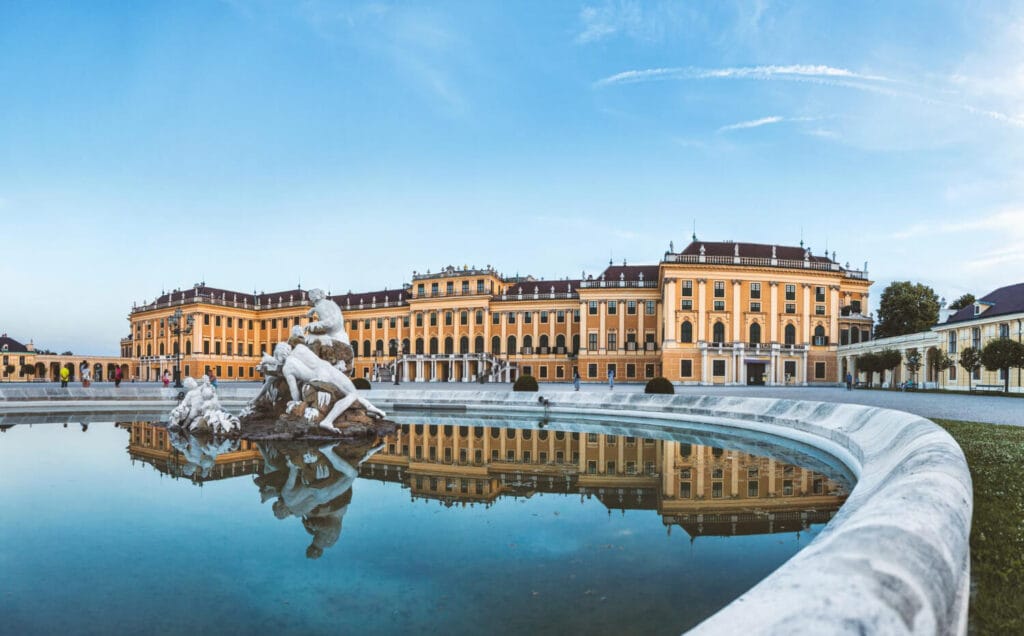
Vienna in winter feels composed, elegant, and quietly festive. Snow softens the grand architecture, and the city’s imperial avenues become ideal for slow evening walks. The Ringstrasse, especially after dark, is one of those places where you naturally slow your pace just to take it all in. I’ve walked it many times in winter, and the combination of lights, trams, and historic façades never feels repetitive.
Christmas markets are central to Vienna’s winter identity. The market at Rathausplatz is the most famous, with dozens of stalls selling mulled wine, roasted chestnuts, ornaments, and sweets. A mug of Glühwein typically costs around €5–6, often including a deposit for the ceramic cup. Schönbrunn Palace also hosts a more spacious market, which feels calmer in the evenings and works well if you want a less crowded experience.
Vienna’s café culture truly shines in winter. Sitting inside a traditional coffee house while it’s cold outside is almost a ritual. A hot chocolate or coffee usually costs €4–6, while a slice of Sachertorte is around €6–7. These cafés aren’t just places to eat; they’re places to linger, read, or simply warm up between walks.
Cultural experiences are another winter highlight. Classical concerts continue throughout the season, and attending one feels especially fitting when the city is quiet and cold. Tickets for a concert at venues like the Musikverein or Kursalon typically range from €35 to €80, depending on seating. Museums such as the Hofburg or the Belvedere are less crowded than in summer, with entrance fees around €15–18, making winter an excellent time for slower, more focused visits.
Krakow, Poland: Medieval Charm and Cozy Streets
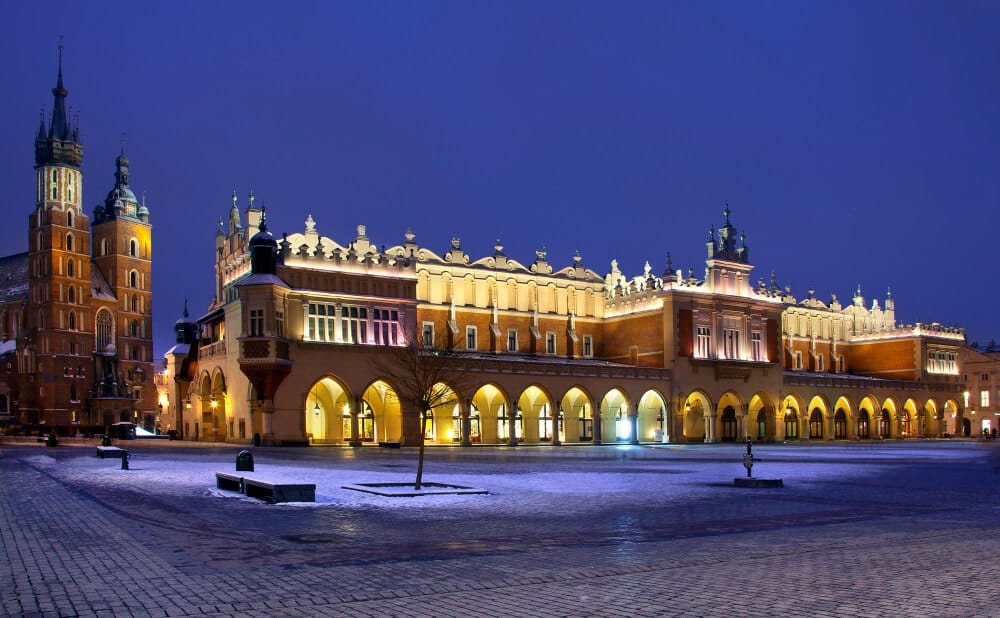
Krakow in winter feels intimate and atmospheric rather than grand. Snow turns the Old Town into something straight out of a storybook, especially around the Main Market Square. The scale of the city makes it ideal for winter travel—you can explore most areas on foot without feeling rushed or exhausted by the cold.
The Christmas market in the Main Market Square is the heart of winter life. Wooden stalls sell grilled oscypek cheese, mulled wine, pastries, and handmade crafts. A cup of grzaniec (Polish mulled wine) usually costs around €3–4, making it one of the more affordable winter markets in Europe. I often find myself standing near the stalls longer than planned, simply watching the carriages circle the square and listening to street musicians.
Wawel Castle looks particularly dramatic in winter. While the grounds are beautiful under snow, going inside is worth it for warmth and history. Entrance to the royal chambers typically costs €6–10 depending on the section. Inside, the rooms feel quieter and more reflective during winter, without the heavy summer crowds.
Food is another reason Krakow works so well in cold months. Pierogi, soups like żurek, and street food such as zapiekanka feel especially comforting. A full meal in a traditional restaurant often costs €10–15, while street food snacks are usually under €4. Winter evenings here naturally revolve around food and conversation rather than rushing from sight to sight.
Personal Tip: Grab a hot mulled wine in the market and watch the horse-drawn carriages—it’s my favorite cozy winter ritual in Krakow.
Tallinn, Estonia: Fairy-Tale Old Town
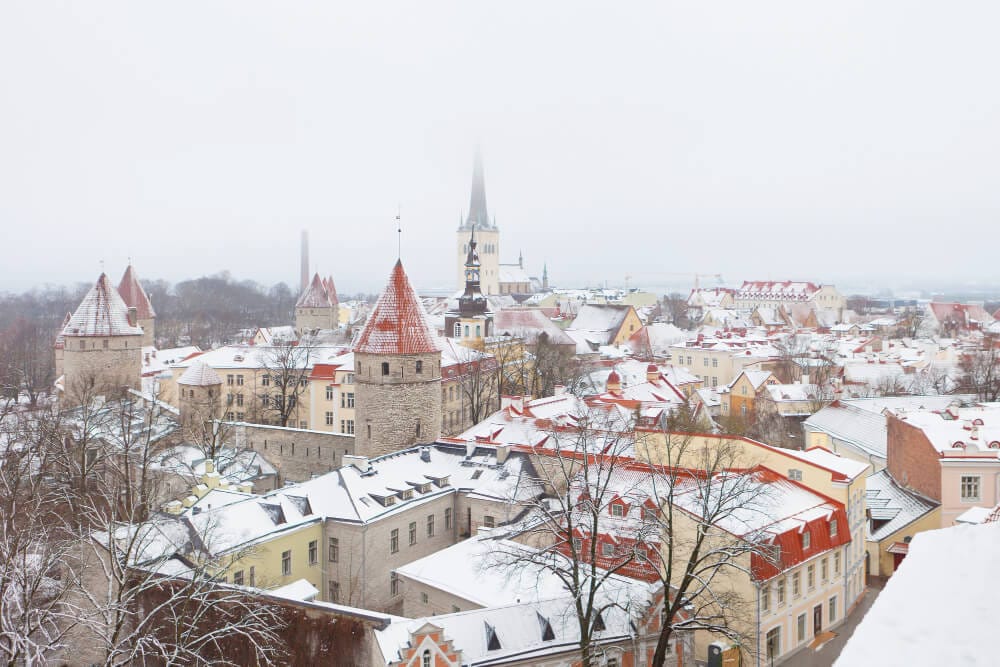
Tallinn’s Old Town feels almost designed for winter. The medieval walls, narrow streets, and pastel-colored buildings look even more striking with snow on the rooftops. Unlike larger capitals, Tallinn stays compact and calm, which makes cold-weather exploration surprisingly pleasant.
The Christmas market in Town Hall Square is small but atmospheric. A cup of glögg usually costs around €5, and many stalls sell wool products, wooden toys, and handmade gifts. Because the market isn’t huge, it feels more local and less overwhelming. I like visiting later in the evening, when tour groups thin out and the lights feel softer.
Walking through the Old Town is the main attraction. The cobblestones can be slippery, but sturdy boots solve that. Winter walks along the city walls offer great views over the snow-covered rooftops, and access to sections of the walls typically costs around €3–5.
Churches and small museums provide natural warm-up stops. The Alexander Nevsky Cathedral is free to enter and especially striking against a winter sky. Cafés throughout the Old Town serve hearty soups and pastries, with meals usually costing €8–12. Tallinn in winter is less about ticking off attractions and more about atmosphere, silence, and slow exploration.
Strasbourg, France: The Heart of Christmas
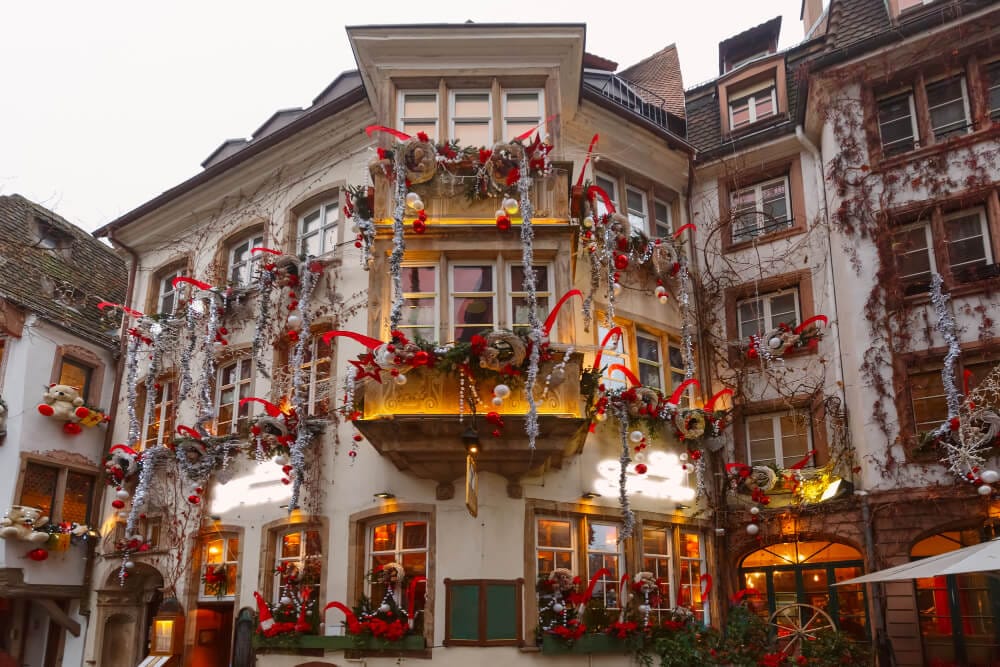
Strasbourg fully embraces winter, and nowhere is this more obvious than during the Christmas season. Known as the “Capital of Christmas,” the city transforms into a network of illuminated streets, decorated squares, and festive stalls. Even if you’ve visited Strasbourg before, winter makes it feel like a different place.
The Christkindelsmärik is one of Europe’s oldest Christmas markets and spreads across multiple squares. With over 300 stalls, it can get busy, but wandering through different areas helps avoid the densest crowds. Mulled wine generally costs €5–6, and regional snacks like tarte flambée or bredele cookies range from €4–8.
Strasbourg Cathedral looks particularly impressive in winter light. Entry to the cathedral is free, while climbing the tower costs around €8 and offers views over snow-dusted rooftops. I often prefer walking around the Petite France district instead—its canals and half-timbered houses feel quieter and more intimate, especially in the early morning or late evening.
Alsatian cuisine is perfect for cold weather. Hearty dishes like choucroute and baeckeoffe are widely available, with main courses typically costing €15–20. Winter evenings here naturally revolve around long dinners and slow walks back through illuminated streets.
I like to wander the smaller alleys near Petite France for quieter moments away from the main market crowds.
Reykjavik, Iceland: Northern Lights and Cozy Vibes
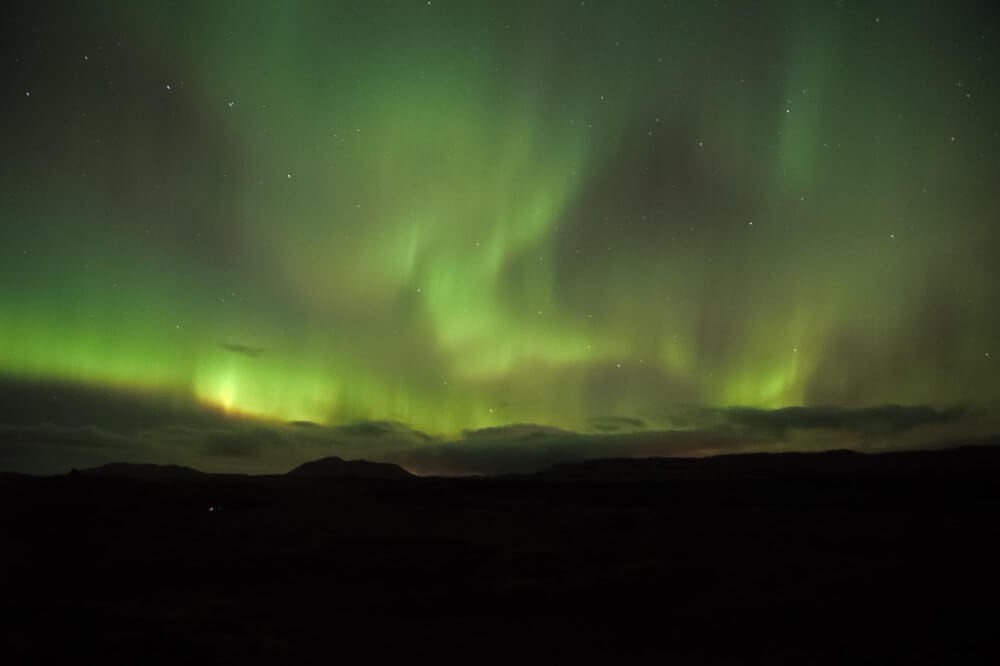
Reykjavik offers a very different winter experience, focused less on markets and more on nature and atmosphere. The city itself stays lively in winter, but the real draw is what surrounds it: darkness, snow, and the chance to see the Northern Lights.
Northern Lights tours are one of the most popular winter activities. Prices usually range from €80–120 per person, depending on the tour type and duration. Seeing the aurora is never guaranteed, but the experience of heading into the countryside at night is memorable even without a perfect display.
Geothermal baths are another winter essential. The Blue Lagoon is the most famous, with entry typically costing €60–80 depending on the package. Smaller local pools and hot springs are cheaper, often €10–20, and feel more relaxed. Sitting in warm water while cold air surrounds you is one of those experiences that defines winter travel in Iceland.
Reykjavik itself is compact and walkable. Cafés, bookstores, and small museums provide warmth and shelter, while colorful houses brighten even the darkest days. Meals are expensive compared to mainland Europe—expect €20–30 for a main course—but portions are generous, and the quality is consistently high.
Why These Cities Work So Well in Winter
What connects Vienna, Krakow, Tallinn, Strasbourg, and Reykjavik is how well they adapt to the season. None of them require constant movement or long outdoor sightseeing days. Instead, they invite you to walk, pause, warm up, and continue at a natural rhythm.
Winter prices for attractions are often lower or more stable than peak summer months, and crowds are generally lighter outside of holiday peaks. Accommodation can also be more affordable in January and February, making 2026 winter trips especially appealing for travelers who value atmosphere over packed itineraries.
Winter in Europe isn’t about doing more. It’s about feeling more. These cities reward travelers who slow down, dress warmly, and let the season shape the experience.