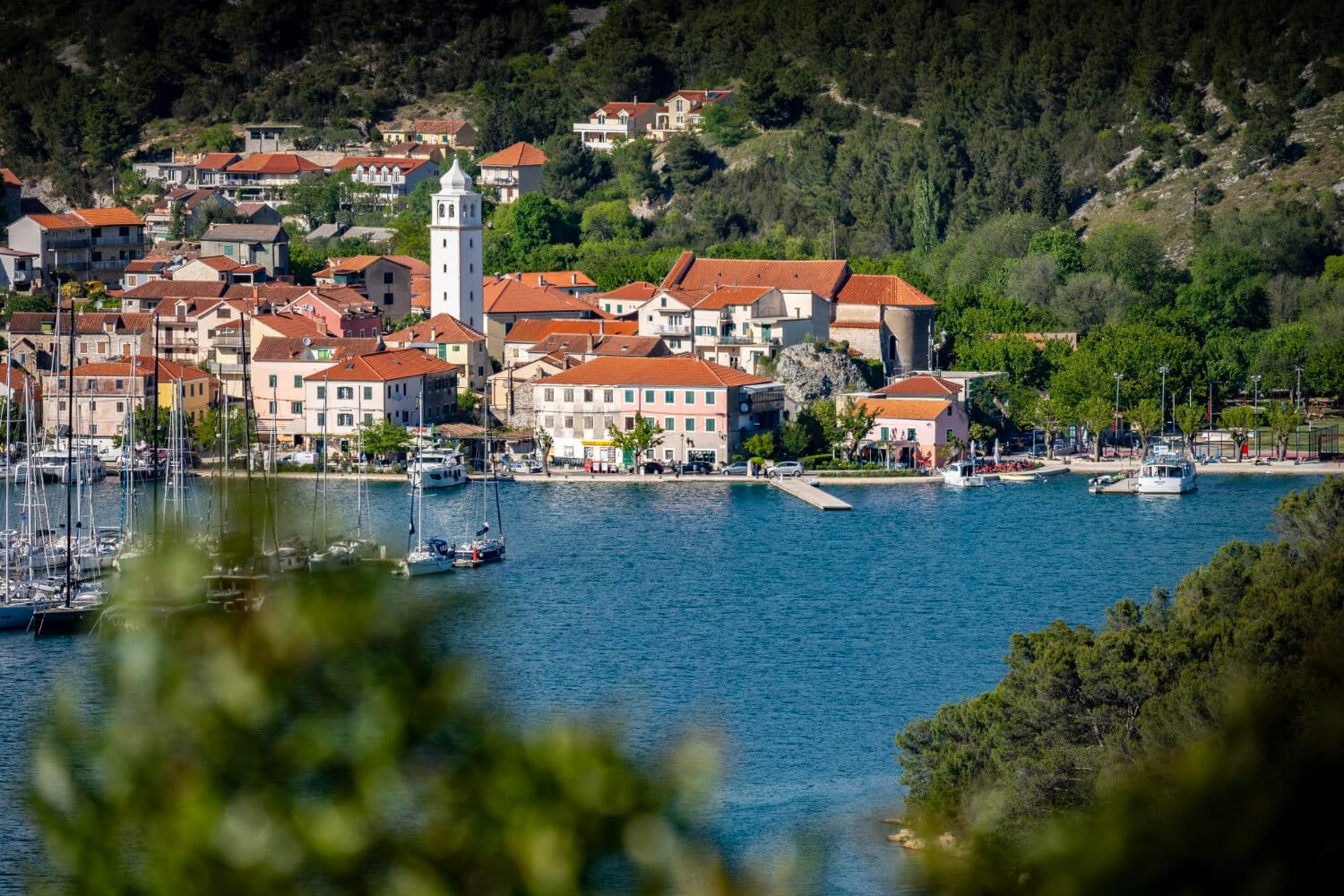
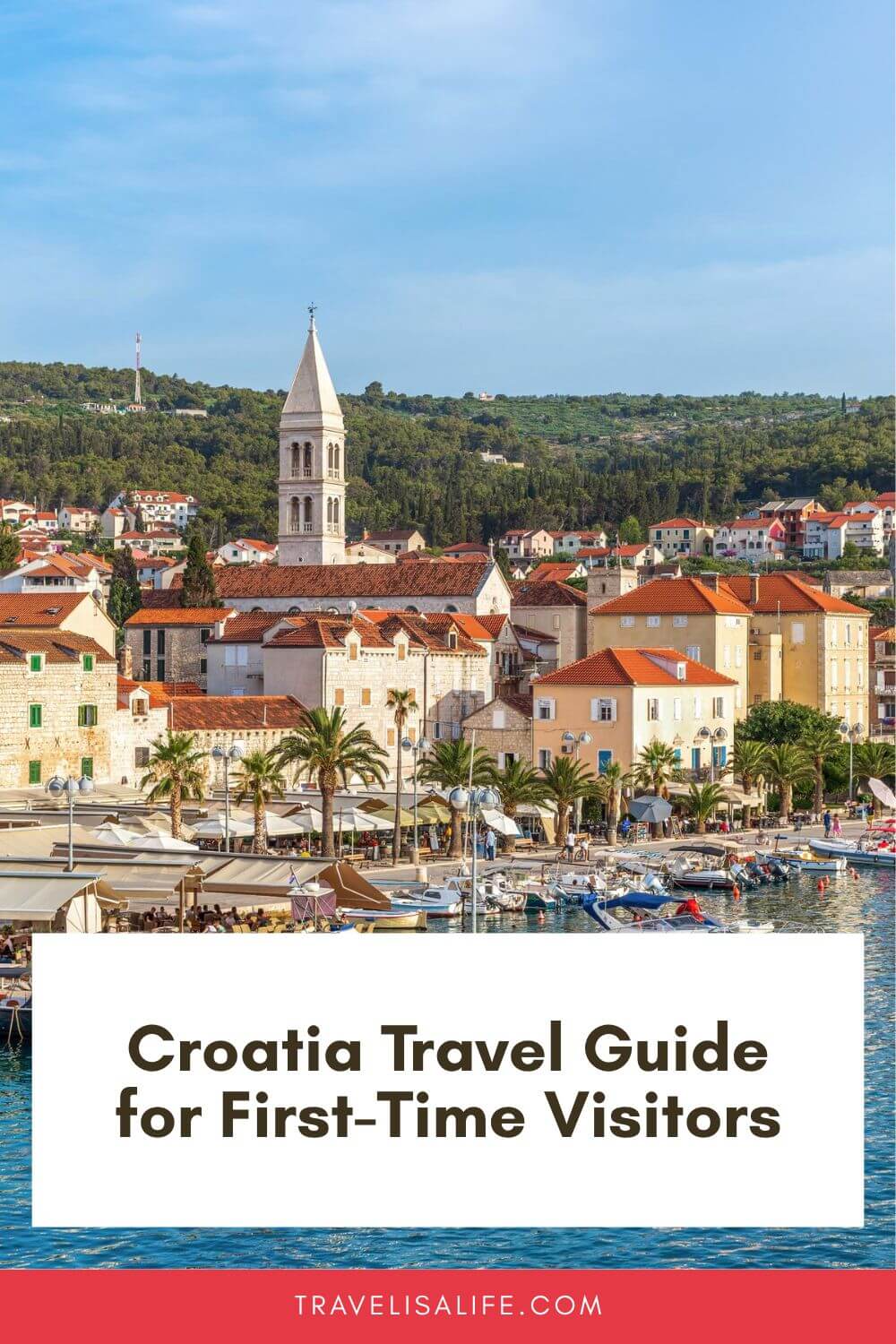
Croatia is one of Europe’s most picturesque and diverse destinations, combining crystal-clear Adriatic waters, medieval towns, rolling vineyards, and rugged national parks. For Americans traveling for the first time, navigating the mix of coastal islands, inland villages, and city life can feel overwhelming. Understanding transportation, cultural norms, cuisine, and pacing will ensure a smooth and memorable experience.
Whether your focus is sun-soaked beaches along the Dalmatian coast, historic streets in Dubrovnik and Split, or inland adventures at Plitvice Lakes, this guide helps first-time visitors experience Croatia fully while avoiding common pitfalls.
Why Visit Croatia for Your First European Trip?
Croatia is unique because it offers variety in a compact country. Within a few hours, you can move from vibrant coastal towns to serene inland lakes, from centuries-old fortresses to modern marinas. For first-time visitors, this allows a rich experience without excessive travel, giving a balanced sense of history, nature, and local life.
Beyond sightseeing, Croatia’s pace encourages relaxation. Coastal cafés, seaside promenades, and scenic ferry rides create moments of discovery that feel harder to find in more crowded European destinations. For those planning multi-country trips, Croatia also connects easily with Italy, Slovenia, and Montenegro, making it a strategic base for broader exploration.
Croatia’s coastal towns, medieval streets, and alpine lakes are highly photogenic. Capture memories instantly with a compact instant camera, perfect for ferry trips, walking tours, or sunset views over Dubrovnik. Recommended instant camera for travelers.
Best Cities and Towns for First-Time Visitors
Dubrovnik: The Pearl of the Adriatic
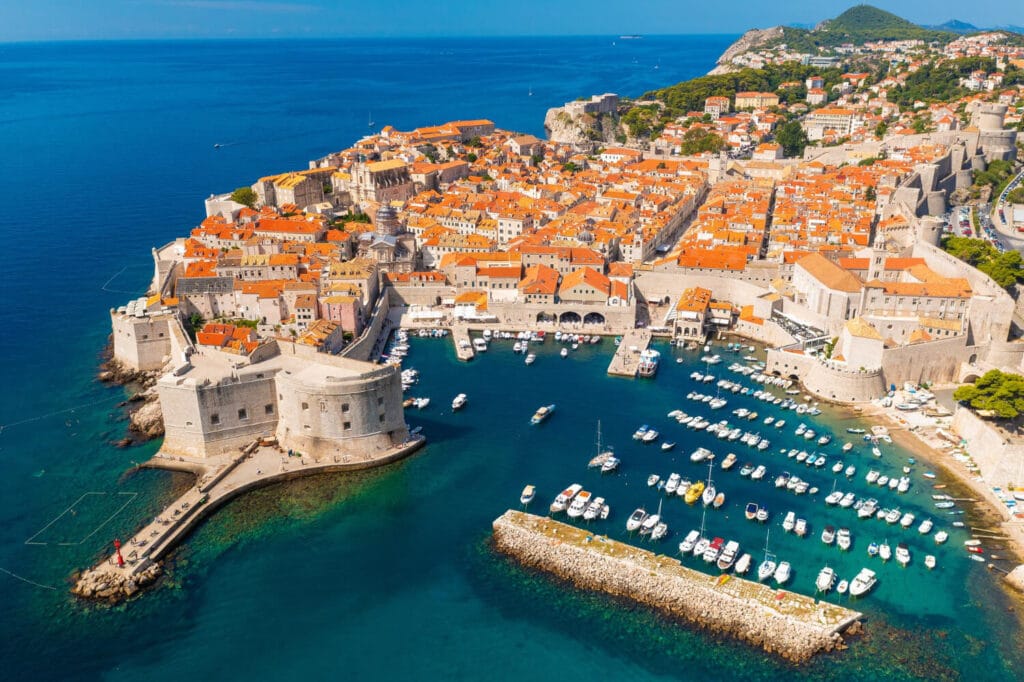
Dubrovnik is the country’s most famous city and a UNESCO World Heritage site. Its ancient city walls, cobblestone streets, and red-tiled roofs create an instantly recognizable backdrop. Walking along the walls offers panoramic views of the Adriatic and the Old Town, while the Stradun — the main promenade — is perfect for leisurely exploration.
Visitors can take the cable car to Mount Srđ for sunset views over the city. Prices in 2025–2026 are around €25 for a return trip. Dining in Dubrovnik combines fresh seafood, Mediterranean flavors, and local wines, but keep in mind that coastal tourist areas can be pricey.
Split: Roman History Meets Coastal Life
Split is a vibrant port city centered around Diocletian’s Palace, a sprawling Roman complex that blends history with modern life. The palace streets are filled with cafés, shops, and artisan boutiques, making it easy to spend a day exploring on foot. Split also serves as a gateway to nearby islands like Hvar and Brač, accessible by ferry. High-speed catamarans and conventional ferries link the coast, and ticket prices vary from €15–€35 depending on distance and season.
Zagreb: Culture, Markets, and Architecture
Zagreb, Croatia’s capital, has an urban charm mixed with historic neighborhoods. The Upper Town offers cobblestone streets, colorful architecture, and museums, while the Lower Town hosts lively markets, cafés, and pedestrian zones. Visiting Dolac Market for fresh produce, cheeses, and pastries allows travelers to engage with local life. Zagreb is also convenient for day trips to Plitvice Lakes National Park, roughly two hours away by car or organized tour.
Exploring Croatia’s Islands and Coastline
The Dalmatian islands are a highlight for first-time visitors. Hvar is known for lavender fields, vineyards, and a lively nightlife, while Korčula offers a quieter, medieval town experience. Ferry travel is the best way to move between islands. Planning ahead is essential in peak season (July–August), as ferries can sell out. For flexibility, many visitors choose to rent a car on islands like Brač, which allows access to hidden beaches and remote villages.
The Istrian Peninsula offers a contrast with the Dalmatian coast. Coastal towns such as Rovinj and Poreč are charming, with Venetian-influenced architecture, cobbled streets, and a relaxed dining scene. Truffle-hunting excursions, vineyards, and cycling tours make Istria an appealing alternative for travelers seeking cultural depth and culinary experiences.
National Parks: Nature Beyond the Coast
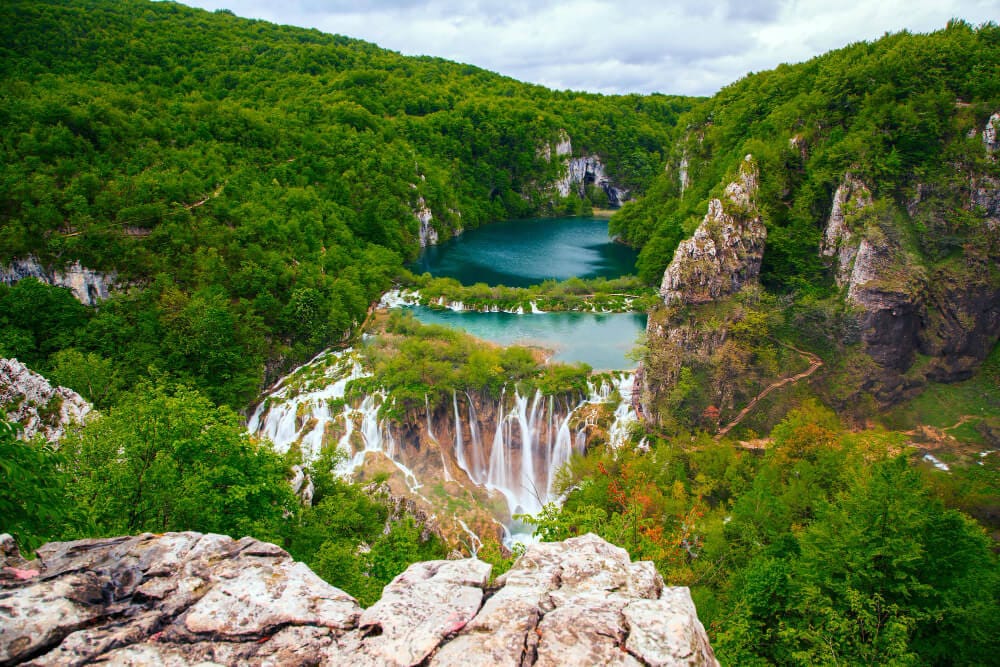
Croatia is home to some of Europe’s most beautiful natural landscapes. Plitvice Lakes National Park, famous for turquoise lakes and cascading waterfalls, captivates visitors with its scenery. Krka National Park is ideal for those who want to combine walking trails with the option to swim in designated areas.
Visiting early in the day is advisable to avoid crowds, and entry fees for 2025–2026 range between €20–€45, depending on the season. Trails are well-maintained, but sturdy walking shoes are recommended for wooden pathways and uneven terrain. Both parks are accessible from major cities like Zagreb and Split, making them feasible for day trips.
Croatian Cuisine: What to Eat and Drink
Food in Croatia varies by region. Along the coast, fresh seafood dominates, with dishes like black risotto, grilled fish, and octopus salad. Inland, hearty meals such as lamb stews and pastries are more common. Croatian wine is exceptional, with Plavac Mali from Dalmatia and Malvazija from Istria providing distinct regional flavors.
Street food is widely available and often overlooked by visitors. Burek, a savory pastry, and fritule, a small doughnut-like treat, are easy ways to taste Croatian flavors on the go. Dining in family-run taverns, or konobas, provides an authentic cultural experience that cannot be replicated in tourist-heavy restaurants.
Transportation and Getting Around
Croatia’s transportation system is a mix of well-connected ferries, buses, and domestic flights. In coastal areas, ferries are reliable and scenic, while inland travel is often easiest by car. Driving allows flexibility to explore vineyards, rural villages, and remote coves, but city centers like Dubrovnik, Split, and Rovinj often have restricted traffic zones, limited parking, and narrow streets. Planning your route and accommodation in advance ensures a smooth experience.
Public buses and trams in larger cities are efficient, with apps and Google Maps providing real-time schedules. For island travel, consider high-speed catamarans for faster connections, especially if your schedule is tight.
Suggested 7-Day Itinerary for First-Time Visitors
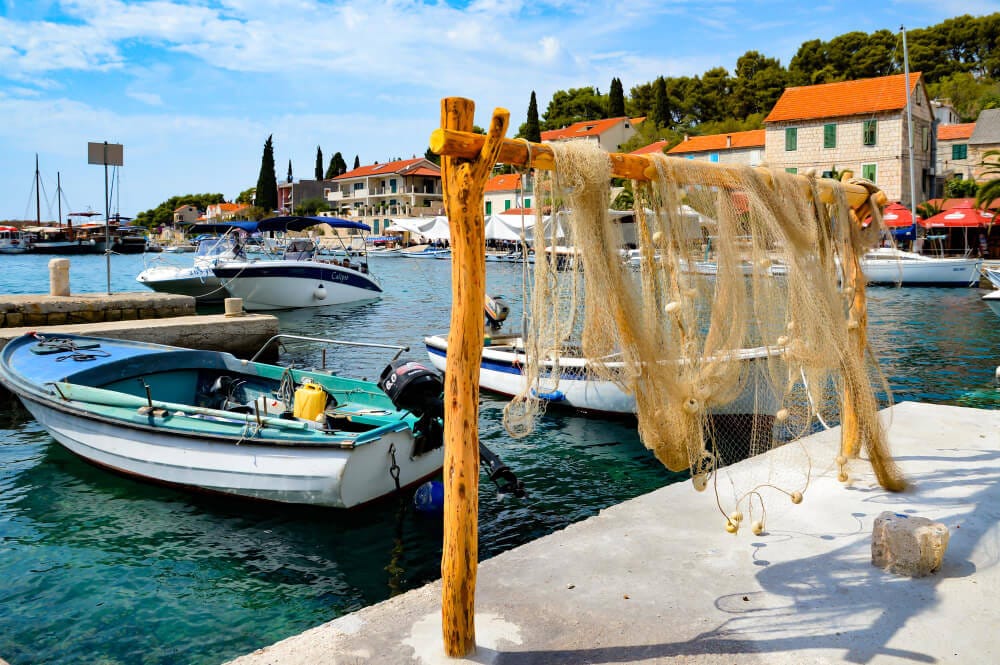
A well-rounded week can include Dubrovnik, Split, one or two Dalmatian islands, Plitvice Lakes, and a stop in Istria. Start in Dubrovnik, walking the city walls, exploring Stradun, and taking the Mount Srđ cable car. Continue to Split for Roman history and a base for island trips. Spend a day or two on Hvar and Korčula for beach relaxation, wine tasting, and quiet exploration. Incorporate Plitvice Lakes as a day trip or overnight stay to experience Croatia’s natural beauty. Finish with Istria to explore coastal towns, culinary experiences, and vineyards.
Pacing your days allows for flexibility, immersion, and genuine enjoyment, avoiding the fatigue common with overly packed itineraries.
Conclusion
Croatia is a destination that blends history, culture, natural beauty, and relaxation. For first-time visitors, careful planning ensures a seamless experience, allowing exploration of the Adriatic coast, inland parks, and scenic islands without stress. Whether strolling Dubrovnik’s Old Town, exploring Roman history in Split, relaxing on Hvar’s beaches, or hiking through Plitvice’s waterfalls, Croatia offers moments that combine adventure, culture, and local charm.
By embracing local customs, pacing your itinerary, and balancing popular sites with quieter areas, first-time visitors can enjoy a rich and memorable introduction to this vibrant European country.
For travelers planning to combine Croatia with neighboring countries, consider pairing your itinerary with Austria’s Hallstatt & Salzkammergut for extended exploration of Europe’s diverse landscapes.