Planning an Amalfi Coast vacation can feel overwhelming for first-time visitors. The region is compact but layered, with steep villages, narrow roads, limited transportation options, and seasonal crowd pressure. A well-structured 5-day itinerary allows you to experience the coast’s most iconic destinations while still leaving time for spontaneity, scenic pauses, and relaxation. This guide is designed for travelers who want to see the highlights without rushing, understand real costs, and avoid common planning mistakes.
The Amalfi Coast is not about checking off attractions quickly. It rewards slower travel, early starts, and thoughtful base choices. With five days, you can comfortably explore Positano, Amalfi, Ravello, Capri, and several lesser-known villages while enjoying the food, views, and rhythm that make this stretch of coastline so special.
Day 1: Arrival and First Impressions in Positano
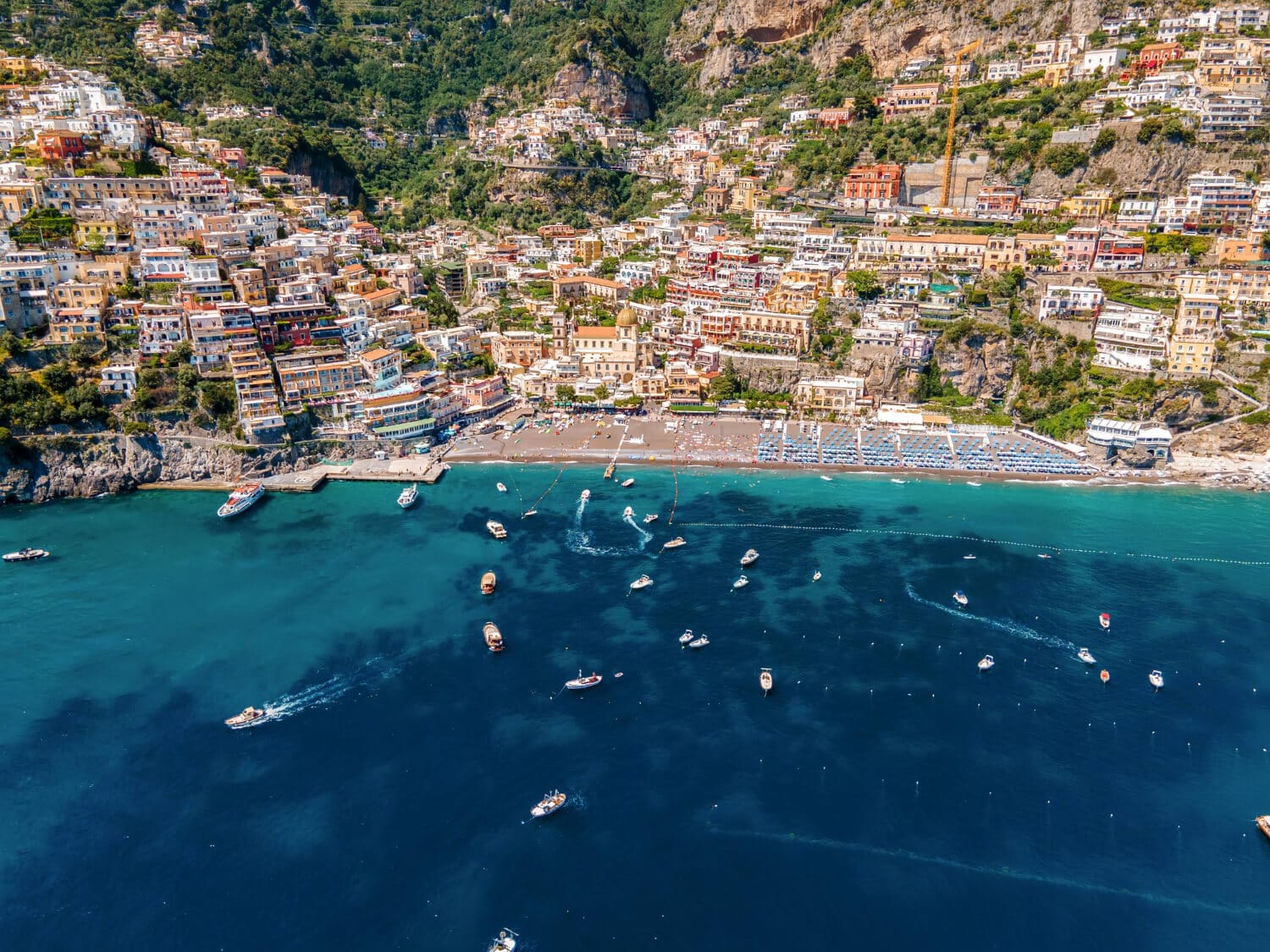
Positano is often the emotional entry point to the Amalfi Coast. Its vertical layout, pastel houses cascading toward the sea, and constant interplay of light and water create a striking first impression. Most travelers arrive via ferry from Naples or Sorrento, or by car along the coastal road.
After checking into your hotel or guesthouse, the best way to spend your first afternoon is simply walking. Moving slowly through Positano’s steep streets allows your body to adjust to the stairs and your mind to settle into the pace of the coast. Small artisan shops sell ceramics, linen clothing, and handmade leather sandals, while hidden staircases lead to quiet viewpoints above the sea.
Spiaggia Grande is Positano’s main beach and one of the most photographed spots on the coast. While lively and crowded, it offers an iconic setting, especially in the late afternoon when the sun softens. Renting a sunbed and umbrella costs approximately €30–€40 per day during peak season, while free sections are limited. For a quieter experience, Fornillo Beach is a short walk away and generally less crowded.
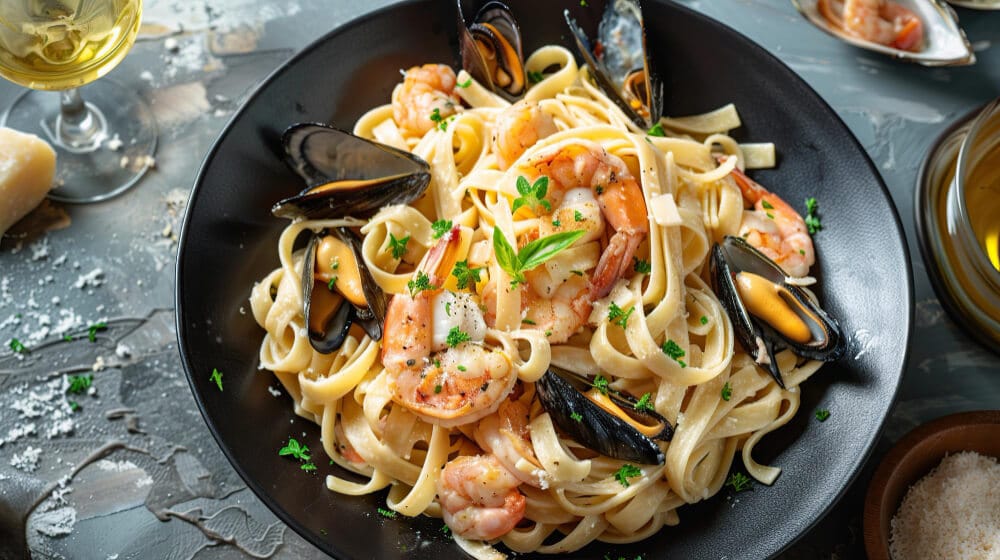
Dinner on your first night is best kept simple. A casual trattoria with sea views is ideal for easing into the local cuisine. Expect to pay between €18 and €28 for a seafood pasta dish and around €6–€8 for a glass of local wine.
Tip: Arriving in Positano in the afternoon works in your favor. The town is at its most beautiful during golden hour, and ferry crowds tend to thin by early evening.
If the Amalfi Coast is only one part of a longer Italian journey, it pairs exceptionally well with central Italy. Travelers who want to connect coastal scenery with countryside towns, vineyards, and slower inland travel may find it helpful to explore a broader route that links Tuscany and southern Italy. The 7-Day Italy Itinerary: Hidden Gems from Tuscany to Amalfi shows how destinations like Florence, hill towns, and rural landscapes can flow seamlessly into the Amalfi Coast, creating a balanced trip that combines culture, food, and dramatic scenery without constant backtracking.
Day 2: Amalfi and Ravello – History and Height
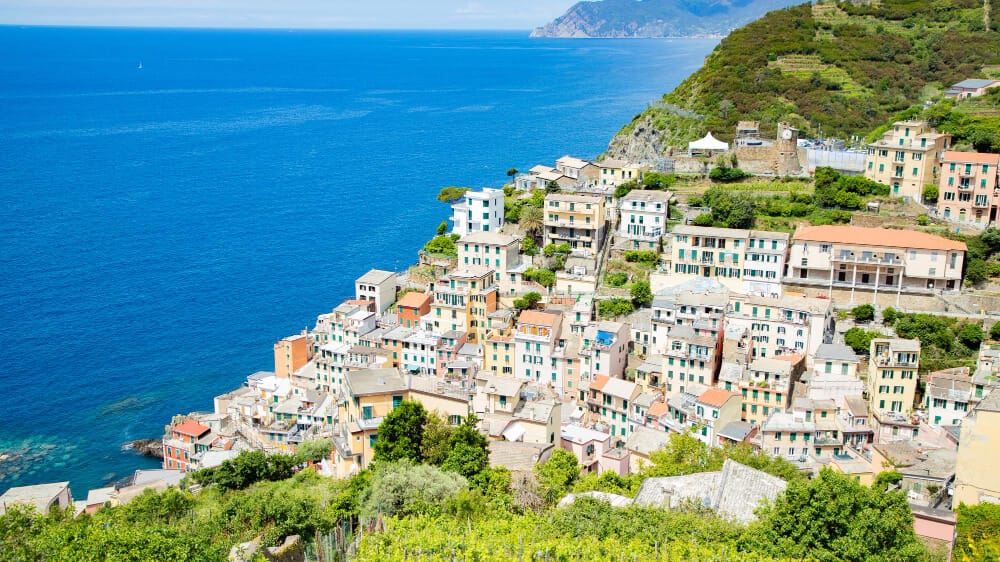
Starting early is essential on day two. Morning hours are calmer, cooler, and far more enjoyable, especially in popular towns like Amalfi. The historic center is compact, with the cathedral dominating the main square. Visiting the Duomo di Amalfi provides insight into the town’s maritime past, and the Cloister of Paradise offers a quiet contrast to the busy piazza. Entry costs around €3–€5 depending on the areas you visit.
Amalfi’s Paper Museum adds context to the town’s historical importance. For centuries, Amalfi was one of Europe’s main paper producers, and the museum preserves both tools and techniques. Admission is typically €3–€5 and takes about 45 minutes, making it an easy cultural stop.
By late morning, traveling uphill to Ravello changes the atmosphere completely. Perched high above the coast, Ravello feels calmer, more refined, and less hectic. The views from Villa Rufolo and Villa Cimbrone are among the best on the entire coastline. Each villa charges approximately €7 for entry, and both are worth visiting if time allows. The gardens, terraces, and silence offer a welcome pause after Amalfi’s busier streets.
A leisurely coffee in Ravello often becomes a highlight of the day. Sitting above the coast with uninterrupted views reminds you why slowing down matters here.
Tip: If you are choosing only one garden, Villa Cimbrone’s Terrace of Infinity offers the most dramatic viewpoint, especially in late afternoon light.
Day 3: Scenic Roads and Hidden Villages
The Amalfi Coast road is famous for a reason. Winding tightly along cliffs, it reveals constant shifts in perspective, color, and scale. Whether you drive yourself or join a guided tour, this day is about movement and observation rather than destinations alone.
Passing through Praiano introduces a quieter, more residential side of the coast. Furore, known for its fjord-like gorge, feels almost secretive, with a small beach hidden beneath towering rock walls. Conca dei Marini offers access to the Emerald Grotto, a sea cave illuminated by natural light filtering through underwater openings. Entry to the grotto costs approximately €14, with an additional small boat fee of around €10 if accessed from the sea.
Frequent stops along the route are essential. Small cafés perched above the water serve espresso and pastries, often with views that rival luxury restaurants. A simple coffee rarely costs more than €3, yet the setting feels priceless.
Driving yourself requires confidence and patience. Roads are narrow, buses are frequent, and parking is limited. Many travelers find that a half-day guided tour offers a more relaxed experience, with prices ranging from €70 to €120 depending on group size and duration.
Day 4: Capri Day Trip
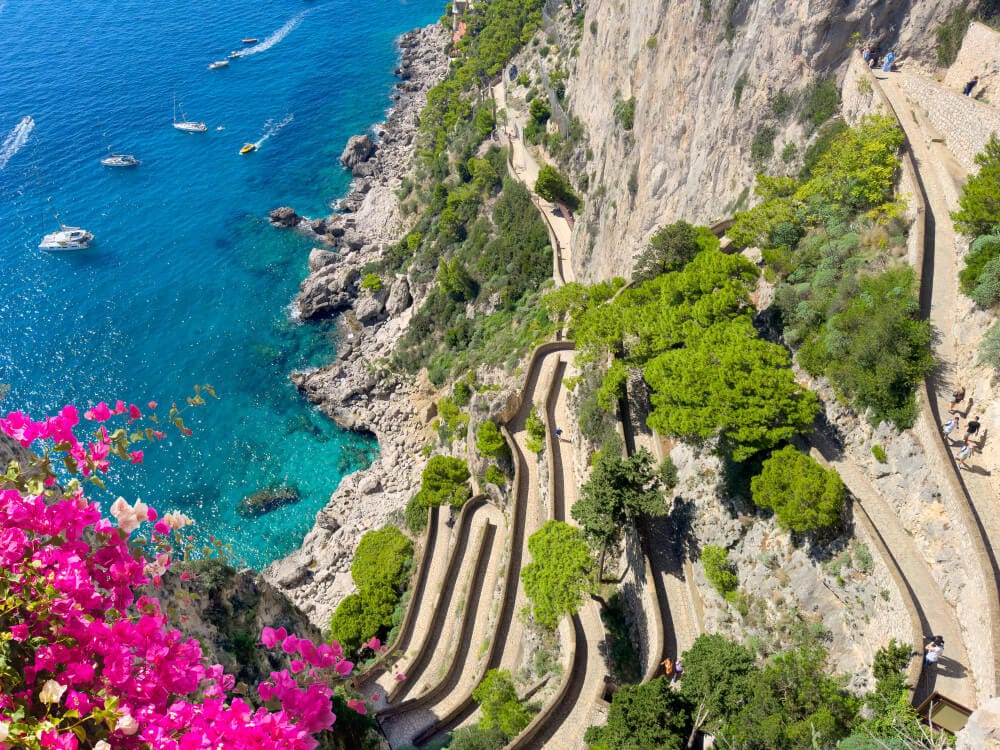
Capri is an essential part of an Amalfi Coast itinerary, but it requires strategic planning. Ferries from Positano or Amalfi typically cost between €20 and €25 one way, with early departures offering the smoothest experience. During summer months, booking ferry tickets in advance is highly recommended.
Once on the island, Capri town is lively and glamorous, while Anacapri feels more local and relaxed. Traveling upward to Anacapri opens access to quieter streets and better views. The Monte Solaro chairlift costs around €12 round-trip and offers the highest panoramic point on the island.
Boat tours around Capri are popular and allow you to see the Faraglioni rock formations and, conditions permitting, the Blue Grotto. Entry to the Blue Grotto costs €14, with an additional transfer fee if you are not already on a small boat. Sea conditions can affect access, so flexibility is important.
Dining on Capri tends to be more expensive than on the mainland, with lunch prices often starting around €20–€30 per main dish. Choosing smaller trattorias in Anacapri helps control costs.
Day 5: Slow Morning and Farewell
Your final day should be intentionally unstructured. Whether you return to a favorite beach, revisit a scenic viewpoint, or explore shops you missed earlier, this is the moment to absorb the atmosphere without pressure.
For those wanting a final active experience, a partial hike along the Path of the Gods offers unforgettable views without committing to the full trail. The path is free and accessible from several points, with the Bomerano to Nocelle section being the most popular.
Shopping in Positano focuses on quality rather than quantity. Linen clothing, handmade sandals, and ceramics make meaningful souvenirs, though prices reflect craftsmanship and location.
Where to Stay and What It Costs
Accommodation choices significantly shape your experience. Positano is ideal for first-time visitors but comes at a premium, with prices typically ranging from €150 to €400 per night in high season. Amalfi offers slightly better value while remaining well-connected, with nightly rates averaging €120 to €300. Ravello suits travelers seeking tranquility, with prices comparable to Amalfi but fewer budget options.
Booking several months in advance is essential for summer travel, especially if you want sea views or easy access to ferry docks.
Practical Travel Considerations
Transportation on the Amalfi Coast rewards planning. Ferries are efficient and scenic, while buses can be crowded and unpredictable during peak hours. Walking is unavoidable, and comfortable shoes are essential due to steep staircases and cobblestones.
Dining away from main squares generally provides better value and more authentic flavors. Expect espresso to cost €1.50–€3 and dinners to range from €25 to €40 per person depending on location and wine choices.
Best Time to Visit
Late spring and early fall offer the best balance of weather, crowd levels, and pricing. May, June, and September are ideal months for first-time visitors. July and August bring heat and crowds, while winter offers quiet beauty but limited services.
Conclusion
A 5-day Amalfi Coast vacation is about balance. With thoughtful pacing, early starts, and realistic expectations, first-time visitors can experience the coast’s most iconic towns without feeling rushed. By combining Positano’s drama, Amalfi’s history, Ravello’s serenity, Capri’s glamour, and the raw beauty of the coastal road, this itinerary delivers a full and memorable introduction to one of Italy’s most extraordinary regions.
If planned well, the Amalfi Coast is not overwhelming—it is deeply rewarding.