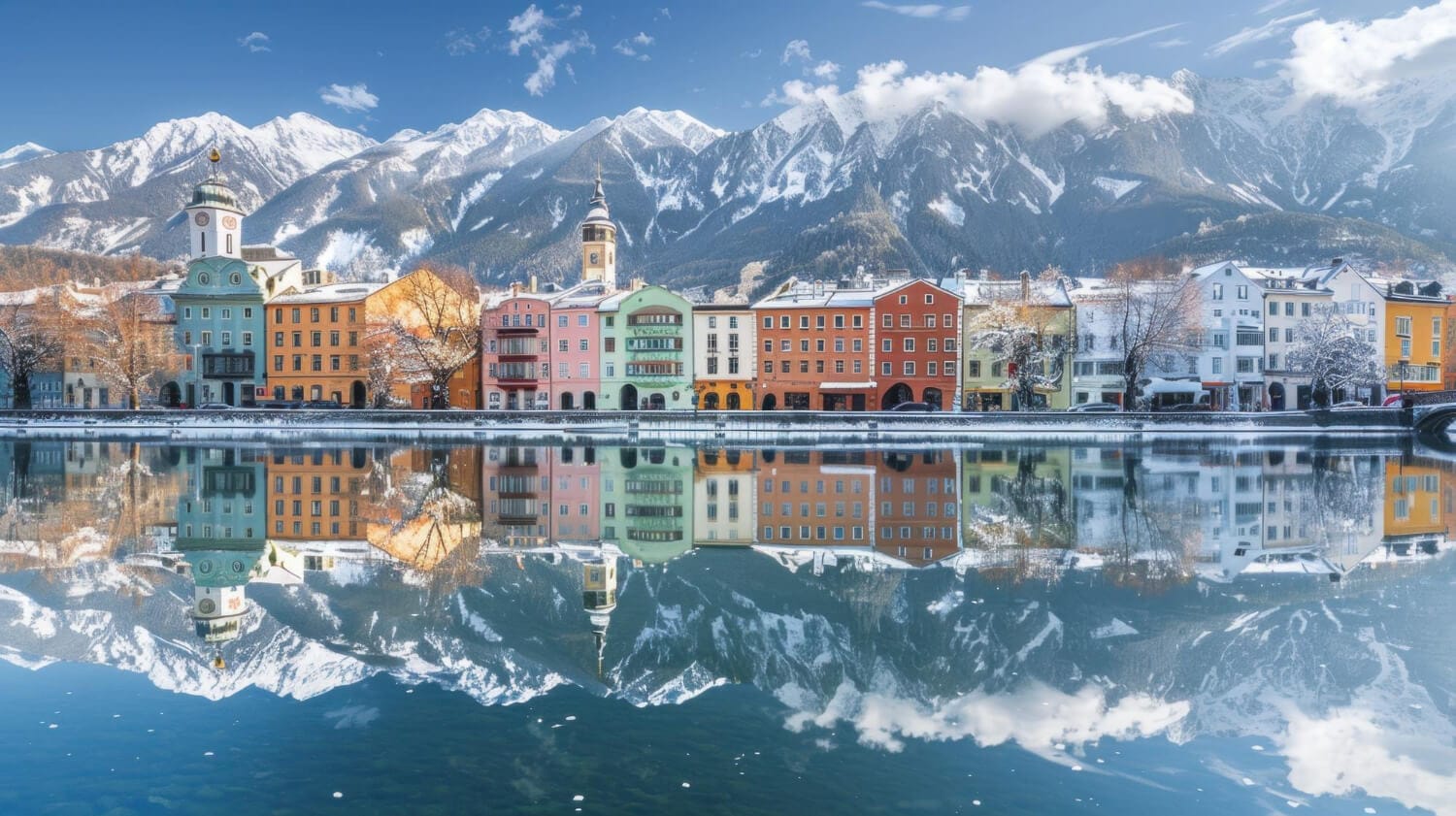
Set in the heart of the Austrian Alps, Innsbruck combines dramatic mountain scenery with a compact historic center. As the capital of Tyrol, it offers first-timers an easy balance of outdoor adventure, imperial history, and everyday city life. Accessible by train, walkable on foot, and surrounded by peaks visible from every corner, Innsbruck is ideal for travelers who want alpine experiences without sacrificing culture and comfort.
With efficient transport, cable cars that depart from the city center, and a vibrant café culture, Innsbruck works equally well for short stays or as a base for exploring the surrounding region.
Best Time to Visit Innsbruck
Choosing when to visit Innsbruck is as much about your preferred experience as it is about the weather. Summer (June–September) is ideal for hikers and photographers. The Nordkette cable car gives instant access to 2,300 meters above the city, and the light in the late afternoon casts golden hues across the peaks and the Inn Valley. Imagine sipping a coffee at a mountaintop café while the city below hums quietly — that’s summer in Innsbruck.
Winter (December–March) transforms Innsbruck into a lively ski destination. Slopes start just outside the city, so you could ski in the morning and explore the Old Town in the afternoon. Snow-covered rooftops, festive markets, and cozy alpine restaurants make it picturesque — though prices and crowds are higher.
Shoulder seasons like late May or October offer quieter streets and softer light, perfect for photography, but some mountain lifts and hiking paths may be closed for maintenance.
For a truly magical experience, catch sunrise from the Nordkette in September — the city below is bathed in golden light, and you’ll often have the peaks almost to yourself.
Top Attractions and What They Cost
Understanding entry prices and transportation costs helps you budget your visit more accurately. Many attractions are also included or discounted with the Innsbruck Card, which often pays for itself in value if you plan to do multiple activities.
Nordkette Cable Car – Alps from the City
One of Innsbruck’s signature experiences is the Nordkette cable car, which connects the city with alpine terrain in under 30 minutes.
- Nordkette cable car (return): ~€38.50–€44 (to Seegrube) or ~€47–€56 (all the way to Hafelekar) for adults.
- Children (6–14): ~50% discounted fares.
The ride itself is a highlight, providing panoramic views without hiking. At the top, viewing platforms, mountain cafés, and short walks make for a flexible visit that suits both active travelers and those who prefer a relaxed pace.
Insider saving: The Nordkette cable car is included with the Innsbruck Card, potentially saving €40+ if you plan to use public transport and visit multiple paid attractions during your stay.
Imperial and Cultural Attractions
Innsbruck’s history is visible in its palaces, churches, and museums. Individual entry costs (approximate 2026 rates) include:
- Hofburg Imperial Palace: ~€12.50 per adult
- Hofkirche (Court Church): ~€10 per adult
- Ambras Castle: ~€14 per adult (subject to seasonal pricing)
- Alpine Zoo: ~€12 per adult (included with Innsbruck Card)
These attractions provide depth to your visit beyond mountain views — from imperial apartments to alpine animal species and Renaissance art. Many of them are also part of the Innsbruck Card, which bundles access with public transport and cable cars.
The Innsbruck Card – Is It Worth It?
The Innsbruck Card simplifies sightseeing and often saves money:
- 24 h: ~€69
- 48 h: ~€79
- 72 h: ~€89 (children pay roughly half)
It covers:
- Unlimited public transport (buses, trams)
- One or more ascents on select cable cars (including Nordkette)
- Entry to 20+ museums and attractions
- Hop-on hop-off bus access and discounts at shops/restaurants
If your itinerary includes Nordkette, Hofburg, Hofkirche, and a museum or two, the card typically becomes cost-effective compared with paying per attraction.
Top Experiences in Innsbruck
Nordkette Mountain Range
The Nordkette cable car system begins near the city center (Congress station) and rises to alpine heights, offering remarkable panoramic views at multiple stops. At lunchtime or sunset, the mountain cafés make the scenery even more memorable.
Riding early in the day often means clearer air and fewer visitors, especially in high season. Whether you explore rugged trails or linger at scenic lookouts, the Alps feel accessible here in a way few cities can match.
Innsbruck Old Town (Altstadt)
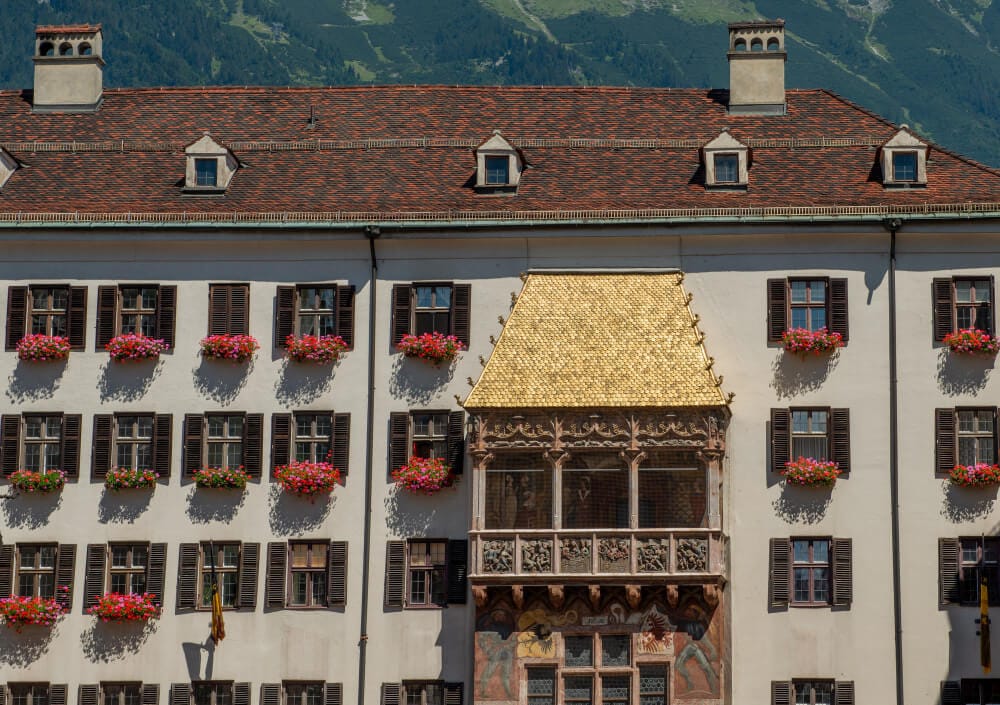
Innsbruck’s historic center is a network of cobbled streets, painted façades, and lively squares. The Golden Roof (Goldenes Dachl) is the iconic focal point; its gilded tiles gleam under sun and spotlight alike. You can admire it from below for free, or explore adjacent museums if you prefer a deeper dive into local art and history.
Nearby, Maria-Theresien-Strasse links the old with the modern, offering a blend of cafés, shops, and views of the mountains that always peep above rooftops.
Hofburg Imperial Palace and Hofkirche
The Hofburg Imperial Palace provides insight into the Habsburgs’ influence in Tyrol, with ornate ceremonial rooms and period décor telling stories of past power. Next door, the Hofkirche houses the impressive “Schwarzmander” bronze statues surrounding Emperor Maximilian I’s tomb — a striking sight in its solemn setting.
These attractions help balance Innsbruck’s alpine identity with a sense of its historical depth and cultural richness.
Food and Drink: Taste of Tyrol
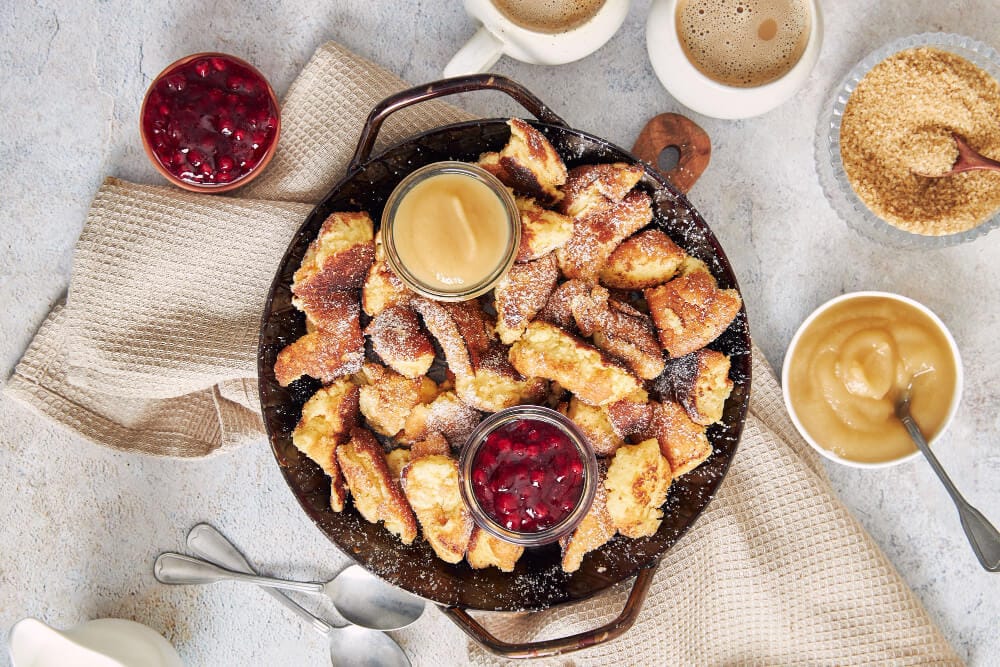
Innsbruck’s cuisine reflects its alpine surroundings and Austrian heritage.
Tiroler Gröstl is a regional favorite: fried potatoes with beef, onions, and a fried egg. Simple, warming, and perfect after winter sports or alpine walks. Kaiserschmarrn, a shredded pancake dusted with sugar and served with fruit compote, is a beloved comfort dish and often eaten as an afternoon treat.
The city’s café culture is strong — from historic institutions like Café Munding to smaller neighborhood spots serving seasonal pastries. Taking time over coffee and cake is part of experiencing Innsbruck at a local pace.
Outdoor Activities: Mountains All Year
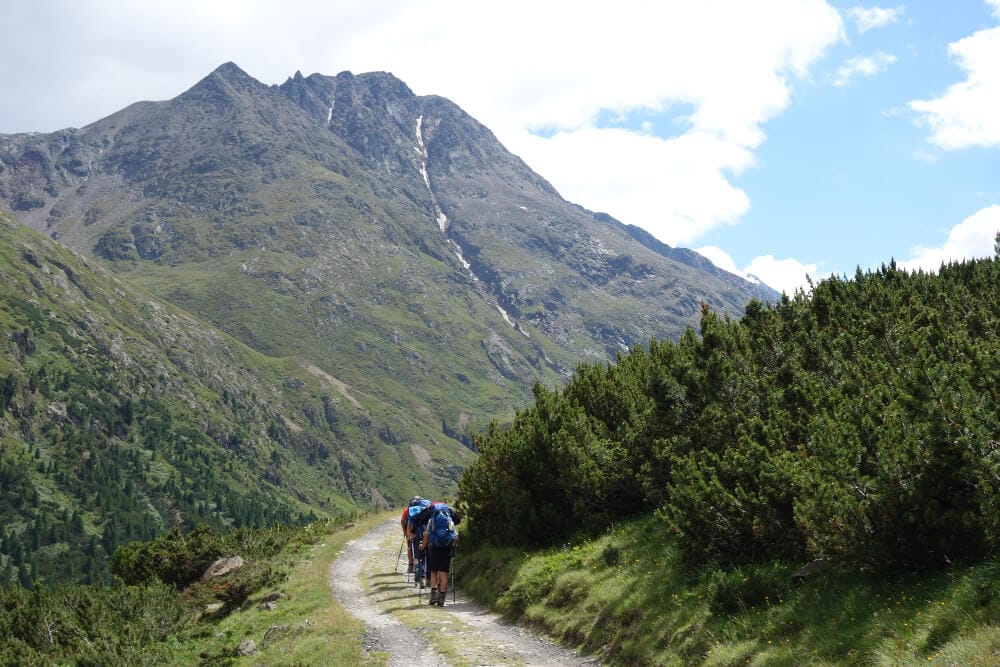
Whether you visit in winter or summer, the Alps shape life here.
- Winter sports: Innsbruck hosted two Winter Olympics and remains a hub for skiing and snowboarding. Ski rentals and lessons are readily available, and even non-skiers enjoy snow café stops and viewing platforms.
- Hiking and biking: From late spring to early autumn, well-marked trails of varying difficulty wind through forests, meadows, and alpine terrain. Public transport and cable cars deliver you close to trailheads, so day hikes are easy to plan.
- Nordkette Viewing Platforms: Accessible without hiking, these viewpoints are ideal for stunning photos and sweeping vistas in any season.
Sample 3-Day Innsbruck Itinerary
Day 1 — Old Town and City Highlights:
Explore the Altstadt, Golden Roof, and Maria-Theresien-Strasse. Visit the Hofburg Imperial Palace and Hofkirche. Pause for coffee and Tiroler Gröstl at a local inn.
Day 2 — Mountains and Alpine Views:
Take the Nordkette cable car to Seegrube and Hafelekar. Enjoy short hikes, viewpoints, and mountain cafés. Return for a relaxed evening or browse local boutiques.
Day 3 — Culture and Optional Excursions:
Visit the Alpine Zoo or Ambras Castle. For further exploration, head toward Hallstatt & Salzkammergut – Austria’s Scenic Lake District for First-Time Visitors for serene lakes and mountain reflections.
This balance of city, culture, and outdoor exploration ensures that even a short trip feels complete and memorable.
Practical Tips for First-Time Visitors
Seasonal planning:
Winter is ideal for skiing and snow experiences; summer brings hiking, biking, and panoramic views. Spring and autumn offer fewer crowds and comfortable sightseeing.
Getting around:
Innsbruck is compact and walkable. Public transport is reliable, and the Innsbruck Card can simplify access to attractions and cable cars.
Safety and etiquette:
The city is very safe; normal urban awareness suffices. On mountain trails and slopes, always follow posted signs, weather advisories, and local advice.
Innsbruck is an excellent base for exploring alpine Austria, and its mix of city culture and mountain access appeals to travelers who enjoy both landscapes and history. For visitors planning further exploration of Austria’s scenic corners, consider reading the Hallstatt & Salzkammergut – Austria’s Scenic Lake District for First-Time Visitors guide, which pairs beautifully with an Innsbruck stay.
Final thoughts
Innsbruck stands out because it offers alpine access without complexity. Whether you’re ascending peaks via cable car, wandering imperial halls, or lingering over Tyrolean cuisine, the city delivers clear, memorable experiences with minimal logistical stress. With updated cable car and museum costs in mind, planning becomes simpler and predictable — letting you focus on exploring Innsbruck’s unique blend of Alps, adventure, and culture
How many days are enough for Innsbruck?
2–3 days cover the main city highlights and allow a short trip to nearby mountains or attractions.
What food should I try in Innsbruck?
Tiroler Gröstl, Kaiserschmarrn, and Tyrolean pastries are must-tries. Don’t miss local coffee house experiences.
Is Innsbruck good for outdoor enthusiasts?
Absolutely – skiing, hiking, mountain biking, and panoramic viewpoints make it ideal for adventure lovers.