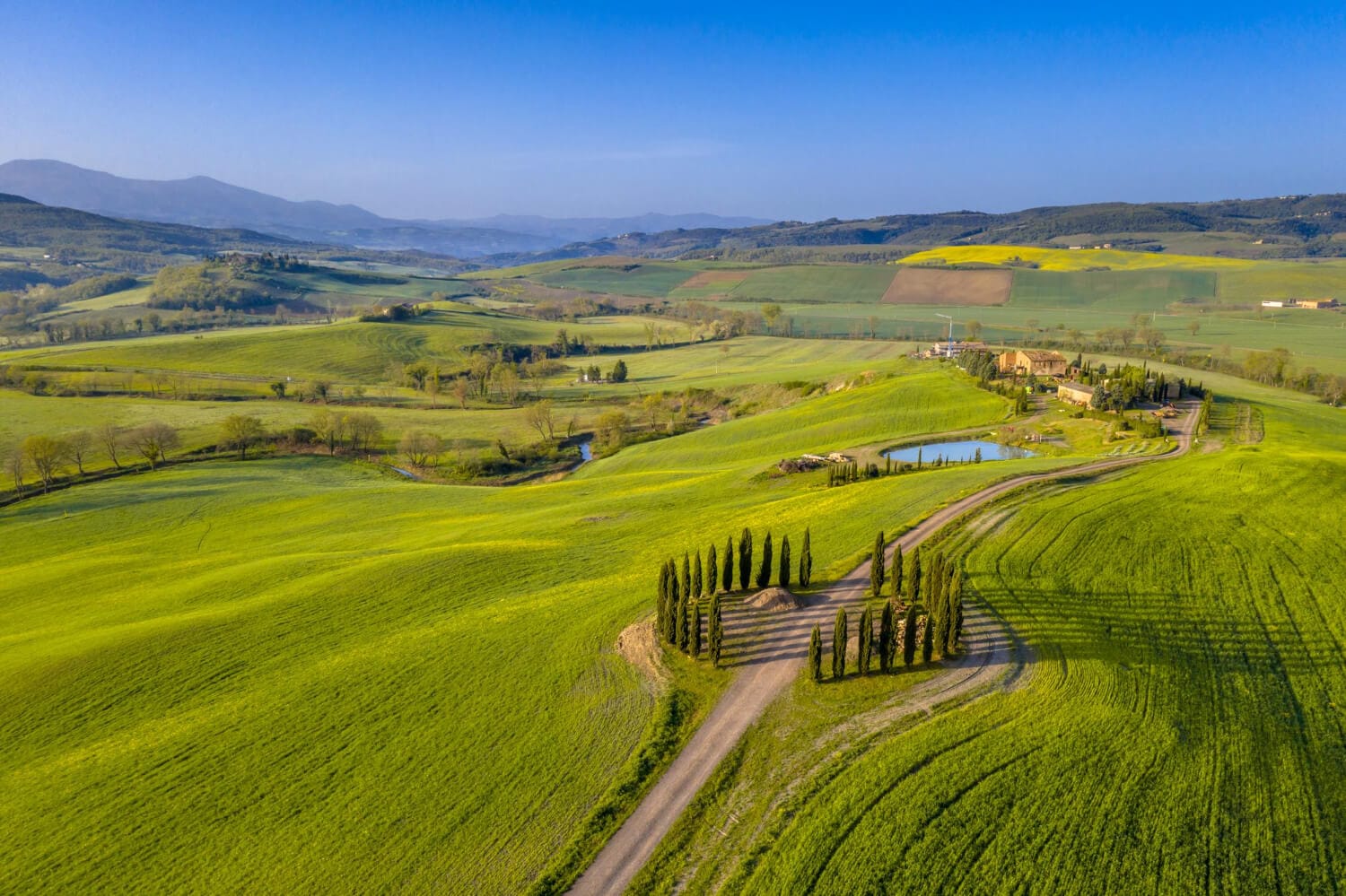
Italy is one of the few countries where wine is not just a product but a daily companion to food, landscape, and tradition. From family-run vineyards passed down through generations to world-famous estates exporting bottles globally, Italian wine culture is deeply woven into regional identity. For travelers, this makes wine-focused trips especially rewarding: they combine tasting with scenery, history, and some of the best food in Europe.
This guide focuses on three regions that together offer the clearest and most diverse introduction to Italian wine: Tuscany, Piedmont, and Veneto. Each region represents a different style of winemaking, climate, and travel experience. Below you’ll find practical planning advice, realistic tasting prices for 2025–2026, and guidance on how to structure a first wine trip without feeling rushed or overwhelmed.
Why Explore Italy’s Wine Regions on Your First Trip?
Italy has over 20 official wine regions, but trying to cover too many at once often leads to shallow experiences. Tuscany, Piedmont, and Veneto stand out because they balance accessibility with depth. They are well connected by rail and road, have established wine tourism infrastructure, and offer consistent quality even at smaller wineries.
These regions allow visitors to experience:
Rolling vineyard landscapes that change dramatically by region
Iconic wines such as Chianti Classico, Barolo, Amarone, and Prosecco
Food traditions built specifically to match local wines
A mix of casual tastings and premium, educational experiences
Importantly, these regions also work well for first-time visitors who may not speak Italian or be familiar with wine terminology. Many wineries offer tastings in English, and booking systems are straightforward.
Tuscany: Rolling Hills, Red Wines, and Classic Italy
Best bases: Florence, Siena, or a countryside agriturismo
Wine focus: Sangiovese-based reds
Atmosphere: Open landscapes, historic towns, relaxed pacing
Tuscany is often the first wine region travelers think of, and for good reason. Its landscapes define the image of rural Italy: cypress-lined roads, hilltop villages, and vineyards stretching into the distance. Wine tasting here is as much about place as it is about the glass.
Chianti Classico
Chianti is not a single wine but a large area between Florence and Siena, with Chianti Classico representing the historic core. Wineries range from large estates to small producers with only a few hectares.
Most tastings include 3–5 wines and light food pairings such as bread with olive oil, pecorino cheese, or cured meats.
Typical tasting prices (2025–2026): €20–40 per person
Premium or private tastings: €45–70
Notable estates often combine architecture, vineyards, and cellar tours, making visits feel immersive rather than transactional.
Montalcino and Brunello
South of Siena lies Montalcino, home to Brunello di Montalcino, one of Italy’s most prestigious wines. Tastings here are more structured and educational, often focusing on aging, terroir, and vintage differences.
Typical prices:
Standard tasting: €30–45
Vertical or reserve tastings: €50–70
Because Brunello is aged for years before release, wineries often explain production timelines in detail, which adds value even for non-experts.
Montepulciano
Montepulciano offers a slightly more relaxed alternative. The historic town itself is a highlight, with underground cellars carved into stone beneath medieval buildings.
Tasting prices: €15–30
Some cantinas include tastings with lunch for €35–50, making this area excellent for travelers on a moderate budget.
Tip: Renting a small car is the most flexible way to explore Tuscany. Roads are scenic but narrow, and public transport between wineries is limited.
Piedmont: Structured Wines and Serious Tastings
Best bases: Alba, Barolo, or La Morra
Wine focus: Nebbiolo-based reds
Atmosphere: Refined, quieter, food-focused
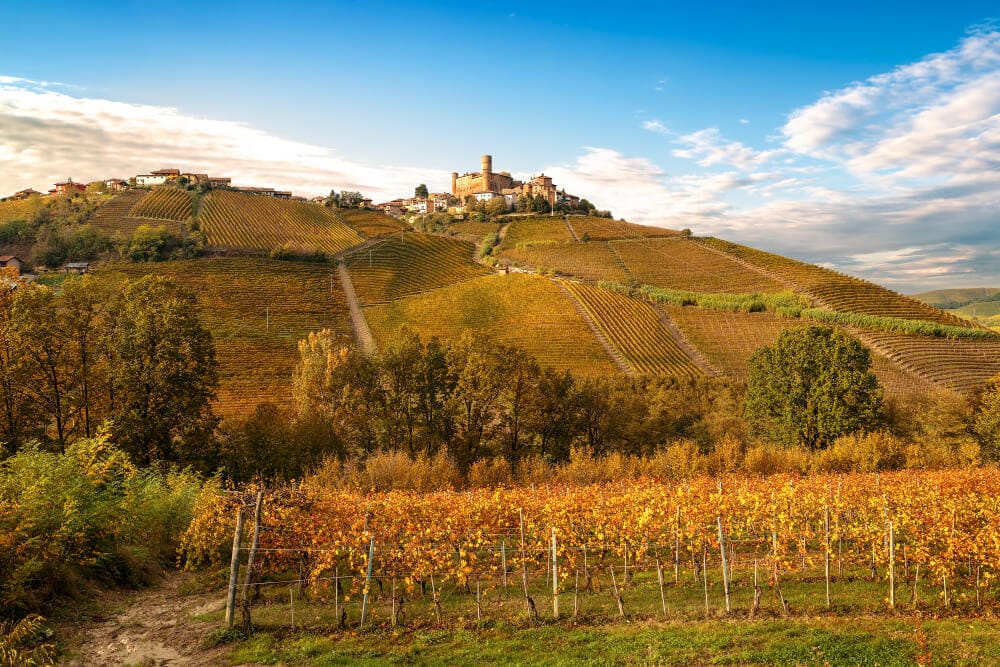
Piedmont feels different from Tuscany almost immediately. The hills are steeper, the villages smaller, and the wine culture more formal. This is where Italy’s most age-worthy reds are produced, and tastings tend to emphasize technique and terroir.
Barolo and Barbaresco
Often compared to Burgundy, these neighboring areas produce wines that are complex, tannic, and meant to age. Tastings usually include detailed explanations of vineyard exposure, soil, and vintage variation.
Typical tasting prices:
Standard tastings: €25–40
Educational or cellar-focused tastings: €45–60
Reservations are almost always required, especially during autumn.
The Langhe Hills and Truffle Culture
Piedmont wine tourism is deeply connected to food, particularly white truffles. During truffle season (October–November), prices rise and availability tightens.
A simple truffle tasting paired with wine can cost €60–90, while full truffle-focused dinners may exceed €120 per person. Outside peak season, food-focused experiences are more affordable and less crowded.
Tip: Piedmont wineries often host fewer walk-ins than Tuscany. Book tastings at least one week in advance, especially in autumn.
Veneto: Variety, Sparkling Wines, and Easy Pairings
Best bases: Verona, Treviso
Wine focus: Amarone, Prosecco, Soave
Atmosphere: Accessible, scenic, culturally diverse
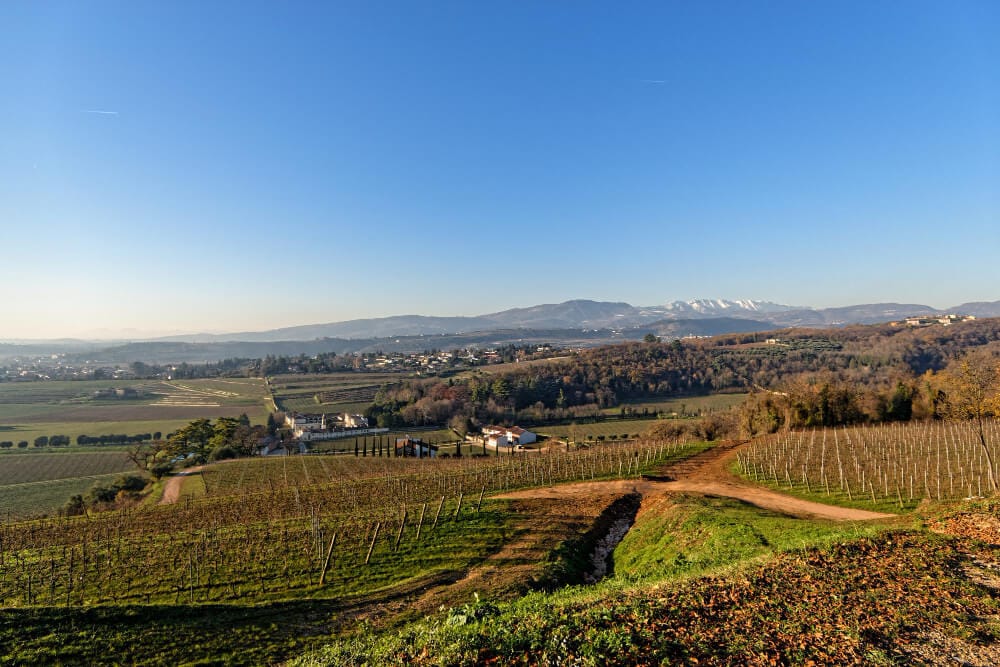
Veneto is one of Italy’s most productive wine regions and offers the widest stylistic range. It also pairs wine travel easily with city sightseeing, making it ideal for travelers who want variety.
Valpolicella and Amarone
Near Verona, Valpolicella produces wines ranging from light everyday reds to powerful Amarone, made from partially dried grapes.
Tasting prices:
Standard tastings: €20–30
Amarone-focused tastings: €40–55
Some estates offer lunch or dinner experiences paired with Amarone for €60–90, which often represents good value given the wine quality.
Soave
Soave produces elegant white wines that are often underestimated. Tastings here are generally relaxed and affordable.
Typical prices: €15–25
Lunch-inclusive tastings: €30–45
Prosecco Hills (Conegliano–Valdobbiadene)
The Prosecco DOCG hills are among Italy’s most scenic vineyard areas. Family-run wineries dominate, and tastings are informal and welcoming.
Typical prices: €15–30 for 3–5 wines
Prosecco tastings are ideal for travelers who prefer lighter wines or shorter visits.
How Much Does an Italy Wine Trip Cost?
For budgeting purposes, first-time visitors should expect:
Wine tastings: €20–60 per person per winery
Meals at wineries: €30–90 depending on format
Accommodation near vineyards: €120–250 per night for mid-range stays
Rental car: €50–70 per day
A 6-day wine-focused trip typically costs more than a standard city trip, but the depth of experience often justifies the expense.
A Balanced 6-Day Wine Itinerary
A realistic pace allows two winery visits per day without fatigue.
Days 1–2: Tuscany (Chianti, Montalcino)
Days 3–4: Piedmont (Barolo, Barbaresco, Alba)
Days 5–6: Veneto (Valpolicella, Prosecco Hills)
This structure minimizes long drives while maximizing regional contrast.
Practical Advice for First-Time Wine Travelers
Book tastings in advance, especially in Piedmont
Avoid driving after tastings; use a driver or limit visits
Eat before tastings to avoid palate fatigue
Ask questions — Italian winemakers enjoy explaining their craft
Wine tourism in Italy rewards curiosity and patience more than speed.
Why These Three Regions Work Best Together
Together, Tuscany, Piedmont, and Veneto create a complete picture of Italian wine:
Tuscany offers iconic scenery and approachable wines
Piedmont delivers depth, structure, and culinary prestige
Veneto provides variety, value, and accessibility
This combination ensures first-time visitors experience both Italy’s romance and its technical winemaking excellence.
Final thoughts
Exploring Italy’s wine regions is about far more than tasting great bottles. It is about understanding how geography, history, and food come together in everyday life. Tuscany, Piedmont, and Veneto each tell a different story, yet together they form a coherent introduction to Italian wine culture.
For first-time visitors, focusing on these three regions keeps travel manageable while offering genuine variety. Whether you’re sipping Brunello in a Tuscan vineyard, learning about Nebbiolo in Piedmont, or enjoying a glass of Prosecco overlooking vineyard-covered hills, the experience stays with you long after the trip ends. In Italy, wine is not just something you drink — it is something you travel through, taste slowly, and remember vividly.