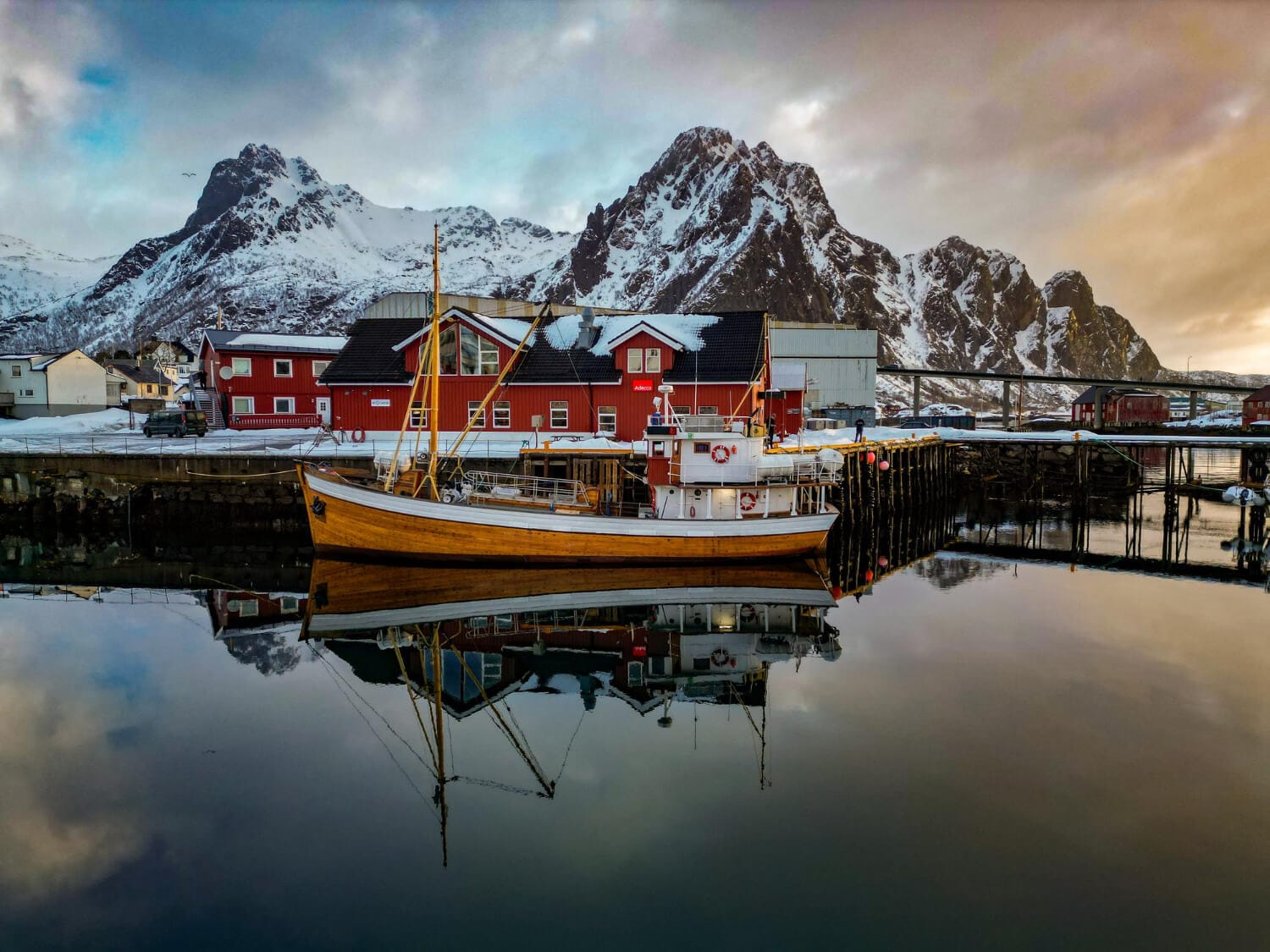
The Lofoten Islands, located above the Arctic Circle in northern Norway, are a dream destination for nature lovers, photographers, and travelers seeking dramatic landscapes. Towering peaks, deep fjords, pristine beaches, and quaint fishing villages combine to make Lofoten one of the most beautiful and accessible areas in Norway. For first-time visitors, understanding how to navigate the islands, what to see, and when to go ensures an unforgettable experience.
This Lofoten travel guide provides practical insights, itinerary suggestions, and tips to maximize your time without missing the must-see sights.
Why Visit the Lofoten Islands?
Lofoten offers a combination of raw nature and traditional Norwegian culture. Unlike mainland Norway, where fjords dominate, the islands present jagged mountains rising straight from the sea, picturesque red rorbuer cabins, and vibrant coastal villages. Activities range from hiking and kayaking to wildlife watching, photography, and local food experiences.
For Americans planning a Norway trip, Lofoten is approachable yet feels like a remote adventure. While flights or ferries are required, the islands reward every effort with iconic views that rival any postcard image.
Best Time to Visit
The experience in Lofoten changes dramatically by season. Summer (June to August) offers long days, mild temperatures, and midnight sun, allowing for hiking, kayaking, and extended photography opportunities. Winter (December to February) brings the Northern Lights, snow-covered peaks, and quieter villages, but some roads and hikes may be inaccessible.
Average summer temperatures range from 50–60°F (10–15°C), while winter temperatures hover around 20–30°F (-6 to -1°C). Accommodation in peak season starts around $150–$250 per night for standard cabins, while budget options or hostels can be $80–$120.
Tip: Book accommodations well in advance for summer and winter, as Lofoten has limited capacity and popular villages fill quickly.
Getting to Lofoten
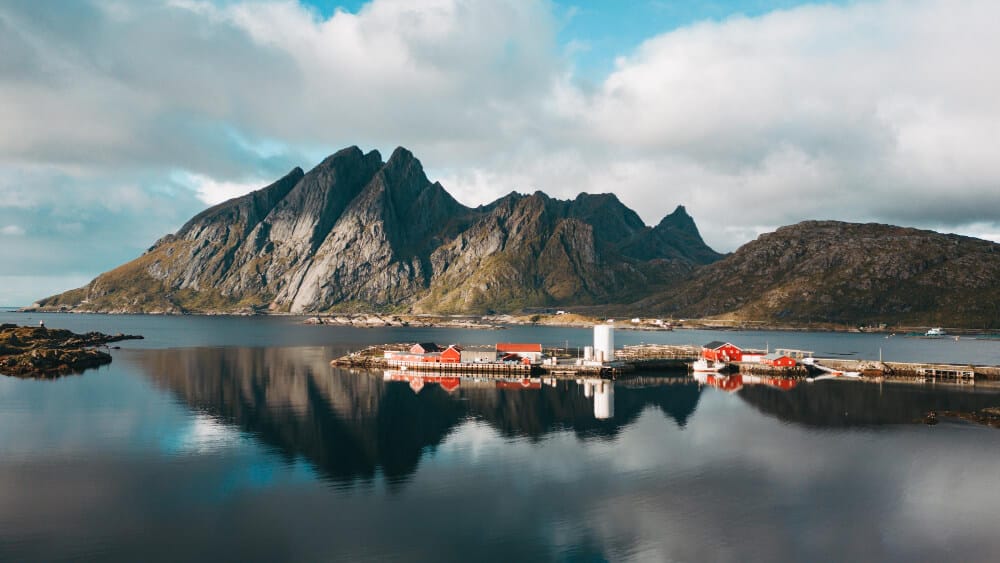
Most travelers reach Lofoten by flying into Leknes (LKN) or Svolvær (SVJ) airports. Direct flights from Oslo take approximately 1.5 hours. Alternatively, one can combine flights to Bodø with a ferry crossing to Moskenes, which takes about 3–4 hours.
For those who prefer driving, the E10 highway connects the islands and is one of the most scenic drives in Norway. Car rentals range from $60–$100 per day, depending on season and vehicle type.
Tip: Renting a car is highly recommended. Public transport exists but is limited, and having a car allows you to explore remote viewpoints, beaches, and hiking trails on your own schedule.
Lofoten Itinerary for First-Time Visitors
A well-paced Lofoten itinerary balances iconic viewpoints, cultural experiences, and time for relaxation. Here’s a suggested 5-day route.
Day 1: Arrival in Svolvær or Leknes
After landing, settle into a rorbu cabin along the waterfront. Spend your first afternoon strolling the town, visiting small galleries, and sampling local seafood at restaurants like Børsen Spiseri or Anitas Sjømat.
Evening photography opportunities include the harbor and surrounding mountains, especially if arriving during summer’s extended golden hour.
Day 2: Henningsvær and Kabelvåg
Drive along the E10 to Henningsvær, often called the “Venice of Lofoten.” Its narrow canals, red fishermen’s cabins, and art galleries make it a picturesque stop. Lunch at a local café, such as Fiskekrogen, offers fresh cod or stockfish, a regional specialty.
Continue to Kabelvåg to visit the Lofoten War Memorial Museum and the charming harbor. Sunset photography at nearby beaches like Haukland or Uttakleiv provides classic Lofoten landscapes.
Day 3: Reine and Å
Head to Reine, arguably Lofoten’s most photographed village. The iconic view from the Reinebringen viewpoint requires a 1–1.5 hour hike, moderate for active visitors. From the top, the fjord and village below are breathtaking.
Continue to Å, the westernmost village, where the Norwegian Fishing Village Museum preserves local heritage. Even if hiking is limited, car-accessible viewpoints along the fjord provide awe-inspiring panoramas.
Day 4: Beaches and Scenic Drives
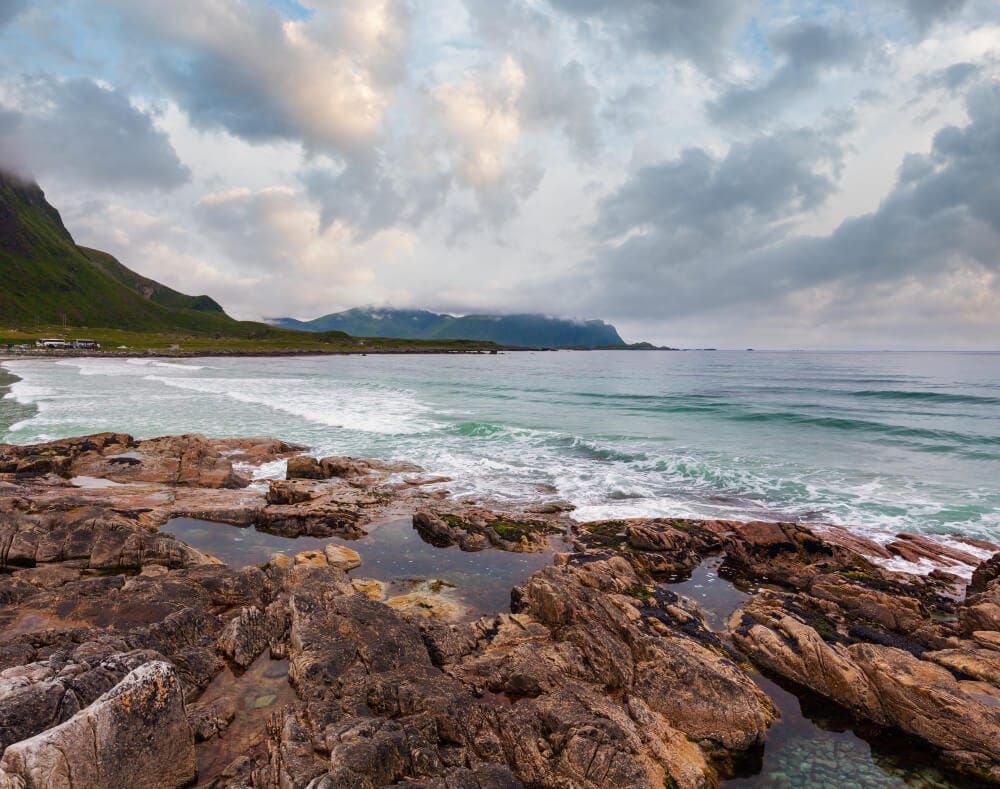
Lofoten’s beaches, like Ramberg Beach and Kvalvika Beach, are renowned for white sand and turquoise water framed by mountains. They are accessible by car or short hikes. Spend the day exploring beaches, stopping for photos, and enjoying seaside cafés.
Consider a detour to the village of Flakstad for a traditional windmill and scenic coastal roads. Driving the E10 during sunset or early morning yields dramatic lighting for photography enthusiasts.
Day 5: Kayaking or Wildlife Adventures
Conclude your trip with water-based activities. Kayaking in Reinefjorden or Henningsvær provides a unique perspective of the islands. Wildlife tours often feature sea eagles, puffins, and sometimes whales along the coastline.
Alternatively, in winter, this day can be dedicated to chasing the Northern Lights, with guided tours or self-drive options. Typical guided tours cost $150–$200 per person, including transport and photography tips.
Tip: Even if you don’t kayak, renting a small boat for 2–3 hours allows access to hidden coves and remote beaches, providing a more intimate experience of Lofoten’s landscape.
Where to Stay
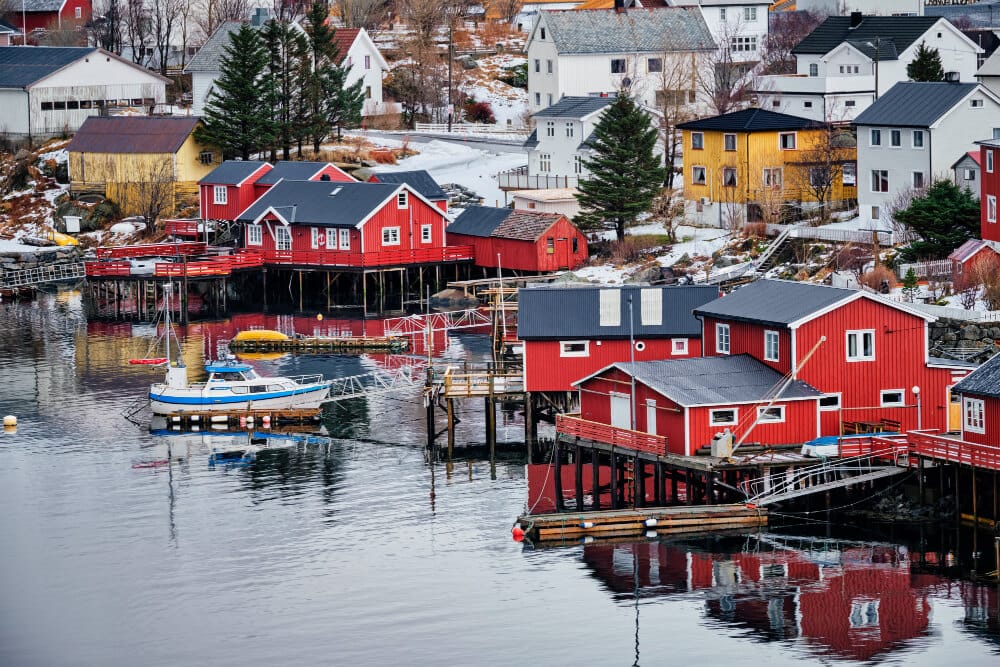
Accommodations in Lofoten range from traditional rorbuer cabins to boutique hotels and hostels. Popular villages like Reine, Henningsvær, and Svolvær fill quickly. Average prices vary seasonally:
- Standard rorbuer: $150–$250/night
- Boutique lodges: $250–$400/night
- Budget hostels or guesthouses: $80–$120/night
Booking early ensures access to prime locations along fjords or near iconic viewpoints.
Lofoten Travel Tips for First-Time Visitors
- Pack layers: Weather changes quickly; waterproof jackets, hiking boots, and warm clothing are essential year-round.
- Plan driving carefully: Roads are scenic but can be narrow and winding. Allow extra time for stops and photos.
- Photography gear: Wide-angle lenses capture fjords, mountains, and beaches best. Drone use is allowed in most areas but check local restrictions.
- Dining: Fish and stockfish are local specialties. Meals at casual cafés or bakeries cost $15–$25, while sit-down dinners range from $30–$60 per person.
Why Lofoten Should Be on Your Norway Bucket List
For Americans, Lofoten offers a unique combination of accessibility and dramatic scenery. Unlike mainland fjords, the islands are compact enough to explore over several days, yet remote enough to feel like a genuine adventure. Whether chasing sunsets, photographing jagged peaks, or tasting fresh Arctic cod, visitors leave with memories of Norway at its most iconic.
Conclusion
The Lofoten Islands are a first-time visitor’s paradise, combining jagged peaks, pristine beaches, and vibrant coastal culture. Following this Lofoten travel guide allows you to balance sightseeing, hikes, scenic drives, and local culinary experiences without rushing. By booking accommodations early, renting a car, and planning around key viewpoints, you can enjoy an authentic, unforgettable Norwegian adventure.