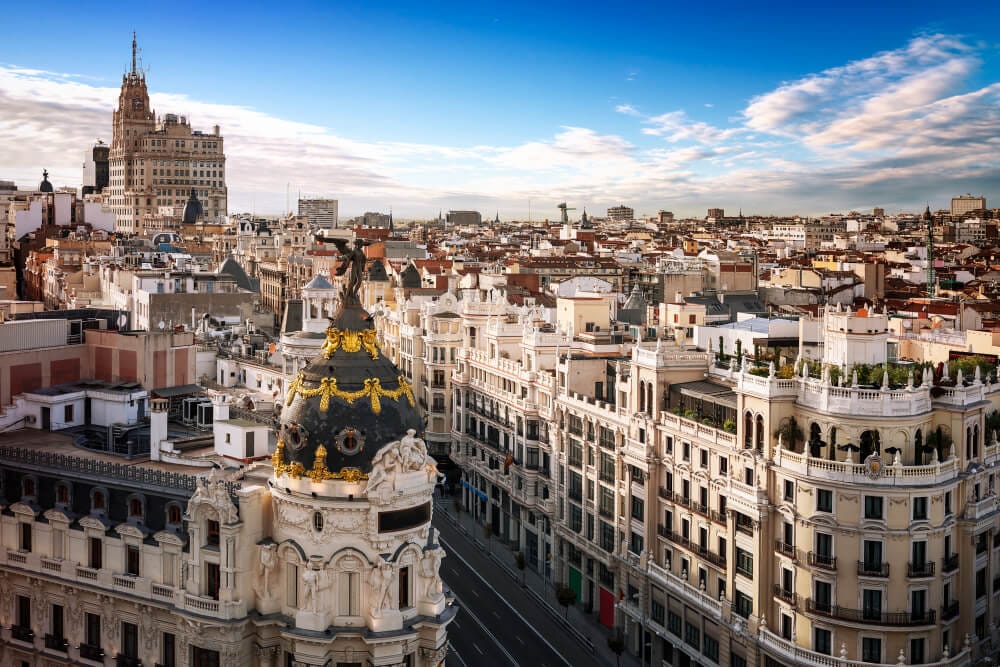
Deciding between Madrid and Barcelona is one of the first challenges of planning a trip to Spain. Both cities are vibrant, full of history, and packed with experiences, yet they offer very different flavors of Spanish life. For first-time visitors, understanding what each city offers—and how to experience it efficiently—can make the difference between a rushed visit and a trip you’ll genuinely enjoy.
This guide provides a Madrid vs Barcelona comparison, practical tips, sample itineraries, and cost insights to help you choose the right city for your first trip to Spain.
Atmosphere and Vibe
Madrid’s streets hum with energy. In the morning, cafés spill onto the sidewalks around Gran Vía, where office workers and tourists mingle. By evening, neighborhoods like La Latina and Malasaña come alive with tapas bars and live music. The city’s vibe mixes modern urban energy with centuries of history, visible in elegant boulevards and tucked-away plazas.
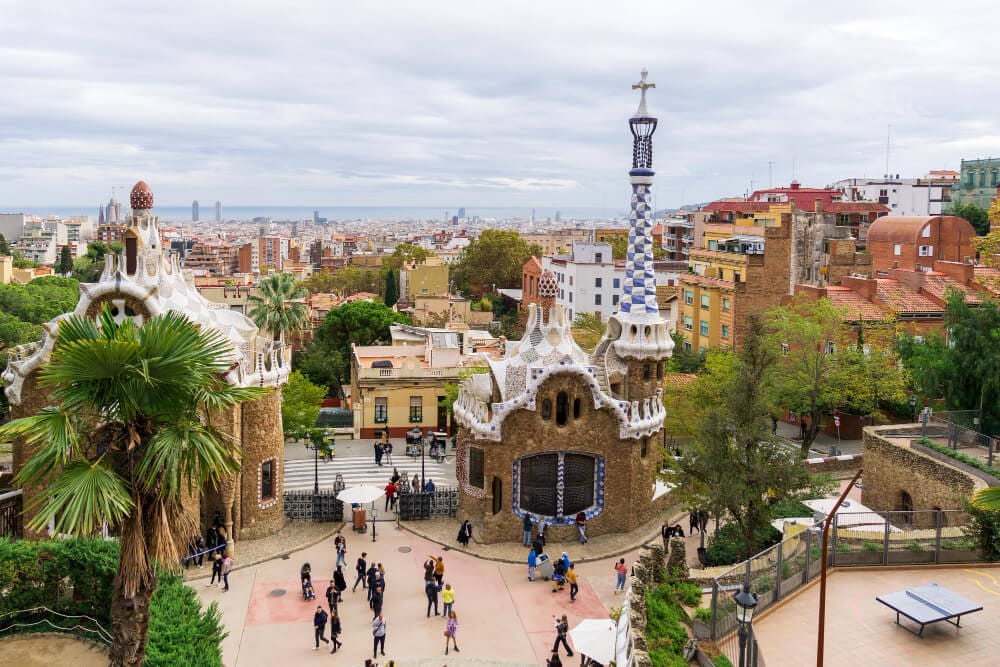
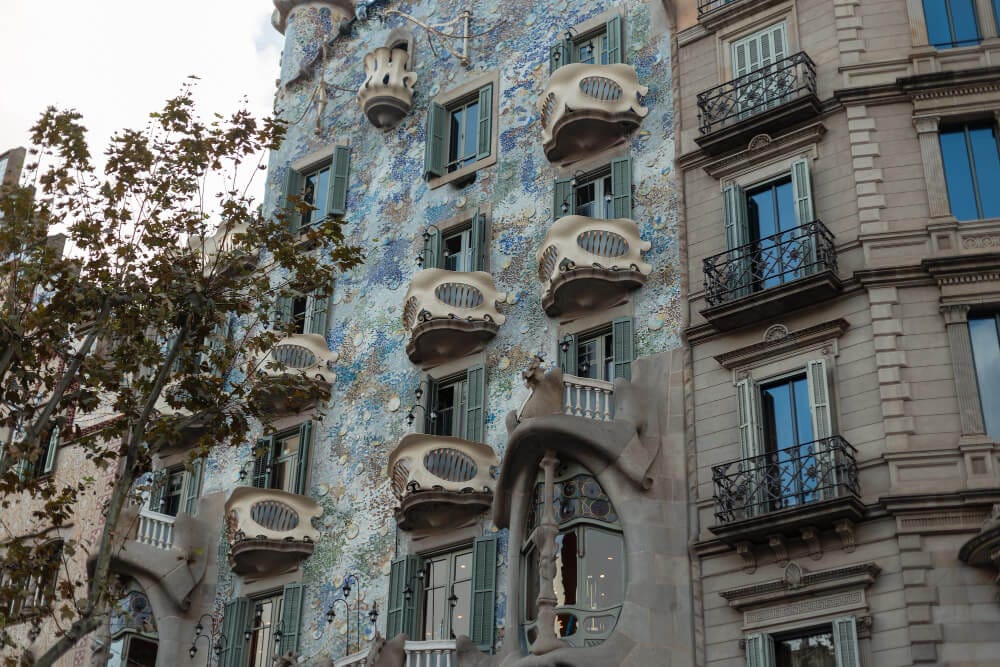
Barcelona contrasts with a lighter, Mediterranean rhythm. Streets like Passeig de Gràcia display Gaudí’s vibrant architecture, while Gothic Quarter lanes twist into quiet plazas shaded by medieval walls. The coastal breeze carries the scent of the sea, and cafés spill onto sunny sidewalks. The city feels open and relaxed, with a constant interplay between urban life and the beach.
Tip: If you enjoy late-night culture, Madrid’s nightlife and flamenco venues will appeal. For a more relaxed daytime experience with beach breaks, Barcelona is preferable.
Landmarks and Must-See Experiences
Madrid
Prado Museum (€18) – Home to Velázquez, Goya, and Rubens. Aim for early morning visits to avoid crowds.
Royal Palace (€14) – Offers ornate halls, royal chambers, and a glimpse of Spanish history.
Retiro Park – Stroll among fountains, rose gardens, and swan-filled ponds. Entry is free.
Plaza Mayor & Puerta del Sol – Central squares perfect for people-watching, photography, and coffee stops.
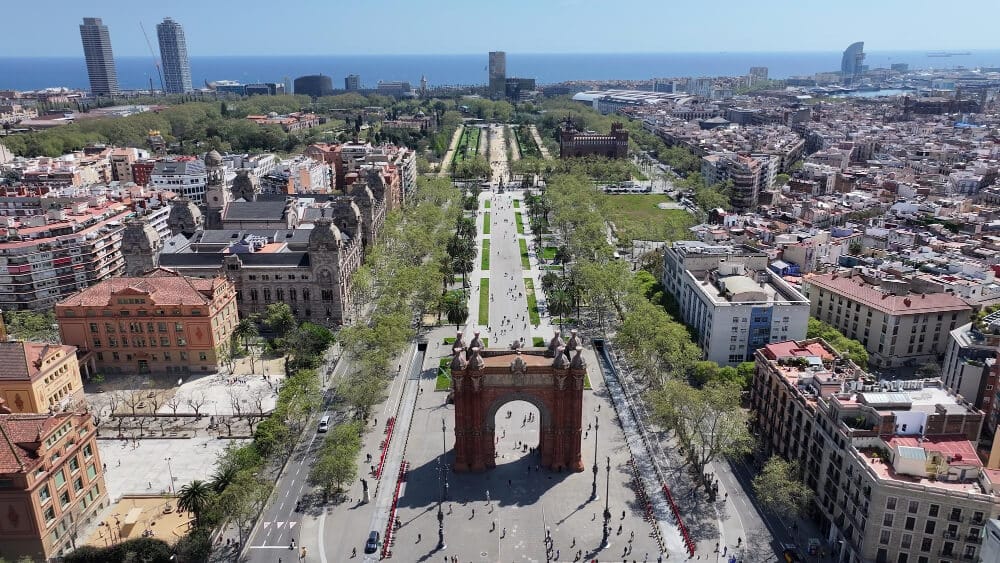
Barcelona
Sagrada Família (€26) – Gaudí’s masterpiece with detailed facades and breathtaking interiors.
Park Güell (€10) – Mosaic-covered terraces with panoramic city views.
Gothic Quarter & Barcelona Cathedral (€9) – Medieval streets and plazas.
Casa Batlló (€30) – Gaudí’s imaginative residential design, with a rooftop offering skyline views.
Tip: Book Barcelona attractions online, especially Sagrada Família and Park Güell, to skip long queues.
Food and Dining
Madrid thrives on tapas culture. Markets like Mercado de San Miguel (€3–€10 per tasting) allow sampling multiple dishes in one visit. Signature meals include cocido madrileño, a hearty chickpea stew, and callos a la madrileña, a rich tripe stew. Evening streets, particularly in La Latina, are ideal for hopping between tapas bars with a vermouth in hand.
Barcelona leans on Mediterranean and Catalan flavors. Seafood dominates — paella and grilled fish along Barceloneta Beach are must-tries. Sweet options include crema catalana and churros with hot chocolate. La Boqueria Market is perfect for fresh fruit, cheeses, cured meats, and tapas-style snacks.
Tip: Take advantage of weekday menú del día, usually €12–€18 for a full meal, to enjoy local food affordably.
Transportation and Walkability
Madrid is compact and walkable. Walking loops connect major sights efficiently, and the Metro (€1.50–€2 per ride) reaches nearly every neighborhood. BiciMAD (€2/hour) offers bikes for short trips. Neighborhoods like Malasaña and Salamanca reward exploration on foot, revealing street art, boutiques, and cafés.
Barcelona’s flat streets make walking intuitive, particularly in Eixample. Bikes are popular via Bicing (€11/day), and the metro and tram network is reliable. Walking along La Rambla or the beach promenade offers scenic shortcuts between attractions.
Tip: Combine walking and public transport in both cities to maximize sightseeing while avoiding traffic delays.
Art, Museums, and Nightlife
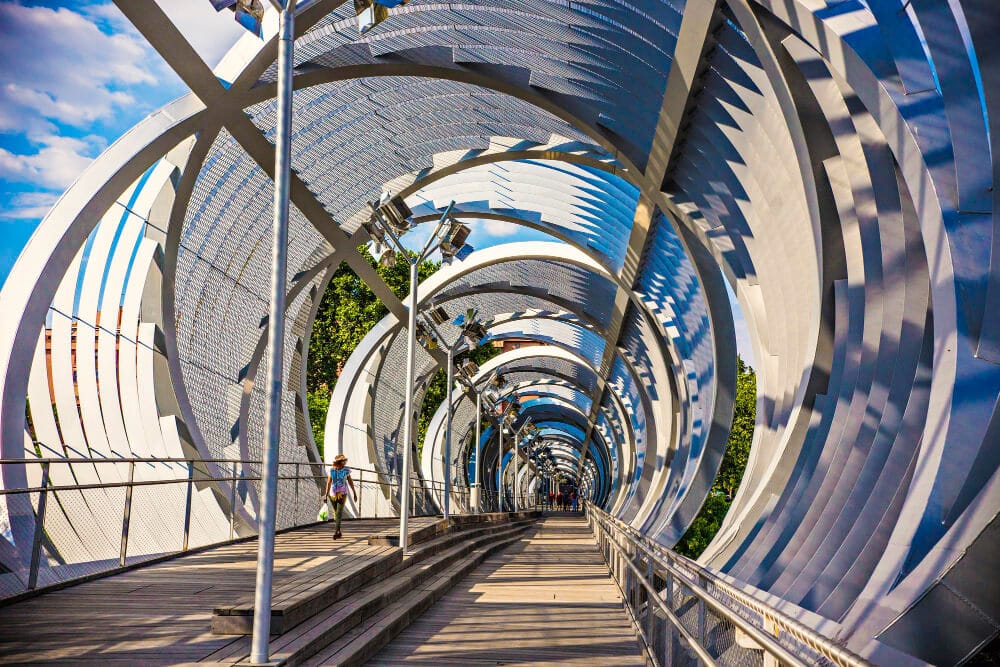
Madrid: Beyond Prado and Reina Sofía (€10), the Thyssen-Bornemisza (€13) bridges classical and modern art. For nightlife, La Latina and Malasaña offer rooftop bars, flamenco shows (€50–€70), and late-night tapas.
Barcelona: Modernist and contemporary art dominate. MACBA (€10) and CCCB (€6) showcase international exhibits, while rooftops and beachside lounges provide evening drinks and live music.
Climate and Seasonal Advice
Madrid has a continental climate — hot summers (35°C+) and cold winters (<5°C). Spring and autumn are ideal for sightseeing, with moderate temperatures and outdoor-friendly conditions. Seasonal events like Madrid Pride (July) or San Isidro Festival (May) add extra cultural layers.
Barcelona enjoys a Mediterranean climate, with mild winters and warm summers (~30°C). Spring and early autumn are optimal for sightseeing and beach visits without peak-season crowds. Events like Festa Major de Gràcia (August) bring decorated streets and street concerts.
Sample Itineraries for First-Time Visitors
2–3 Days in Madrid
Day 1: Prado Museum → Retiro Park → Plaza Mayor → Tapas crawl in La Latina.
Day 2: Royal Palace → Mercado de San Miguel → Gran Vía shopping → Flamenco show in the evening.
Day 3: Optional day trip to Toledo or Segovia (~€20–€30 train fare) for medieval streets and castles.
2–3 Days in Barcelona
Day 1: Sagrada Família → Passeig de Gràcia → Casa Batlló → Tapas dinner in Eixample.
Day 2: Park Güell → Gothic Quarter → Barcelona Cathedral → La Boqueria Market → evening at Barceloneta Beach.
Day 3: Montjuïc Hill → Magic Fountain → Optional day trip to Sitges or Montserrat (~€10–€25 train fare).
Budget Considerations
| City | Mid-range Hotel | Museum/Attraction | Average Meal | Daily Budget Estimate |
|---|---|---|---|---|
| Madrid | €90–€150 | €10–€18 | €12–€25 | €60–€120/day |
| Barcelona | €100–€180 | €10–€26 | €15–€30 | €70–€140/day |
Cost-saving tips:
- Buy combined attraction tickets or city passes.
- Eat at local markets and weekday lunch menus.
- Walk between nearby attractions instead of taxis.
- Use public transport multi-day passes (€12–€20).
How to Decide Between Madrid and Barcelona
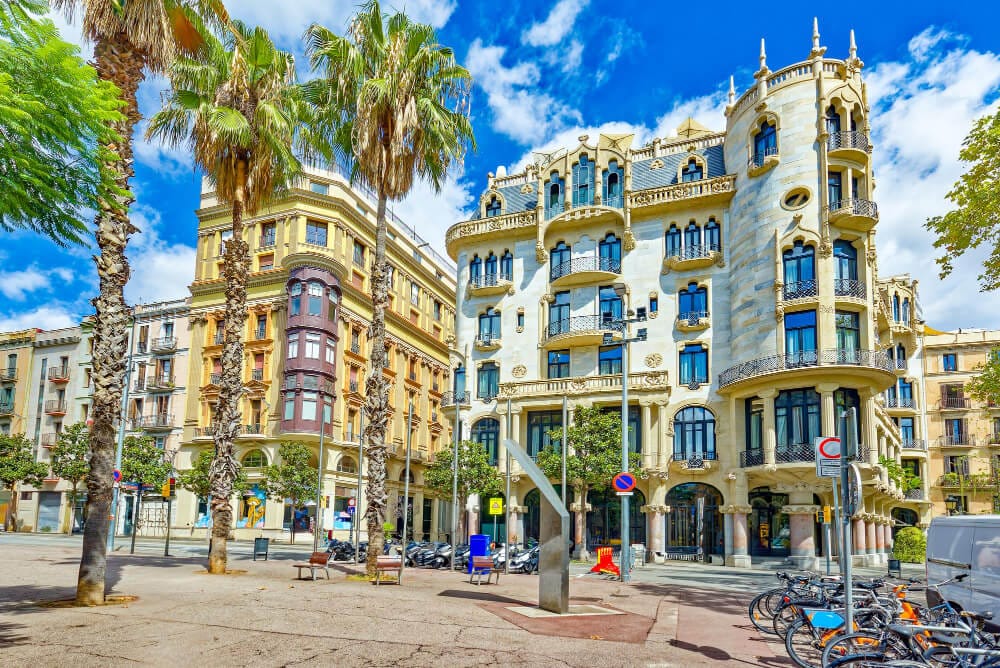
When choosing between Madrid and Barcelona, focus on the experiences that matter most to you. Madrid shines for history, world-class museums, lively nightlife, and traditional Spanish cuisine, making it perfect for travelers who enjoy cultural immersion paired with evening tapas crawls. Barcelona, on the other hand, captivates with modernist architecture, coastal scenery, seafood dining, and relaxed, sunlit streets — ideal for those seeking a mix of city life and beachside leisure.
If your schedule allows, consider splitting your trip between the two cities using the AVE high-speed train, which takes about three hours and costs €60–€100, letting you enjoy the highlights of both. Ultimately, let your personal interests guide your choice: for art, history, and tapas-filled nights, Madrid is the better fit, while Barcelona suits travelers who prefer beaches, architectural marvels, and casual strolls through vibrant neighborhoods.
Which City Fits Your Travel Style
For first-time visitors, Madrid appeals to those who thrive on cultural depth, history, and bustling city energy. Wander grand boulevards, explore world-class museums, and spend evenings hopping between tapas bars and flamenco venues. Barcelona is better for travelers drawn to relaxed, scenic settings where architectural wonders meet the Mediterranean coast. It’s ideal for leisurely strolls through sunlit streets, seafood dining by the beach, and modernist art scattered throughout the city. If your time and budget allow, experiencing both cities on a combined itinerary provides the best of both worlds: Madrid’s traditional charm alongside Barcelona’s coastal vibrancy.
FAQ
Which city is better for first-time travelers to Spain?
Madrid offers history, art, and vibrant nightlife; Barcelona offers modernist architecture, beaches, and relaxed streets.
Can I visit both cities in one trip?
Yes. The AVE high-speed train connects the cities in about three hours, making split itineraries feasible.
Which city is cheaper to visit?
Madrid is generally more affordable, especially for accommodation and local dining.
When is the best time to visit each city?
Spring and autumn offer comfortable temperatures and fewer crowds.
How can I save money on attractions?
Book tickets online, use city passes, and take advantage of free walking tours and weekday lunch menus.