Normandy is a region of contrasts, where dramatic coastlines meet centuries-old towns, and history blends seamlessly with natural beauty. For first-time visitors, Normandy offers a journey through pivotal moments of the past, scenic landscapes, and charming villages that feel untouched by time. From the D-Day beaches that shaped World War II to Mont Saint-Michel and the white cliffs of Étretat, Normandy combines reflection, exploration, and awe-inspiring scenery into one unforgettable experience.
Whether you’re drawn to history, coastal walks, or French culture, understanding the best ways to explore Normandy ensures your visit is both efficient and enriching. This guide will cover key sites, practical tips, costs, and insights to help you make the most of your trip.
Best Time to Visit Normandy
Normandy enjoys a temperate maritime climate, with mild summers and cool, wet winters. The best months for visiting are May through September, when the weather is pleasant, outdoor sites are fully accessible, and daylight is long.
Spring: Blooming flowers, fewer tourists, and ideal conditions for sightseeing.
Summer: Warm weather for beaches, hikes, and coastal towns, but expect larger crowds.
Autumn: Golden vineyards, mild temperatures, and quieter towns.
Winter: Limited crowds, cozy ambiance, but some sites or roads may close.
Tip: Early mornings or late afternoons provide the best light for photography, especially along the cliffs or at Mont Saint-Michel.
Visiting the D-Day Beaches
Normandy’s D-Day beaches are a solemn but essential part of the region’s story. These sites provide a tangible connection to history and allow visitors to reflect on the bravery of those involved in the 1944 Allied landings.
Omaha Beach is famous for its wide sands and the nearby American Cemetery in Colleville-sur-Mer. Admission to the cemetery is free, though donations are welcome.
Utah Beach preserves bunkers, a museum (€9 for adults, €6 for students), and exhibits detailing the US landings.
Arromanches is home to remnants of the Mulberry harbor and the D-Day Museum (€7.50 adult tickets), highlighting engineering feats that supported the invasion.
Pegasus Bridge commemorates the early airborne operations and is accessible via a small museum (€5 for adults).
Guided tours, which often cost between €50 and €80 per person, add valuable context, connecting each location with personal stories, photographs, and historical accounts. Spending a full day at the beaches and nearby sites provides a meaningful and immersive experience without feeling rushed.
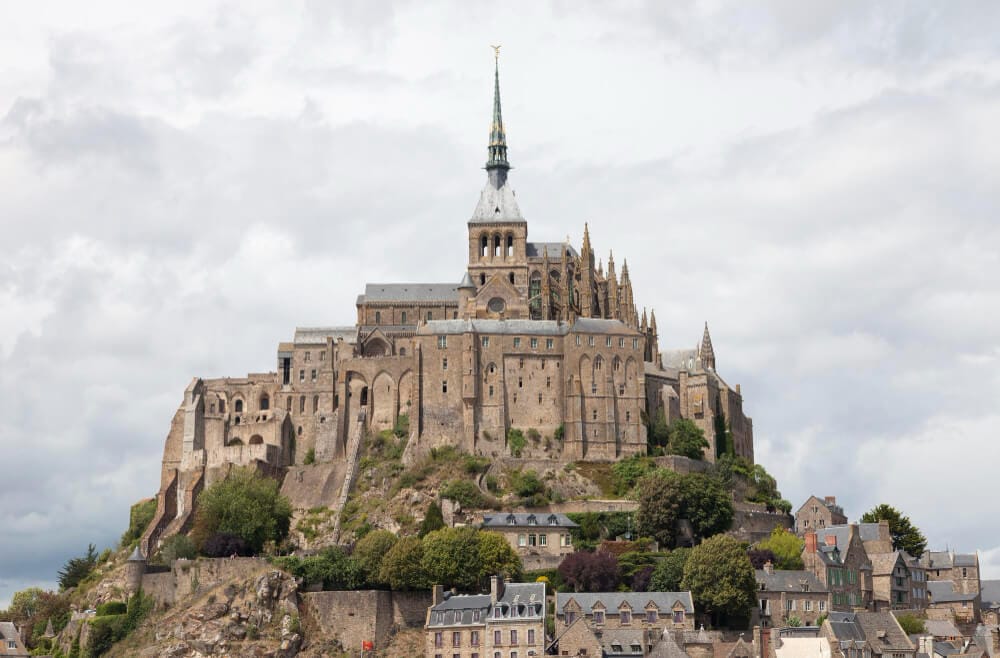
Mont Saint-Michel: Normandy’s Iconic Island
No trip to Normandy is complete without visiting Mont Saint-Michel. Rising dramatically from tidal waters, this UNESCO World Heritage site is one of France’s most photographed landmarks.
Visiting highlights include:
- Abbaye du Mont Saint-Michel, where entry costs €12 for adults and €10 for reduced tickets. The abbey’s soaring architecture and panoramic views of the bay make it a must-see.
- Village Streets, narrow cobblestone lanes lined with cafés, souvenir shops, and local artisan stores.
- Tidal Walks across the bay provide a unique perspective, with guided tours costing around €15 per person for safety and historical insights.
Tip: Visit Mont Saint-Michel early in the morning or later in the afternoon to avoid crowds and catch the golden hour for photography.
The tides here are dramatic, so timing your visit and planning accommodations nearby—such as in Pontorson or on the Mont itself—can maximize your experience.
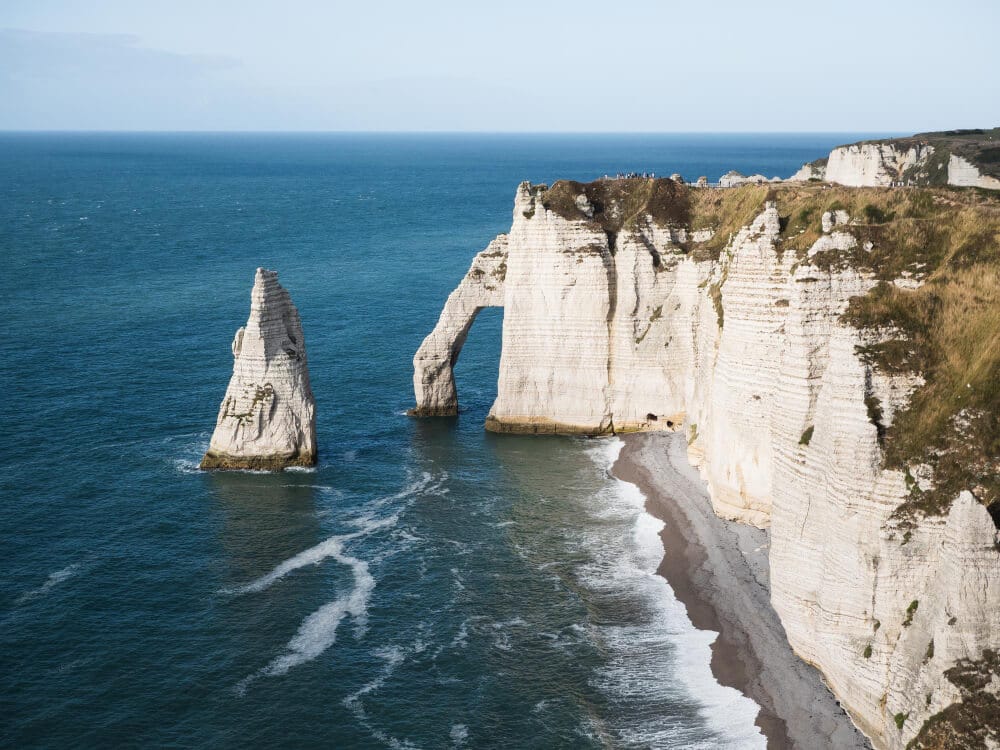
Normandy’s Cliffs and Coastal Towns
Beyond history, Normandy’s coastline is visually stunning. Étretat is renowned for its white chalk cliffs and natural arches, ideal for hikers and photographers. Walking along these cliffs is free, though parking may cost around €5–€8 per day in town.
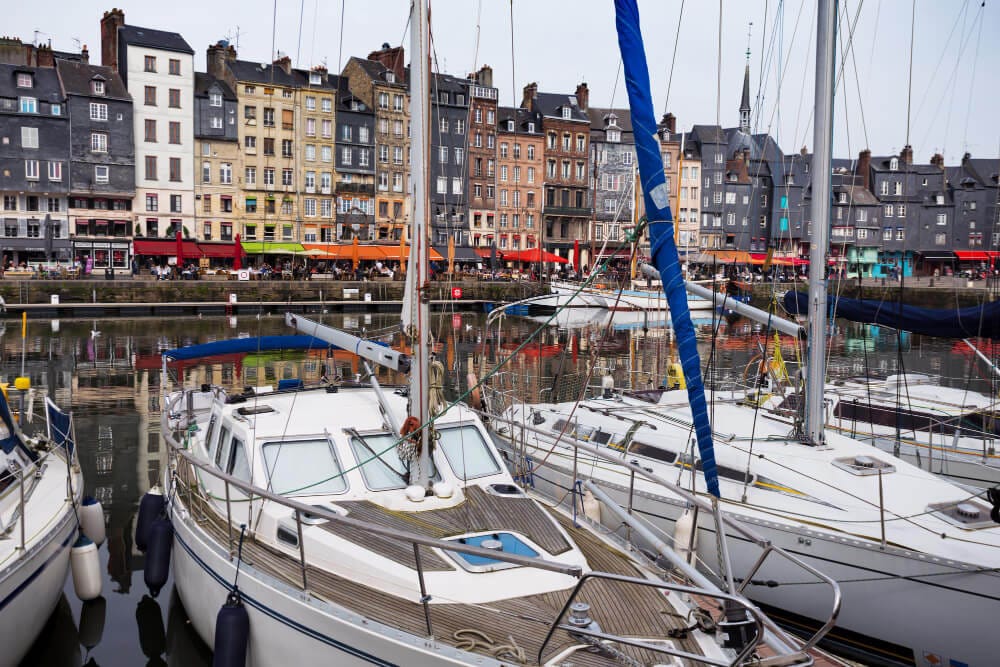
Harbor towns like Honfleur offer picturesque streets, art galleries, and seafood restaurants. A lunch here generally costs €15–€30 per person, depending on the venue. For a more luxurious seaside vibe, Deauville provides boardwalks, boutique shops, and elegant hotels, perfect for a relaxed day by the sea.
Medieval Towns and Countryside
Normandy’s interior is dotted with historic towns and rolling countryside that provide a quieter side of the region.
- Rouen is known for its Gothic cathedral, half-timbered houses, and association with Jeanne d’Arc. Museums and cathedral access cost around €6–€10.
- Bayeux houses the famous Bayeux Tapestry (€12.50 for adult entry) and offers charming streets for strolling.
- Caen combines castles, museums, and proximity to D-Day beaches, making it an excellent base for multi-day exploration.
Visiting these towns allows travelers to combine history, architecture, and everyday French life in a single trip. Renting a car (€40–€70 per day) is recommended for reaching rural sites, scenic viewpoints, and coastal towns efficiently.
Tip: Combine visits to Bayeux or Rouen with nearby beaches or countryside drives to experience a balanced Normandy itinerary.
Food and Local Culture
Normandy’s culinary scene reflects its coastal geography and rich agricultural heritage. Fresh seafood is a staple, including oysters, mussels, and sole. Local cheeses, such as Camembert, Pont-l’Évêque, and Livarot, pair wonderfully with the region’s apple cider and Calvados brandy. A typical lunch in a seaside town costs €15–€30 per person, while a full dinner in a traditional restaurant may range from €25–€50.
For a casual snack, local bakeries provide croissants, pastries, and baguettes for €2–€4. Markets in towns like Bayeux and Rouen allow visitors to sample local products, interact with vendors, and enjoy a slower pace of life. Participating in small festivals during summer and autumn can also add authentic experiences to your trip.
Practical Tips for Visiting Normandy
Transportation: While major cities are accessible by train, a rental car is essential for exploring beaches, cliffs, and countryside efficiently.
Timing: Spend mornings at popular landmarks and beaches to avoid the crowds. Afternoons are ideal for exploring smaller towns or coastal walks.
Packing: Comfortable shoes, layers, and a waterproof jacket are essential. Weather can change quickly, especially near the coast.
Accommodation: Base yourself in Bayeux, Caen, or a coastal town depending on whether your focus is history, coastline, or a mix of both.
Normandy pairs beautifully with other regions of France. For travelers planning an extended trip, consider combining your journey with the 7-Day France Itinerary Beyond Paris: Provence & Riviera for a mix of northern history and southern landscapes.
Final Thoughts
Normandy is a region that rewards curiosity and reflection. From the solemn D-Day beaches to the magical Mont Saint-Michel, from white chalk cliffs to medieval towns, each visit offers layers of history, culture, and natural beauty. By pacing your trip, embracing both iconic sites and scenic detours, and sampling local cuisine, Normandy becomes more than a destination—it becomes a meaningful journey through time and landscape.
Whether you’re walking the sands of Omaha Beach, capturing sunset over Mont Saint-Michel, or wandering the quiet streets of Bayeux, Normandy leaves an impression that lingers long after you return home. Travel thoughtfully, observe the details, and allow the region’s charm and stories to unfold naturally.
FAQ – Normandy Travel
When is the best time to visit Normandy?
May through September offers the best weather and accessible outdoor sites.
Which D-Day beaches should I visit?
Omaha Beach, Utah Beach, Arromanches, and Pegasus Bridge are the most historically significant and visitor-friendly.
Can Mont Saint-Michel be visited in a single day?
Yes, though arriving early or staying overnight nearby gives a more relaxed experience.
Do I need a car for Normandy?
Yes, especially if visiting beaches, cliffs, and small villages. Trains cover major towns, but rural areas are hard to reach without a car.