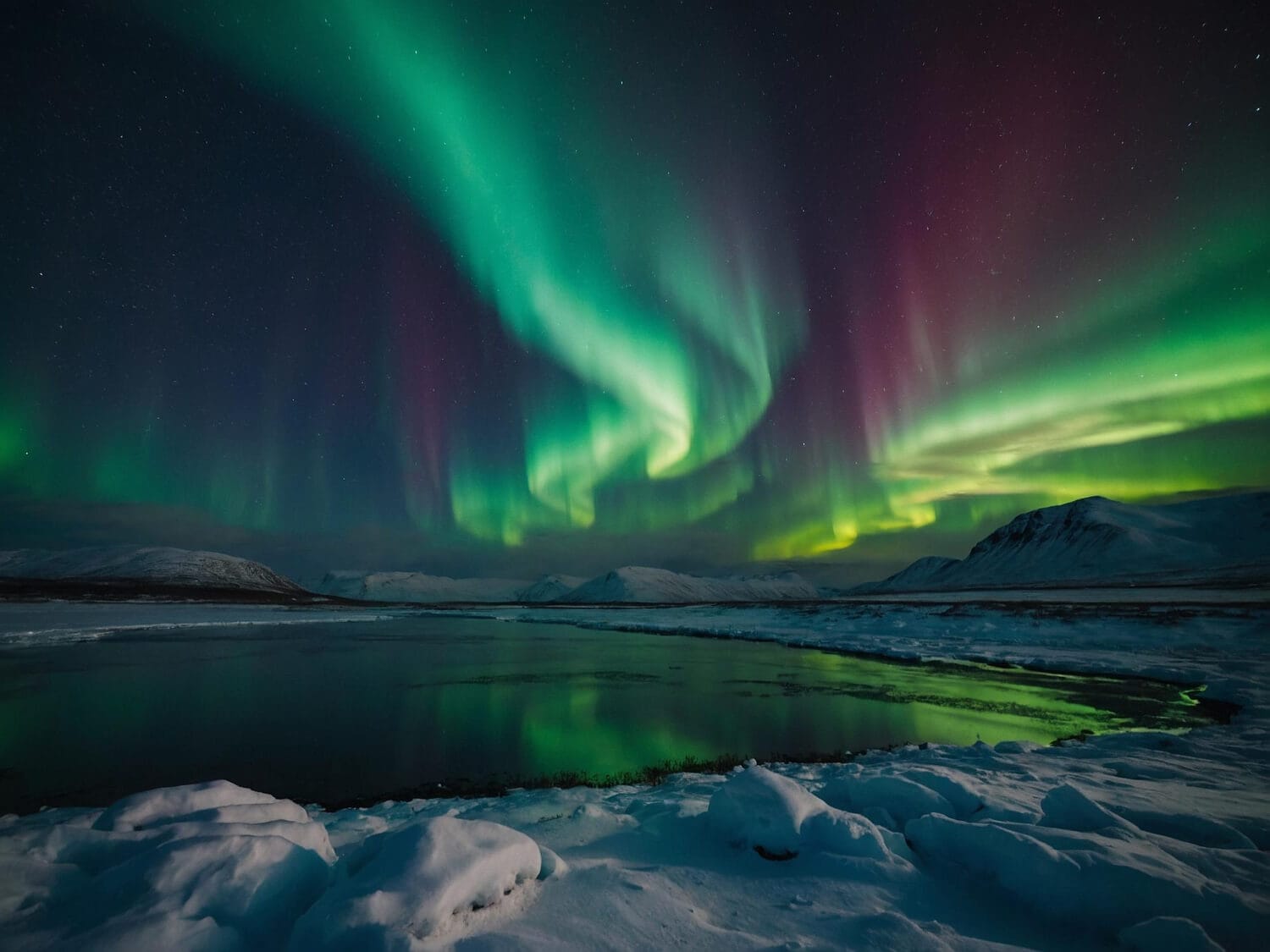
Few natural phenomena inspire awe like the Northern Lights dancing across the Arctic night sky. Norway is among the best destinations in the world to witness this spectacular display, and for first-time visitors, Tromsø and the Lofoten Islands combine dramatic scenery with accessibility, culture, and unforgettable winter experiences. Planning is key: understanding when to go, what to pack, and how to maximize your chances of seeing the Aurora Borealis ensures your Arctic adventure is smooth, safe, and rewarding.
Why Tromsø and Lofoten Are Ideal for Northern Lights
Tromsø, often called the “Gateway to the Arctic,” offers a balance of small-city charm and wild winter landscapes. The city’s location above the Arctic Circle places it squarely within the Northern Lights’ auroral oval, making it a reliable base for Aurora hunting. Lofoten, a chain of islands off Norway’s northern coast, provides a more intimate experience. Here, towering mountains rise straight from fjords, quaint fishing villages hug the shore, and open skies create ideal conditions for reflections on the still winter waters. Together, these locations combine city convenience, wilderness adventure, and breathtaking scenery.
Both regions offer a wide range of winter activities: snowmobiling across frozen tundra, dog sledding through silent forests, skiing, hiking, and exploring local Arctic culture. For photographers and nature enthusiasts, the combination of mountains, fjords, and skies illuminated by the Aurora is a dream come true.
Best Time to Visit Tromsø and Lofoten for the Northern Lights
The Northern Lights are visible from late September to early April, with December through February offering the darkest nights and highest likelihood of clear skies. Tromsø benefits from relatively stable winter weather, while Lofoten’s coastal climate can bring more clouds, requiring flexibility.
Aurora activity is unpredictable. Even during peak season, the lights may appear suddenly or remain hidden behind clouds. For first-time visitors, staying at least three to four nights in the region increases your chances of witnessing the Aurora. Daily checks of Aurora forecasts, like those from the Norwegian Meteorological Institute or the Aurora Service app, can guide you to the best viewing locations on any given night.
Best Time to Visit Tromsø and Lofoten for the Northern Lights
The Northern Lights are visible from late September to early April, with December through February offering the darkest nights and highest likelihood of clear skies. Tromsø benefits from relatively stable winter weather, while Lofoten’s coastal climate can bring more clouds, requiring flexibility.
Aurora activity is unpredictable. Even during peak season, the lights may appear suddenly or remain hidden behind clouds. For first-time visitors, staying at least three to four nights in the region increases your chances of witnessing the Aurora. Daily checks of Aurora forecasts, like those from the Norwegian Meteorological Institute or the Aurora Service app, can guide you to the best viewing locations on any given night.
Lofoten Islands: A Remote and Photogenic Aurora Destination
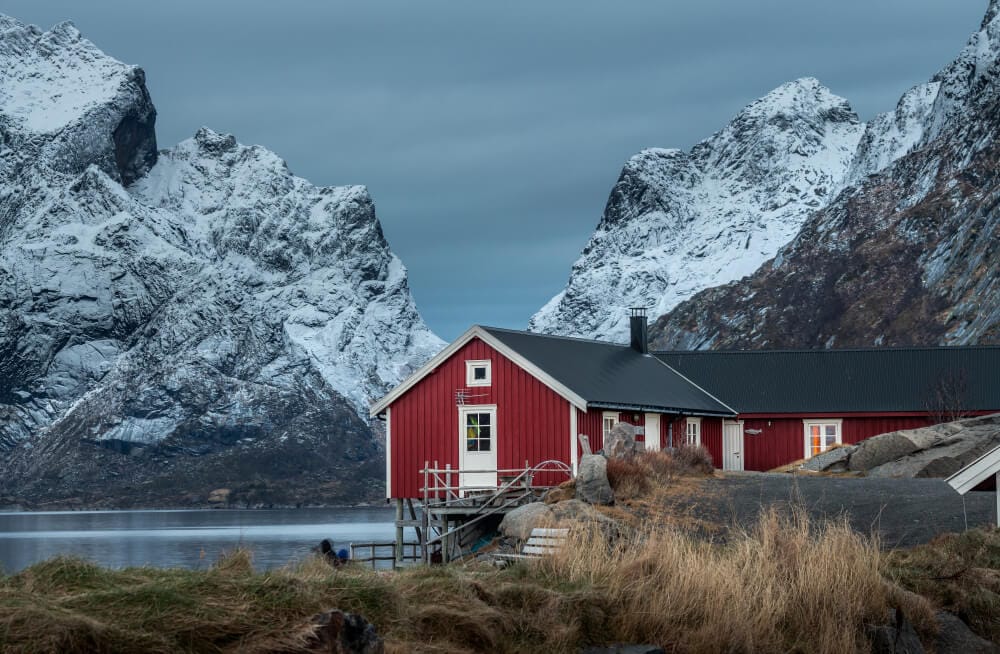
The Lofoten Islands provide a more secluded Northern Lights experience compared to Tromsø. The islands’ geography—steep peaks rising directly from the sea—creates dramatic natural framing for photography. Fishing villages, like Reine and Hamnøy, offer charming accommodation options, including rorbu cabins, traditionally used by fishermen and now converted into cozy, modern stays.
During the day, Lofoten offers excellent opportunities for winter hikes, snowshoeing, and coastal walks. Visitors can also explore local Arctic cuisine, particularly seafood. Freshly caught cod, Arctic char, and other local specialties are available in small village taverns, paired with warming drinks like gløgg (spiced wine).
Renting a car is highly recommended for Lofoten, as cloud coverage can vary dramatically along the islands. Flexibility to drive toward clear skies maximizes your chances of witnessing the Northern Lights. Scenic roads, such as the E10, provide frequent stops with breathtaking fjord and mountain views.
Nighttime Tips for Aurora Viewing
Even without structured lists, certain practices improve your chances of a successful Northern Lights experience. Patience is crucial; the Aurora is unpredictable, and waiting in sub-zero temperatures can be challenging. Bring a sturdy tripod and camera capable of long exposures for capturing vivid displays. Phones can capture the lights, but high-quality cameras with manual settings yield the best results.
Dark, unobstructed areas are essential. While Tromsø’s city lights make urban viewing possible, the Lofoten Islands’ remote locations offer minimal light pollution. Check Aurora forecasts daily and be ready to move quickly. Guides often provide updates and transport to optimal viewing spots. Dressing in multiple thermal layers and bringing hot drinks or insulated containers keeps the experience comfortable and enjoyable.
Daytime Activities Complementing the Northern Lights
A Northern Lights trip is more than just nighttime viewing. Both Tromsø and Lofoten offer enriching daytime activities to deepen your Arctic adventure. In Tromsø, cultural experiences include Sami reindeer tours, visiting local museums, and learning about the region’s polar history. Snowshoeing and cross-country skiing allow visitors to access quiet landscapes away from the city.
In Lofoten, the focus shifts to nature and local life. Winter photography tours, short hikes on coastal peaks, and exploring small fishing villages offer insight into daily life above the Arctic Circle. Sampling local seafood at family-run restaurants provides both sustenance and a connection to regional culture.
Many visitors combine their Northern Lights pursuit with excursions to fjords, sea kayaking (for more experienced winter adventurers), or short boat trips to view winter wildlife, such as sea eagles and seals.
Accommodation and Travel Logistics
Tromsø offers a range of accommodation, from budget hostels to mid-range hotels and luxury Arctic lodges. Staying close to the city center allows access to restaurants, shops, and local transport. Lofoten’s rorbu cabins provide a unique experience, often perched along fjords with direct Aurora viewing from your doorstep.
Travelers typically fly into Tromsø Airport (TOS), which has connections via Oslo or other major European hubs. Lofoten is accessible through Leknes (LKN) or Svolvær (SVJ) airports, or via ferry and car rental from the mainland. Renting a car in Lofoten is highly recommended, while Tromsø has guided tours and public transport options that reduce the need for driving.
Practical Tips for First-Time Arctic Travelers
First-time visitors often underestimate Arctic conditions. Layering is key: thermal undergarments, insulating mid-layers, and windproof outer shells are essential. Snowproof boots and thick gloves protect extremities during long Aurora hunts. Carry snacks, water, and a portable power bank, as cold temperatures drain batteries quickly.
While both Tromsø and Lofoten are safe, always check weather conditions and listen to guides on trail safety. Arctic wildlife can be observed safely from a distance; do not approach reindeer, foxes, or other animals.
For photography, plan for early arrival at popular viewing points and bring a headlamp or flashlight for safety. Evenings are long in winter, so carry warm beverages or thermoses to stay comfortable during extended outdoor waits.
Making the Most of Your Northern Lights Adventure
Maximizing your Northern Lights experience requires patience, flexibility, and planning. Book tours or accommodations in advance, especially during peak months (December–February). Allocate several nights for viewing, use Aurora apps and local guidance, and balance nighttime excursions with daytime activities like hiking, skiing, and cultural exploration.
With the right preparation, the Northern Lights in Tromsø and Lofoten can be combined with immersive Arctic adventures, making the trip both visually stunning and culturally enriching.
Conclusion
Tromsø and the Lofoten Islands offer one of the most memorable Northern Lights experiences in the world. By planning carefully—considering timing, weather, clothing, and equipment—first-time visitors can see the Aurora Borealis in comfort while enjoying Arctic culture, winter sports, and dramatic landscapes. This blend of adventure, relaxation, and natural spectacle makes a Northern Lights journey in Norway a once-in-a-lifetime experience that lingers in memory long after the trip ends.