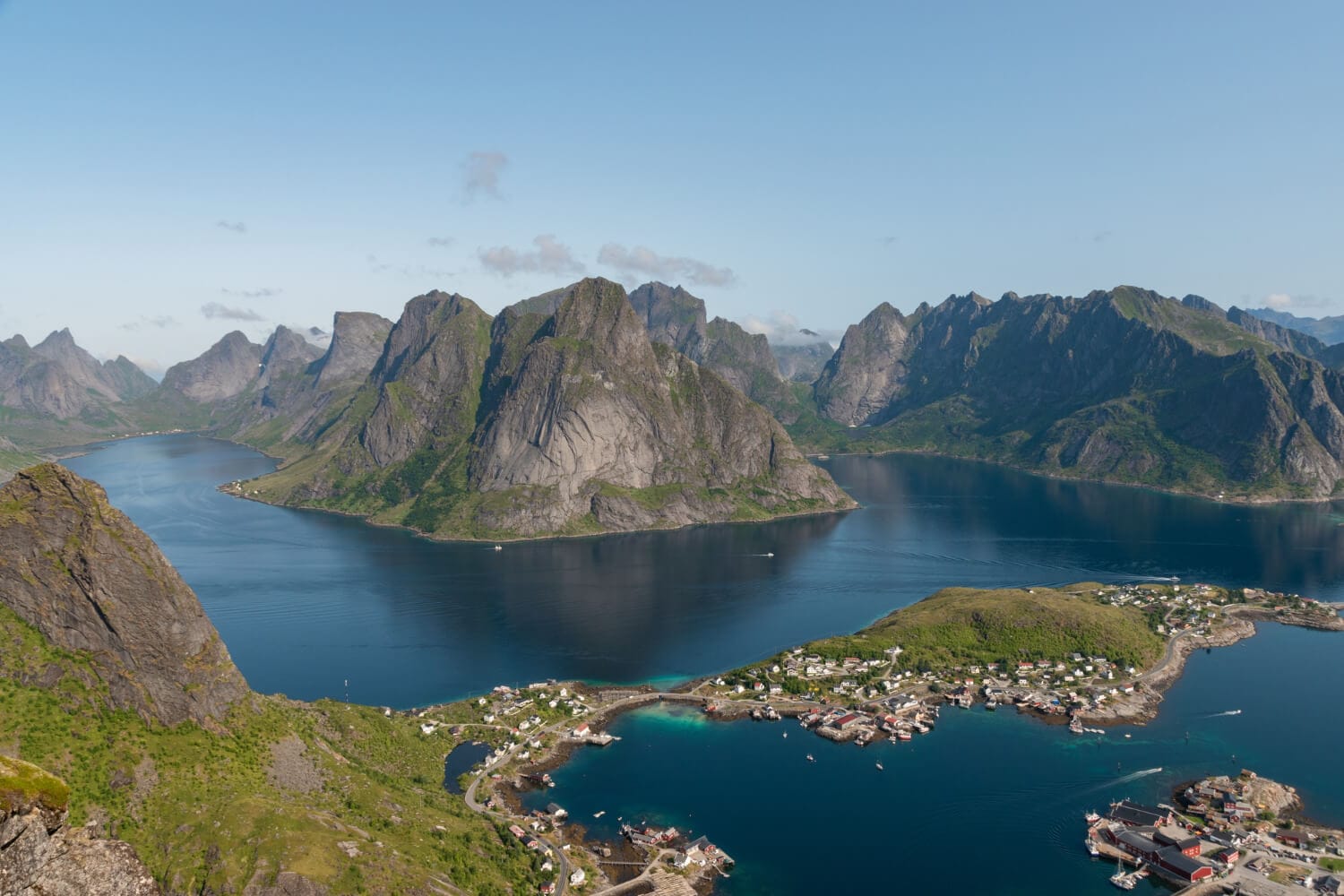
When most Americans imagine Norway’s fjords, they picture a cruise ship gliding through deep blue waters flanked by towering cliffs. While cruises are popular, they are far from the only way to experience these iconic landscapes. With careful planning, first-time visitors can explore Norway fjords without cruise, combining trains, ferries, road trips, and viewpoints for an immersive experience. This guide focuses on practical options, accessibility, and scenic routes, making Norway’s natural wonders achievable for every traveler.
Why See Norway’s Fjords Without a Cruise?
Cruises can feel luxurious but also limiting. You’re tied to fixed schedules, and some fjords remain out of reach. Seeing fjords independently offers several advantages:
- Flexibility: Choose your pace, stop at small villages, and linger at viewpoints.
- Authenticity: Experience local life, from quaint harbors to rural farms along the fjord edges.
- Cost Options: Independent travel can be cheaper than cruise packages, especially if combining trains and ferries.
The best fjords in Norway, such as Geirangerfjord, Sognefjord, and Aurlandsfjord, are accessible via land and water connections without stepping on a cruise ship.
Trains and Scenic Railways
Norway’s rail system offers some of the most scenic journeys in the world, linking fjord regions with mountains, waterfalls, and villages.
Flåm Railway (Flåmsbana)
The Flåm Railway is often described as one of the steepest standard-gauge railways in the world. It connects the town of Flåm at the end of Aurlandsfjord to Myrdal station on the Bergen Line.
- Duration: ~1 hour one-way
- Ticket Price: NOK 495 (~$48 USD) for adults
- Highlight: Panoramic views of waterfalls, steep mountains, and river valleys
Tip: Book early during summer months; trains fill quickly, and window seats on the right-hand side offer the best fjord views.
Bergen Line (Bergen–Oslo)
This train passes near several fjord viewpoints and offers a dramatic introduction to Norway’s inland scenery. Combining the Bergen Line with local buses or ferries lets you reach Sognefjord, Norway’s longest fjord.
Ferries and Water Connections
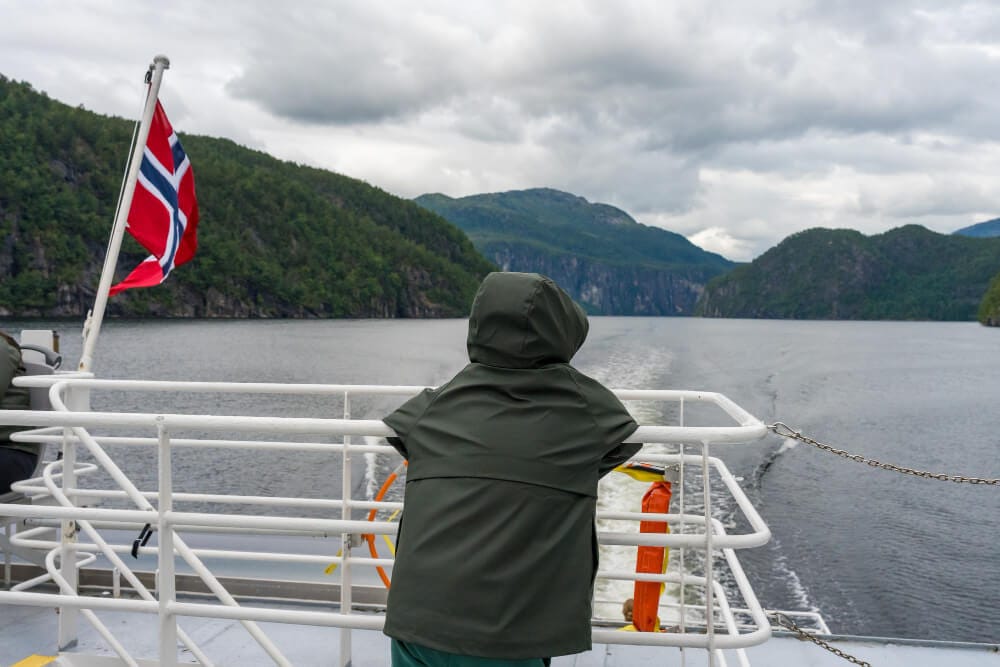
Even without a cruise, ferries are an essential part of Norway fjords travel. They allow you to access remote towns and witness the fjords from the water, which is essential for photography.
Fjord1 and Norled Ferries
These operators serve routes along Sognefjord, Hardangerfjord, and Geirangerfjord. Tickets are usually paid onboard or online in advance.
- Example: Flåm to Gudvangen ferry along Aurlandsfjord and Nærøyfjord costs NOK 365 (~$35 USD) for a one-way adult ticket.
- Duration: ~2 hours, with waterfalls and steep cliffs along the route
Ferries also connect smaller towns where roads cannot reach, like Undredal, famous for goat cheese, or Hellesylt near Geirangerfjord.
Scenic Drives and Road Trips
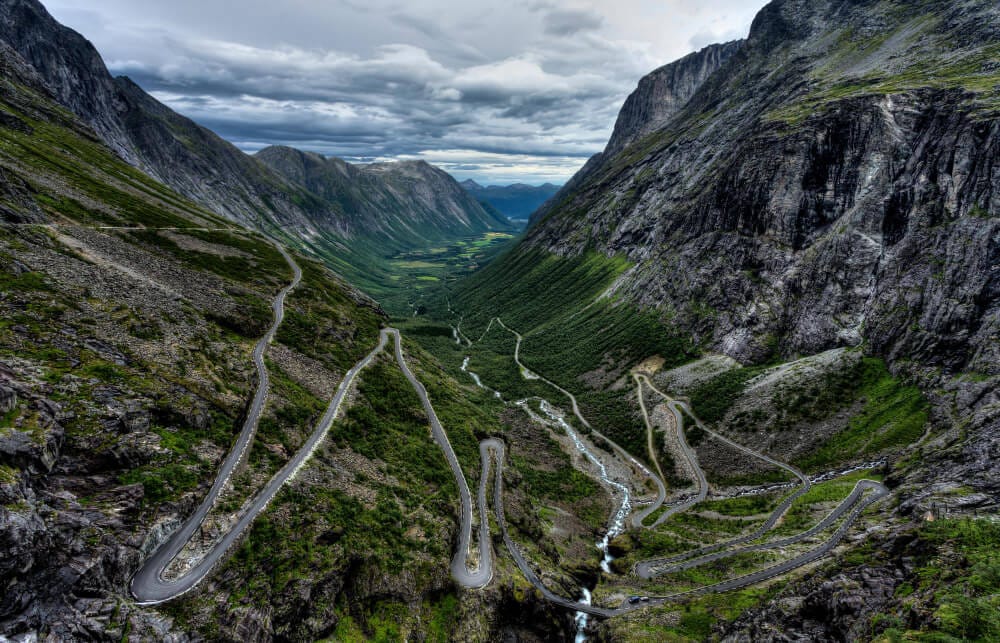
Norway’s fjord roads offer some of the most breathtaking drives in the world. Renting a car or using guided bus tours gives unmatched flexibility.
The Norwegian Scenic Routes
Norway has designated 18 scenic routes, many of which traverse fjord landscapes. Notable drives include:
- Geiranger–Trollstigen Route: Dramatic switchbacks, waterfalls, and panoramic viewpoints
- Hardangerfjord Route: Orchards, fruit farms, and glaciers along the fjord edges
- Aurlandsfjord Drive: Combines Flåm, Stegastein viewpoint, and small harbors
- Car Rental Price: ~NOK 800–1200/day (~$80–$120 USD)
- Fuel Price: ~NOK 23/liter (~$2.30 USD per liter)
Tip: Plan at least one overnight along your fjord route; stopping at viewpoints like Stegastein or Ørnesvingen at sunrise or sunset provides unmatched photo opportunities.
Iconic Fjord Viewpoints
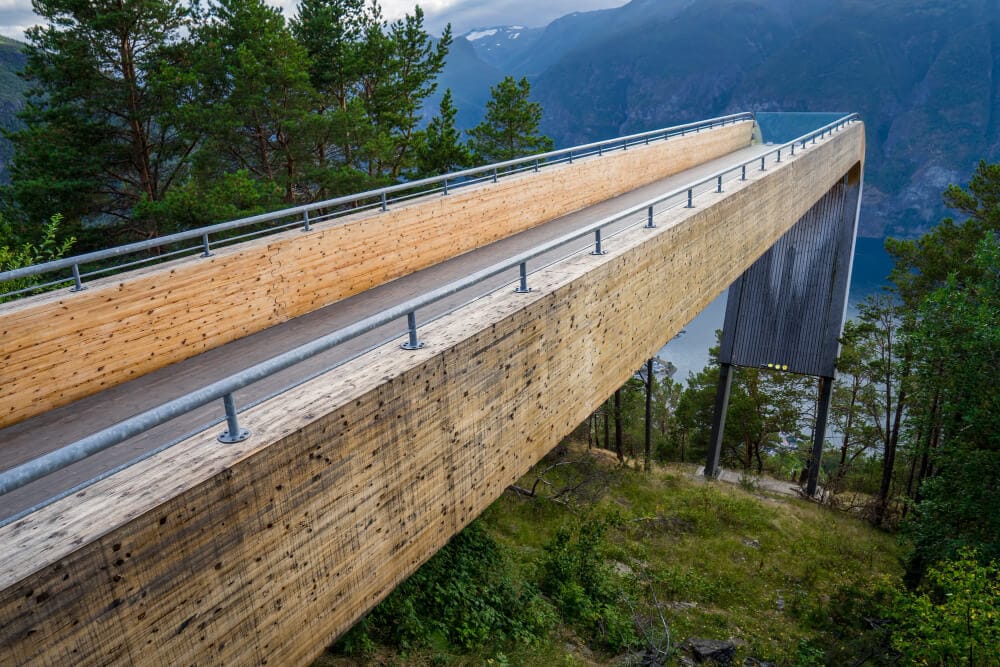
To see the best fjords Norway has to offer, aim for accessible viewpoints along roads or short hikes. These require minimal effort yet deliver panoramic vistas.
Stegastein Viewpoint
Perched above Aurlandsfjord, Stegastein is a cantilevered platform offering 360-degree views. Free to visit and accessible by car or bus, it’s a must-stop for photographers.
Ørnesvingen (Eagle Bend)
Near Geiranger, this viewpoint overlooks the fjord and waterfalls. Parking is available along the road, and the view rivals any cruise perspective.
Flydalsjuvet
Another Geirangerfjord highlight, Flydalsjuvet is a short walk from the road, offering a dramatic cliff-top perspective.
Tip: Morning light is often best for fjord photography; crowds are lower, and the sun illuminates waterfalls beautifully.
Exploring Fjord Villages
While fjords themselves are the highlight, small towns and villages give context to the scenery.
Flåm:
This village sits at the end of Aurlandsfjord and offers easy access to Flåm Railway, fjord ferries, and bike rentals along the fjord.
Gudvangen:
Accessible by ferry from Flåm, Gudvangen is a tiny settlement famous for Viking history and fjord immersion.
Geiranger:
Even without a cruise, Geiranger is reachable by car or ferry from Hellesylt. Hike short trails for waterfalls, or simply enjoy lakeside cafés with fjord views.
Practical Note: Accommodation prices in summer range from NOK 1200–2500 per night (~$115–$240 USD) for standard hotels or guesthouses. Booking early is essential, especially in Geiranger and Flåm.
Combining Trains, Ferries, and Roads
For first-time visitors wanting fjords without a cruise, combining modes is ideal. Example itinerary:
Day 1: Bergen to Flåm via Bergen Line, overnight in Flåm
Day 2: Flåm to Gudvangen by ferry (~2 hours), drive or bus to Geiranger, overnight
Day 3: Explore Geirangerfjord viewpoints, short hike to Flydalsjuvet, return to base or onward travel
This combination maximizes scenery while keeping the experience realistic and manageable.
Costs and Planning Tips
Here are some practical considerations for Norway fjord travel without a cruise:
- Transport: Trains and ferries combined: ~$100–150 USD per person for major routes
- Car Rental: ~$80–120/day plus fuel (~$2.30/liter)
- Accommodation: NOK 1200–2500/night (~$115–$240 USD)
- Meals: Café lunch ~$20–25, dinner in local restaurants ~$35–50
Tip: Summer (June–August) offers the best road and ferry conditions, but shoulder seasons like late May or early September are less crowded and often cheaper.
Why Traveling Fjords Independently is Worth It
Traveling independently allows you to linger at waterfalls, photograph villages from cliff-side roads, and enjoy the calm of fjord towns in ways cruise passengers rarely experience. You can combine hiking, café breaks, photography, and sightseeing at your own pace.
From the towering Geirangerfjord to the serene Aurlandsfjord, Norway is full of beautiful places you can actually access. By combining trains, ferries, and road routes, first-time visitors can experience the country’s natural wonders without a cruise ship, making it both aspirational and realistic.