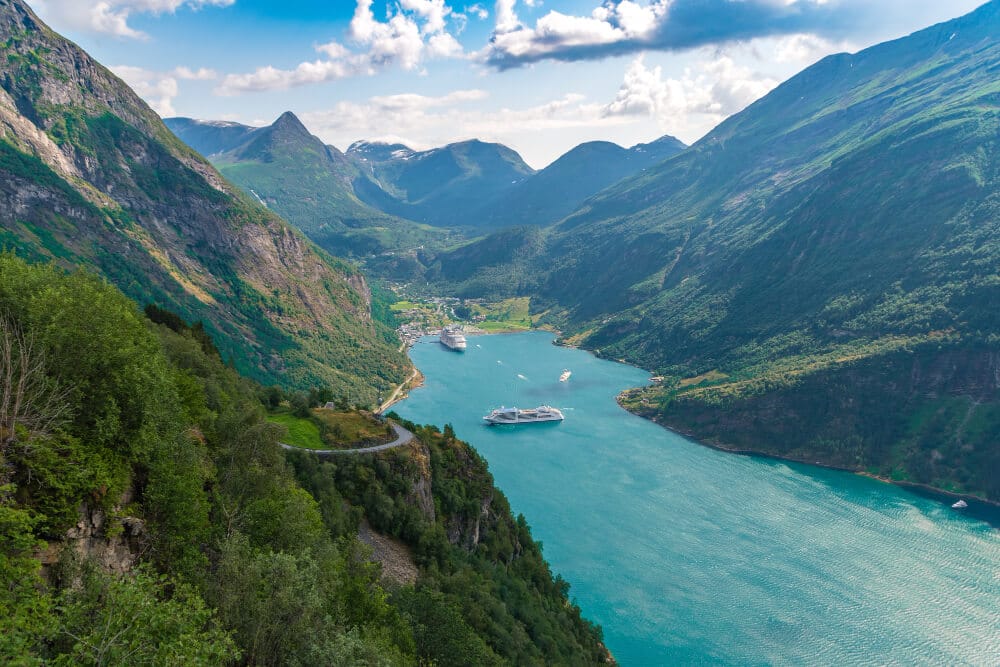
Norway’s dramatic landscapes make it one of the most rewarding countries for road trips. Towering fjords, jagged mountains, and winding coastal roads create some of the most scenic drives in Europe. For American travelers seeking adventure, a Norway road trip combines flexibility, iconic views, and access to hidden gems beyond the usual tourist spots.
This guide covers the best routes, practical driving tips, ferry logistics, and local experiences so first-time visitors can plan a memorable trip.
Why Take a Norway Road Trip?
Driving in Norway offers freedom that trains or buses cannot match. You can stop at remote viewpoints, explore quaint villages, and take detours to hidden waterfalls or alpine lakes. The country’s road network is well-maintained, with scenic highways and ferries connecting islands and fjords. A road trip is also ideal for photography, wildlife spotting, and immersing yourself in the country’s natural rhythm at your own pace.
Scenic drives Norway travel enthusiasts highlight include the Atlantic Road, Lofoten roads, and routes through the western fjords, all of which combine dramatic vistas and cultural experiences.
Planning Your Route
A typical road trip itinerary can span 7–14 days, depending on whether you focus on southern fjords, the Lofoten Islands, or northern routes. Here are some key options:
1. Atlantic Road
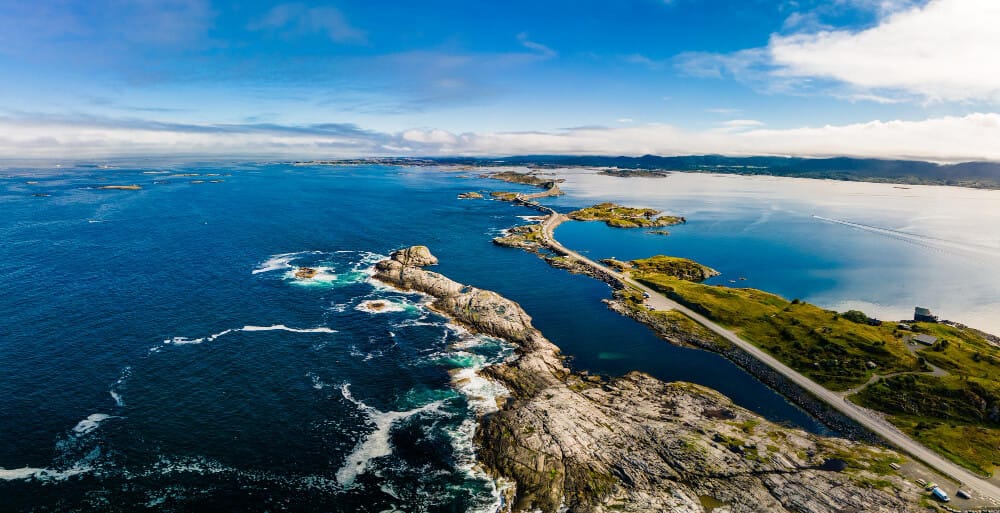
The Atlantic Road (Atlanterhavsveien) stretches 8.3 miles (13.5 km) along Norway’s western coastline, connecting small islands via a series of bridges and causeways. Known for its twisting curves and stormy seas, it is one of Norway’s most photographed roads.
Driving time along the Atlantic Road is about 30–40 minutes, but stops for photography, short hikes, and seaside cafés extend the visit. The area has viewpoints such as Vevang and Eldhusøya, where you can enjoy unobstructed views of the Norwegian Sea.
Tip: Visit in early morning or late afternoon to avoid tour buses and capture dramatic light for photography. Parking at viewpoints is free, and small kiosks offer coffee and pastries for $5–$10.
2. Lofoten Roads
The Lofoten Islands offer some of the most dramatic driving in Norway. The E10 highway connects villages like Svolvær, Henningsvær, Reine, and Å, passing beaches, fjords, and jagged peaks. Driving the full length of Lofoten takes about 5–6 hours without stops, but most travelers spread it over 2–3 days to explore viewpoints, beaches, and rorbuer cabins.
Key stops include:
- Reinebringen viewpoint: A moderate hike (1–1.5 hours) offers postcard-perfect fjord views.
- Ramberg Beach: Easy access by car, ideal for photography or a picnic.
- Henningsvær: Vibrant fishing village with galleries, cafés, and art installations.
Rorbu cabins in Lofoten cost $150–$250 per night, while mid-range hotels start around $200 per night.
Tip: Renting a car is essential; ferries and buses are limited. Check weather conditions, as wind and rain can make roads slippery, even in summer.
3. Western Fjords
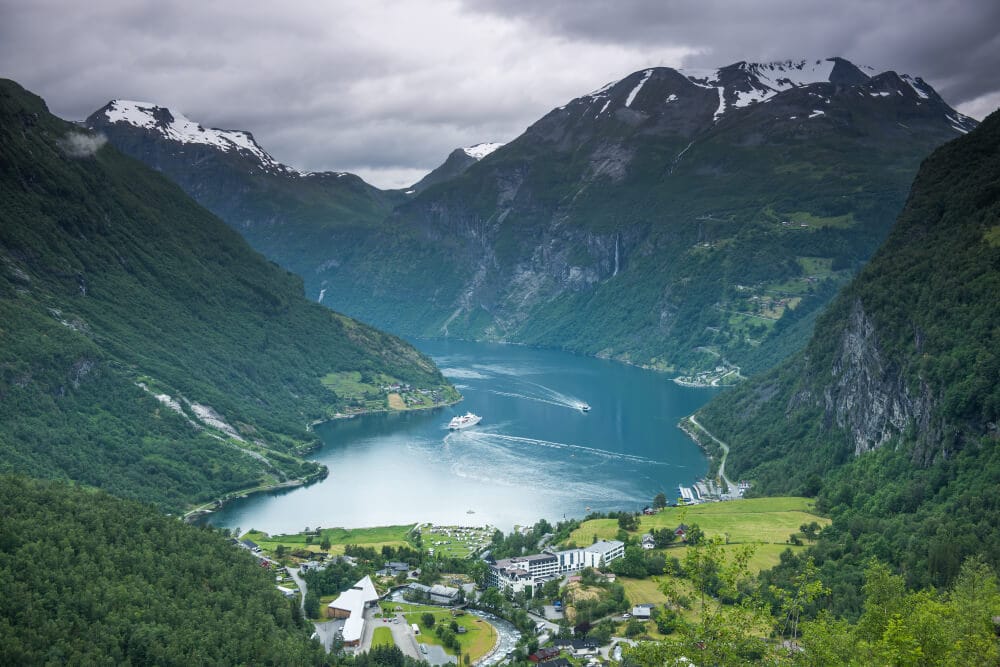
Norway’s western fjords, including Geirangerfjord, Sognefjord, and Aurlandsfjord, offer some of the country’s most famous scenery. The roads here include steep switchbacks, hairpin turns, and panoramic viewpoints.
- Geirangerfjord viewpoint at Flydalsjuvet is accessible via car and offers stunning vistas over waterfalls and fjord waters.
- Trollstigen (Troll’s Road) is an engineering marvel with 11 hairpin bends and viewpoints along the way.
- Aurlandsvegen / Stegastein viewpoint offers a cliffside panorama over Aurlandsfjord, ideal for sunset photography.
Driving distances vary, but most fjord routes are suitable for 1–3 hour segments, making them easy to combine with ferry crossings. Local ferries cost $15–$30 per car and passenger, depending on distance and season.
Norway Road Trip Practical Tips
Driving in Norway is generally safe and well-signed, but preparation improves the experience.
- Rental Cars: Standard cars cost $50–$100 per day in summer, while 4×4 or camper vans run $120–$200 per day. Book in advance.
- Fuel: Gasoline prices are high, averaging $8–$9 per gallon ($2–$2.5 per liter) in 2026. Budget accordingly.
- Tolls: Many highways, bridges, and tunnels are tolled. Automated payments are common; check with your rental company.
- Ferries: Essential for connecting islands and fjords. Schedule ferries in advance, especially in peak season (May–September).
- Weather: Conditions can change quickly. Bring waterproof layers, sturdy shoes, and extra blankets for remote areas.
- Parking: Free in most small towns; pay attention to signs in cities and popular viewpoints.
Tip: Avoid long driving days; Norway’s beauty is best enjoyed slowly. Schedule frequent stops to stretch, take photos, and appreciate each fjord, mountain pass, and beach.
Scenic Stops & Hidden Gems Along the Way
While driving the main routes, don’t miss smaller detours that provide unforgettable views:
- Kjeragbolten (Lysefjord): Famous boulder wedged between cliffs, accessible via a moderate hike.
- Åndalsnes: Gateway to Romsdalen valley and Trollveggen cliffs, ideal for short scenic drives or easy hikes.
- Senja Island: Often overlooked, it features winding coastal roads and viewpoints without the crowds of Lofoten.
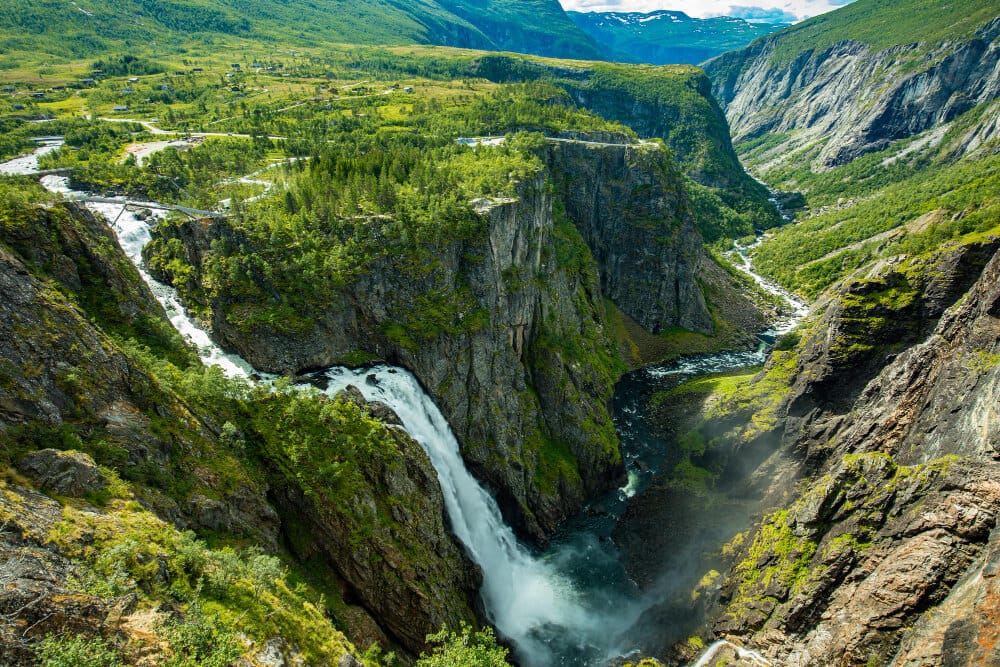
- Vøringfossen waterfall: Easily accessible with parking and a short walk to Norway’s most famous waterfall.
These stops provide the kind of authentic, awe-inspiring moments that make a Norway road trip memorable.
Suggested 7-Day Norway Road Trip Itinerary
Day 1: Oslo to Geirangerfjord – Begin with a drive through Romsdalen, stopping at viewpoints and waterfalls.
Day 2: Geirangerfjord & Trollstigen – Explore fjords, take short hikes, and photograph dramatic landscapes.
Day 3: Ålesund & Atlantic Road – Drive to Ålesund for lunch, then continue to the Atlantic Road for evening photos.
Day 4: Lofoten arrival – Fly to Svolvær or drive via ferry; settle into rorbu cabins.
Day 5: Lofoten exploration – Reine, Ramberg Beach, and Henningsvær.
Day 6: Scenic drives and photography – Detours to hidden beaches, fjords, and viewpoints.
Day 7: Departure via Bodø or Tromsø – Optional Northern Lights tour if visiting in winter.
This itinerary blends fjords, coastal drives, and island scenery for a comprehensive Norway road trip experience.
Why a Norway Road Trip Should Be on Your Bucket List
For American travelers, driving Norway offers unmatched flexibility and immersion in iconic landscapes. Unlike cruises or bus tours, road trips let you dictate your schedule, explore hidden gems, and stop at perfect photography spots. From the twisting Atlantic Road to Lofoten’s jagged islands and the majestic western fjords, Norway’s scenic routes reward patient and prepared travelers.
With careful planning for car rentals, ferries, and accommodations, a Norway road trip becomes a central part of your adventure rather than just a means of transport.
Frequently Asked Questions – Norway Road Trip
Do I need an international driving license to drive in Norway?
Yes. U.S. citizens can drive in Norway with a valid U.S. driver’s license, but an International Driving Permit (IDP) is recommended, especially if renting a car.
What is the best time for a Norway road trip?
The most scenic and accessible roads are open from late May to early September. Summer offers long daylight hours, mild temperatures, and ferry services. Early autumn provides fewer crowds and stunning foliage.
Are Norwegian roads safe for first-time drivers?
Yes. Norway has well-maintained roads, clear signage, and strict traffic rules. However, be cautious on narrow mountain passes, winding coastal roads, and during adverse weather conditions.
How much does a typical Norway road trip cost?
Car rentals range from $50–$100 per day for standard vehicles. Gasoline averages $2–$2.5 per liter, and ferry crossings cost $15–$30 per vehicle and passenger. Accommodation ranges widely from $150–$300 per night in cabins or hotels.
Can I see Norway’s fjords and islands without a cruise?
Absolutely. Driving, ferries, and short hikes allow access to the best fjords, including Geirangerfjord, Sognefjord, and Lofoten islands. Many scenic viewpoints are accessible directly from the road.