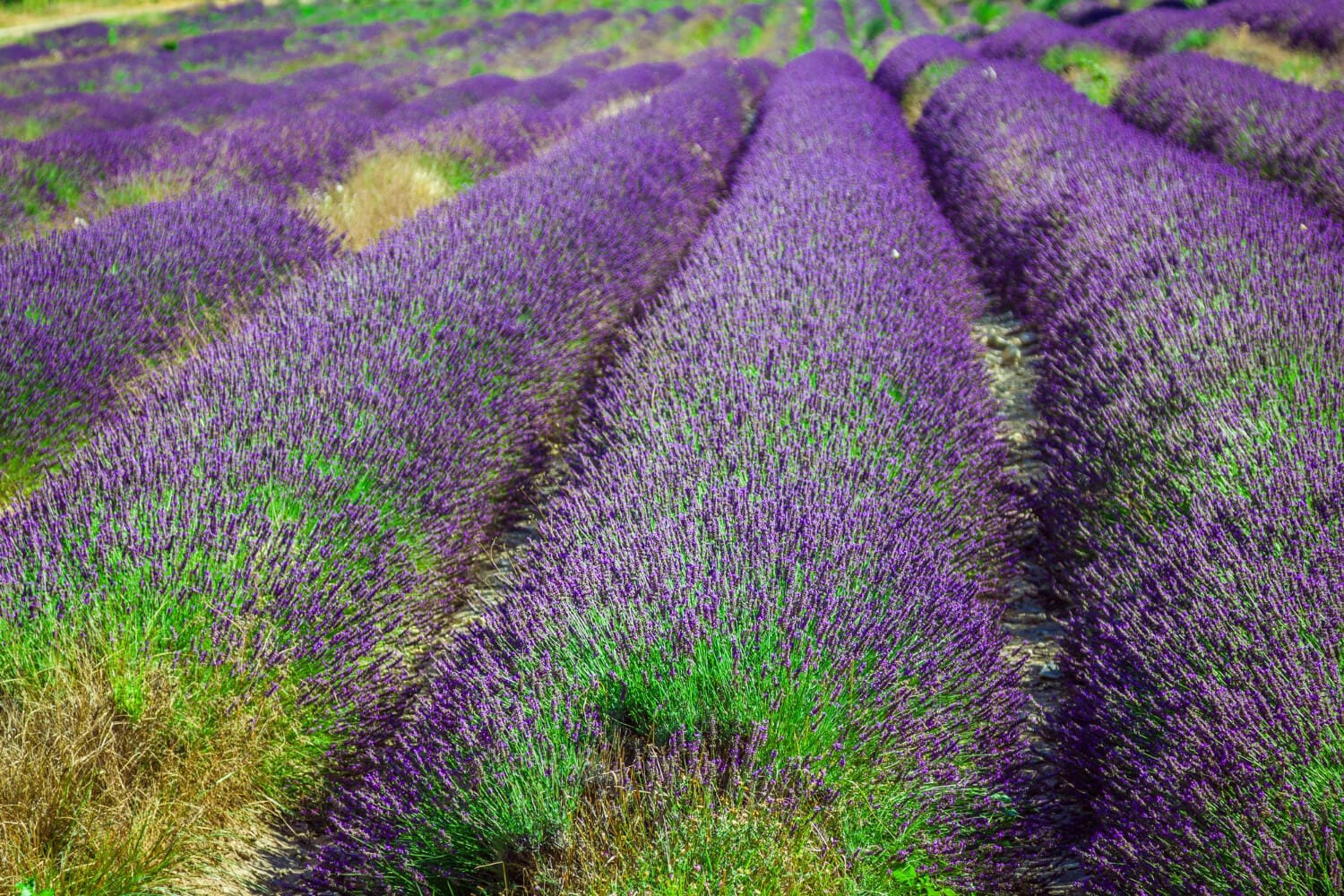
Provence captures what many travelers imagine when they think of southern France: sun-washed landscapes, the scent of herbs in the air, stone villages rising above vineyards, and long meals enjoyed slowly under plane trees. It is a region that invites you to slow down. Rather than ticking off sights, Provence rewards travelers who take time to drive quiet roads, wander markets, and sit with a glass of local wine while the light changes over the hills.
This Provence travel guide is written for first-time visitors who want more than surface-level inspiration. You’ll find practical advice on when to go, where to see lavender without the worst crowds, which villages are worth prioritizing, and how much typical experiences actually cost today. Whether you’re planning a short stay or building Provence into a larger France itinerary, this guide focuses on experiences that genuinely add value to your trip.
When to Visit Provence (and Why Timing Matters)
Choosing the right season shapes your entire experience. Provence looks and feels different month by month, and expectations should align with reality.
Late June to mid-July is lavender season, especially in areas like the Valensole Plateau and Sault. During this period, fields are in full bloom, but crowds and accommodation prices peak. Expect daytime temperatures around 28–32°C (82–90°F), especially inland.
Spring (April to early June) offers mild temperatures, wildflowers, green vineyards, and fewer visitors. Lavender fields are not yet purple, but villages and countryside are at their most comfortable for walking and driving.
Early autumn (September to October) is ideal for travelers focused on wine, food, and quieter villages. Harvest season brings activity to vineyards, daytime temperatures are pleasant, and markets remain lively.
Tip: If lavender is your priority, plan your trip around bloom dates rather than fixed calendars. Weather can shift harvest timing by 1–2 weeks each year.
Lavender Fields: Where to Go Beyond the Crowds
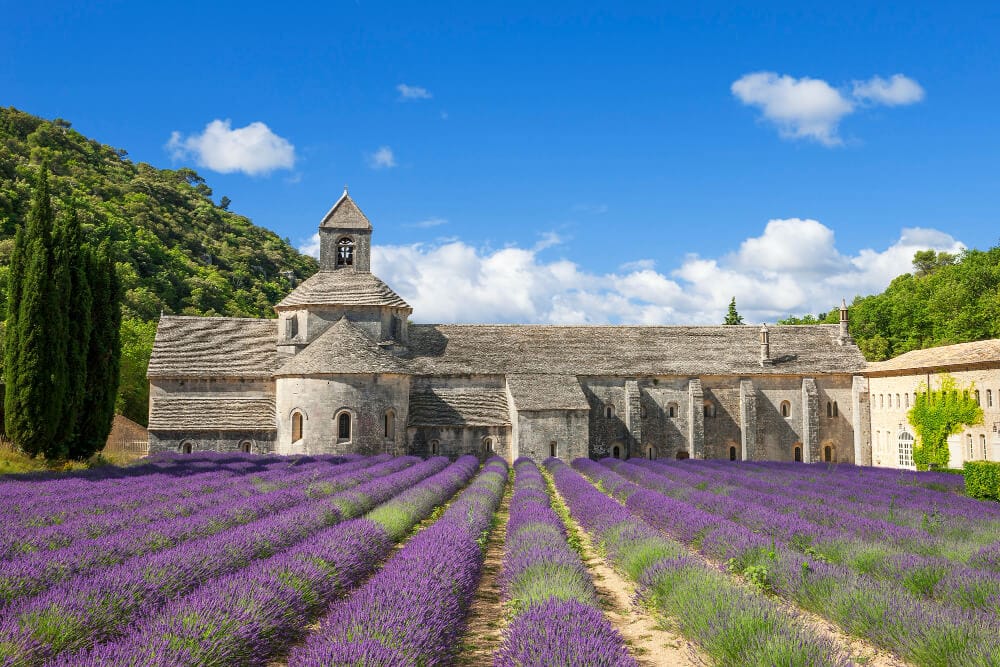
Lavender is often the reason travelers first look at Provence, but knowing where and how to visit makes a major difference.
Valensole Plateau
Valensole is the most famous lavender area, known for its vast, uninterrupted fields stretching toward the horizon. It is undeniably spectacular but also the busiest. Sunrise and early morning are essential if you want space and soft light.
There is no entrance fee for lavender fields, but parking near popular photo spots may cost €2–5 at informal roadside areas. Small farms often sell lavender products such as oils, soaps, and honey, typically priced between €5–15.
Sault and Sénanque Abbey
Sault blooms later than Valensole, often extending into late July. It is less crowded and sits at a higher elevation, making summer heat more manageable.
Sénanque Abbey, near Gordes, is one of the most photographed lavender locations in France. The abbey grounds are free to view from the outside. Entry to the abbey costs around €8–9 for adults and includes access to the cloister and interior spaces.
Drôme Provençale
For travelers who want lavender without the classic postcard crowds, the Drôme Valley offers a quieter, more rural experience. Fields are smaller and interspersed with vineyards and sunflower fields, creating a more varied landscape. This area is ideal for scenic driving rather than single photo stops.
Hilltop Villages: Stone, Silence, and Slow Travel
Provence’s villages are not about major attractions; they are about atmosphere. Visiting too many in one day dilutes the experience, so choosing a few and exploring them slowly adds more value.
Gordes is dramatic and iconic, with stone houses stacked along a cliff. It is busiest midday, but early morning or late evening transforms it into a peaceful place. Parking outside the village costs around €5–7 per visit.
Roussillon stands out for color rather than height. Its ochre cliffs and warm-toned buildings feel completely different from other villages. The Ochre Trail walk costs approximately €3–4 and takes about 30–45 minutes.
Ménerbes and Bonnieux are less polished but feel more lived-in. These villages are excellent for relaxed lunches, quiet walks, and views without constant crowds.
Lourmarin has a more vibrant feel, especially on market days. Its château can be visited for around €7–8, and the surrounding cafés make it one of the best places to sit and observe daily life.
Tip: Aim to visit one major village and one smaller village per day. This keeps travel relaxed and avoids “village fatigue.”
Markets, Food, and the Provençal Table
Food in Provence is seasonal, simple, and deeply connected to the land. Markets are the best introduction, even if you don’t plan to cook.
Morning markets sell fresh fruit, vegetables, cheeses, olives, and breads. A simple picnic lunch of market ingredients usually costs €10–15 per person and often becomes a highlight of the day.
Typical restaurant prices in villages:
- Casual lunch menu: €18–25
- Dinner at a mid-range restaurant: €30–45 per person
- Glass of local wine: €4–6
Classic dishes like ratatouille, daube provençale (slow-cooked beef stew), and goat cheese salads appear across menus, but preparation varies by village and season.
Olive oil tastings are often free or cost €5–10 if paired with bread and explanation. Many mills sell bottles starting around €10–14, making them practical souvenirs.
Wine in Provence: Rosé and Beyond
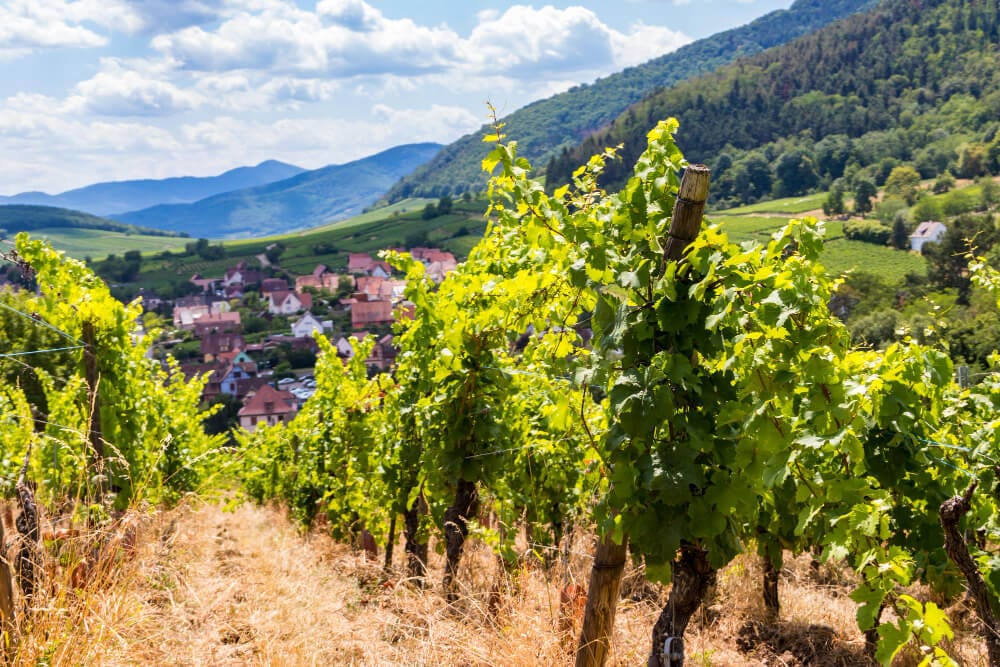
Provence is globally associated with rosé, but wine culture here is broader than many expect. Vineyards are spread across Luberon, Côtes de Provence, and Coteaux d’Aix-en-Provence.
Standard wine tastings cost:
- €10–15 for basic tastings
- €20–30 for guided tastings with explanations
- €35–50 for tastings paired with lunch or cheese
Rosé dominates, but many estates also produce excellent reds and whites. Tasting experiences are generally relaxed and welcoming, even for visitors with limited wine knowledge.
Getting Around Provence: Why a Car Is Essential
Public transport connects major towns, but Provence’s real beauty lies between destinations. A rental car allows you to explore lavender fields, villages, and vineyards without time pressure.
Typical costs:
- Car rental: €50–70 per day in high season
- Fuel: approximately €1.90 per liter
- Village parking: €3–7 per stop
Driving times are short but roads are narrow and winding. Allow extra time and enjoy the journey rather than rushing between stops.
A Realistic 2–3 Day Provence Itinerary
A short stay can still feel rewarding if paced correctly.
Day 1: Valensole Plateau at sunrise, Sénanque Abbey, afternoon in Gordes and Roussillon
Day 2: Luberon villages such as Ménerbes and Lourmarin, wine tasting with lunch at a vineyard
Day 3 (optional): Drôme Valley drive, local market visit, light hike or countryside cycling
This structure avoids constant packing and unpacking while offering variety each day.
Practical Tips That Make a Difference
Summer heat is real. Carry water and plan outdoor walks early or late.
Comfortable shoes are essential; cobblestones and uneven paths are everywhere.
Book accommodations early during lavender season; prices rise quickly.
Tip: A simple picnic in the countryside often becomes more memorable than a formal restaurant meal.
Why Provence Works So Well for First-Time Visitors
Provence offers a rare balance. It is scenic without being overwhelming, culturally rich without feeling formal, and tourist-friendly without losing authenticity. You don’t need deep historical knowledge or a packed itinerary to enjoy it. Simply being present — watching light move across lavender fields, listening to village bells, tasting wine slowly — is enough.
Unlike faster-paced regions, Provence encourages travelers to stay longer in fewer places, making trips feel personal rather than rushed.
Final thoughts
Provence is not a destination to conquer; it is one to experience gradually. Lavender fields, hilltop villages, and vineyard landscapes are only the surface. The real value of Provence lies in its rhythm — morning markets, quiet afternoons, long dinners, and golden evenings.
For first-time visitors, a well-planned trip that respects seasonality and pacing transforms Provence from a beautiful backdrop into a deeply memorable journey. Whether you come for lavender, wine, or village life, Provence has a way of staying with you long after the trip ends.
FAQ – Provence Travel
When is the best time to visit Provence for lavender?
Late June through mid-July offers peak bloom. Early June or late July still provides beauty with fewer tourists.
Which villages are must-visits?
Gordes, Roussillon, Ménerbes, Lourmarin, and Bonnieux are the most photogenic and accessible from main lavender regions.
Can I visit Provence without a car?
Yes, but it’s limiting. A car allows access to smaller villages and lavender fields that are difficult to reach by public transport.
What else can I do in Provence besides lavender fields?
Visit vineyards for wine tastings, explore hilltop villages, enjoy local markets, hike scenic trails, or try regional cuisine.