
Spain’s coastline is one of the most diverse in Europe. Stretching from the wild, cliff-lined shores of the Mediterranean to the green Atlantic edges of the north, it offers far more than just beach resorts. First-time visitors often underestimate how varied Spain’s coastal regions really are — culturally, visually, and even climatically. One day you can be swimming in turquoise coves beneath pine-covered cliffs, and a few days later walking along windswept Atlantic promenades lined with fishing boats.
This guide is designed to help travelers understand where to go along Spain’s coastline, what makes each region distinct, and how to plan realistically — even without renting a car. You’ll find practical context, current price ranges where relevant, and guidance on how to combine beach time with culture, food, and scenery.
Understanding Spain’s Coastal Regions
Spain doesn’t have a single “coast experience.” Instead, it offers several distinct coastal identities:
Mediterranean northeast (Costa Brava): rugged, artistic, and scenic
Mediterranean south (Costa del Sol): sunny, accessible, and lively
Island coasts (Balearics): turquoise waters and compact variety
Atlantic north (Basque Country & Galicia): dramatic, green, and food-driven
Knowing these differences helps you choose a coastline that matches your travel style rather than simply chasing famous beach names.
Costa Brava – Dramatic Cliffs, Hidden Coves, and Catalan Character
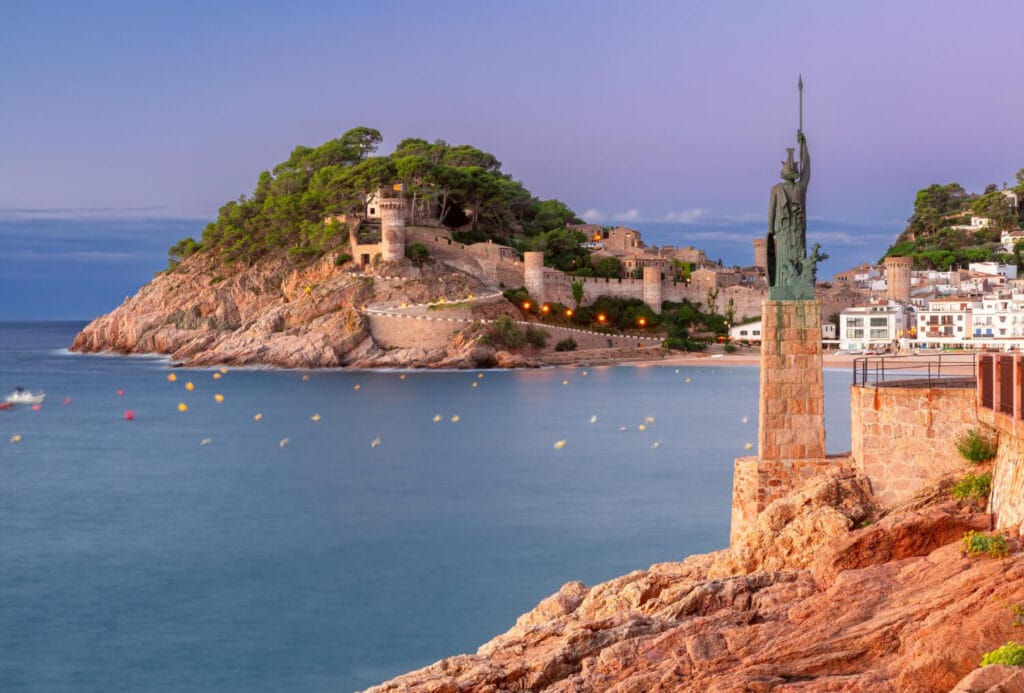
The Costa Brava runs from Blanes to the French border and is often considered Spain’s most visually striking Mediterranean coastline. Unlike flatter beach regions, this coast is defined by rocky headlands, cliffside walking paths, and small coves tucked between pine forests.
Towns like Cadaqués, Tossa de Mar, and Calella de Palafrugell offer very different experiences while sharing a strong Catalan identity. Whitewashed houses, blue shutters, and small harbors dominate the landscape.
Cadaqués, long associated with Salvador Dalí, feels slightly detached from modern tourism despite its popularity. Cafés line the waterfront, small galleries fill side streets, and mornings are especially calm. A coffee along the harbor typically costs €2.50–4, while casual lunch dishes range from €12–18.
Tossa de Mar blends beach life with history. Its medieval old town rises directly above the sand, allowing visitors to combine swimming with sightseeing in a single afternoon. Entrance to the old town is free, while nearby museums cost around €3–5.
Calella de Palafrugell is quieter and ideal for travelers who prefer scenic walks and small beaches rather than nightlife. Coastal footpaths (camins de ronda) connect coves and viewpoints, offering some of the best photography opportunities on the coast.
Tip: Public buses from Barcelona reach most Costa Brava towns for €12–18 one way, making it possible to visit the region without a car and even combine multiple villages over two days.
Costa del Sol – Easy Beaches, Andalusian Cities, and Year-Round Sun
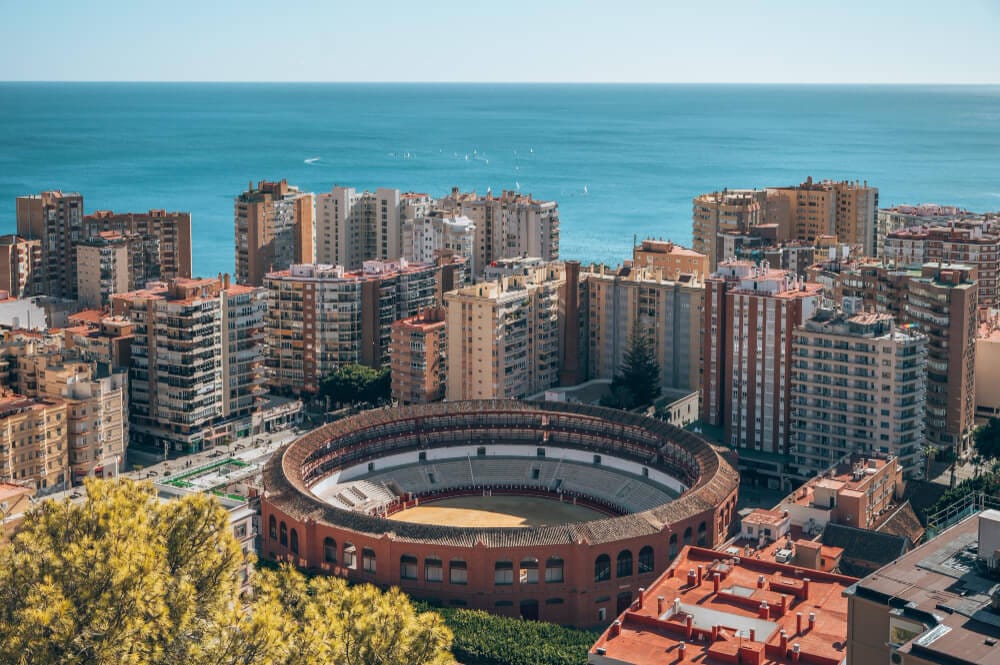
The Costa del Sol stretches along southern Spain’s Mediterranean coast and is one of the most accessible coastal regions in the country. With Málaga as its main transport hub, this area works exceptionally well for travelers relying on trains and buses.
Málaga itself deserves more than a quick stop. Beyond its beaches, the city offers historic fortresses, museums, and a walkable old town. Beachfront seafood restaurants (chiringuitos) serve grilled sardines for around €8–12, while sunbeds cost roughly €6–10 per day depending on season.
Marbella often carries a reputation for luxury, but its old town tells a different story. Narrow lanes, orange trees, and small plazas offer a relaxed atmosphere far removed from the marina. Buses from Málaga cost about €6–8 and take under an hour.
Further east, Nerja offers one of the most iconic viewpoints on the southern coast: the Balcón de Europa. From here, cliffs drop into bright blue water, and small coves are scattered along the shoreline. Local buses from Málaga cost around €5–7, making Nerja an easy day trip.
Estepona, quieter and less commercial, appeals to travelers looking for slower-paced coastal life. Its old town has been carefully preserved, with flower-filled streets and local restaurants where main dishes average €14–20.
Balearic Islands – Island Variety Without Losing Accessibility
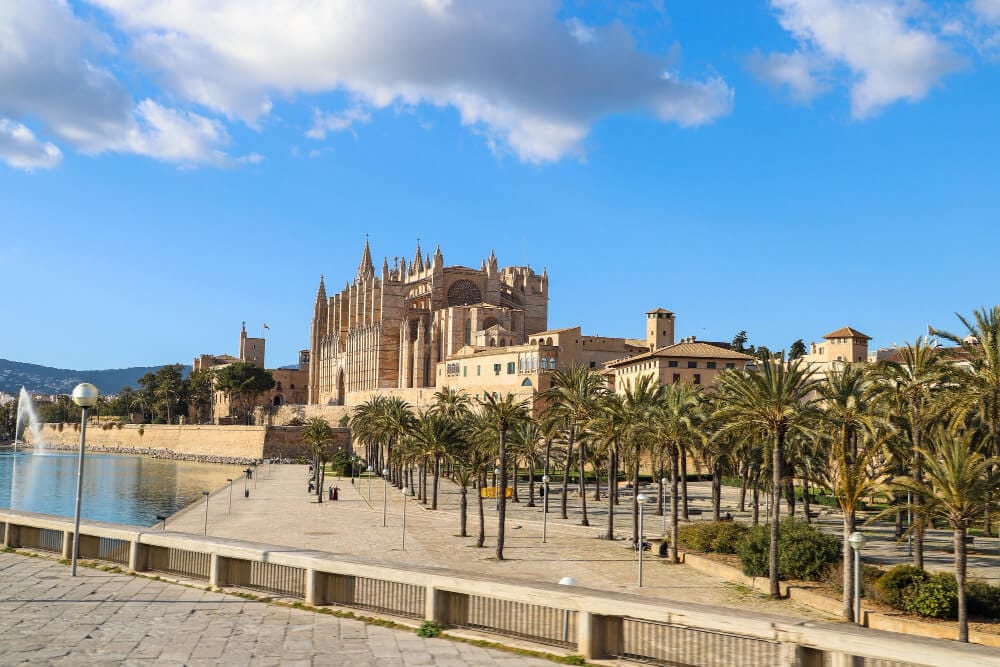
The Balearic Islands offer some of Spain’s clearest water and most photogenic beaches, yet they are often misunderstood as being car-dependent. In reality, Mallorca, Menorca, and Ibiza all have functional bus networks that allow visitors to explore key areas without driving.
Mallorca is the most diverse. Palma’s historic center, dominated by its Gothic cathedral, pairs well with nearby beaches such as Cala Major. Bus fares generally range from €2–5, while longer routes across the island cost €8–15. Entry to the Palma Cathedral costs around €9–10.
Menorca is quieter and more nature-focused. Coastal walking paths (Camí de Cavalls) allow access to secluded coves, and the island’s smaller scale makes it ideal for travelers who prefer walking and cycling. Accommodation and food prices are often slightly lower than Mallorca, with casual meals around €12–16.
Ibiza surprises many first-time visitors. Beyond nightlife, its northern coast and inland villages offer calm beaches and traditional markets. Buses connect Ibiza Town with beaches and villages for €3–5, making it possible to explore without renting a car.
Tip: Ferries from Barcelona or Valencia to the Balearics range from €40–80 one way, depending on season and cabin type. Booking early significantly reduces costs.
Northern Coast – Atlantic Views, Green Landscapes, and Food Culture
Spain’s northern coastline feels like a different country altogether. Cooler temperatures, lush hills, and Atlantic waves define the Basque Country and Galicia, making them ideal for travelers who prefer dramatic scenery over sunbathing.
San Sebastián combines one of Europe’s most beautiful urban beaches with world-class food culture. Playa de la Concha is fully walkable, and pintxos in the old town typically cost €2–4 per piece. The city’s compact size makes it easy to explore on foot.
Bilbao, while inland, serves as a gateway to nearby coastal towns such as Getxo and Mundaka. Regional trains cost around €2–6, offering quick access to cliffs and beaches without needing a car.
Galicia’s coastline is more rural and atmospheric. Fishing villages, estuaries, and forested hills dominate the landscape. Seafood-focused meals in small towns can be surprisingly affordable, with menus del día often priced at €12–15.
Planning a Spain Coast Trip Without Renting a Car
One of the biggest misconceptions about coastal Spain is that a car is essential. In reality, many coastal regions are better experienced without one, especially for first-time visitors.
Spain’s Renfe train network connects major coastal cities, while ALSA buses fill the gaps between smaller towns. Choosing the right base city — such as Barcelona, Málaga, Palma, or San Sebastián — allows easy access to surrounding beaches and villages.
Walking plays a crucial role as well. Many coastal towns are compact, and promenades, old quarters, and beaches are designed for pedestrians. This often leads to a richer experience than driving between isolated beaches.
Tip: Late May–June and September are ideal for coastal travel. Prices are lower, water temperatures remain pleasant, and popular towns feel significantly less crowded.
Final thoughts
Spain’s coastline is not a single destination but a collection of distinct experiences shaped by geography, culture, and history. From the wild cliffs of the Costa Brava to the easygoing beaches of the Costa del Sol, from island coves in the Balearics to the Atlantic drama of the north, each region offers a different way to experience coastal Spain.
For first-time visitors, the key is choosing a coastline that matches your pace and interests rather than trying to see everything at once. Thanks to strong public transport, walkable towns, and a culture built around outdoor life, Spain’s coast is remarkably accessible — even without a car.
Approached thoughtfully, a Spanish coastal trip becomes more than a beach holiday. It turns into a journey through landscapes, food traditions, and everyday local life that stays with you long after the sea is out of sight.
FAQ – Spain Coast Travel
Which Spanish coast is best for first-time visitors?
Costa Brava offers rugged scenery and Catalan charm; Costa del Sol delivers sunny beaches and Andalusian vibes.
Can I explore the coast without a car?
Yes. Many towns are connected by buses, trains, and ferries.
When is the best time to visit Spain’s coast?
Late spring or early fall avoids crowds and provides pleasant temperatures.
Which coastal towns are the most photogenic?
Cadaqués, Tossa de Mar, Nerja, and Palma de Mallorca are particularly scenic for photography.
Are the Balearic Islands suitable for day trips?
Yes, especially Mallorca and Ibiza; ferries and buses make them accessible without renting a car.