Spain consistently ranks among the most rewarding European destinations for American travelers. It is welcoming, affordable by Western European standards, and easy to navigate once you understand how daily life works. That said, Spain does not operate like the United States. Transportation habits, safety realities, meal schedules, and even the concept of convenience follow a different logic. Americans who arrive informed tend to travel smoothly and confidently; those who rely on assumptions often feel unnecessary stress.
This guide is written specifically for Americans visiting Spain for the first time. It focuses on three areas that most strongly affect your experience: how transportation actually works, what safety looks like on the ground, and how to time your trip for comfort, value, and enjoyment.
What Americans Should Know Before Traveling to Spain
Spain feels relaxed on the surface, but it is highly structured underneath. Systems work well, rules are enforced, and daily life is organized around public space rather than private vehicles. This cultural difference explains many of the surprises Americans encounter.
U.S. passport holders can travel in Spain and the wider Schengen Area for up to 90 days within a 180-day period without a visa. Your passport must be valid for at least three months beyond your planned departure from Europe. While travel insurance is not mandatory, it is strongly recommended. Medical care in Spain is excellent and affordable, but visitors pay out of pocket without coverage.
English is widely spoken in major cities, tourist areas, hotels, and transport hubs. Outside these zones, basic Spanish phrases go a long way. Spaniards are generally patient with visitors who make an effort, even minimal.
Spain is not a “figure it out as you go” destination in the American sense. Planning transportation, understanding schedules, and knowing when things close will dramatically improve your experience.
Transportation Tips for Traveling Around Spain
Getting Around Cities Without a Car
For Americans, one of the biggest mindset shifts is realizing that renting a car in Spanish cities is usually a mistake. Historic centers were not designed for vehicles, parking is limited and expensive, and many streets are pedestrian-only.
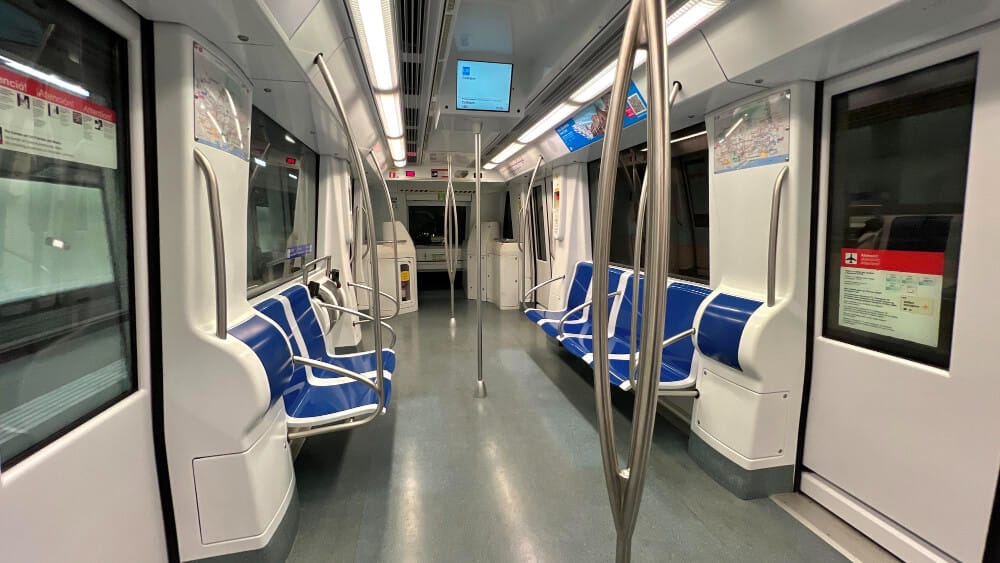
Cities such as Madrid, Barcelona, Seville, Valencia, Málaga, and Bilbao rely on integrated public transport systems that are clean, efficient, and easy to use. Metro systems are intuitive, stations are clearly marked, and announcements are often bilingual.
Typical prices (2026):
- Single metro or bus ticket: €1.50–2.40
- 10-ride pass: €8–12
- 24-hour unlimited pass: €5–8
- 72-hour pass: €15–20
Walking is often the best option. Historic centers are compact, visually interesting, and designed around foot traffic. Staying centrally allows you to walk between landmarks, restaurants, and neighborhoods without relying on transport at all.
Ride-hailing apps like Uber, Cabify, and Bolt operate in major cities, but licensed taxis are reliable, metered, and regulated. Airport-to-city taxi fares are usually fixed (for example, Madrid airport to city center: €30 flat rate).
Tipping taxi drivers is optional; rounding up is sufficient.
Long-Distance Travel: Trains vs Flights
Spain’s high-speed rail network is one of Europe’s strongest advantages for travelers. For most mainland routes, trains are faster, easier, and less stressful than flying.
Popular routes and typical advance fares:
- Madrid → Barcelona: €25–60, ~2.5 hours
- Madrid → Seville: €20–50, ~2.5 hours
- Madrid → Valencia: €18–45, ~2 hours
New competition between rail operators has driven prices down, especially when tickets are booked early. Trains depart from city centers, eliminate security delays, and arrive within walking distance of hotels.
Flights only make sense for:
- Balearic Islands (Mallorca, Menorca, Ibiza)
- Canary Islands
- Very long mainland distances with tight schedules
Even then, budget airlines charge for luggage and seat selection, which often narrows the price gap.
When Renting a Car Actually Makes Sense

While cities are car-unfriendly, rural Spain is the opposite. Renting a car is ideal for exploring regions where villages, vineyards, or natural parks are spread out.
Car-friendly regions include:
- Andalusia’s white villages
- Northern Spain’s coastal routes
- Galicia’s countryside
- Wine regions like Rioja or Ribera del Duero
Americans should note:
- Manual transmission is standard
- Automatic cars cost €10–25 more per day and must be reserved early
- Narrow roads, roundabouts, and tight parking are normal
Confidence and patience matter more than speed.
Safety Tips for Americans Visiting Spain
Overall Safety and Crime Reality
Spain is among the safest countries in Europe for tourists. Violent crime against visitors is rare. The primary risk is petty theft, especially pickpocketing in crowded areas.
High-risk locations include:
- Metro stations and trains
- Busy tourist streets
- Popular landmarks
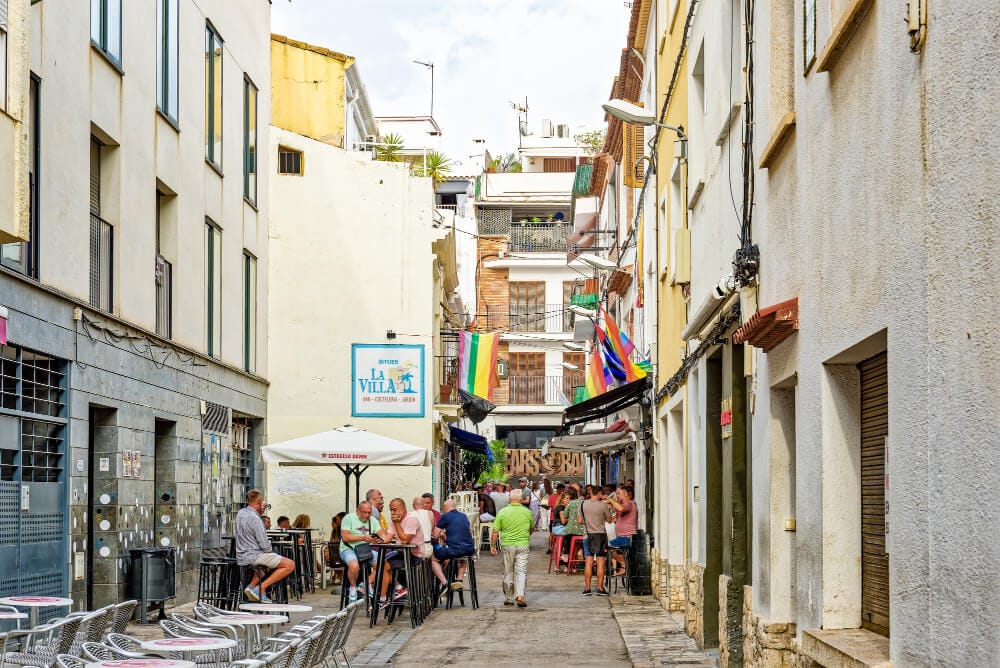
- Outdoor café seating in city centers
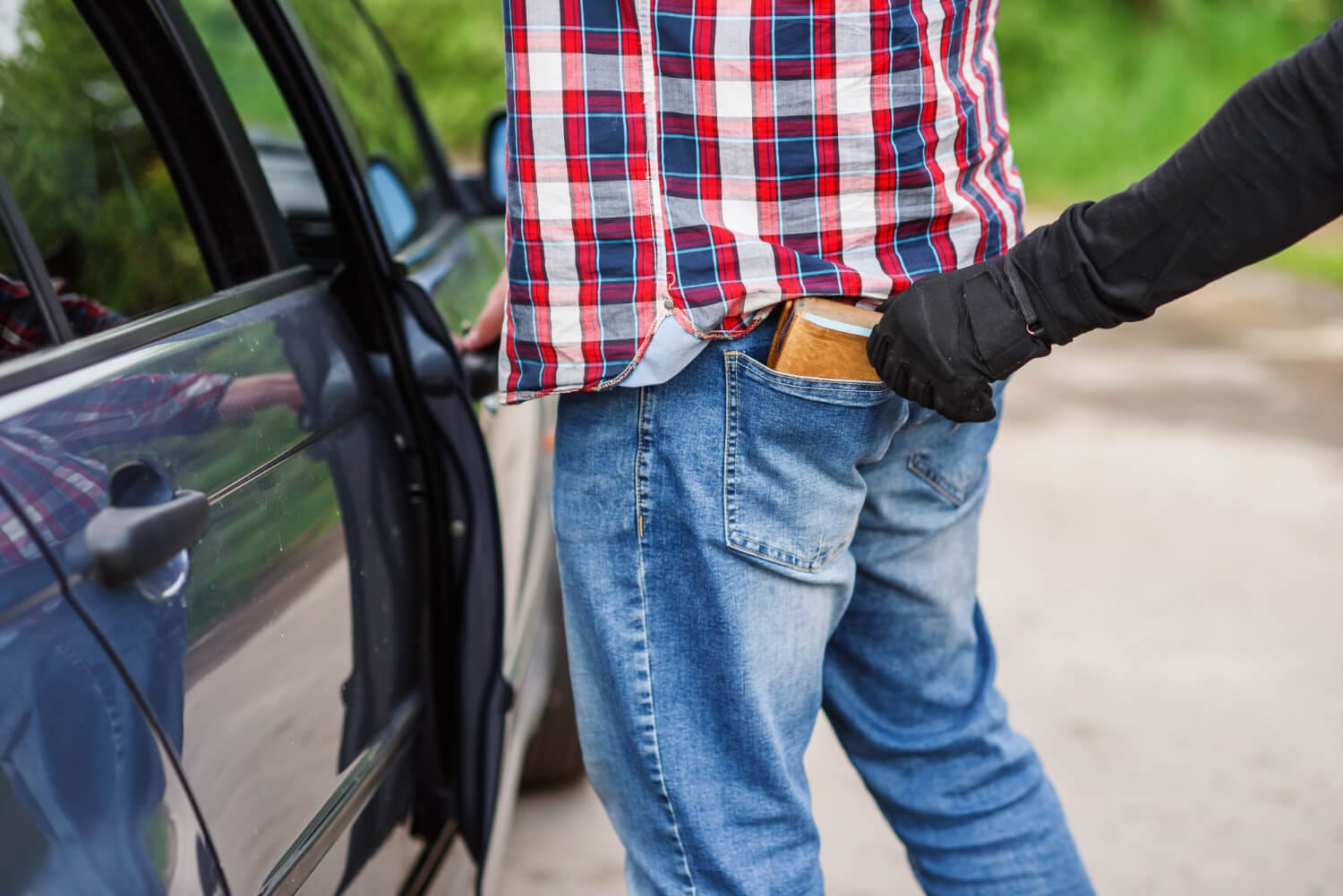
Pickpockets rely on distraction, not force. The most common mistakes Americans make are placing phones on tables, carrying open tote bags, or keeping wallets in back pockets.
The best defense is awareness. Keep valuables zipped and close to your body, avoid placing phones on café tables, and use anti-theft bags when possible. These precautions are usually sufficient.
Tip: Anti-theft backpacks and cross-body bags dramatically reduce pickpocket risk without changing how you travel day to day.
Personal Safety and Cultural Awareness
Spain feels safe at night in ways that surprise many Americans. City centers stay active late, families and couples are out well past midnight, and streets are rarely deserted.
Solo travelers, including women, generally report feeling comfortable. That said, normal precautions still apply:
- Avoid poorly lit side streets late at night
- Watch drinks in bars
- Be cautious in nightlife districts after midnight
Police presence is visible, approachable, and helpful. The national emergency number is 112, which works across Spain and supports English.
Timing Your Trip: When Americans Should Visit Spain
Best Seasons for First-Time Visitors
For most Americans, spring and fall are ideal. These seasons offer the best balance of weather, pricing, and crowd levels.
Best months:
- April to early June
- September to October
During these periods, daytime temperatures are comfortable, attractions operate normally, and cities feel lively without being overwhelming. Hotels and flights are also more reasonably priced.
Typical hotel price ranges (per night, mid-range):
- Spring/Fall cities: €120–180
- Summer coastal towns: €180–280
- Winter cities: €90–140
Summer Travel: What to Expect
Summer in Spain is intense, particularly for Americans unaccustomed to sustained heat. In July and August, temperatures in southern and central Spain often exceed 100°F (38°C).
Summer travel works best if you:
- Sightsee early morning
- Rest midday
- Explore again after 7:00 p.m.
Northern Spain and coastal regions are far more comfortable than inland cities. Expect higher prices and heavy crowds, especially in August when many Europeans travel.
Winter Travel and Major Holidays
Winter is an underrated season for Americans. While beach destinations quiet down, major cities remain active, cultural attractions are uncrowded, and accommodation prices drop significantly.
Christmas markets, Three Kings celebrations (early January), and winter festivals add atmosphere without mass tourism.
Be cautious around Semana Santa (Holy Week) in March or April. Processions are spectacular, but transport and accommodation book out months in advance.
Practical Travel Advice Americans Often Overlook

Spanish daily rhythms differ sharply from American norms. Lunch typically happens between 2:00–4:00 p.m., and dinner rarely begins before 8:30 p.m. Restaurants may close between meals, especially outside major cities.
Many small shops close mid-afternoon, particularly in summer. This is not inefficiency — it’s part of daily life. Adjusting expectations avoids frustration.
Tipping is minimal. Leaving small change or rounding up is sufficient. Large tips are unnecessary and uncommon.
Electrical outlets use European plugs, so adapters are required. Wi-Fi is widespread, and prepaid SIM cards cost around €10–20 with generous data allowances.
Final thoughts
Spain is an exceptionally comfortable destination for Americans — not because it mirrors the United States, but because it offers a different system that works remarkably well once understood. Public transportation is efficient, safety risks are manageable, and travel seasons offer flexibility for nearly every style of trip.
The key to enjoying Spain is adjustment, not control. Accept later meals, rely on trains instead of cars, walk more, and plan with intention. When Americans adapt rather than compare, Spain becomes not just easy to travel — but deeply enjoyable.
Preparation does not reduce spontaneity. In Spain, it creates the space for it.