
Europe is a dream destination for many Americans, offering centuries of history, world-class art, diverse cuisine, and unforgettable landscapes. From wandering the cobblestone streets of Prague to sipping wine along the French Riviera, the experiences are limitless. Yet traveling in Europe also comes with subtle differences in culture, transportation, and practical logistics that can trip up first-time visitors from the U.S. Understanding these nuances ahead of time can turn a stressful trip into a smooth, immersive adventure.
This guide covers the most important things Americans should know before visiting Europe, from cultural expectations and transportation options to money, safety, and packing strategies.
Understand Cultural Differences Across Europe
Europe is far from uniform. Customs, social norms, and expectations vary widely, even between neighboring countries. In Italy, lunch is a relaxed, multi-course affair, whereas in Germany, a quick coffee at a café is perfectly normal. In France, polite greetings like “Bonjour” before entering a shop are expected, while in Spain, small talk and friendliness go a long way.
Americans often stand out because of their direct communication style or high-energy pace. A simple adjustment, like slowing down, using polite phrases, or respecting quiet hours in residential areas, can dramatically improve interactions. In Germany and Switzerland, for example, being loud in public spaces can be frowned upon, while in southern Europe, lingering in cafés or plazas is culturally expected.
Practical tip: Consider bringing a small phrasebook, such as the Lonely Planet Europe Phrasebook & Dictionary, to help navigate everyday situations, from ordering food to asking for directions. Even minimal effort in speaking the local language often earns smiles and goodwill.
Navigating Transportation in Europe
Europe’s transportation system is very different from what Americans are used to. Cars are optional in most cities, and trains, metros, buses, and trams are often faster, cheaper, and more convenient than driving.
Trains: High-speed trains like France’s TGV or Italy’s Frecciarossa connect major cities efficiently. For example, Paris to Lyon takes just under two hours, with prices ranging from €25–€80 when booked in advance. Regional trains are slower but budget-friendly, often €10–€20 for short trips.
Public Transit: Cities like Berlin, Vienna, and Amsterdam have reliable metro and tram systems. A day pass usually costs €7–€10, making it easier to hop between attractions without worrying about parking or traffic. In Rome, a single metro ticket is €1.50 and valid for 100 minutes, but a 24-hour pass is €7, which is useful if planning multiple stops.
Flights and Low-Cost Airlines: Budget carriers such as Ryanair and EasyJet offer fares from €20–€50 for short intra-European routes, but baggage fees are extra. American travelers often underestimate luggage restrictions, so check carefully before booking.
Practical tip: Keep all tickets organized in a travel wallet or RFID-blocking passport holder, like this one on Amazon. It keeps passports, cards, and tickets secure and easy to access.

Budgeting Realistically
Europe can be expensive, and Americans often find costs higher than expected. Daily expenses vary depending on country, city, and season. For example, Paris and Zurich rank among the priciest, while Portugal or eastern European cities like Krakow are more budget-friendly.
A mid-range budget for meals, transportation, and sightseeing can range from $150–$250 per day per person in Western Europe. Accommodations vary widely: a three-star hotel in central Paris or Rome can cost $120–$250 per night, while smaller towns in Italy or Spain often offer rooms for $60–$120.
Street food, local markets, and casual eateries are great for saving money. For example, pizza al taglio in Rome or tapas in Seville usually costs €2–€5 per serving. Cafés in major tourist squares may double these prices, so wandering a few streets away often yields better value.
Safety Considerations for American Travelers
Europe is generally very safe, but first-time visitors should still exercise common sense. Pickpockets are the most common threat, especially in crowded areas like metro stations, tourist attractions, and festivals. Americans tend to be more trusting, which makes them visible targets.
Carry a slim money belt or anti-theft bag, and avoid displaying expensive electronics openly. In addition, be mindful of unofficial ticket sellers or “friendly” strangers approaching tourists.
Health emergencies are rare but can happen. Many Americans assume U.S. insurance will cover them abroad, but most plans do not. Travel insurance covering medical emergencies is strongly recommended. Pharmacies (Farmacia in Italy, Apotheke in Germany) are widely available, and the European emergency number is 112.
Night safety is generally good, particularly in tourist-friendly areas, but walking alone in poorly lit alleys is best avoided. Copy important documents and store digital backups in case of loss.
Dining, Social Customs, and Local Etiquette
Meals are cultural experiences in Europe. Lunches are often the main meal of the day in southern Europe, while dinner may not start until 7:30–8:00 pm. Americans who expect early meals may struggle, so adjusting expectations can reduce frustration.
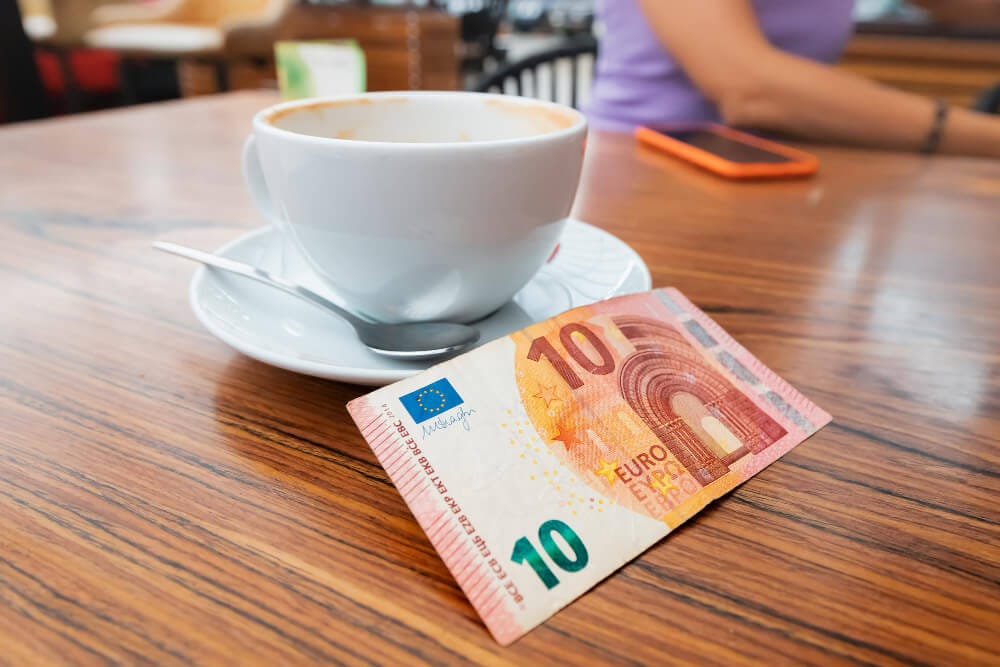
Tipping practices vary widely. In France and Italy, leaving a few euros or rounding up is sufficient, whereas in Germany, adding 5–10% is appreciated. In northern European countries like Denmark or Sweden, service charges are usually included.
Drinking tap water is safe in most countries, although travelers may prefer bottled water in certain cities. Cafés often serve espresso at the bar only, with cappuccinos traditionally enjoyed in the morning. Following local practices makes the experience feel more authentic.
Currency, Cards, and Payments
While the Euro dominates much of Europe, several countries use other currencies, including the British Pound, Swiss Franc, and Polish Zloty. Americans often rely heavily on cards, but cash remains necessary for markets, street food, and small towns.
ATMs are widely available, but withdrawing from bank-affiliated machines is safer and cheaper than independent kiosks. Notifying your bank of international travel helps prevent blocked cards. A balance of cash and card usage offers flexibility while keeping funds secure.
Packing Tips and Gear
Europe’s varied climate demands thoughtful packing. Cities, coastal towns, and alpine regions require different attire. Comfortable walking shoes are essential for cobblestone streets and historic districts. Layered clothing helps with unpredictable weather, and a compact rain jacket is invaluable.
Useful travel accessories include packing cubes, travel adapters for Type C/F outlets, and portable chargers. For Americans, a lightweight water bottle is practical for sightseeing days and hikes, and a compact instant camera can capture moments without draining your phone battery. Products like this universal travel powerbank are highly recommended for long sightseeing days.
Real-World Travel Scenarios
Imagine arriving in Rome on a busy Saturday afternoon. Tourists crowd the Spanish Steps, the metro is bustling, and your navigation app is running low on battery. Having a fully charged portable powerbank keeps your phone alive, your maps accessible, and your confidence high.
On another day in Paris, wandering Montmartre, you might stop in a small café. You notice a pastry that looks unfamiliar. A quick glance in your phrasebook helps you order politely, and a friendly smile ensures a smooth interaction. These small preparations prevent frustration and enhance the travel experience.
Planning Your Itinerary
American travelers often try to see too much too quickly, which leads to stress. Instead, focus on clusters of attractions and explore each at a leisurely pace. For example, in Italy, base yourself in Florence for a few days to explore Tuscany, rather than hopping between three towns in a single day. In France, stay in Nice to explore the Riviera before moving to Provence.
Using trains and local transport saves time and allows immersion in local culture. Reserve high-speed train tickets early, especially during summer or holidays, to secure reasonable prices.
Conclusion
Traveling in Europe as an American is richly rewarding, but success depends on preparation. Understanding cultural differences, navigating transportation, budgeting wisely, respecting local etiquette, and packing strategically are all essential steps.
By approaching Europe with awareness and planning, Americans can move confidently through cities, villages, and landscapes, turning potential challenges into opportunities for deeper engagement. Investing in practical travel tools — such as a travel phrasebook, RFID-blocking passport wallet, portable charger, or compact instant camera — enhances convenience, safety, and enjoyment.
With the right mindset and preparation, your European adventure becomes not just a vacation, but an immersive journey filled with history, culture, and unforgettable moments.