Salzburg, Austria’s baroque jewel, is a city where music, history, and alpine scenery blend seamlessly. As the birthplace of Mozart, it attracts travelers from around the world, yet its compact size and walkable streets make it perfect for first-time visitors. Cobblestone lanes, pastel-colored facades, and views of the surrounding Alps give the city a fairy-tale quality, while museums, gardens, and historic cafés offer a cultural depth that rewards slow exploration. Whether you’re wandering the Old Town, savoring local cuisine, or enjoying panoramic vistas, Salzburg offers experiences that linger long after your trip ends.
Iconic Attractions in Salzburg
Hohensalzburg Fortress: A Medieval Experience with a View
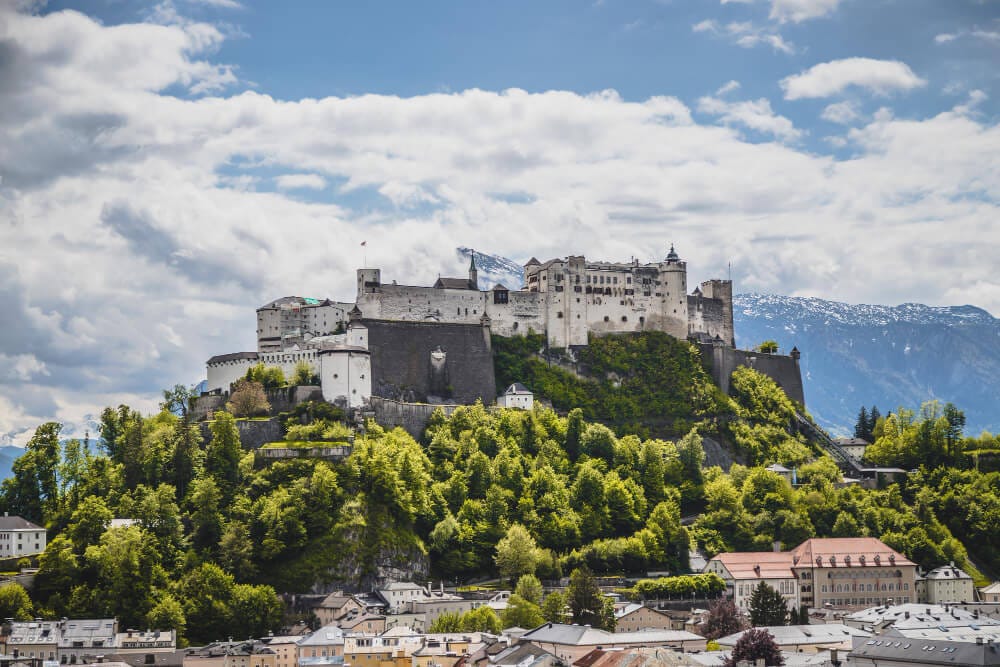
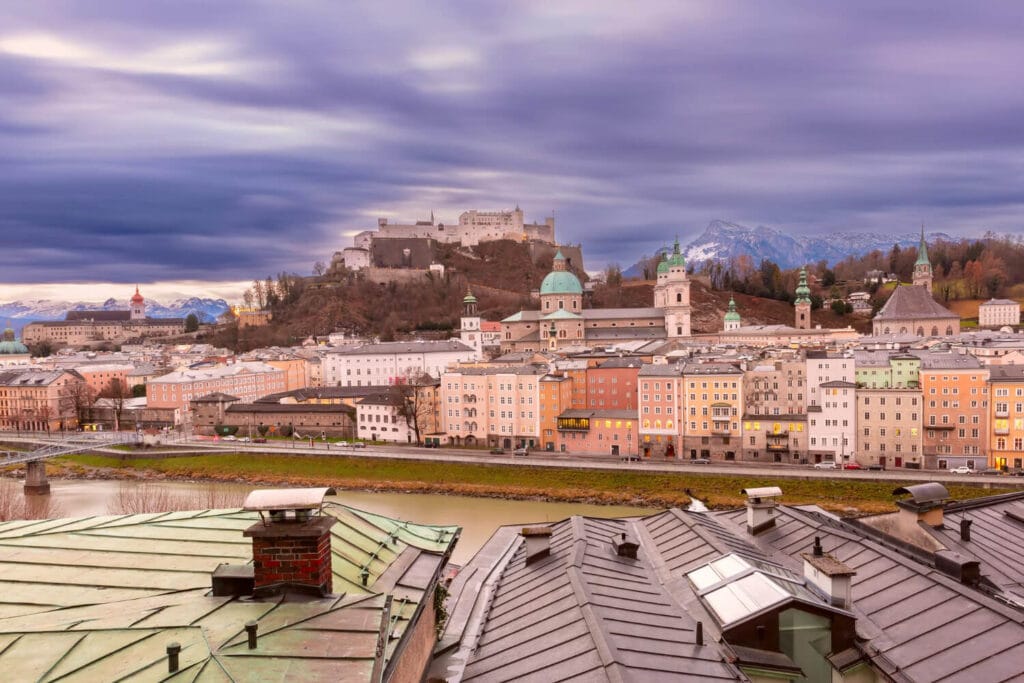
Dominating the city skyline, Hohensalzburg Fortress is one of Europe’s best-preserved medieval castles. Perched atop Festungsberg, it offers sweeping views over the Old Town, the Salzach River, and the Alps beyond. First-time visitors will find the fortress’s museums and historic rooms fascinating, with exhibits ranging from medieval weapons to lavish princely chambers.
The easiest way to reach the fortress is via the funicular, which operates daily from 09:00 to 18:00. Adult tickets cost €16, while children (6–14) pay €6, and combined family tickets are available for €38. Early morning visits help avoid the midday crowds, and the sunset offers particularly photogenic views over Salzburg’s rooftops.
Inside the fortress, don’t miss the Marionette Museum and the Golden Hall, both showcasing the region’s artistic and historical heritage. The ramparts provide one of the most Instagrammable viewpoints in Salzburg, stretching across the city and into the distant alpine peaks.
Mirabell Palace & Gardens: Symmetry, Flowers, and Music
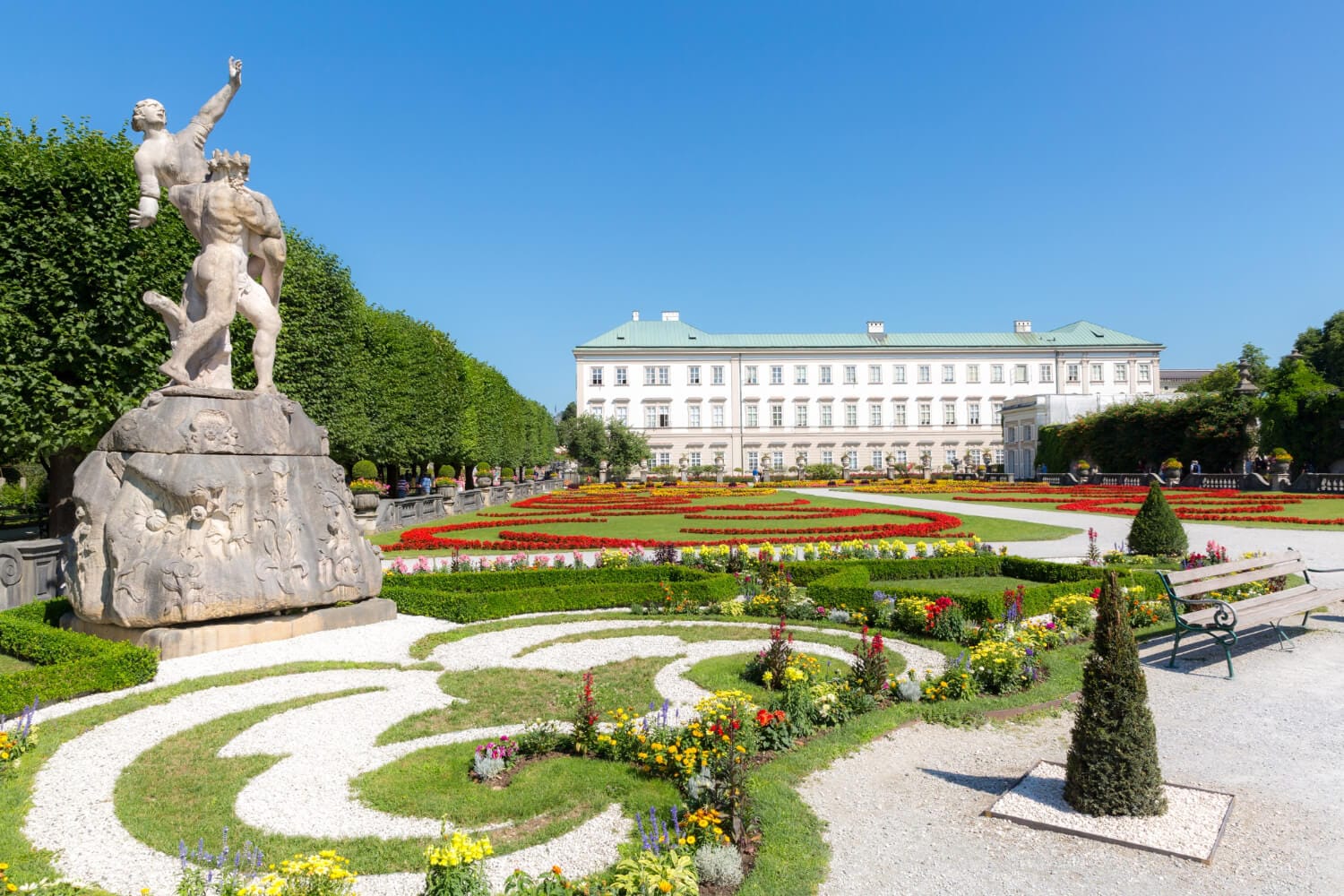
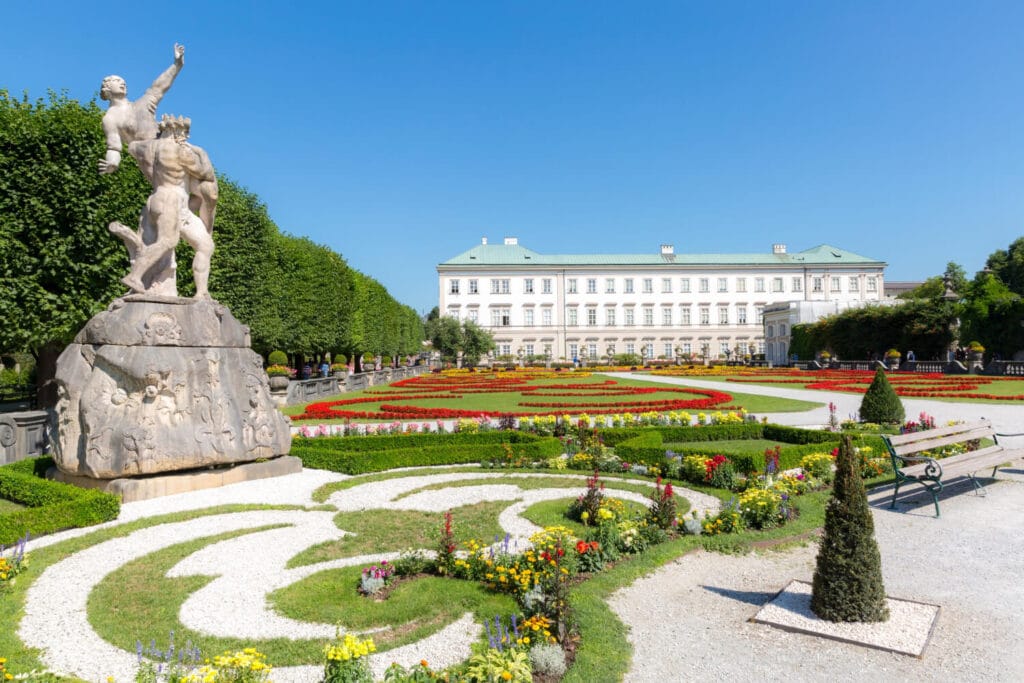
Mirabell Palace and its gardens are quintessentially Salzburg. The geometrically arranged flower beds, marble statues, and fountains provide both a visual feast and a sense of tranquility. Spring and early summer bring vibrant tulips and roses, while autumn adds a golden touch to the sculpted greenery.
The palace itself hosts classical concerts in the Marble Hall, often featuring Mozart’s works. Ticket prices for these concerts start at around €25, depending on the program. For visitors who prefer casual exploration, strolling through the gardens is free, with the Pegasus Fountain offering one of the city’s most iconic photo opportunities, perfectly framing Hohensalzburg Fortress in the background.
Tip: Visit the Pegasus Fountain – it’s a perfect photo spot with the fortress in the background.
Salzburg Old Town (Altstadt): History Around Every Corner
Salzburg’s historic center is compact, walkable, and rich in baroque architecture. Getreidegasse, the street where Mozart was born, is lined with wrought-iron signs and boutique shops. Pop into Mozart’s Birthplace for a small museum and exhibition; tickets cost €12 for adults and €6 for children.
Wandering off the main streets rewards visitors with hidden courtyards, artisan workshops, and quiet cafés where locals enjoy coffee and pastries. This layered exploration helps first-time visitors connect with the city’s rhythm, away from the typical tourist hustle.
Experiencing Salzburg’s Culinary Traditions
Salzburger Nockerl: The City’s Iconic Soufflé
No visit is complete without tasting Salzburger Nockerl, a light, fluffy dessert dusted with powdered sugar. Often served in historic cafés, this soufflé combines culinary artistry with local tradition. A serving costs around €9–€12 depending on the café. Pairing it with a Melange coffee (€4–€5) provides a quintessential Salzburg afternoon experience.
Hearty Austrian Fare: Schnitzel, Sausages, and Local Treats
For more substantial meals, a Wiener Schnitzel—breaded veal or pork—is a must. Served with potato salad or lingonberry sauce, this dish is available at traditional taverns throughout the city, with prices ranging from €18–€25 per serving. Street vendors and markets also offer grilled sausages, pretzels, and other quick bites for €4–€7, ideal while exploring the Altstadt.
Historic Coffee Houses: Culture and Relaxation
Salzburg’s coffee culture is a living tradition. Café Tomaselli, the oldest in the city, provides a setting where visitors can enjoy pastries, soak in history, and observe daily life. Try the Apfelstrudel (€5–€6) or a slice of Sachertorte (€6–€7) while sipping coffee. Visiting in the late afternoon allows for a more relaxed ambiance and a chance to watch locals enjoying their routines.

Try to visit a café in the late afternoon when the atmosphere is relaxed, and you can enjoy both the coffee and people-watching.
Suggested 2–3 Day Itinerary for First-Time Visitors
Day 1: Old Town & Cultural Highlights
Begin with Getreidegasse, visit Mozart’s Birthplace, and explore Salzburg Museum (€12 per adult). Take time to wander side streets, popping into cafés and artisan shops. End your day with a walk along the Salzach River, capturing the sunset over red rooftops.
Day 2: Fortress, Gardens & Culinary Exploration
Start early with the Hohensalzburg Fortress, take in panoramic views, and explore its museums. Descend to Mirabell Gardens, stroll the grounds, and perhaps catch a classical concert at the palace. Enjoy lunch at a traditional Austrian tavern before exploring hidden squares and alleys, finishing the day with a relaxed evening walk through illuminated streets.
Day 3: Day Trips to the Lakes or Alps
Salzburg’s location makes it ideal for day trips. Hallstatt, with its lakeside village and historic salt mine, is about a 2-hour train ride. Tickets for the Hallstatt salt mine tours cost €24 for adults. Wolfgangsee offers calm waters and Alpine scenery, reachable by train or organized tours (€40–€60 for a boat tour). Both options provide a refreshing contrast to the city’s baroque streets.
Practical Tips for First-Time Visitors
Best Time to Visit
Spring and early autumn are ideal for mild weather and smaller crowds. Summer brings more tourists, so plan early visits to popular attractions. Winter adds charm with festive markets and snow-dusted streets but requires warm clothing.
Getting Around the City
Salzburg is compact and walkable, with most attractions reachable on foot. For excursions, regional trains, buses, or rented bikes are convenient and efficient. For day trips like Hallstatt, combining train and bus travel is usually easiest.
Safety and Local Etiquette
Salzburg is very safe. Online booking for Hohensalzburg Fortress, concerts, or guided tours helps avoid long queues. In cafés and shops, simple gestures like greeting staff with a polite “Grüß Gott” or saying “Danke” are appreciated. Carry some cash for small purchases, though cards are widely accepted.
Weather and Clothing
Weather can change quickly, particularly in the Alps. Comfortable walking shoes for cobblestone streets, layered clothing, and a light waterproof jacket are essential. In winter, insulated footwear and gloves ensure comfort while exploring outdoors.
Maximizing Your Salzburg Experience
For first-time visitors, balance structured sightseeing with leisurely exploration. Early mornings at popular sites reduce crowds, while late afternoons in cafés or along the river offer relaxation and authentic local life. Photography is best during golden hours: sunrise over rooftops or sunset along the Salzach River.
Consider combining Salzburg with nearby regions for a richer Austrian experience. The lakes district, Berchtesgaden, or the alpine village of Werfen with its ice caves are accessible within 1–2 hours by car or train, providing variety beyond city attractions.
Final thoughts
Salzburg is a city that blends history, music, and natural beauty in a compact and accessible setting. First-time visitors benefit from planning, but the city also rewards spontaneous exploration of its streets, cafés, and surrounding alpine landscapes. From Hohensalzburg Fortress’s panoramic views to the delicate sweetness of Salzburger Nockerl, each experience reflects Austria’s rich cultural heritage and timeless charm.
Whether you spend a couple of days exploring Old Town and gardens or venture further afield to the lakes and mountains, Salzburg offers a first-time visitor a trip that balances iconic landmarks, local culture, and unforgettable scenery.
How many days are enough for Salzburg?
2–3 days is ideal for first-time visitors, giving time to explore the city and take one short excursion.
What food should I not miss in Salzburg?
Salzburger Nockerl, Wiener Schnitzel, local sausages, and pastries in historic cafés are must-tries.
Is Salzburg family-friendly?
Absolutely. The city offers castles, gardens, museums, and easy walking routes, making it perfect for families with children.