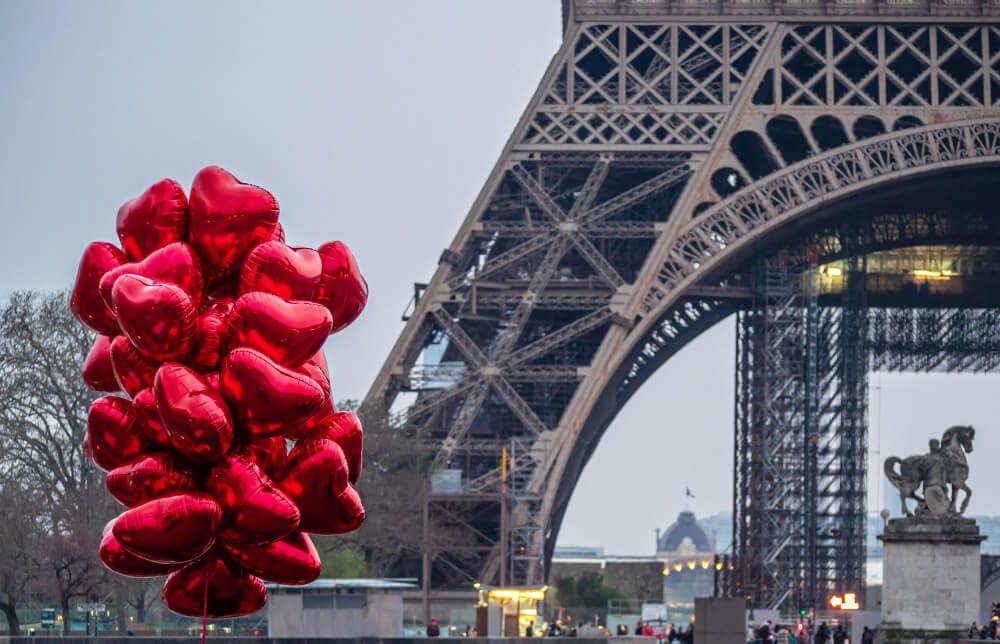
Valentine’s Day is celebrated on both sides of the Atlantic, but the experience of it differs profoundly. In the United States, the holiday often revolves around reservations, gift buying, and scheduled activities squeezed into busy lives. Europe, on the other hand, offers something less structured and far more immersive. Romance there is not an event—it’s embedded in the streets, the pace of daily life, and the cultural fabric of cities and towns.
For couples planning a Valentine’s getaway, this difference matters. A Europe romantic trip appeals to travelers who want to slow down, connect more deeply, and experience romance organically rather than through pre-packaged experiences. From walkable historic centers to café culture and winter atmosphere, Europe consistently feels more intimate, cinematic, and emotionally resonant than most US destinations.
European Streets: Walkable Romance
One of the most noticeable differences couples experience immediately is how European cities are built. In Paris, Seville, Bruges, Florence, or Annecy, walking is not just possible—it’s the default. Streets are compact, destinations are close together, and movement through the city feels natural and fluid.
Couples can wander without an agenda, drifting from one neighborhood to another, discovering small squares, hidden courtyards, bridges, and viewpoints along the way. The act of walking becomes part of the romance. Compare this with many American cities, where distances are large, cars are essential, and spontaneity is limited by traffic and parking.
A slow walk along the Seine, through Seville’s orange-scented lanes, or across Bruges’ medieval bridges encourages conversation, shared discovery, and quiet moments—things that often get lost in car-centric environments.
Personal tip: Plan fewer activities per day in Europe. Let walking and wandering become the main experience rather than filling every hour with attractions.
Cafés, Pastries, and Slow Dining
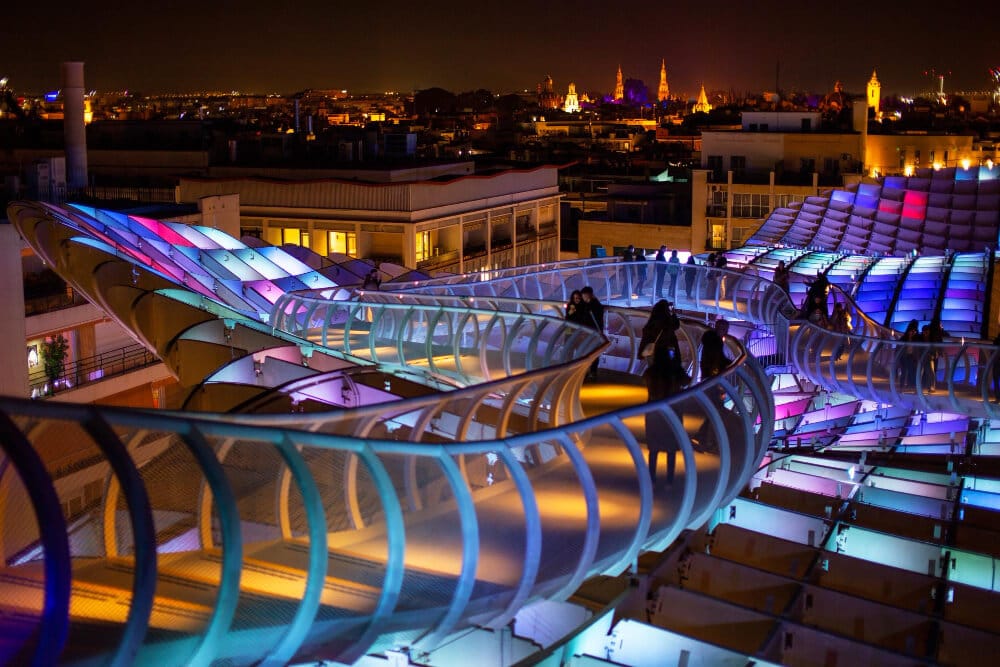
Café culture is one of Europe’s most underrated romantic assets. Small cafés, bakeries, and wine bars are woven into everyday life, offering couples countless opportunities to pause together. Hot chocolate in Bruges, espresso in Florence, mulled wine in Salzburg, or tapas and wine in Seville are not rushed affairs—they’re invitations to linger.
In the US, Valentine’s dining often means busy restaurants, fixed seating times, and pressure to “move along.” In Europe, meals stretch naturally. Courses arrive slowly, conversation flows, and there is no expectation to rush out the door. Even after dinner, couples often continue walking—through quiet squares, along rivers, or past softly lit façades.
This rhythm transforms food from an activity into a shared experience that strengthens connection.
Tip: Skip peak dinner hours (7–8 pm). Eating slightly later often means a calmer atmosphere and a more local experience.
Capturing the Moment Without Distraction
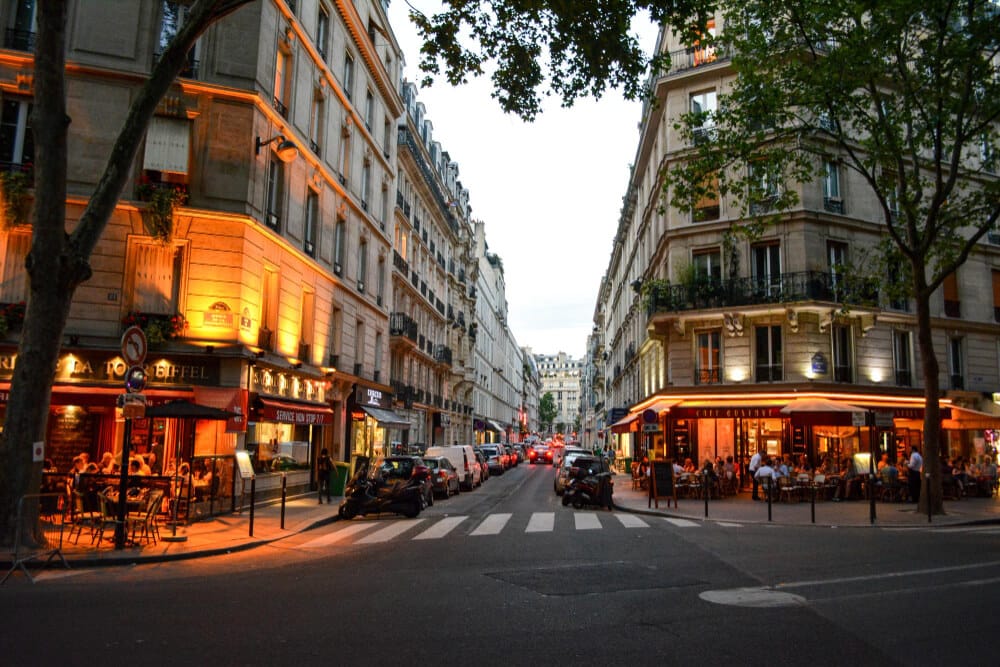
European Valentine’s trips are filled with small, visual moments—reflections on canals, lantern-lit alleys, foggy riverbanks, pastel townhouses at dusk. Many couples prefer capturing these memories in a tangible way rather than relying solely on phones.
A compact instant camera fits perfectly into a romantic European itinerary. It allows couples to capture spontaneous moments on cobblestone streets, in cafés, or at scenic viewpoints, creating physical keepsakes that feel personal and timeless—much like Europe itself.
Historic Towns and Timeless Backdrops
Another reason couples gravitate toward Europe is its extraordinary density of preserved history. Medieval towns, Renaissance cities, Baroque squares, and centuries-old bridges create a setting that feels inherently romantic. Annecy’s canals, Florence’s narrow streets, Salzburg’s old town, and Bruges’ Gothic façades offer visual depth that modern cities rarely replicate.
American cities excel in energy and innovation, but few can match Europe’s sense of continuity. In Europe, couples are not just visiting places—they are stepping into layers of history shaped by generations. This sense of time and permanence gives shared experiences greater emotional weight.
Photographs feel cinematic, walks feel meaningful, and even simple moments—like sitting on a stone bench or crossing an old bridge—carry symbolic value.
Tip: Visit historic centers early in the morning or just after sunset for maximum atmosphere and minimal crowds.
A Slower Pace That Encourages Connection
The European tempo is perhaps the most decisive factor for couples. Public transportation, shorter distances, and a cultural emphasis on leisure create space for presence. Instead of racing from one obligation to another, couples can focus on each other.
Watching gondolas glide in Venice, people-watching in a Florentine piazza, or sharing silence at a riverbank in Seville feels natural. These unstructured moments often become the most memorable part of a Valentine’s trip.
For American couples used to fast-paced routines, this shift can feel transformative. Time stretches. Conversations deepen. Experiences are absorbed rather than consumed.
Tip: Choose accommodations in historic centers to minimize transit time and maximize walkable romance.
Winter Atmosphere: Quiet, Intimate, Magical
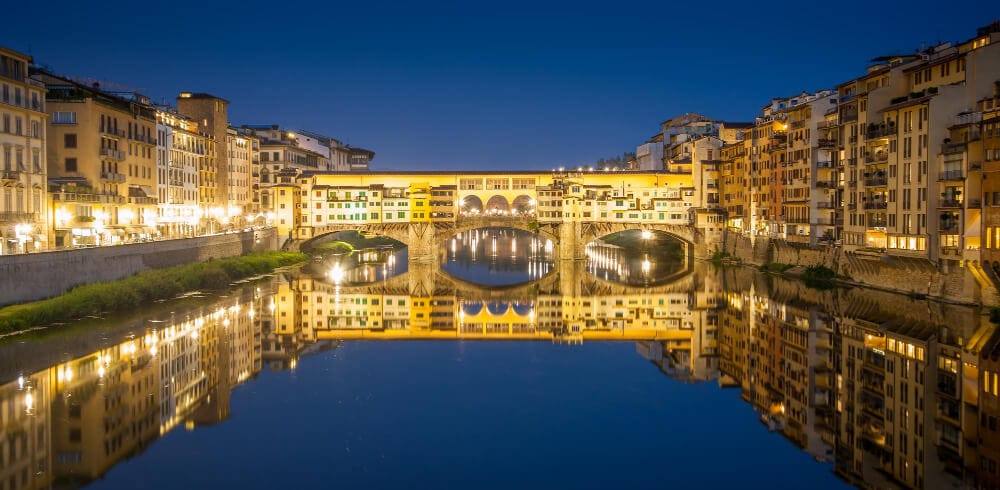
Valentine’s Day in Europe coincides with winter, and rather than diminishing romance, the season enhances it. Soft light, misty mornings, quiet evenings, and occasional snow create a sense of intimacy. Cities like Salzburg, Bruges, and Annecy feel especially atmospheric in February.
Tourist crowds are lighter, cafés feel cozier, and historic streets take on a calm, reflective mood. American Valentine’s celebrations often rely on decorations and events. Europe relies on atmosphere—natural, understated, and immersive.
This seasonal charm makes couples feel as though the city belongs to them, even if only briefly.
Beyond the City: Romantic Day Trips
Europe’s compact geography makes it easy to extend a Valentine’s trip beyond one city without stress. Couples can explore nearby towns, countryside, and coastal areas without renting a car, maintaining the relaxed pace.
Tip: Choose one simple day trip rather than several. Romance thrives on depth, not density.
Europe vs USA: A Different Philosophy of Romance
The contrast between Valentine’s Day in Europe and the USA is ultimately philosophical. In the US, romance is often scheduled, marketed, and optimized. In Europe, it emerges naturally from daily life—through walking, eating, observing, and slowing down together.
European cities don’t need elaborate Valentine’s promotions. Their streets, architecture, cafés, and rhythms already support intimacy. This is why so many couples cross the Atlantic in February: not for grand gestures, but for meaningful moments.
Why Couples Consistently Choose Europe
Couples choose Europe because it allows them to:
- Disconnect from routine without constant planning
- Share experiences rooted in history and culture
- Move slowly and intentionally
- Feel romance through environment rather than performance
Whether wandering Seville’s alleys, sipping wine in Bruges, strolling Florence’s piazzas, or watching reflections ripple through Annecy’s canals, Europe provides a Valentine’s experience that feels authentic and emotionally rich.
Final Thoguhts
Valentine’s Day in Europe is not about doing more—it’s about feeling more. Walkable streets, café culture, historic settings, winter atmosphere, and a slower pace combine to create an environment where connection happens effortlessly.
For couples seeking a truly memorable Valentine’s escape, Europe offers something the USA rarely can: romance woven into everyday life. Quiet walks, shared meals, timeless streets, and unhurried moments turn a simple trip into a lasting memory. That is why, year after year, couples choose Europe—not just for Valentine’s Day, but for love itself.