
Valentine’s Day in Europe does not have to mean packed bridges in Paris or gondola queues in Venice. In fact, some of the most romantic European cities reveal their magic precisely because they stay calm, walkable, and intimate in February. Cooler weather, fewer tour groups, and a slower pace allow couples to focus on what actually matters: atmosphere, shared moments, and meaningful experiences.
The destinations below are ideal for couples who want romance without chaos. These are places where you can walk hand in hand through historic streets, linger in cafés without rushing, and feel connected to the city rather than pushed through it. Each city offers a distinct romantic mood, from southern warmth to alpine elegance and medieval charm, making them excellent choices for Valentine’s Day trips in Europe and memorable couples travel experiences.
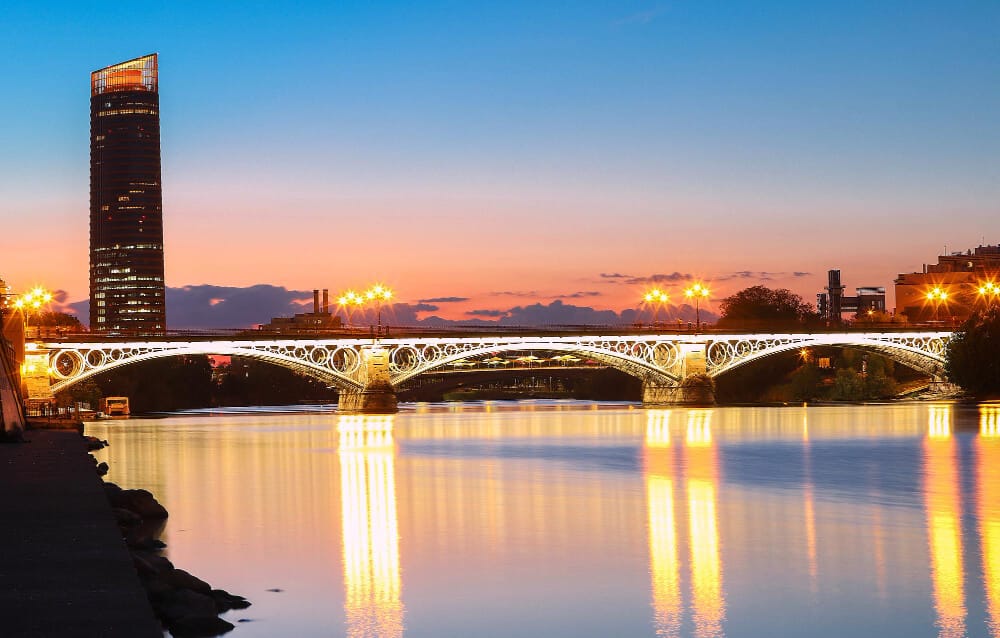
Seville: Warm Winter Evenings, Flamenco, and Golden Light
Seville is one of the best Valentine’s Day destinations in Europe for couples who want warmth, color, and emotion without crowds. February days are often sunny, with temperatures around 15–20°C, making it ideal for long walks and outdoor dining.
The historic center is built for romance. Wandering through the Santa Cruz neighborhood feels cinematic: narrow lanes, orange trees, hidden courtyards, and soft light reflecting off whitewashed walls. The Alcázar of Seville is especially magical this time of year. Its gardens are calm, fountains echo softly, and the palace architecture invites slow exploration. General entry tickets cost around €15, and visiting mid-morning or late afternoon feels unhurried and intimate.
Evenings belong to flamenco. Unlike summer, February performances feel more local and emotionally intense. A traditional flamenco show in a tablao typically costs €20–€35, depending on whether a drink is included. The experience goes far beyond entertainment; it feels raw, passionate, and deeply Andalusian.
One evening in Seville, we skipped a planned restaurant and followed music down a side street. We ended up watching an impromptu flamenco rehearsal through an open doorway. It was unplanned, quiet, and unforgettable — exactly the kind of moment that makes Seville special for couples.
Seville also works beautifully as a base for short, romantic day trips to white villages or riverside towns, especially if you prefer slow travel without a car.
Capture every romantic moment on your European getaway with this compact instant camera – perfect for snapping cozy streets, scenic views, and special moments with your partner.
Verona: Intimate Italy Beyond the Romeo and Juliet Cliché
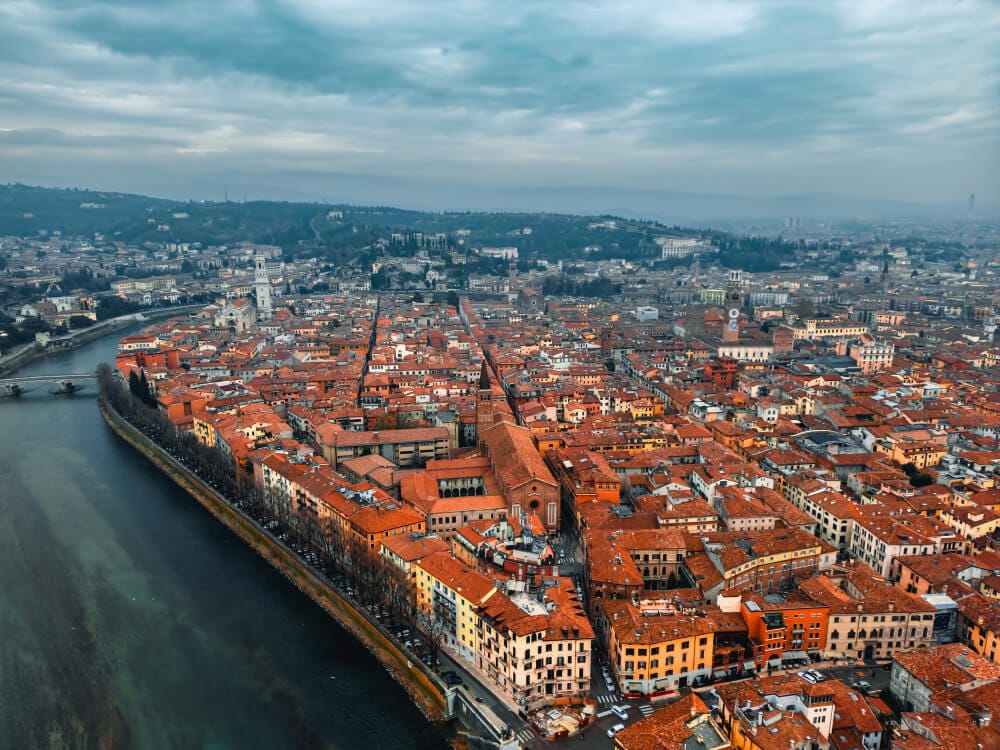
Verona often gets reduced to Juliet’s balcony, but in winter it becomes something far more appealing: a calm, atmospheric Italian city where romance feels natural rather than staged. February brings misty mornings, soft light, and empty streets that make the historic center feel personal.
The city is compact and perfect for couples who enjoy walking. Strolling along the Adige River, crossing Ponte Pietra, and wandering through Piazza delle Erbe feels especially romantic without summer crowds. Juliet’s House is still open, with tickets around €12, but the real magic lies elsewhere: quiet piazzas, candlelit osterias, and evening walks when the city glows.
The Roman Arena, one of Italy’s best-preserved amphitheaters, is open year-round. Entry costs around €10, and visiting in winter allows you to explore without pressure. Dinner in Verona is another highlight. A cozy trattoria meal with wine typically costs €25–€35 per person, offering excellent value for such an atmospheric setting.
Verona surprised me most at night. After dinner, we walked with no plan, and the city felt completely ours — soft lights, empty streets, and the sound of footsteps echoing. It felt far more romantic than any famous viewpoint.
Salzburg: Classical Elegance and Alpine Romance
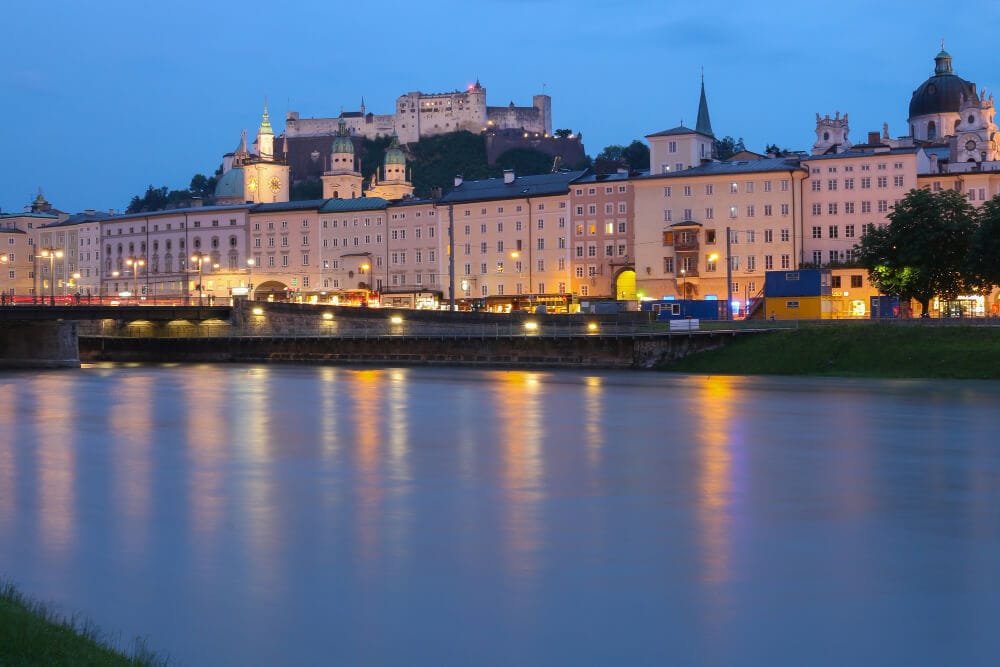
Salzburg is ideal for couples who love culture, scenery, and a refined romantic atmosphere. In February, the city feels elegant and calm, with snow-dusted rooftops and alpine views framing the historic old town.
Walking through Getreidegasse, visiting Mozart’s Birthplace (tickets around €12), and enjoying a classical concert create a timeless experience. Small evening concerts in historic halls typically cost €30–€50 and feel far more intimate than large venues.
The Hohensalzburg Fortress adds drama to the city. A funicular ride and entry cost around €16, and the panoramic views over the Alps and old town are especially striking in winter light. Cafés play a major role in Salzburg’s romance: warm interiors, rich hot chocolate, and lingering conversations.
One afternoon in Salzburg, we escaped the cold by ducking into a tiny café near the river. We stayed for nearly two hours, watching snow fall outside and talking without checking the time. It felt quietly luxurious in a way that busy cities rarely allow.
Salzburg also pairs well with Vienna for couples wanting a longer romantic itinerary that blends music, history, and elegant city life.
Annecy: Quiet Canals and Alpine Stillness
Annecy is one of Europe’s most underrated Valentine’s Day destinations. Often called the “Venice of the Alps,” it offers pastel buildings, canals, and a lake framed by mountains — all without Venice-level crowds.
February is peaceful, with mist rising from Lake Annecy in the mornings and soft reflections in the canals. Walking through the old town, crossing small bridges, and following the lake promenade feels deeply calming. There is no pressure to rush; Annecy invites slow travel.
Dining is a major highlight. A cozy lakeside restaurant serving Savoyard cuisine, such as fondue or raclette, typically costs €25–€40 per person. Sharing a warm meal after a cold walk adds to the intimacy of the experience.
Annecy felt like a place where romance happens naturally. Nothing demanded attention — the lake, the streets, the cafés all worked quietly together. It was one of the few places where doing very little felt perfect.
Bruges: Medieval Fairytale Without the Crowds
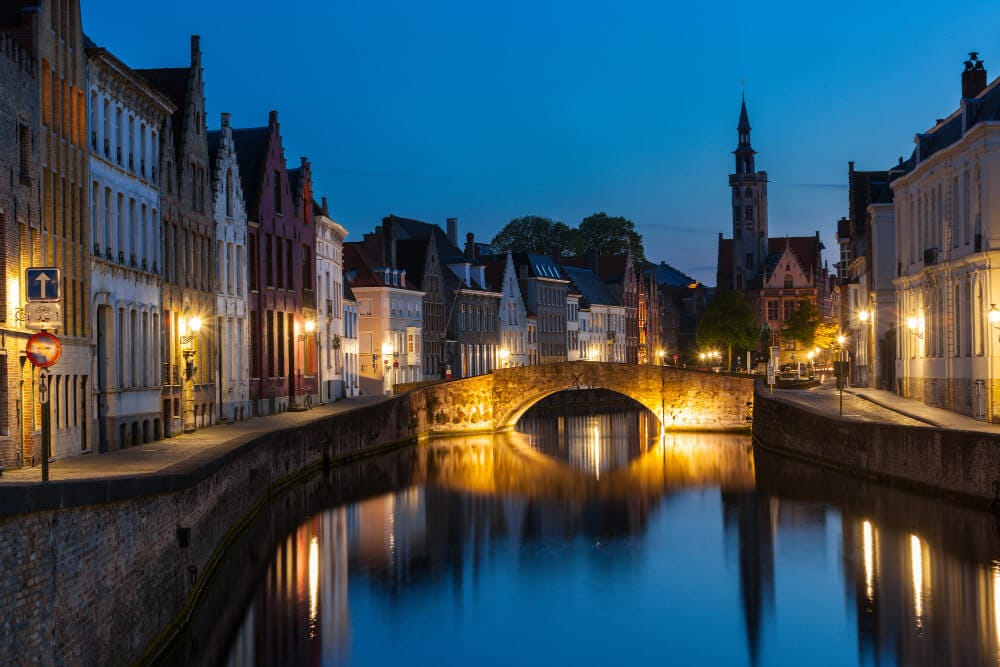
Bruges in February feels like a preserved medieval painting. The canals are calm, the streets are quiet, and the entire city seems designed for couples who enjoy atmosphere over activity.
Walking along the canals at dusk is the highlight. The reflections, old brick buildings, and soft lighting create a dreamlike mood. A canal boat tour, if weather allows, costs around €12–€15 and feels far more personal than in peak season.
Bruges is also about indulgence. Chocolate shops, historic cafés, and Belgian beer bars invite couples to slow down. A chocolate-tasting experience typically costs €10–€15, while a candlelit dinner in the old town ranges from €30–€45 per person.
In Bruges, we spent an entire afternoon doing almost nothing — walking, stopping for hot chocolate, and sitting by the canal. It reminded me that romance isn’t about big gestures, but about shared stillness.
Additional Romantic Alternatives Worth Considering
If you want even more unique Valentine’s Day destinations in Europe, consider Ljubljana for its river walks and café culture, Porto for wine cellars and sunset views over the Douro, or Colmar for half-timbered houses and Alsace charm. These cities share the same key advantage: walkability, atmosphere, and a pace that allows connection.
Why These Cities Work for Valentine’s Day in Europe
What makes these destinations ideal is not just their beauty, but their rhythm. They encourage walking instead of rushing, conversation instead of scheduling, and presence instead of performance. February removes the pressure of peak season and allows couples to experience Europe in a more authentic way.
Accommodation prices are also more reasonable. Boutique hotels in these cities often offer winter rates that are 20–40% lower than spring or summer, making a romantic European getaway more accessible.
Final Thoughts
Valentine’s Day trips in Europe do not need to follow predictable routes to feel special. Cities like Seville, Verona, Salzburg, Annecy, and Bruges offer romance rooted in atmosphere, history, and shared experience rather than crowds and clichés.
Choosing quieter destinations allows couples to slow down, walk more, talk more, and connect more deeply — both with each other and with the place they are visiting. These cities prove that the most memorable romantic trips are not about ticking landmarks off a list, but about how a place makes you feel together.
If you value intimacy, walkable streets, and moments that unfold naturally, these European destinations offer some of the most rewarding Valentine’s Day experiences on the continent.